
Reminiscings from the Roof of the World
Maoist Banda, Gurkha Khurkuri, and the Monkey Temple
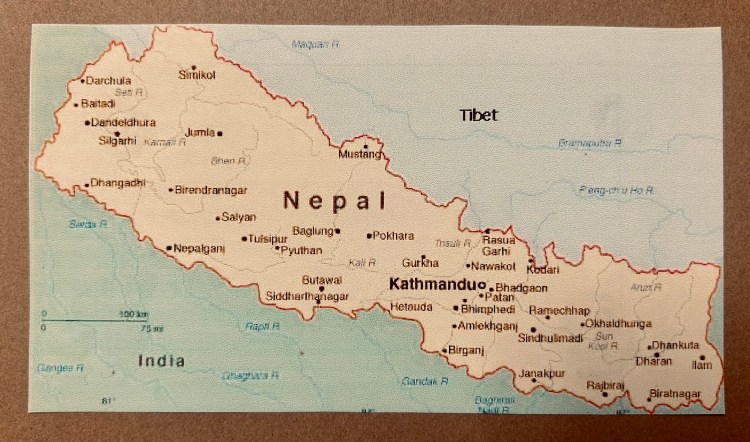
Our final days in Nepal would involve many hours in Robby’s SUV crisscrossing the Himalayan Kingdom and would bring many more adventures packed into a tiny timeframe. But Thursday would be more relaxed as we spent the day exploring the town and her many kiosks and small shops full of so many trinkets, from strings of beautiful glass beads for crafters to brightly colored fabrics and elephants carved from sandalwood and soapstone. We were separated from India by only the Mechi River, and in the afternoon we crossed on foot the nearly 2000-foot long bridge as far into India as the Indian immigration post. From there we prayed for India. I was amazed to, for a few minutes, plant my feet on the soil of that exotic nation. Little did I imagine that in just a few years I would cross that bridge again but from the Indian side.
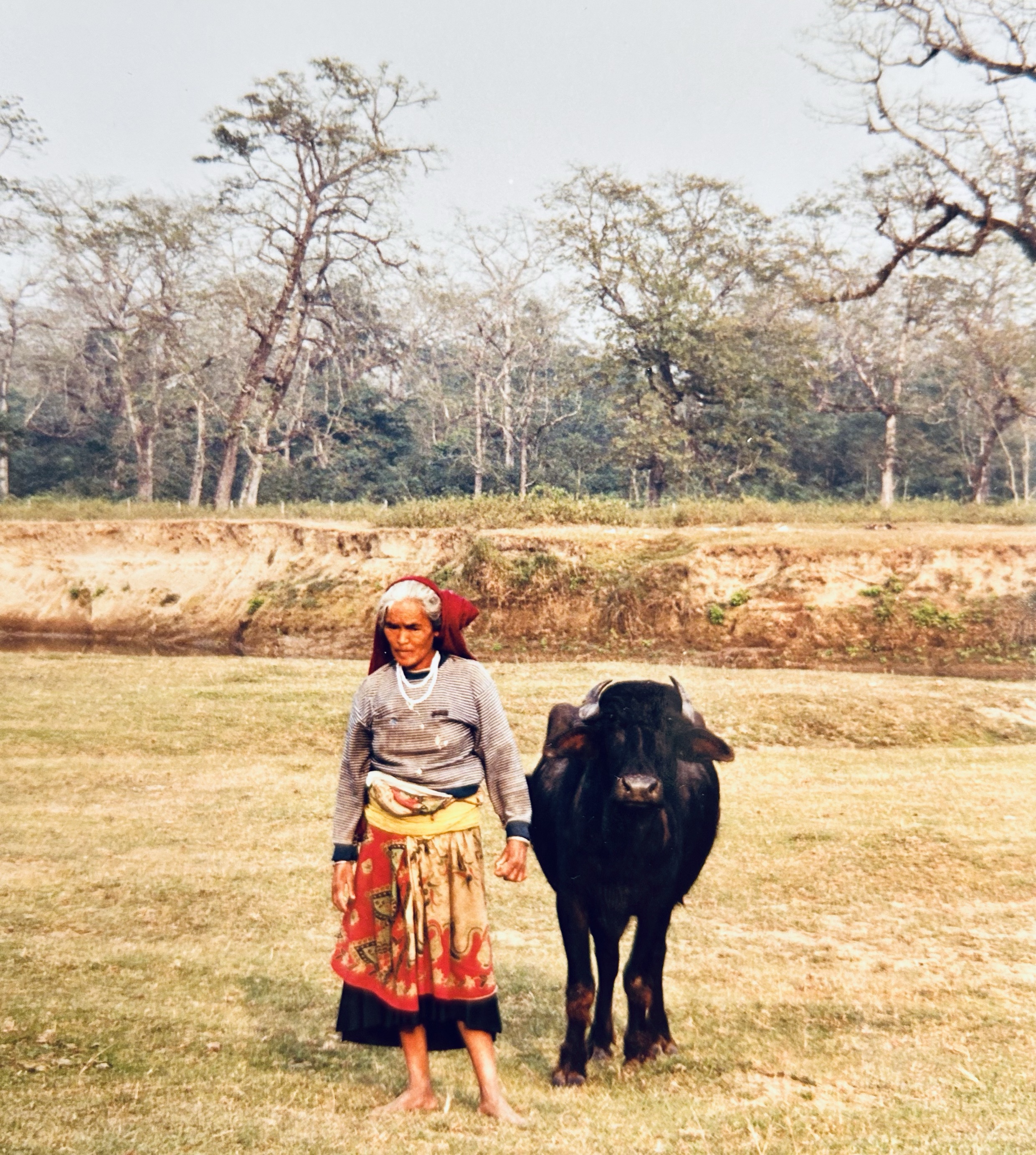
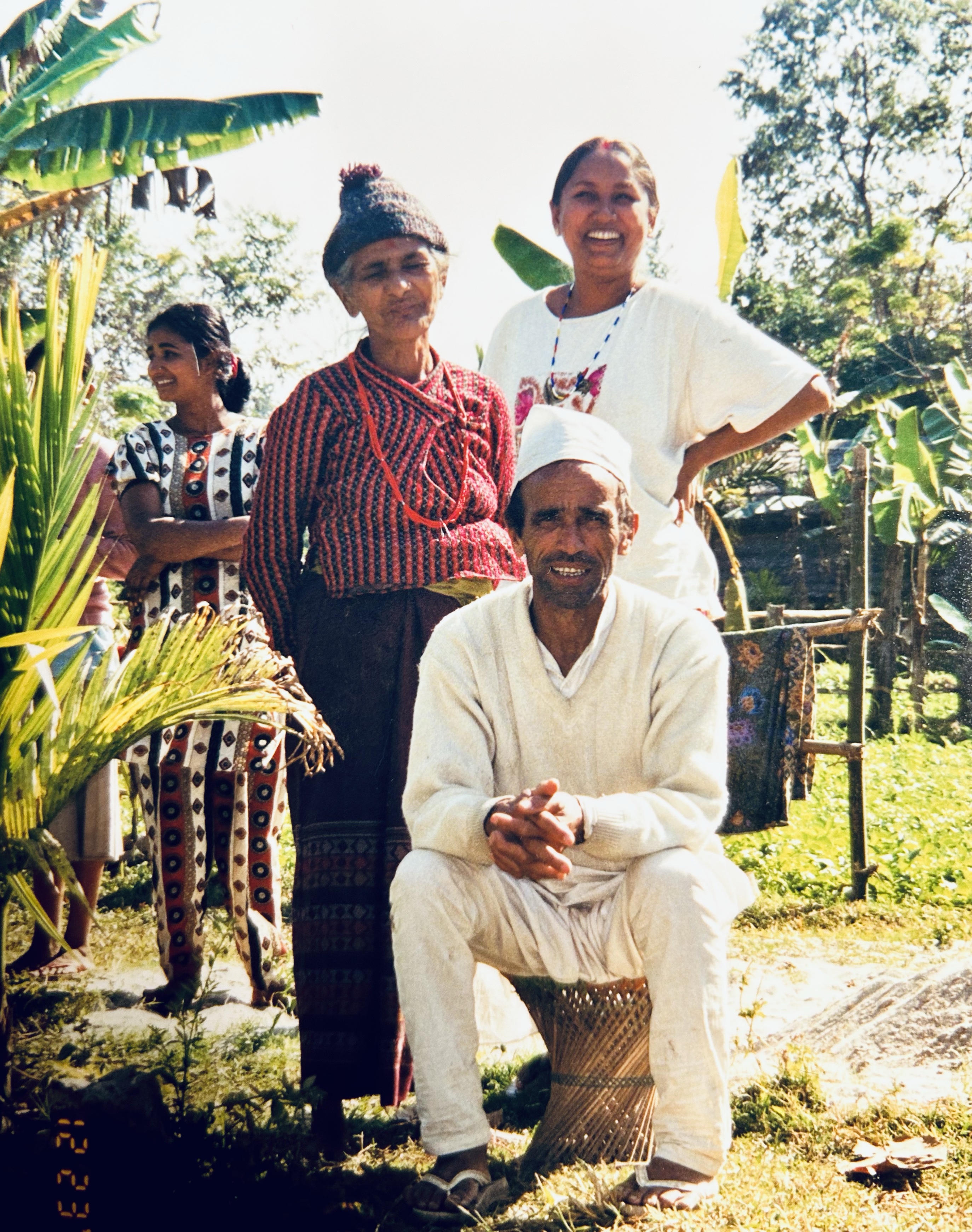

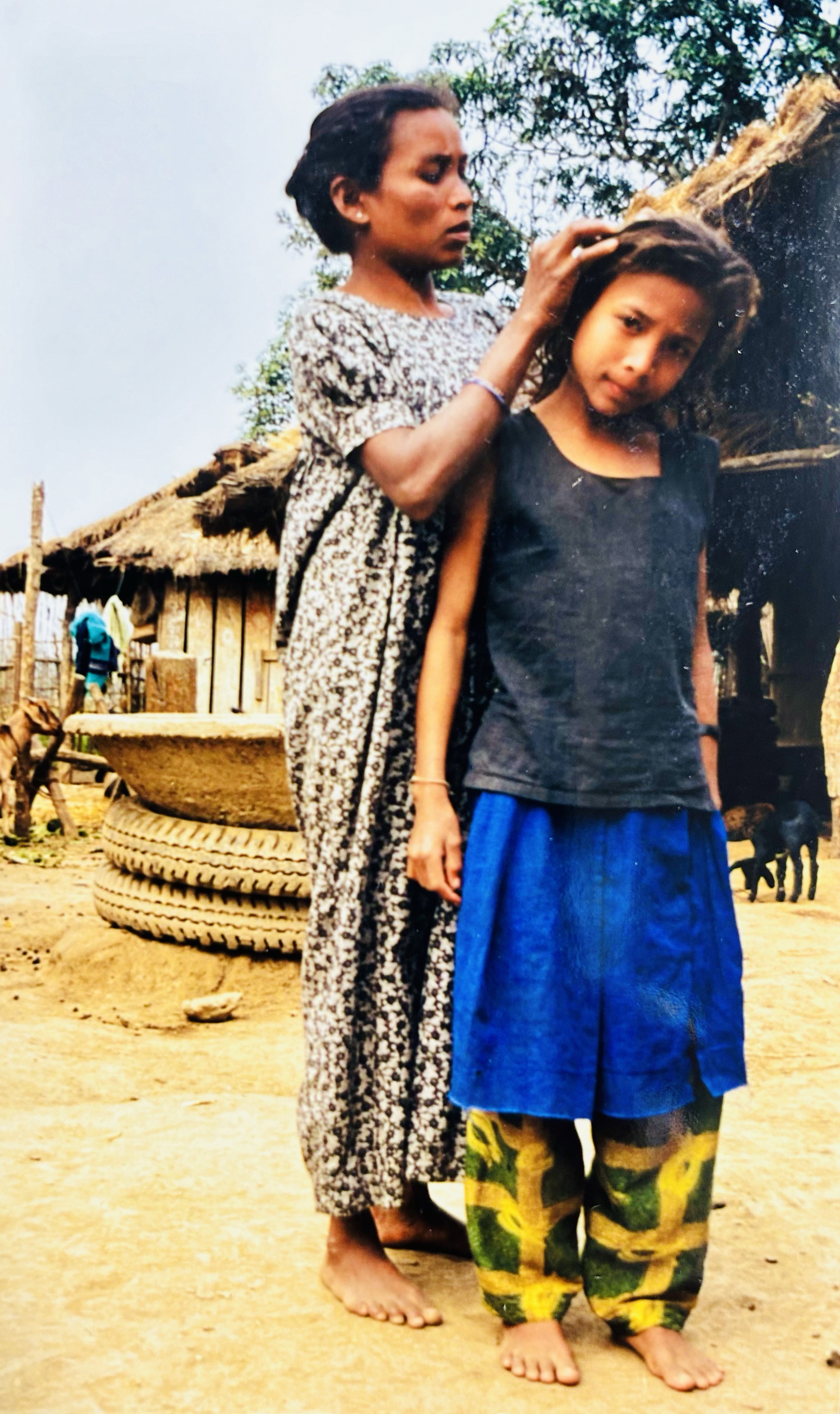
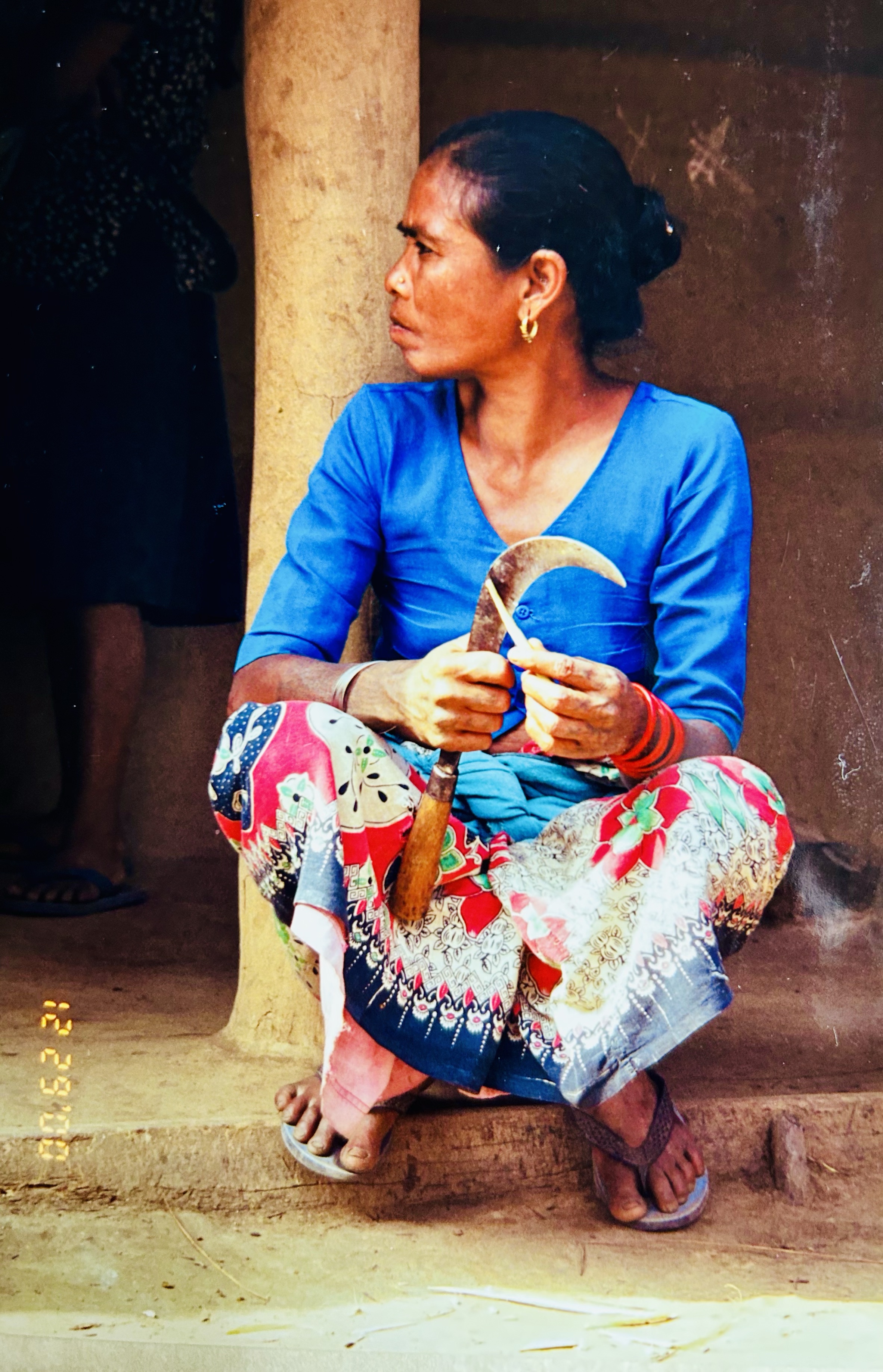
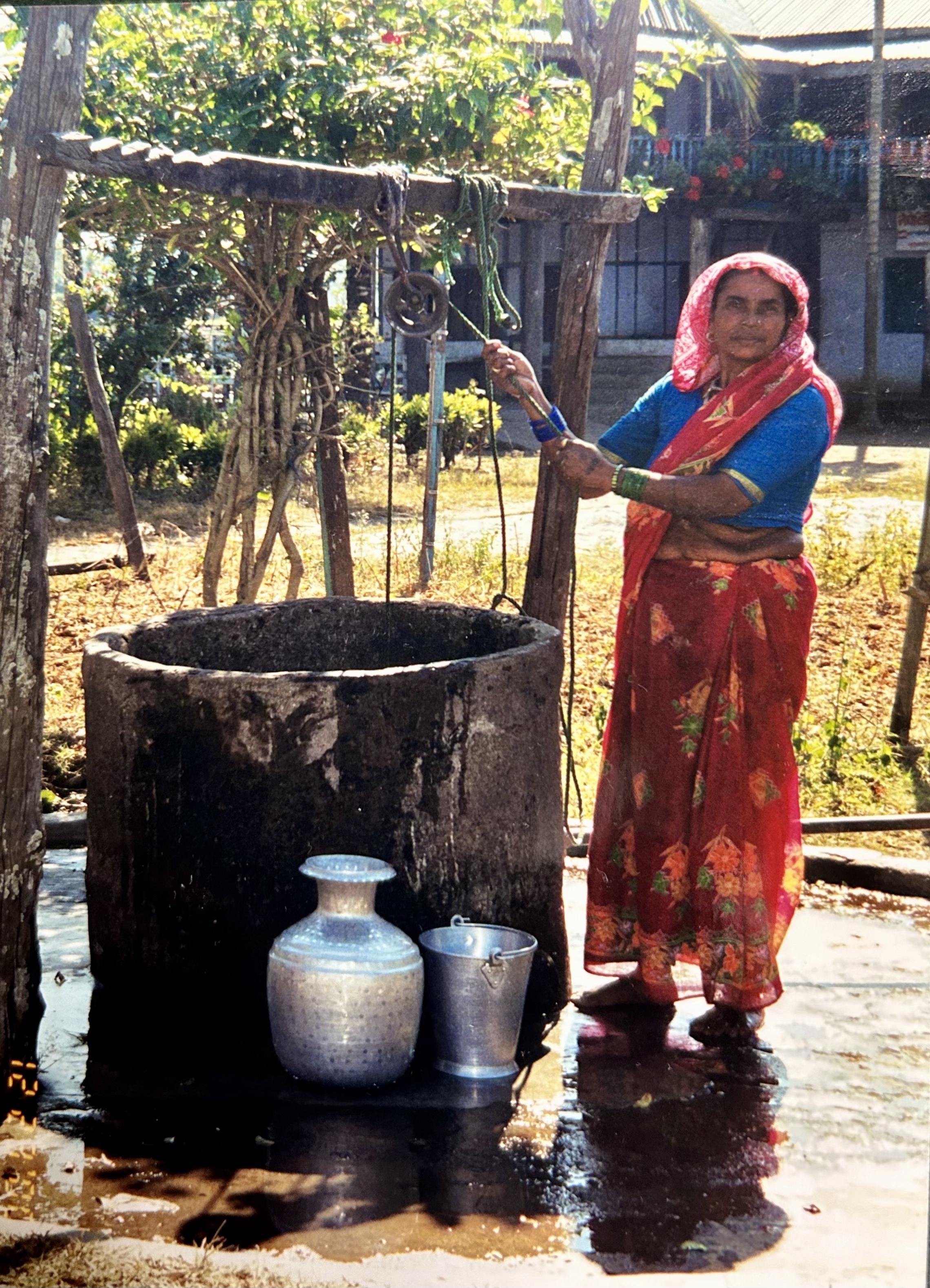
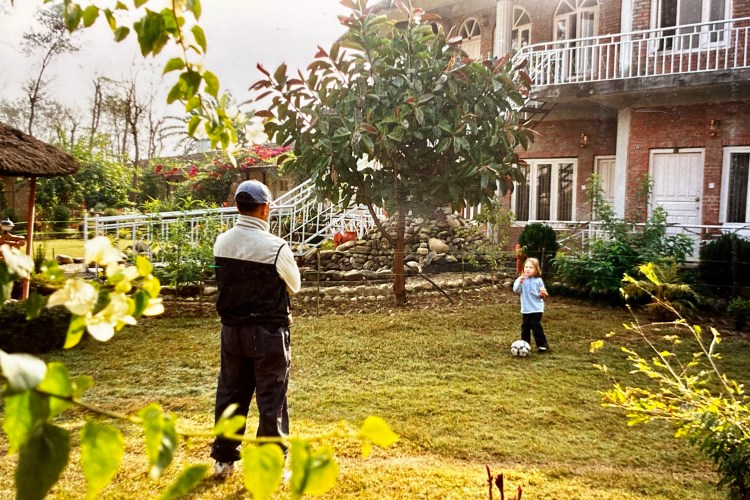
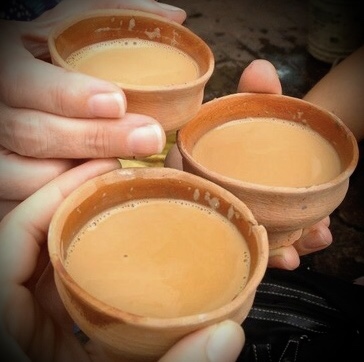
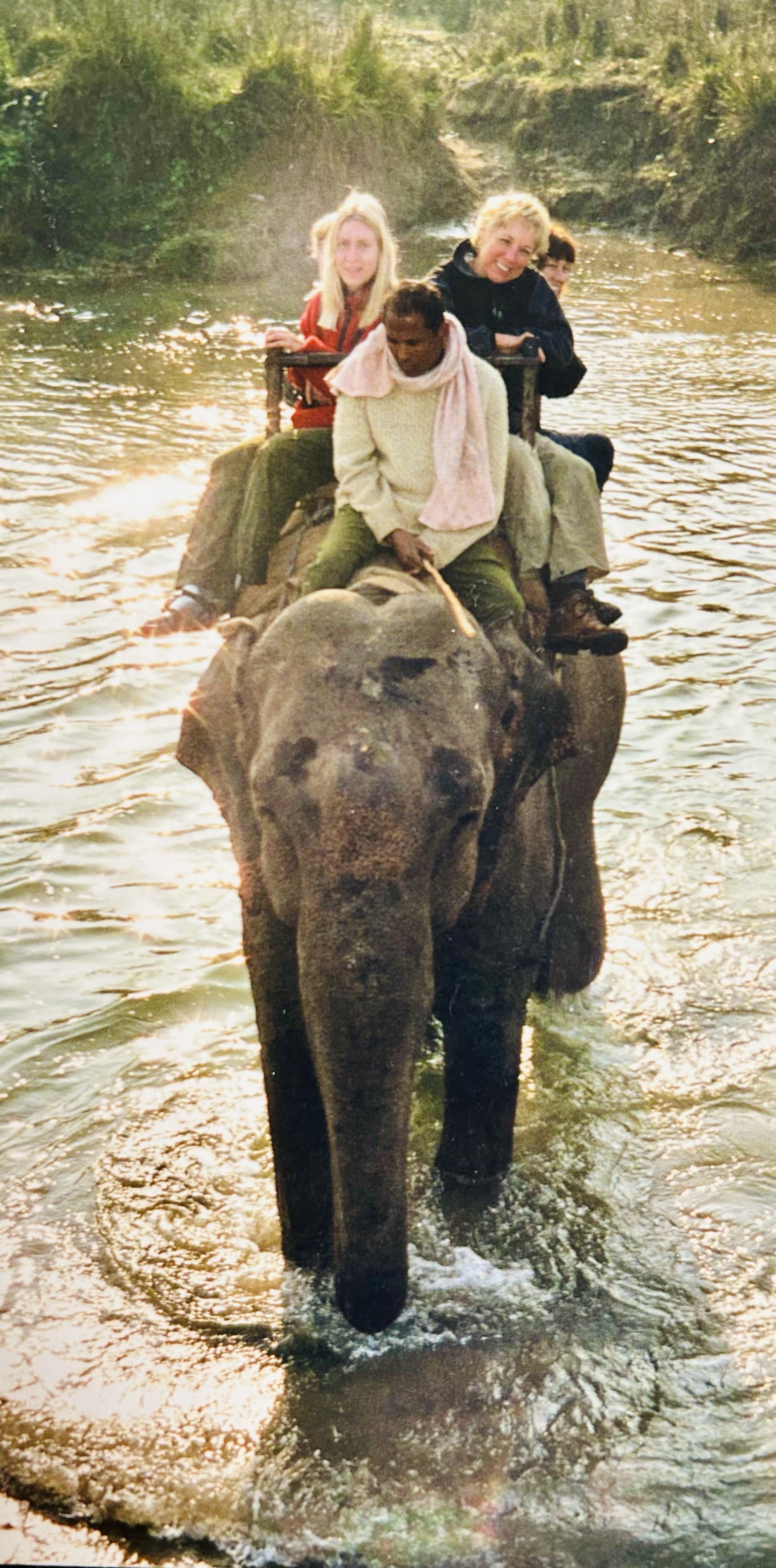
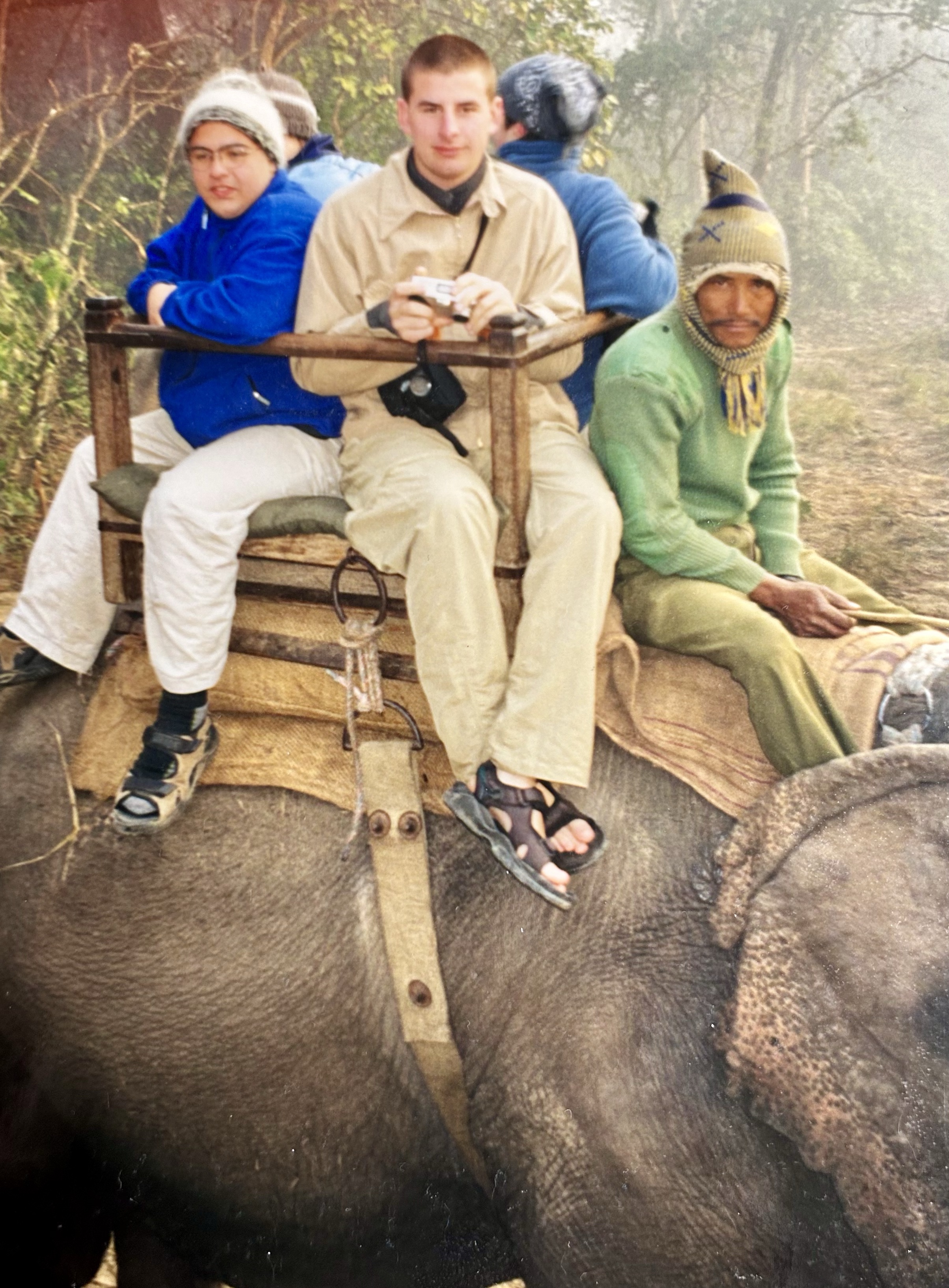
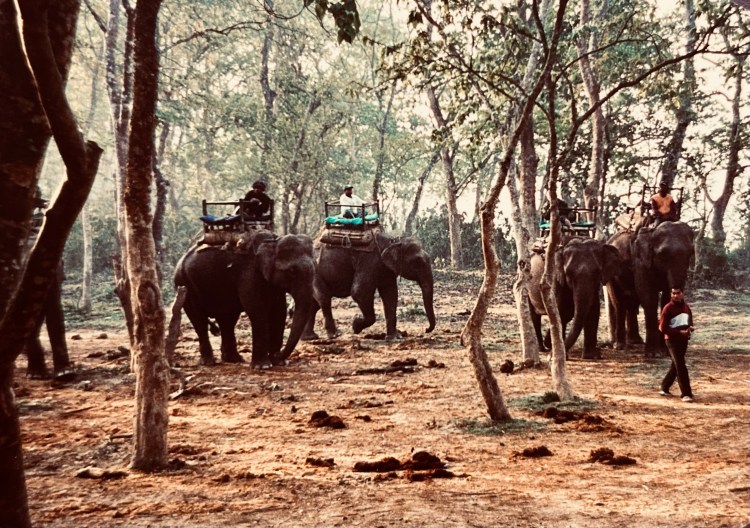
Friday was spent in the car heading southwest to Chitwan National Park, a second visit for me to the jungle region. In the evening we found lodging at a lovely resort with a huge dining area where we were provided bounteous, delicious meals of curried chicken and vegetables and the ever present dal bhat. My second elephant safari greeted us early morning. Thankfully this ride was only an hour and not as exhausting as my previous two-hour adventure had been. Canoe rides on the river provided gharial crocodile viewings. Then after visiting the elephant breeding center we revisited Pastor S and his family. We were pleased to find them and their churches doing well. Once again they hospitably served us tea and biscuits (cookies) as we chatted. After we had prayed for them and their work in the Chitwan area, Pastor S surprised us with gifts to carry home to each of the four churches in Alaska represented by our team.


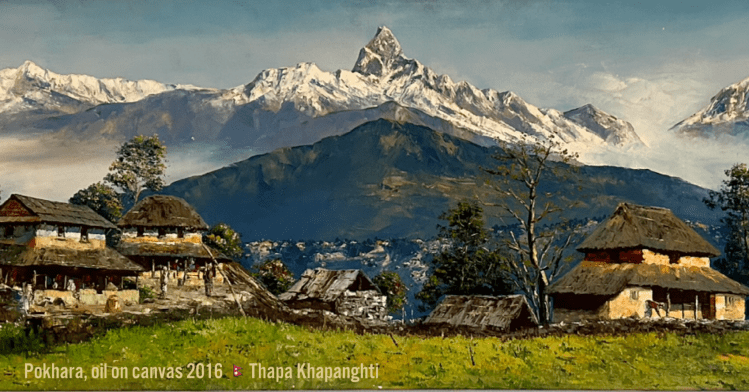
New Year’s Eve fell on a Sunday and we set out early for the drive to Pokhara, the town from which my treks had originated on my first adventure in Nepal. Our first assignment there was to pray over a new property which in a few months would house a new Bible school for training pastors in that region. The plan was to stay in Pokhara for two nights to visit Gurung villages in the area. But then news came that the Maoist Party had declared a two-day banda. Banda is translated in English as a general strike however the word means closed. Closed is, in my opinion, the more appropriate usage because for two days the kingdom would be completely shut down—shops, services, even driving a car is prohibited during a banda. (The conflict had begun in 1996 when the Maoists initiated an armed insurgency to overthrow the monarchy, capture State power, and form Nepal into a people’s republic. The conflict lasted until a Comprehensive Peace Accord was signed on November 21, 2006, giving the Maoist Party a role in the Nepalese government.) As Kathmandu would be a safer place for us to ride out the banda we headed back in order to be there before morning when the strike would begin and arrived at Student Guest House at midnight.

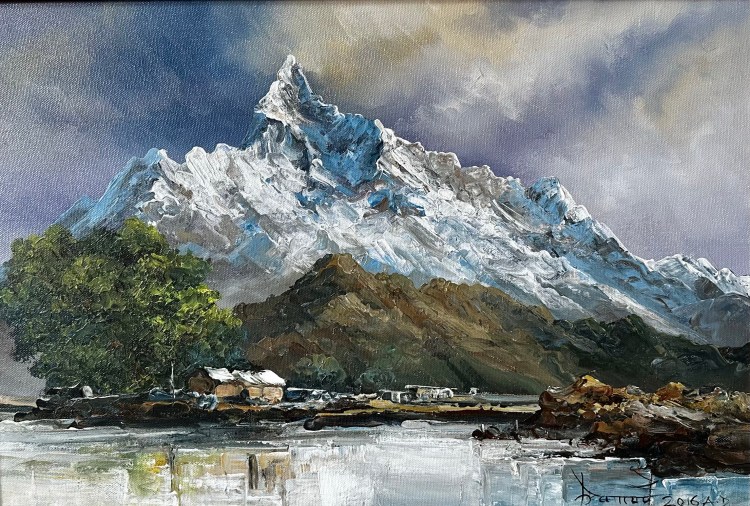
Kathmandu awoke to a very quiet New Year’s Day in a city that is normally inundated with a cacophony of honking horns, unmuffled engines, and the calls of street vendors. Anything we did for these two days would have to be within walking distance, so we spent time sipping tea and dining in the many fun cafes as well as exploring a plethora of shops—trinkets for tourists, art shops filled with stunning paintings of the Himalayas, cashmere and pashmina shops galore, and..khukuri knife shops. All made for wonderful browsing and gift shopping for friends and family back home. The authentic (there were, of course, the knock-off shops) khukuri shops were fascinating to browse as the shopkeepers educated us by recounting exotic tales. The khukuri is a hand crafted, Nepalese Gurkha knife. Their forged steel blades are razor sharp and heavy, and with wooden or bone handles they are incredibly beautiful. During our times of relaxing and chatting our Nepali friends told us about the Gurkhas. The Nepalese soldiers serve their country’s military but some also form a unique unit in the British Army. They are among the finest and most feared soldiers in the world. A famous saying is, “If a man says he is not afraid of dying, he is either lying or is a Gurkha.” The Gurkha motto is “Kaphar hunnu bhanda marnu ramro—It is better to die that to live like a coward.” We were told that when a new Gurkha is sent to battle he is sent off with no weapon. He will only acquire a weapon by killing the enemy with his bare hands and taking their weapon as his own. We also learned that Nepal’s fight for independence from India had instigated a military strategy to move the country’s time fifteen minutes forward, a change that remains to this day. When one is traveling it is usually much easier to find gifts for female friends and relatives. In Kathmandu that is not the case. The khukuri knives I brought home to my male relatives were probably the most appreciated gifts I have ever given.
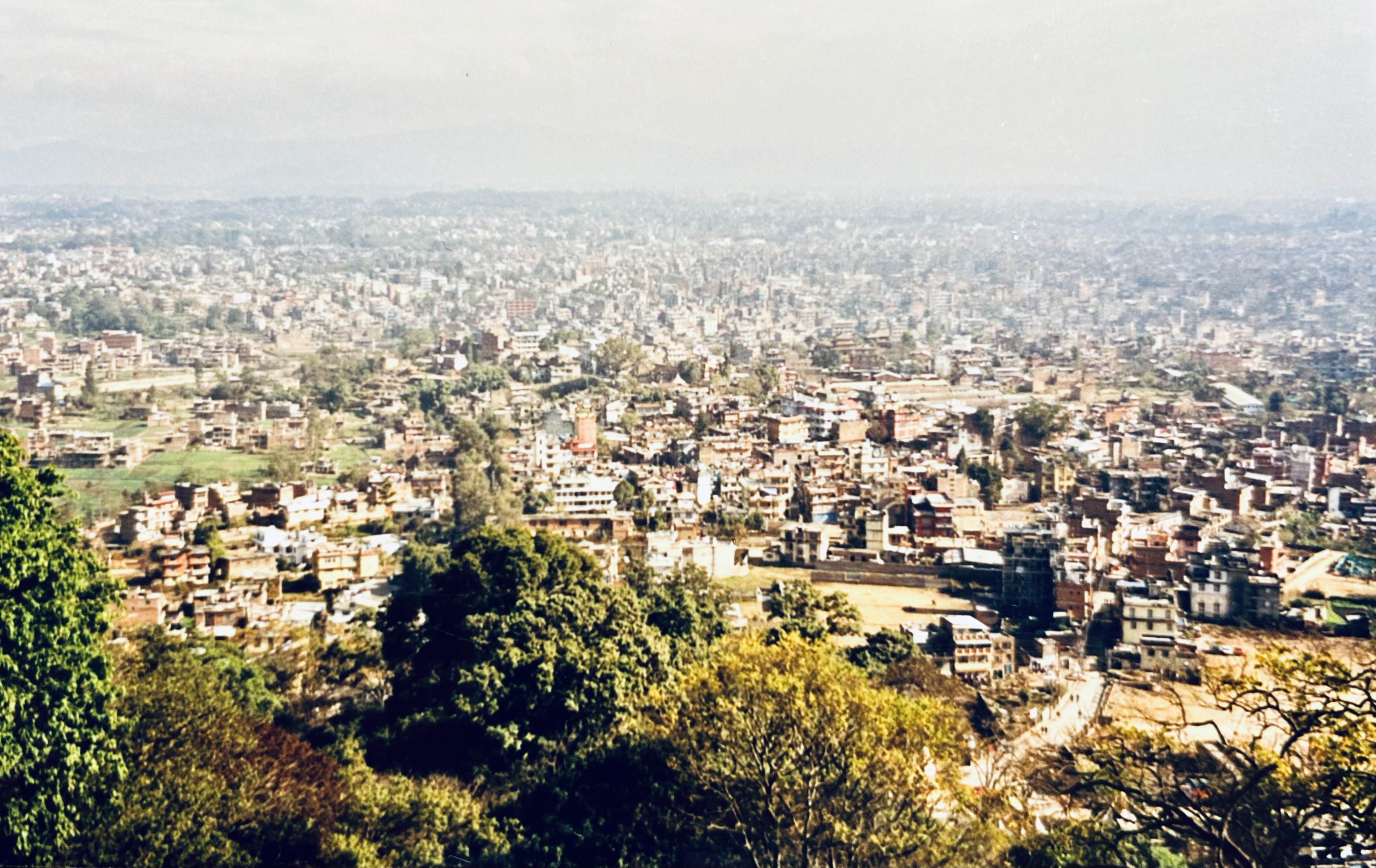
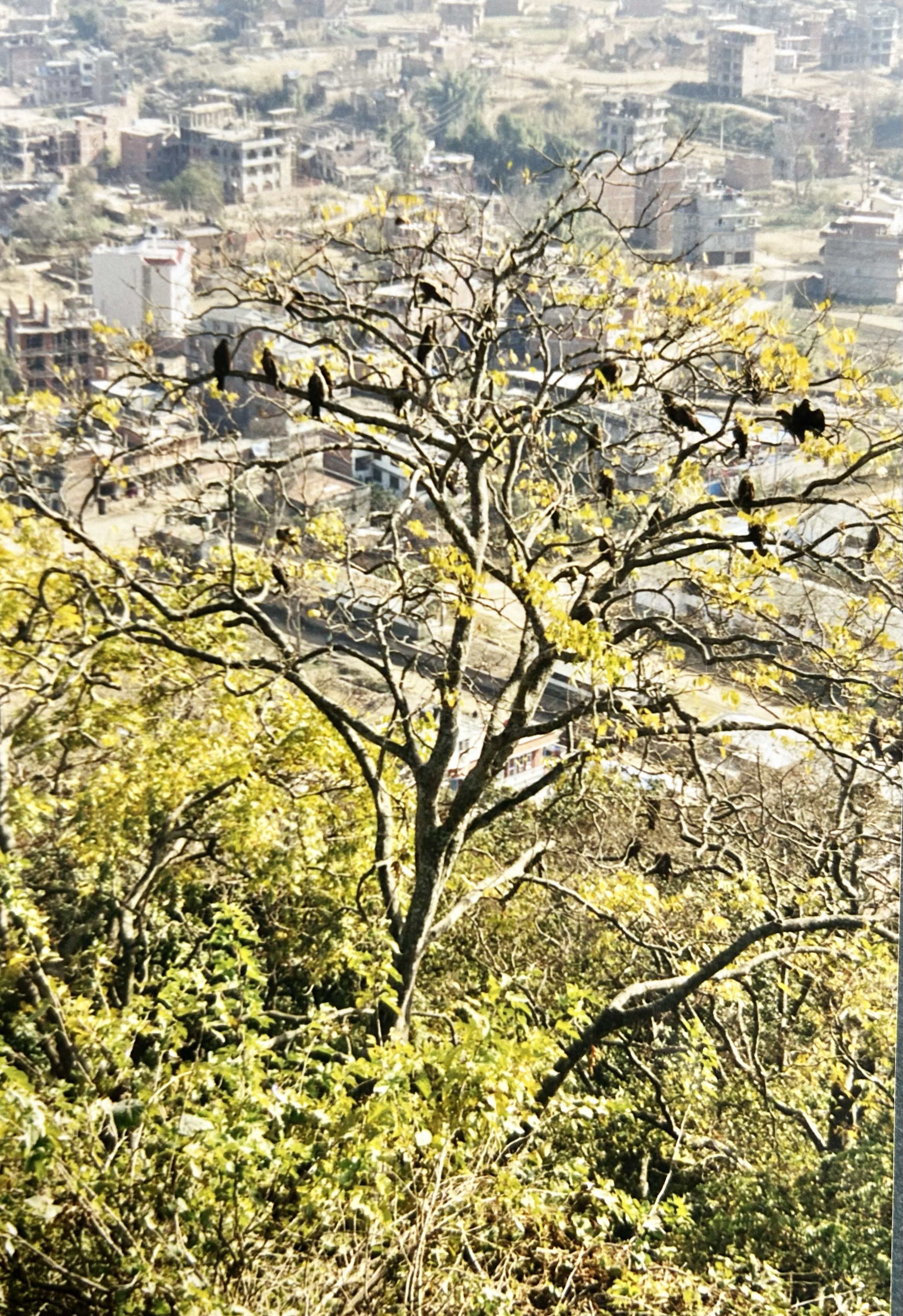

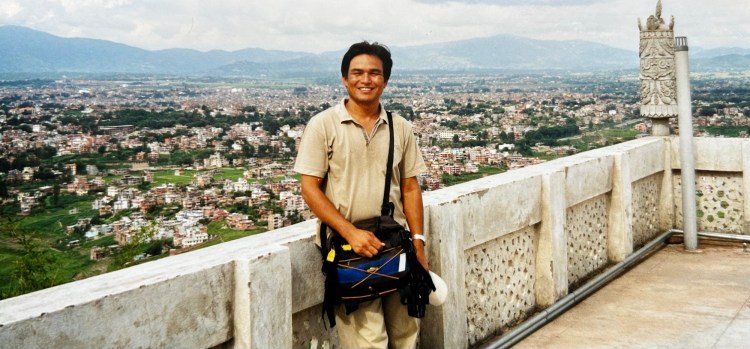
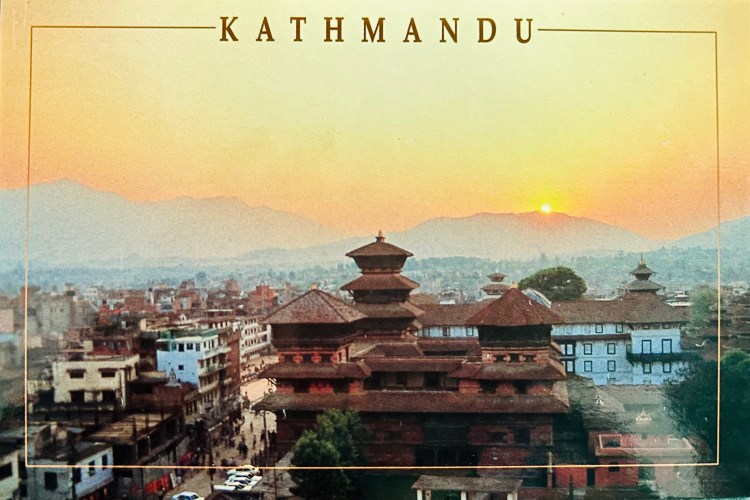
the city of Kathmandu as seen from the Monkey Temple
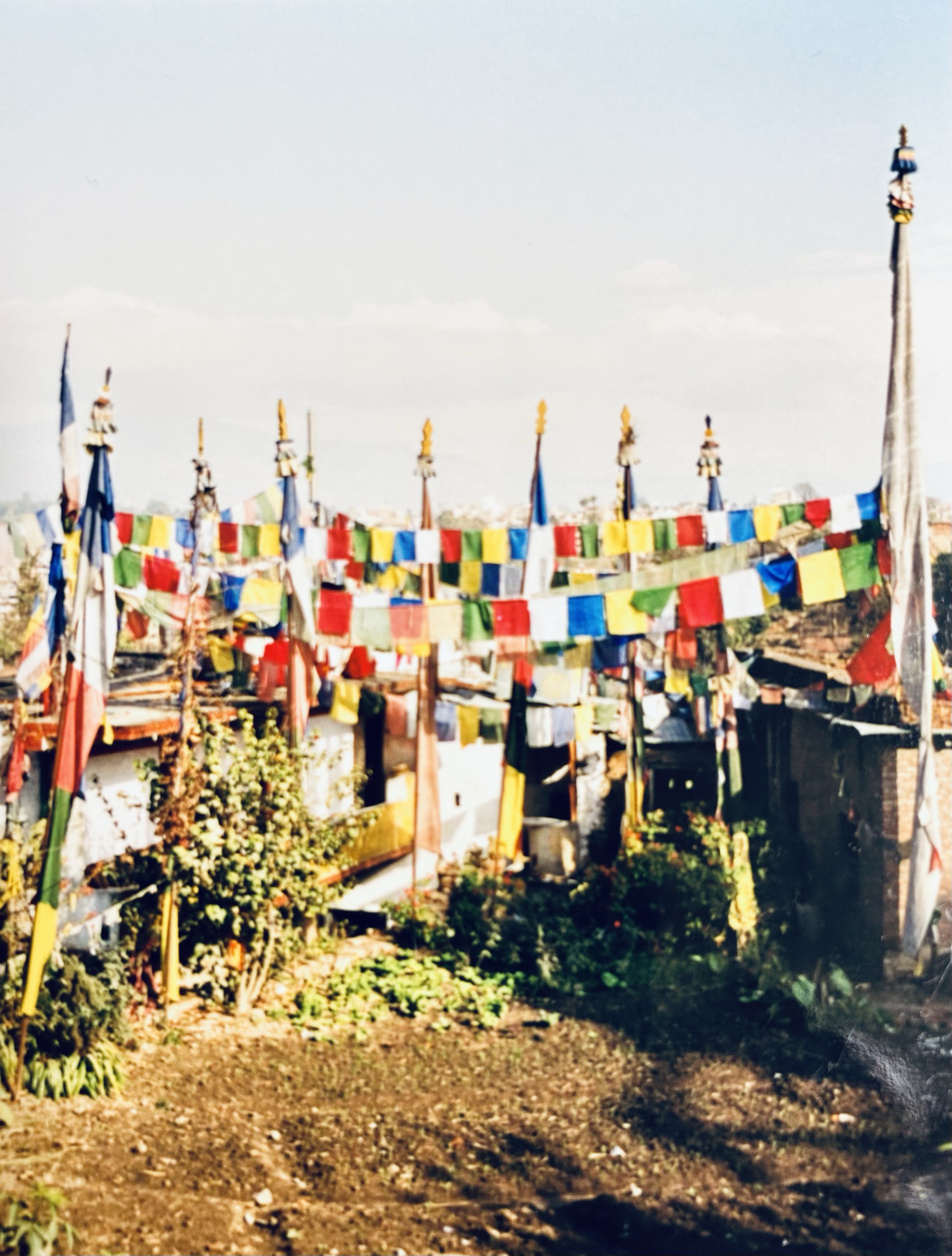
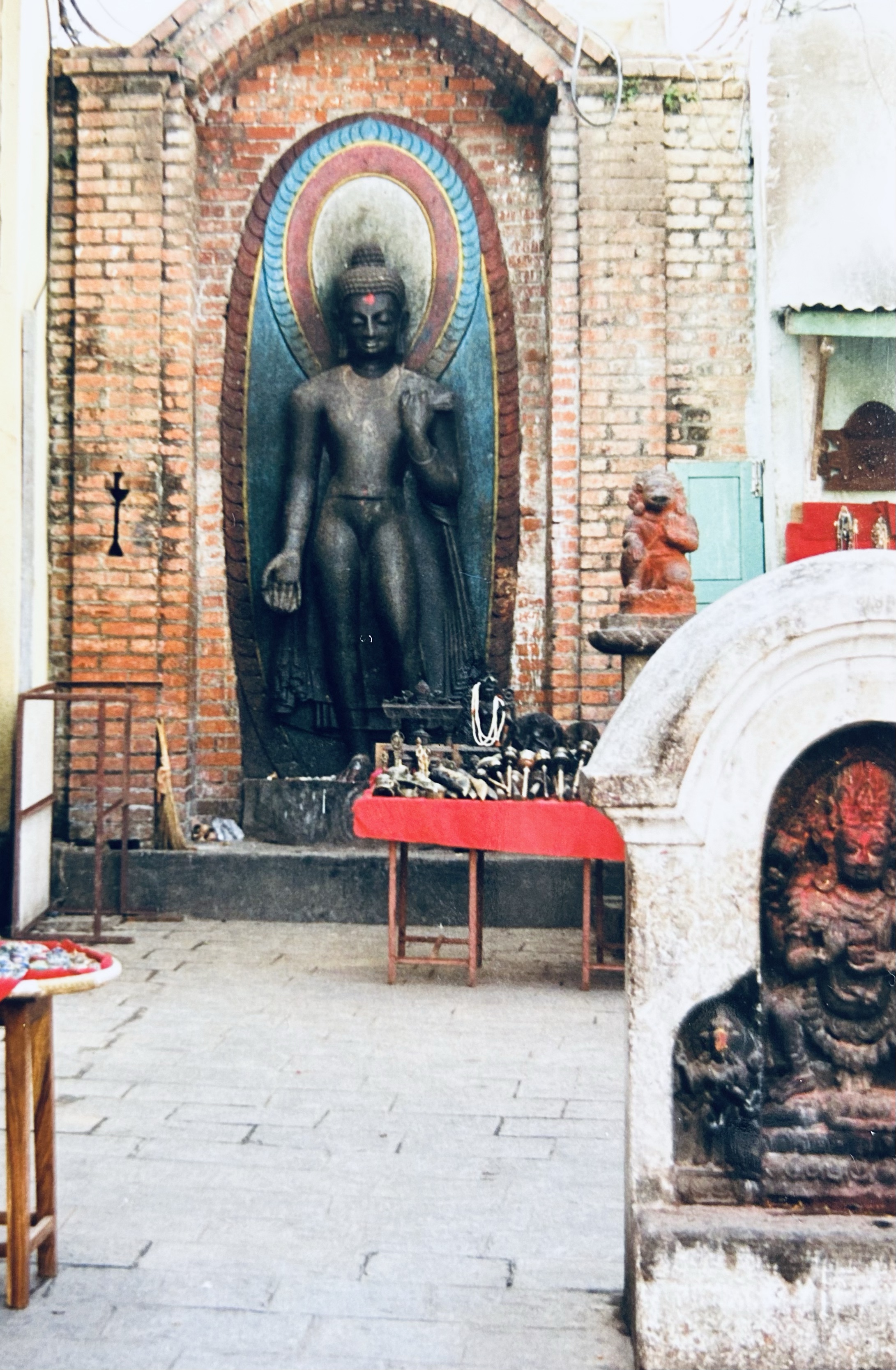
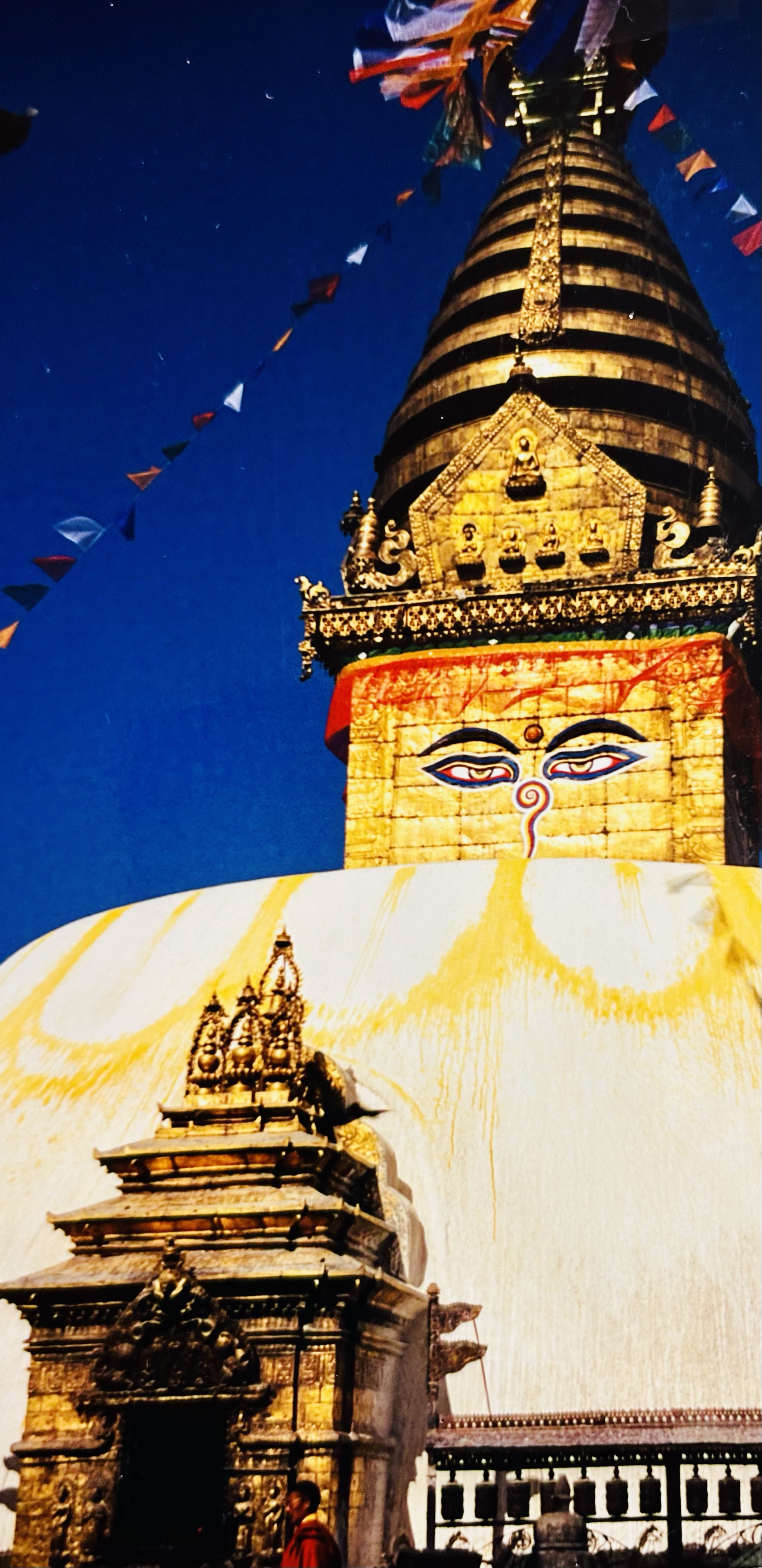
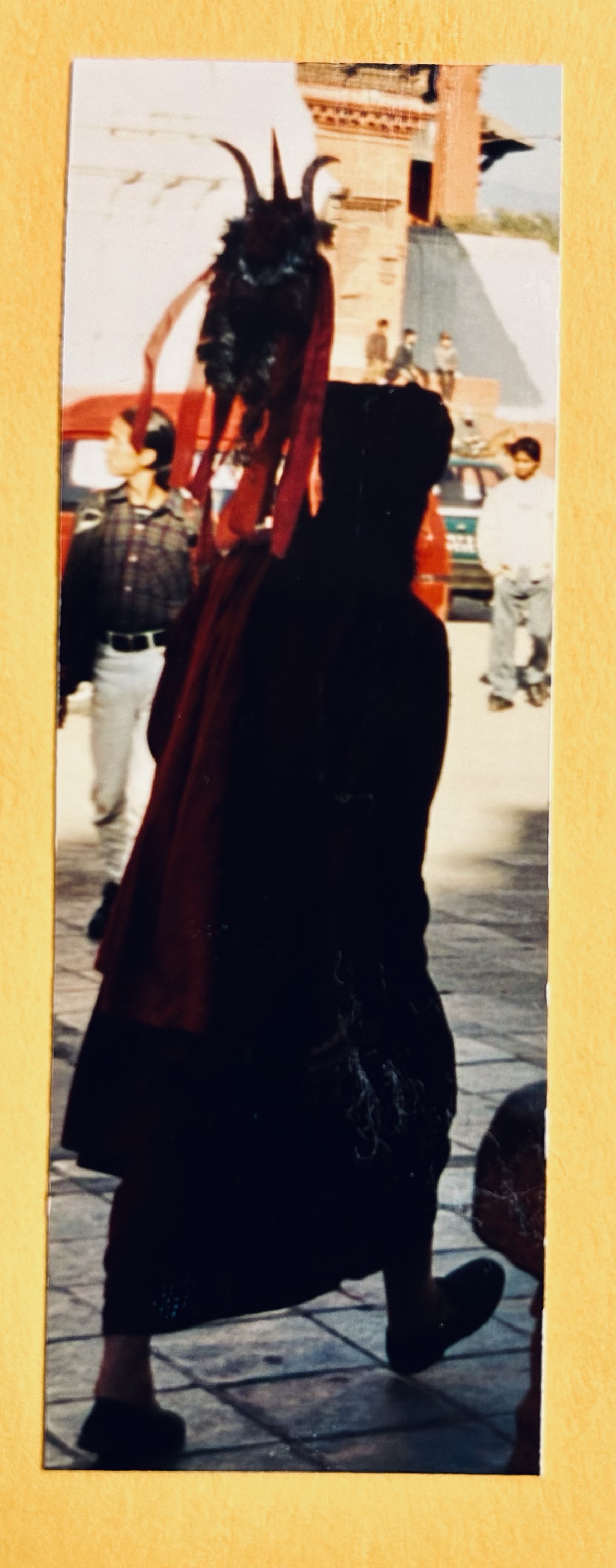
Later that afternoon we trekked to Swoyambhu Mahachaitya, the Monkey Temple, to prayer walk. Swoyambhu is on a hill in the city and from the base to the temple itself there are 328 steps; I know because I counted every single step. Somewhere I read that it is called the monkey temple because when a Buddhist deity visited, his head lice fell to the ground and turned into monkeys. (Monkeys are considered holy to Tibetan Buddhists and to Hindus.) Allegedly it is those head lice turned monkeys’ descendants that currently populate the temple area. The primates aren’t vicious but one must take care because many have been trained to steal the bags of temple visitors. Inside the temple area is a Hindu shrine to the goddess who is credited with stoping a smallpox epidemic. As we stood and watched a Hindu priest burning incense and making sacrifices before the idol, I thought how strange to have a Hindu shrine to a Hindu goddess inside a Buddhist temple complex. I have since learned that it is not that unusual; the two religions sometimes intermix since Buddhism proceeded from Hinduism. When several of us had finished praying we gathered into a group and waited for the others. A monk came over and stood by us chanting loudly. When we realized that he was chanting over us Levi tried to get him to leave but he would not budge. So we began singing worship choruses however the monk did not stop chanting until we left.


The first day of 2001 as well as the first day of the banda, though impromptu, was a full and incredible day. That night however Abbie was very sick, vomiting with 104 degree (40 C) fever. We prayed for her as we went to bed that night and fell asleep wondering what day two of the banda would hold.




 Coffee, Tea, and Reverie