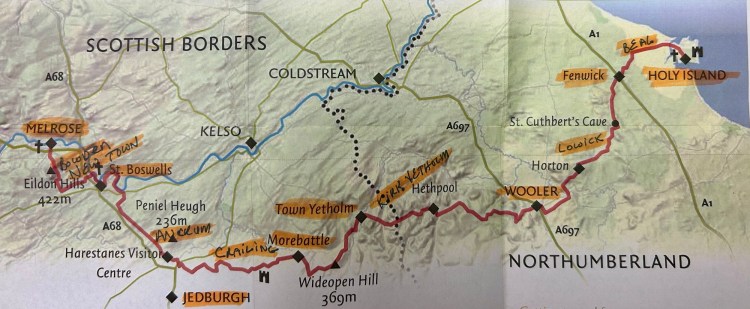
St. Cuthbert’s Way, Day 3, Jedburgh to Morebattle
Facing us upon waking was the decision about how to plan the day ahead and the next segment of the pilgrimage. Although I felt much stronger I was feeling dread, like a foreboding, at the thought of trekking again. I was certain that my sister wanted to walk and not wanting to ruin her trip I didn’t express that out loud. I felt certain she sensed my reticence; she did not. We studied the map and it appeared that the trail ran by a highway three or four times including passing by a couple of villages. Finally after much pondering she said, “I think that since we will have some ‘tap out’ points we should give it a try.” I swallowed my fear and said, “Okay, let’s do it.” (Was my voice quivering I wondered.) We quickly dressed and headed down to breakfast. Neither of us wanted to eat so early but knew we would need strength for the day ahead. The previous morning I literally choked food down my throat (I usually don’t eat till 10:00 am.) so as Julie asked for a Scottish breakfast (eggs, sausage, bacon, haggis, grilled tomato, beans, mushrooms, bread) I ordered porridge (oatmeal) thinking that would maybe slide down to my tummy easier and asked for two boiled eggs to pack.
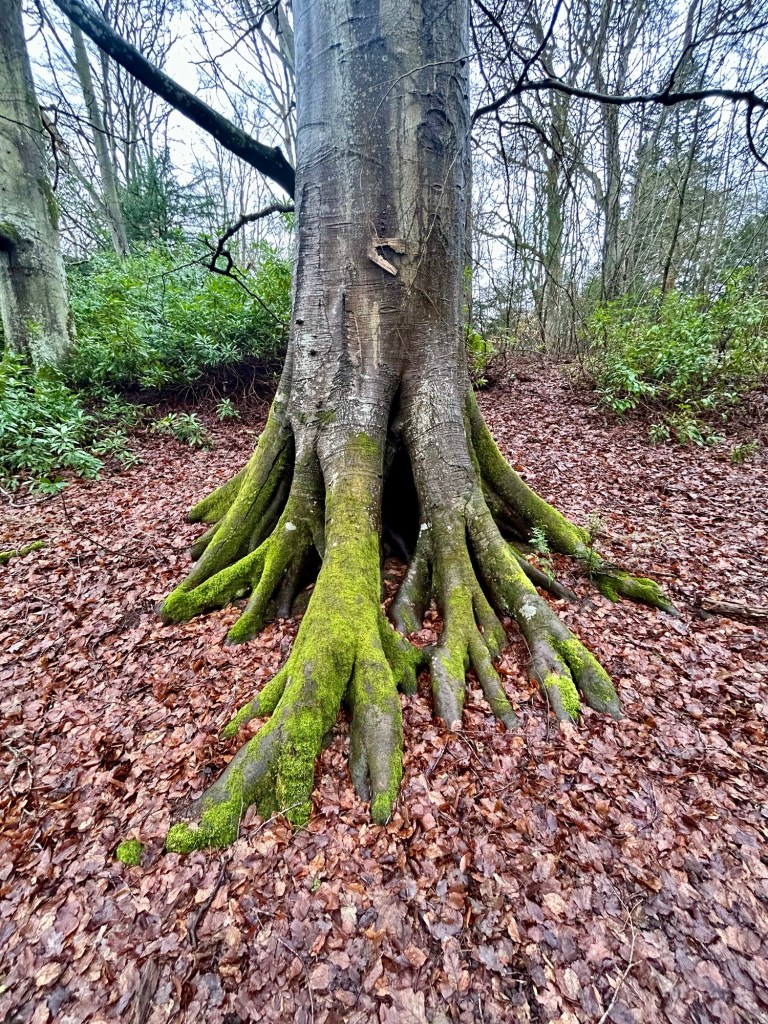
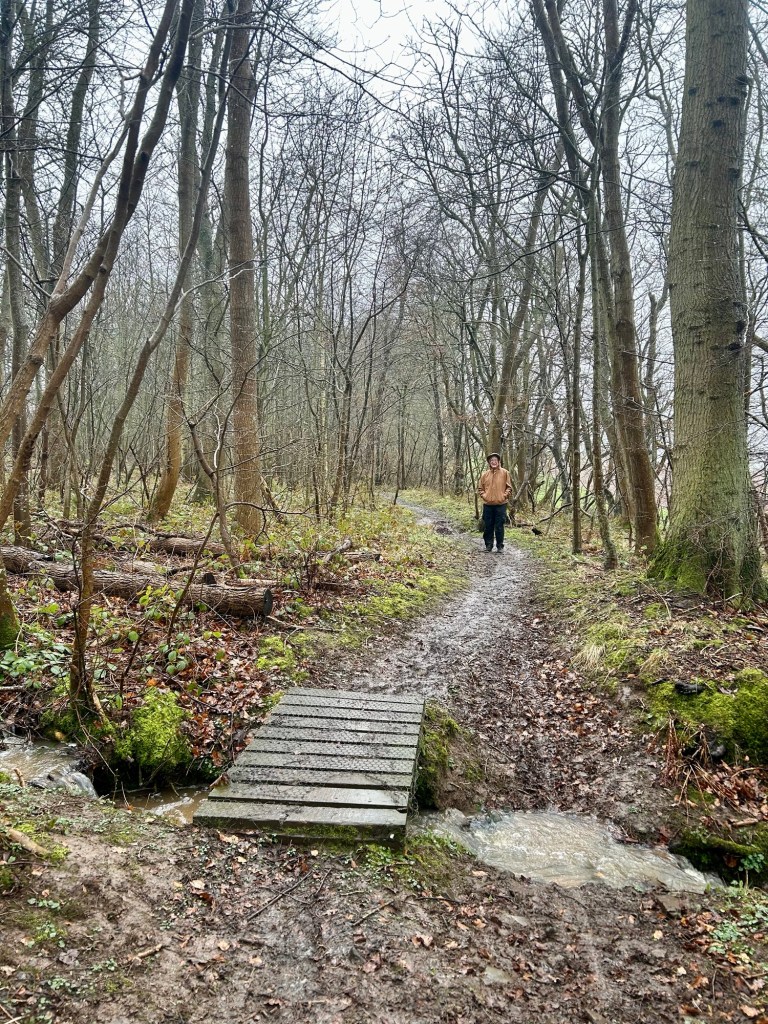
Calling a taxi to transport us the three miles back to St. Cuthbert’s Way we stepped outside to a seemingly perpetually cloudy sky, however rain wasn’t forecast till afternoon when a storm would cross our path. Evidently every Scottish taxi driver is incredibly friendly, encouraging, and helpful; this one offered tips for the day, dropped us off just past Harestanes, and pointing out where the trail crossed the road sent us off in the right direction with assurance that today would be an easy walk. He also shuttled our backpacks to our reserved hotel in Morebattle. We stepped into another incredibly gorgeous forest like on Day 1 with a gentle breeze brushing our skin and an avian orchestra welcoming us back. It felt like walking in a fairy tale, bright green moss and Tolkien-inspired humanoid trees included. I breathed in the woodsy air and felt that it was going to be a wonderfully marvelous day. Julie mentioned that today we would walk by the River Tweed and since we had missed it the previous day we were excited to see the river today.
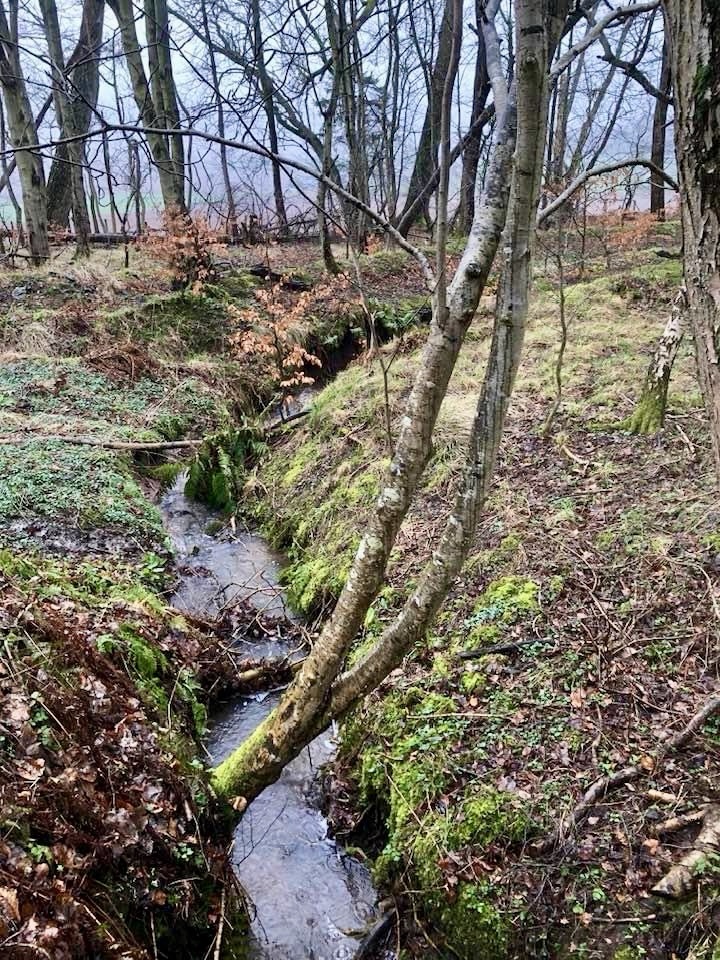
After trekking for a time we encountered a trail sign and stopped. It pointed right for St. Cuthbert’s Way but I was confused because that path had a couple of barriers (I realize now that they were to prevent motorized vehicles.). The sign pointed straight ahead for a river view just a few feet ahead. Excited to at last see the Tweed we hurried to the lookout point and stopped to take photos. Then, we headed left on a trail that emerged from the forest with the river on our right and fields still fallow from winter to our left. After some distance we found a fallen tree to sit on and take a rest. Julie told me a story she had read about Cuthbert that occurred in approximately that spot:
“There was a monastery there on the south side of the river and the monks used to cut wood from further upstream and float down with it on rafts. Cuthbert was standing watching them one day when suddenly a gale blew up and the rafts were being swept right past the monastery, out to sea. The monks on the south shore were horrified and put out a rescue boat. When that didn’t work, they began to pray desperately. On Cuthbert’s side meanwhile, a great crowd had gathered, jeering. He knew better than to argue with them. He appealed instead to common decency: wouldn’t it be more human, he asked, to pray for the poor wretches rather than glory in their distress? The crowd turned on him then. They hated the monks for their peculiar way of life and new-fangled ideas. ‘They have done away with the old ways of worship,’ they said, ‘and now nobody knows what to do.’ No one was going to pray for the likes of them. Cuthbert listened–something he would be good at in later years–then did the only thing that made sense to him: fell to his knees and bowed low. The wind veered and the rafts came safely to shore. Taken aback, and no doubt a little embarrassed at being shamed by someone so young, the Tyne-siders stopped jeering and regarded him with a new respect. Maybe God was behind this peculiar faith after all.” (St. Cuthbert’s Way: A Pilgrim’s Companion by Mary Low)
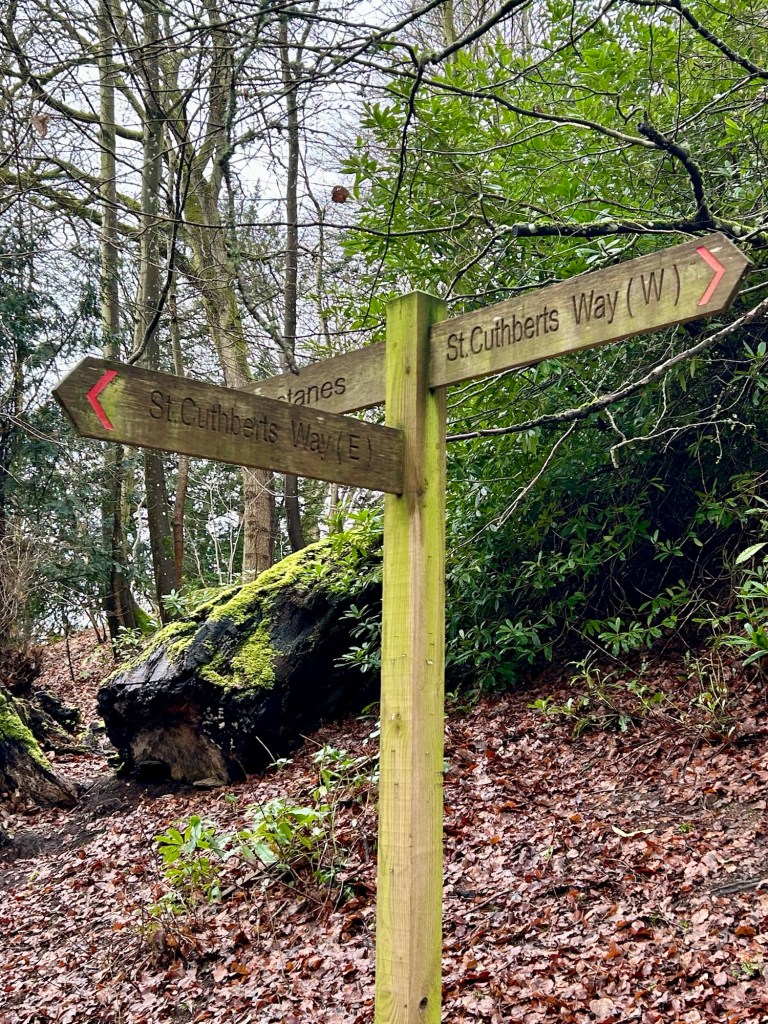

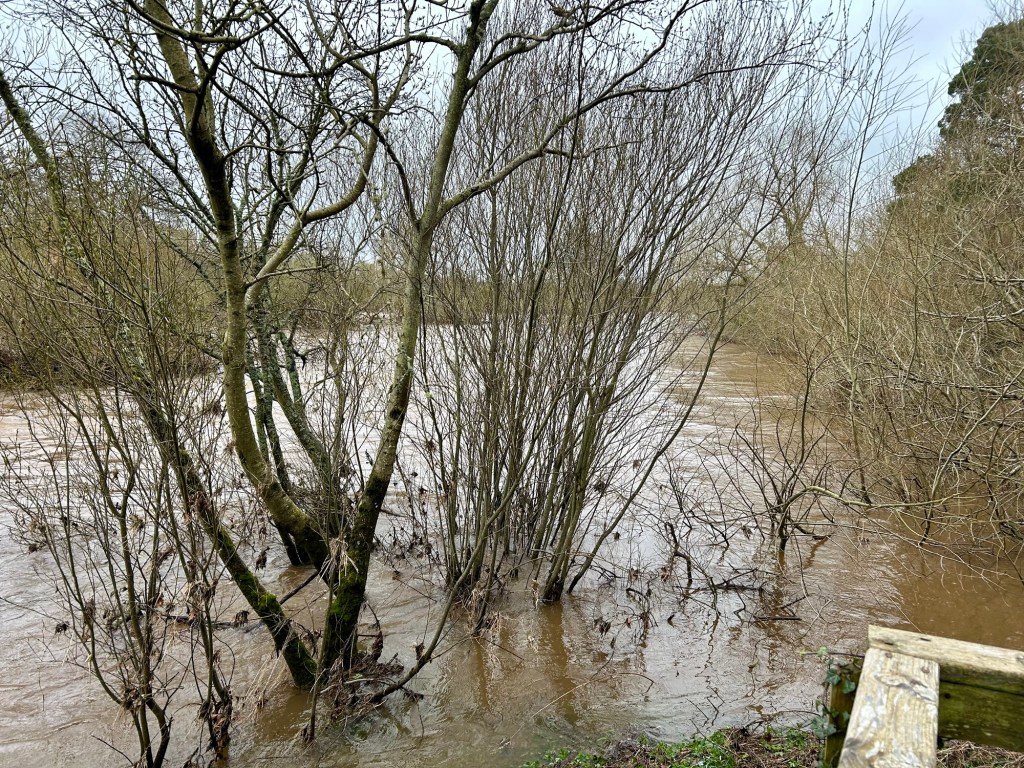
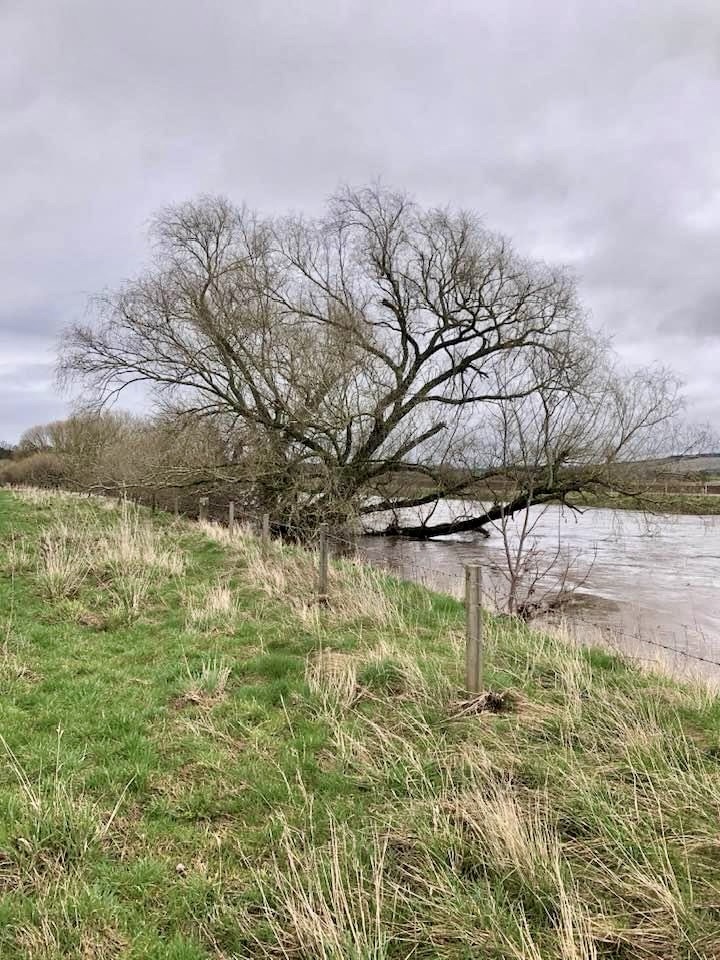
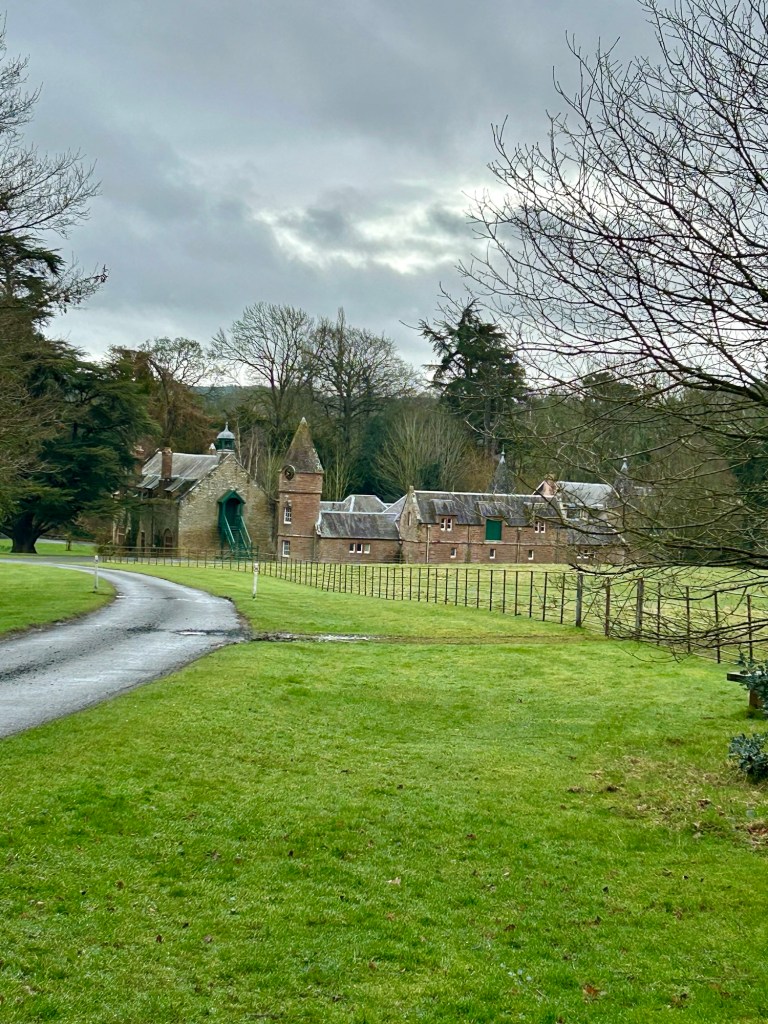
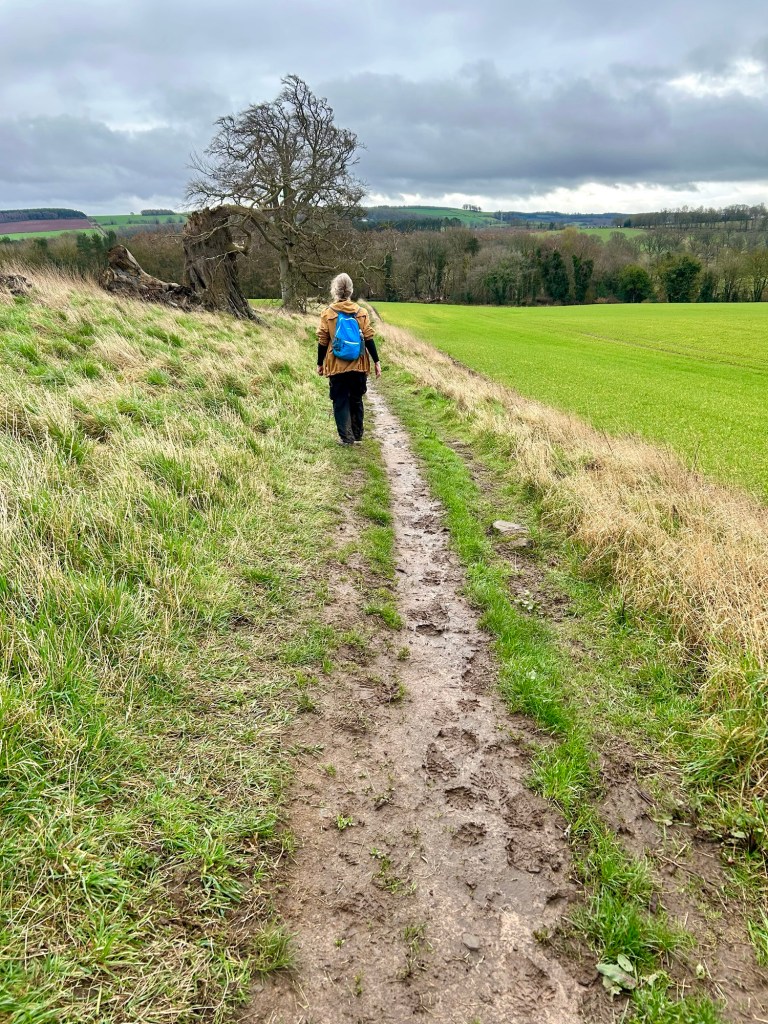
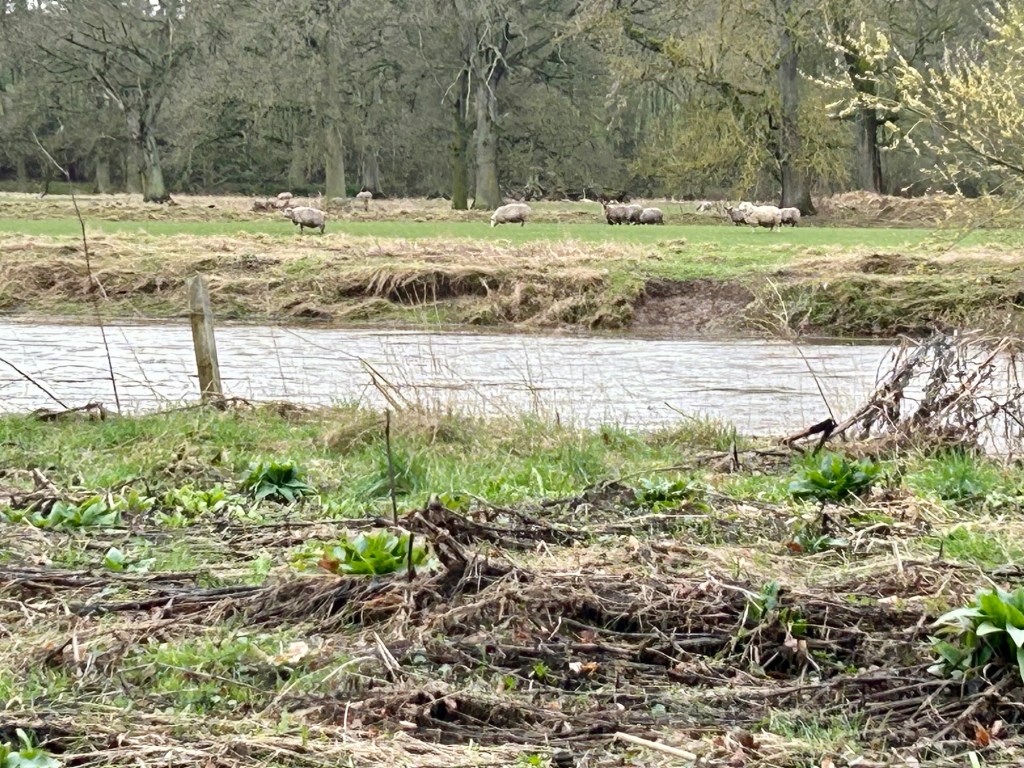
As we continued on our way we could hear voices and the barks of shepherding dogs from across the river. Julie said, “At some point we are supposed to cross the river to get to Dere Street. (Dere Street was a Roman military road built between AD 79 and 83 by order of the imperial governor who had conquered northern England. St. Cuthbert’s Way runs along the route of Dere Street for a few miles.) She then checked her hiking app and said that we were going in the wrong direction. “What..again!” I was thinking. So as the wind was picking up, a light rain was starting, and I was feeling blisters forming on the toes of my left foot we began retracing our steps. I saw a woman and her children across the river and shouted to her, “Where can we cross the river?” She replied, “A mile that direction.” Finally reaching the signpost we had previously passed we turned onto the correct path and I sat down on a huge log to tend to my stinging toes. After covering each of the five toes with a generous layer of duct tape we headed off, this time in the correct direction.

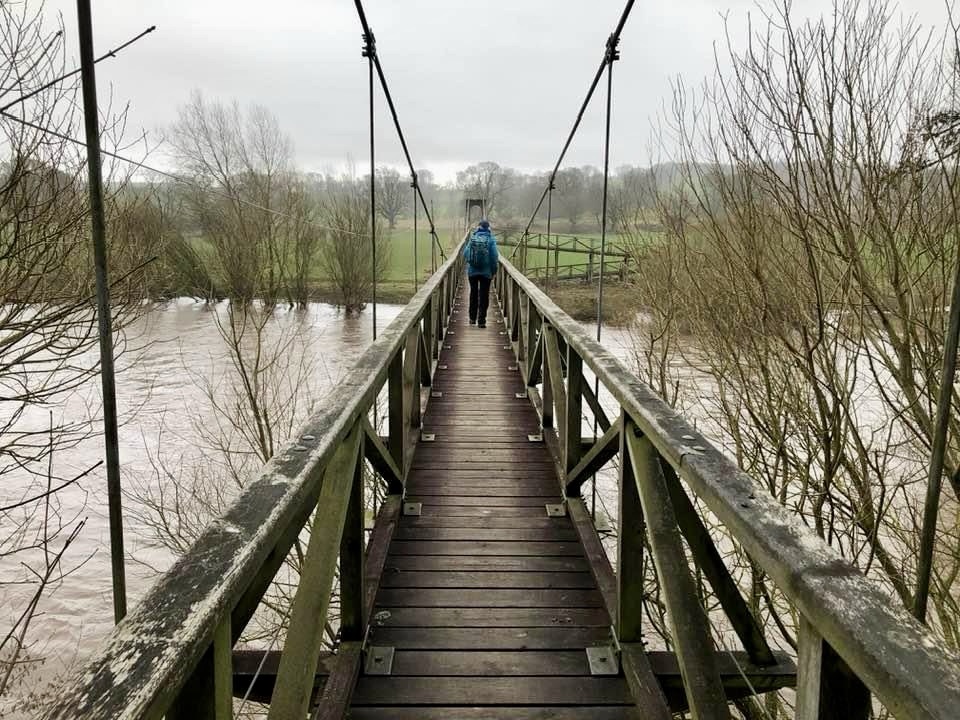
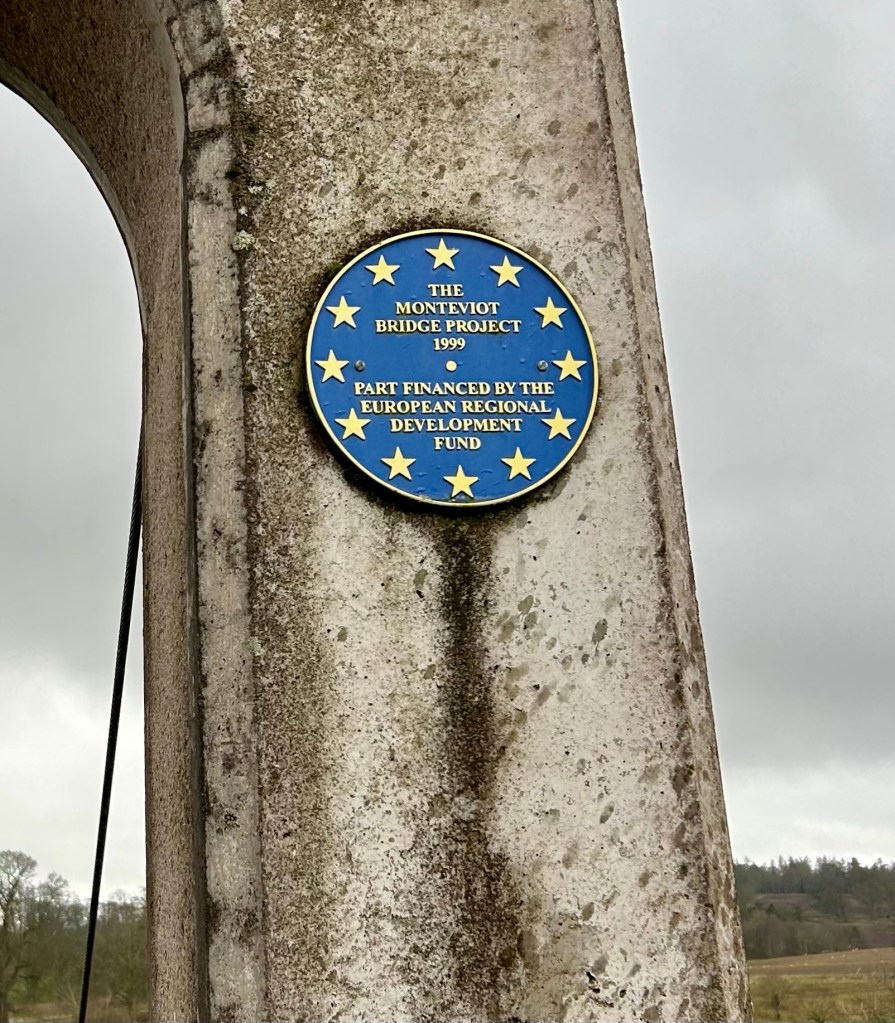
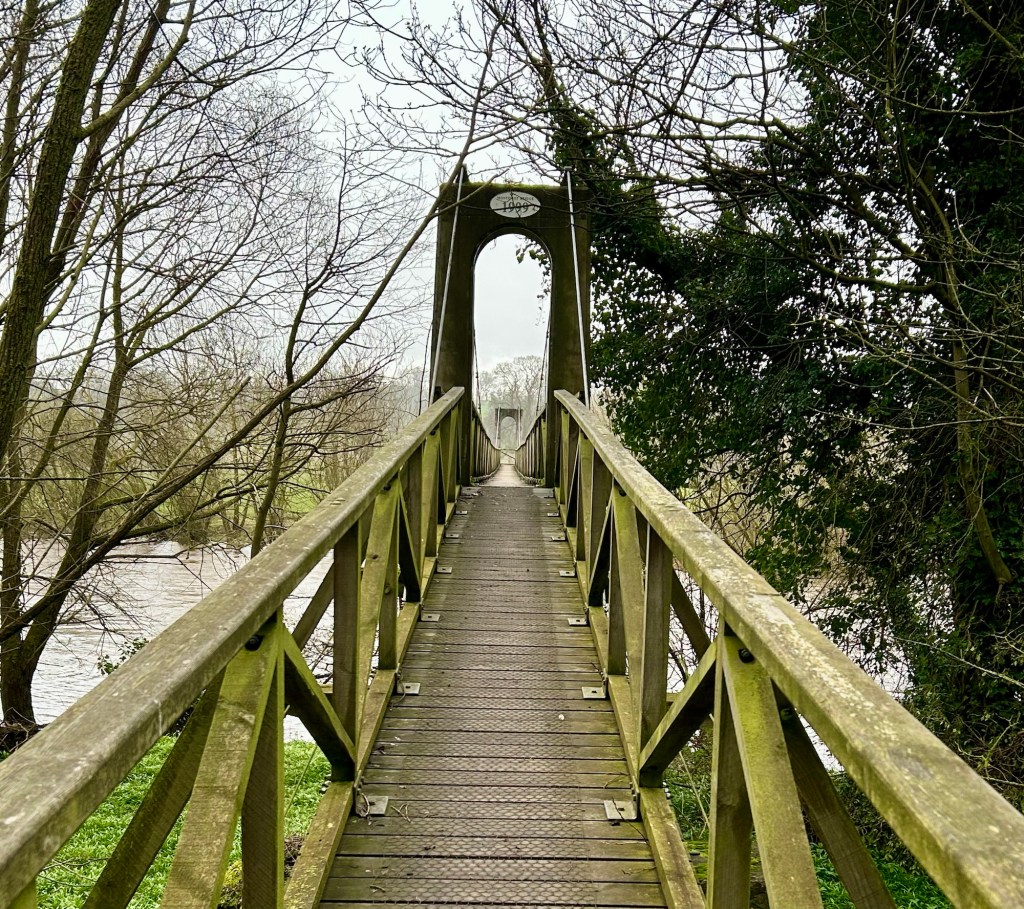
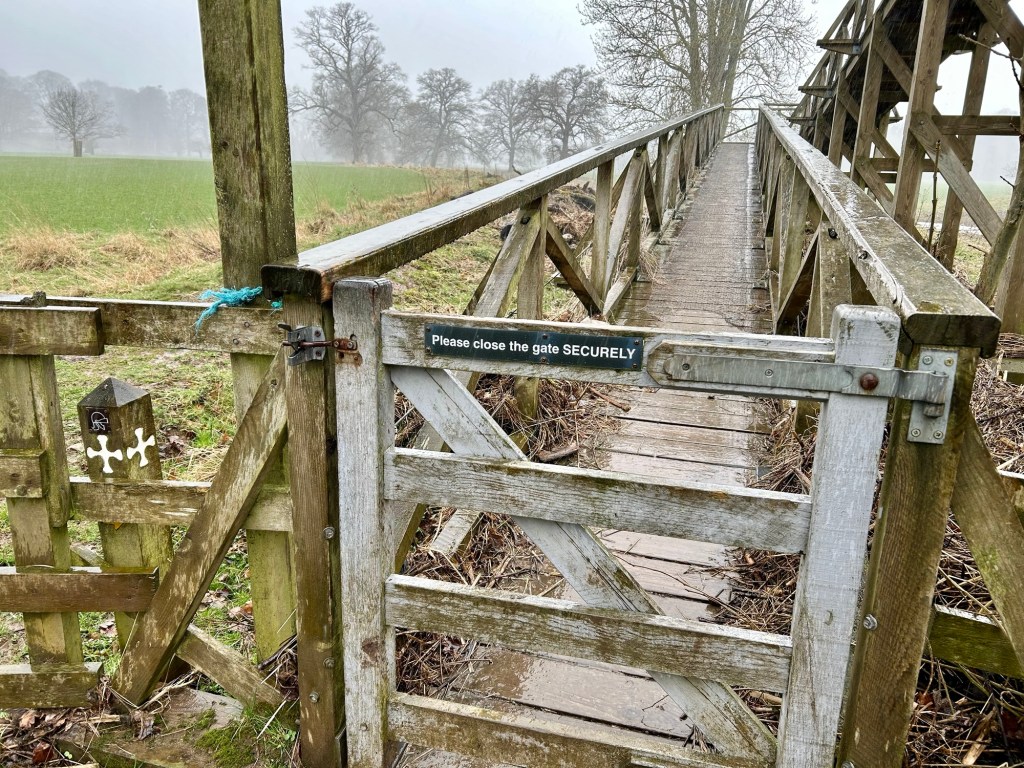
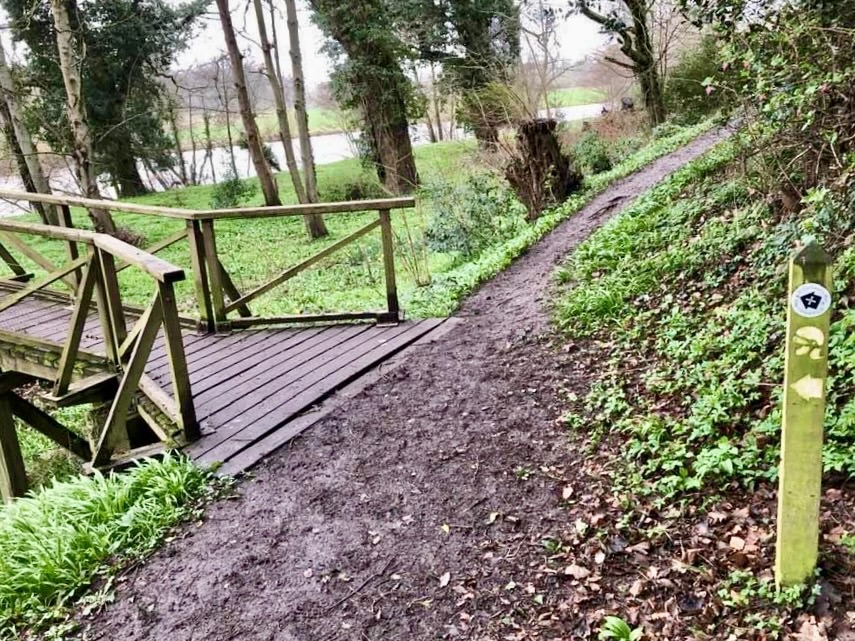
Soon we came to the surprisingly elaborate bridge. A brutal wind was blowing down the river and the rain was pummeling us so Julie pulled out her rain poncho and asked me to help her get it snapped. I was hindered by the raging wind so said let’s cross the bridge and I would help her on the other side. When I had crossed I looked back and she was still in the middle adjusting the poncho.
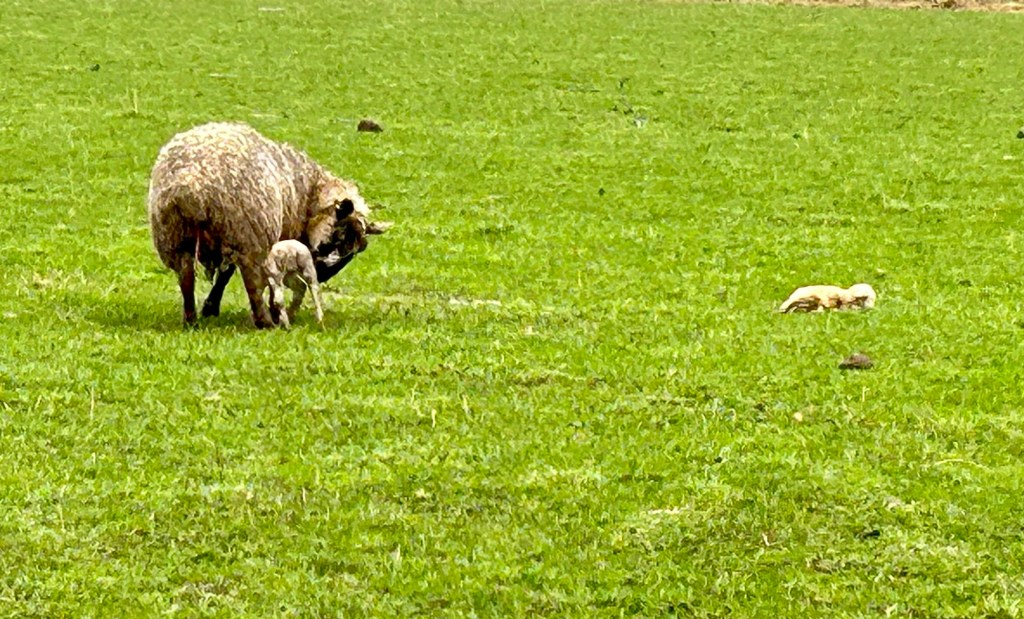
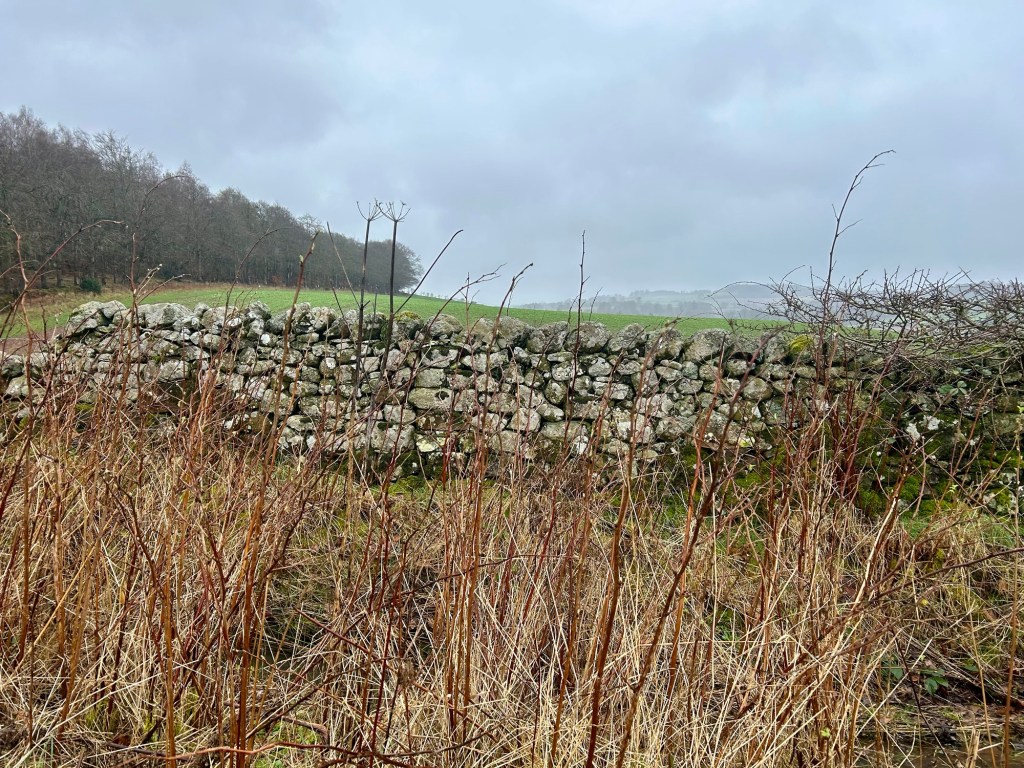
Our trek then was on the opposite side of the Tweed and we kept watching across the way for the landmarks we had passed twice already. The walk through the sheep meadow was exhilaratingly beautiful. There were quite a few sheep still out even though the storm was approaching early and the wind was frigid, and we were delighted as we passed fairly close to a ewe which had just given birth to twin lambs. After the sheep pasture we walked through a treed space and then before us was an old, stone bridge and the highway. I sat on the highway guardrail and threw my left leg over. But I could not pick up my right foot at all; evidently I had injured something in my lower back or hip when I fell on Day 1. I reached my hand out to Julie and told her that I could not lift my leg, that I needed her to pick up my foot and put it over the guardrail. Once onto the shoulder of the road Julie suggested we follow the highway to a village. The thought of walking along the busy highway was disconcerting. I looked at my map and saw that Crailing was the next village and St. Cuthbert’s Way passes by it, so said, no, let’s just stay on course. So we crossed the road and headed off on a trail through more pasture land.

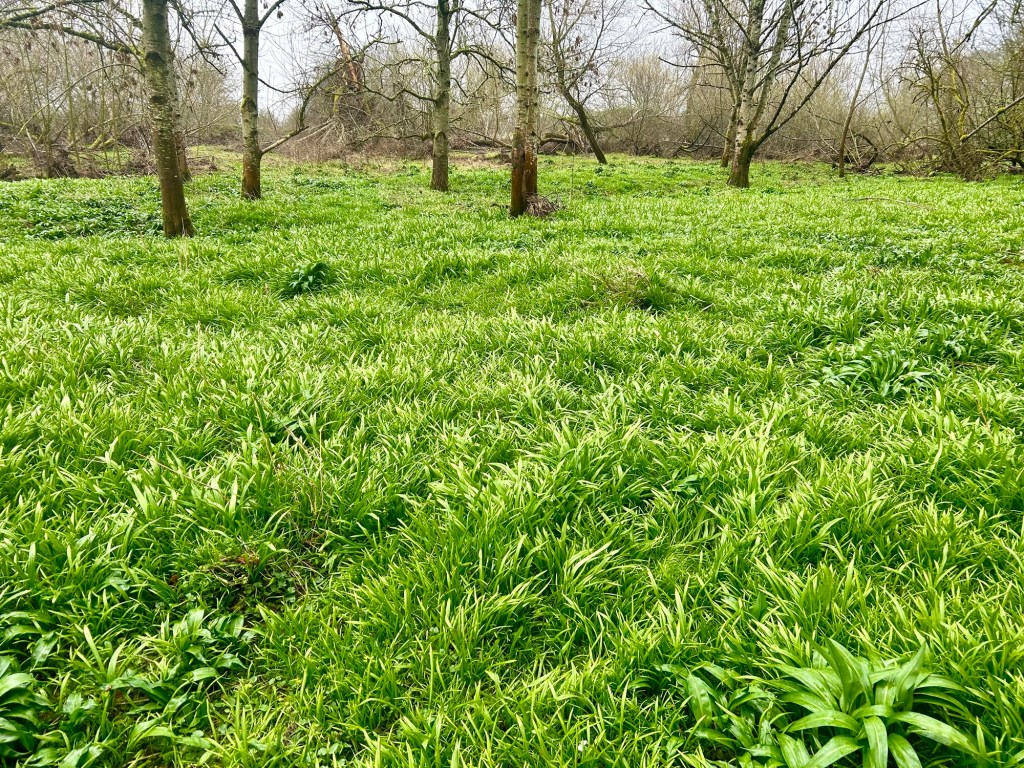

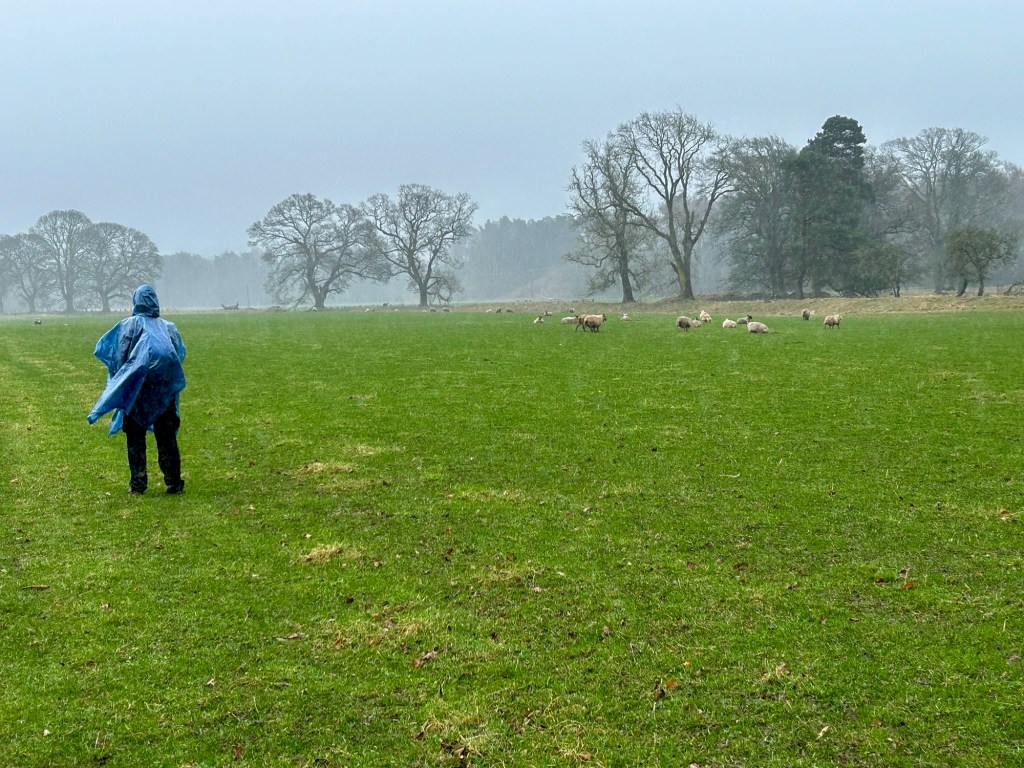

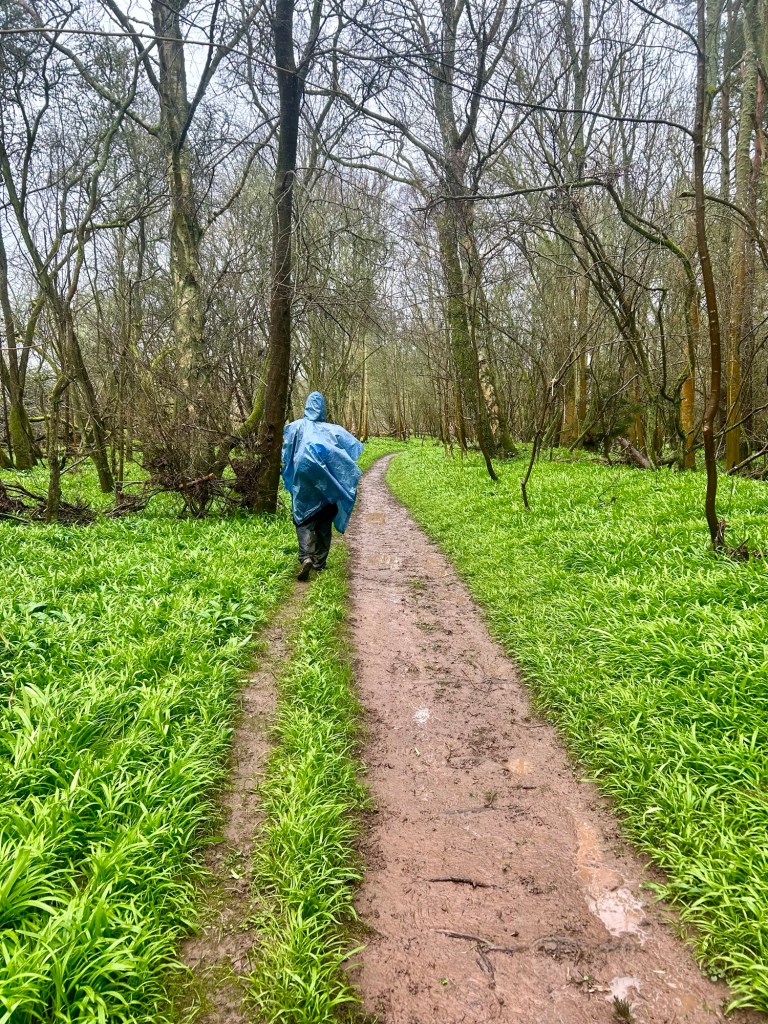
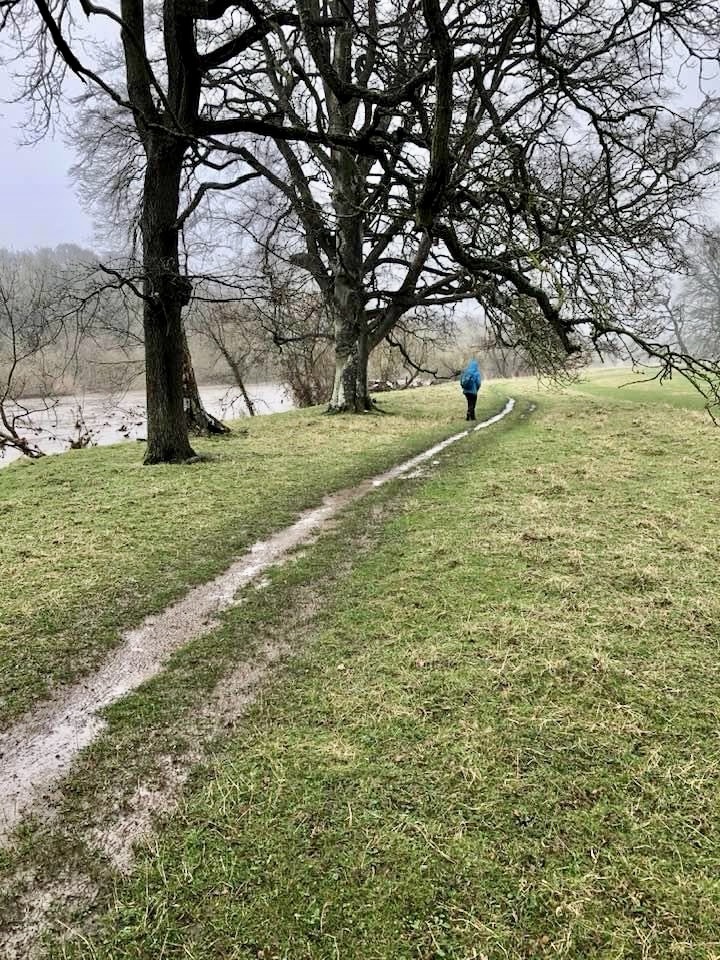
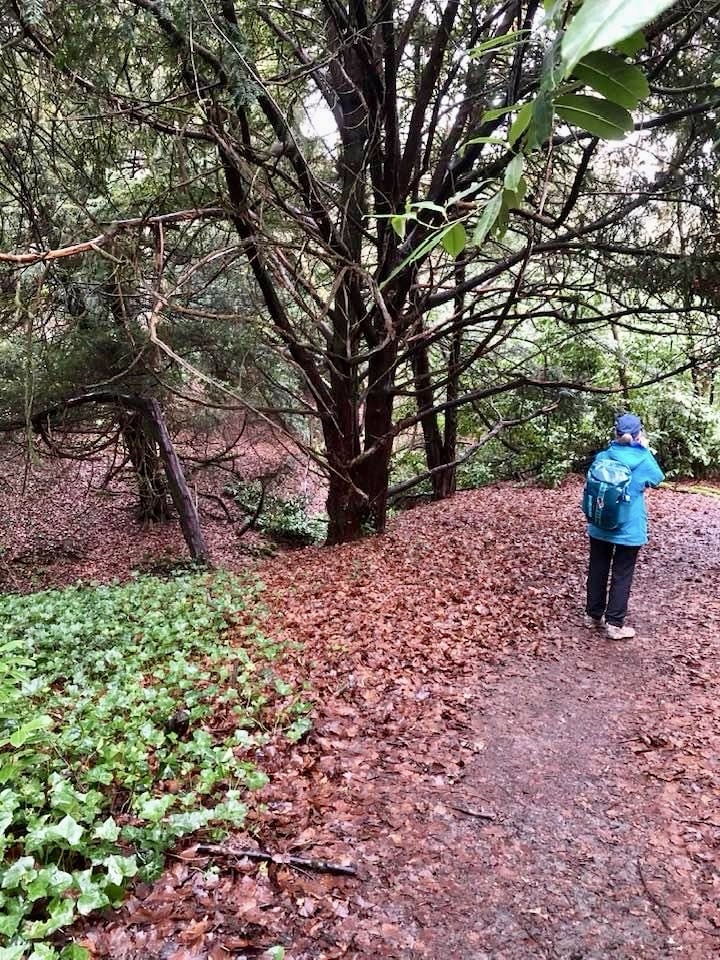
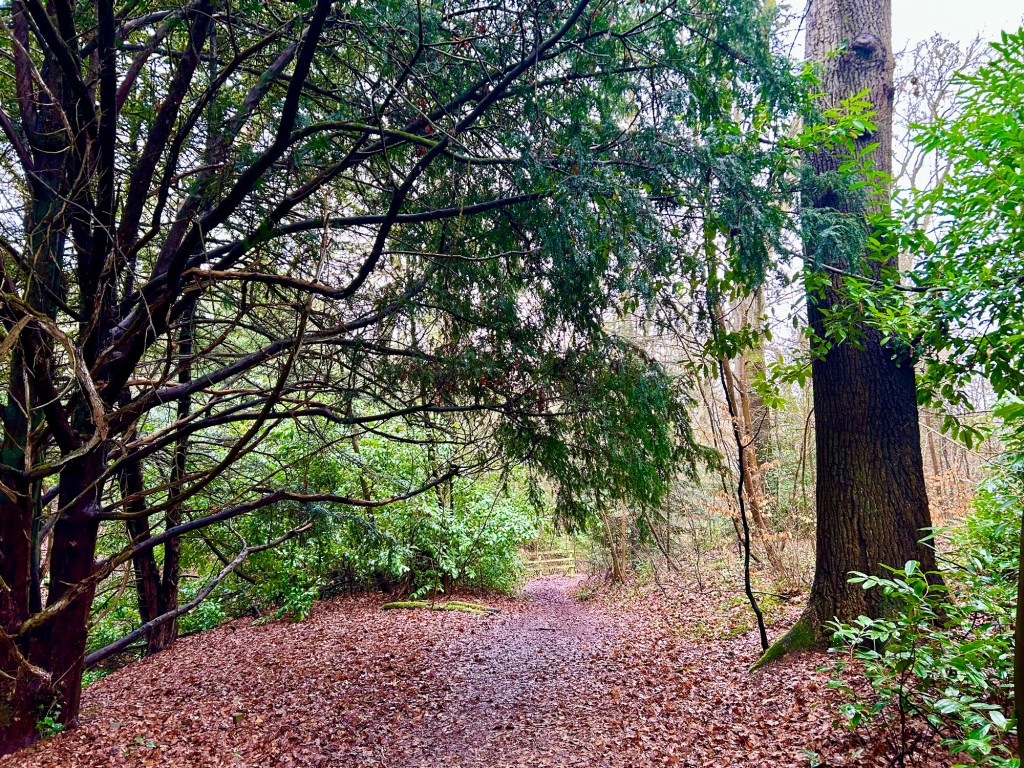
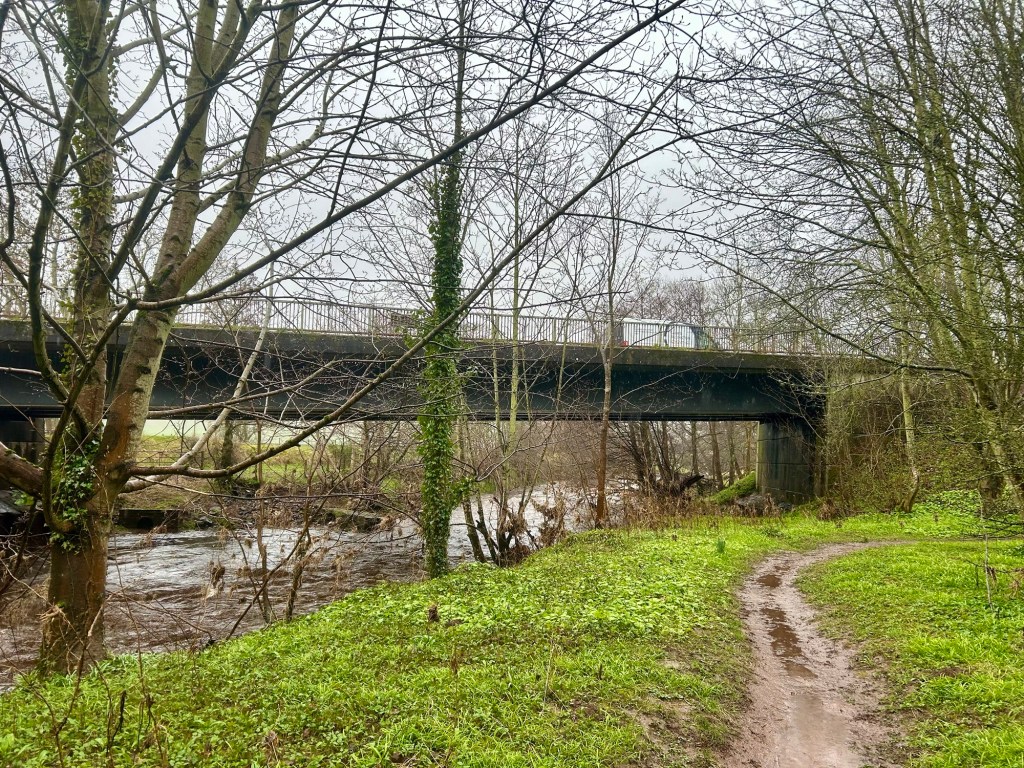
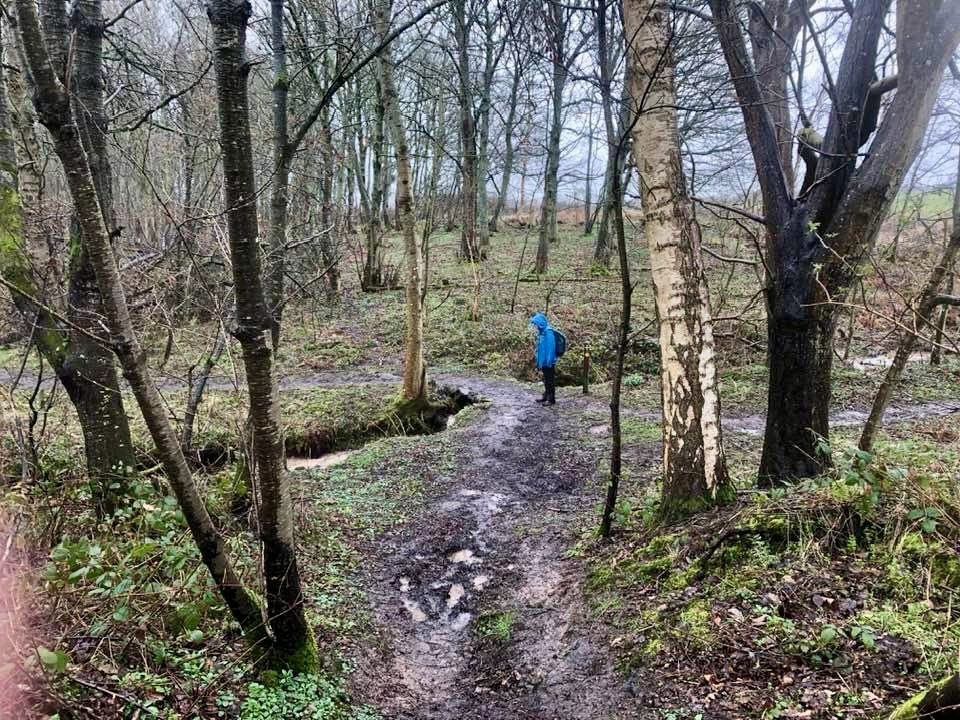
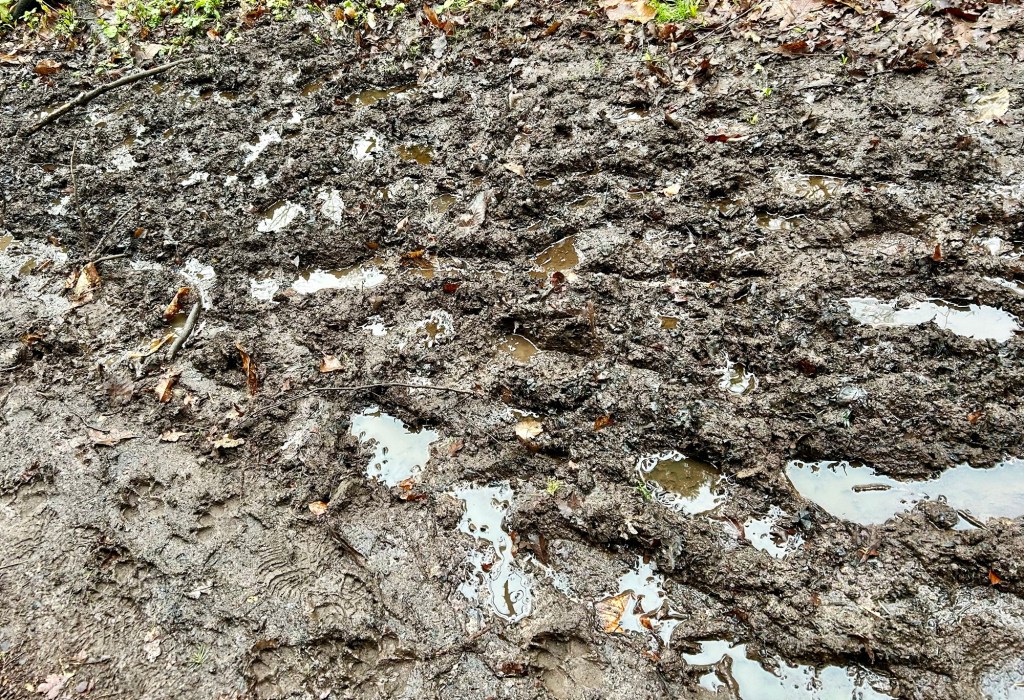
My lower back was increasingly giving me discomfort. It was raining and muddy and there was no place to sit but I needed to take some pain medication. So standing on the muddy, rutted trail I pulled out the boiled eggs that I had packed, gobbled down one, and swallowed the ibuprofen. It did nothing. The pain kept increasing. We passed a trail sign that read “In case of emergency call Mountain Rescue at 999.” As I was mentally noting the number, Julie pointed the sign out to me. I learned later that she was thinking we were going to have to call that number. I had the same thought but prayed that wouldn’t be necessary.
As we entered a wooded area the storm was upon us. A strong, frigid wind was against us and I realized that the hoodie I was wearing under my outer coat was soaked, making the wind seem even colder. We pushed on believing that we must be approaching Crailing. Suddenly two pilgrims overtook us, the first we had encountered on our journey. One was celebrating his seventieth birthday by walking the route, a different segment daily, with rotating family members accompanying him. Today he was with his son. Tomorrow his wife would accompany him to Morebattle. I asked if he knew how much further to Morebattle and he said five to seven miles and that they had a B&B in Crailing, one kilometer away. I said that was where we were trying to reach since I was not able to walk father and asked if it would be possible to get a taxi there. They said no but that a bus stop was on the highway, however they didn’t know if the busses were running in offseason. We thanked them and as they headed off we quickened our pace to try to keep them in sight. After a few minutes the son turned back and told us to stay with them and from Crailing he would drive us to Morebattle. I thanked him profusely and sent even more profuse gratitude to God for sending us Good Samaritans when I was most in need.
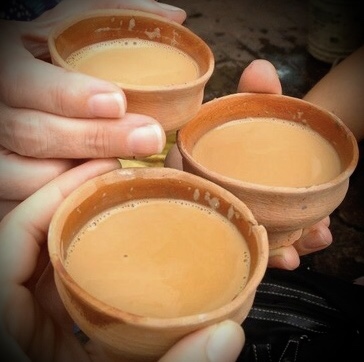
Arriving at Templehall Hotel in Morebattle at about 2:45 we found the doors locked. Check in wasn’t until 4:00. I was cold and knew that I needed to get out of the weather quickly. A look around the area and a glance at my Maps app confirmed that the village was very small. Desperate, I headed up the street to find a warm place but Julie quickly called me back; the innkeeper had just driven up. And I thanked God for yet another miracle. The wonderfully hospitable innkeeper welcomed us inside, showed us where we could hang our wet clothing and turned up the heat. Seeing that I was shivering she prepared a soul-warming pot of hot tea, and then took our dinner and breakfast orders.
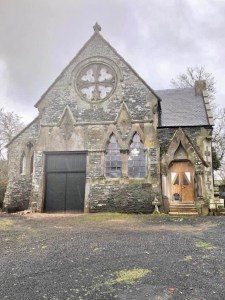
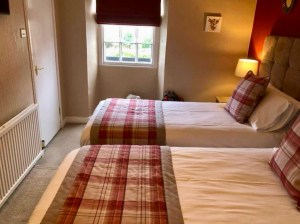
Sufficiently warmed inside and out we were shown to our room where the task of drying everything including the inside of my daypack began. Radiators, evidently the heating system of choice in rural Scotland, we quickly discovered make efficient clothes dryers. In addition to a radiator, almost all of our rooms in Scottish Borders were equipped with heated drying racks like the ones you find in ski resorts. Every item had a turn in rotation until morning when all our gear was dry and ready for a new adventure.
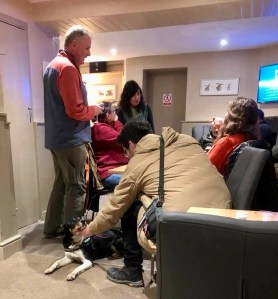
As the sun was setting we went down for dinner. Julie had ordered the traditional fish and chips which she declared amazing. Here began our ongoing discussion on why Scottish potatoes taste so much better than American potatoes. My response was, “probably because they’re local” not because I knew that but because I have a need to fill in the blanks. Weirdly, I had ordered a hamburger with no bun. Perhaps it was a need for comfort food thing. When it arrived I was extremely surprised with the delectable flavor of the beef. I have never had anything quite like it. Hence now the discussion began on why Scottish beef was so delicious..my presumption being..perhaps because it is local. Another option might be because coos meat (Scottish Highland coos are the oldest cattle breed in the world, and, in my opinion, strongly resemble Tibetan yaks in appearance.) is just simply of superior quality. I don’t know. As it was a Friday night the dining room/pub soon filled with locals laughing and sharing their tales from the week past and a sheepdog who drew the doting attention of the entire crowd, but especially of my canine-loving sister. It was an evening of sensing the love and camaraderie of friends and neighbors just enjoying their lives and their community.
Symbolism
The pilgrimage, for me, was an allegory of my life. I will tell the story of each day’s trek and following each daily description I will share the particular symbolisms and their meanings as God has shown me for the events and places of that day.
- The beautiful forest at the start of the day symbolizes the incredible experiences during my time in Nikiski. Many, many close and supportive friends and coworkers, major growth in my spiritual life and in ministry, a phenomenal move of the Holy Spirit in our region that impacted a number of churches as well as ours, seeing salvations and healings and lives restored, all that made it a productive time in the community as well as in me. All this and more, especially seeing my three children grow into adulthood and my becoming a grandmother, are some of the many things that I loved about those years. During this time God filled me to overflowing with dreams and plans and hope and gave me tools for accomplishing my part in His work in the Kingdom. For the first time I finally knew “what I wanted to be when I grew up” and it was to do exactly I was doing.
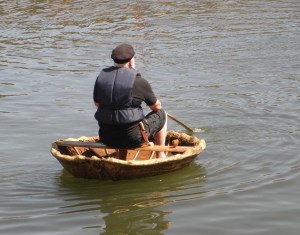
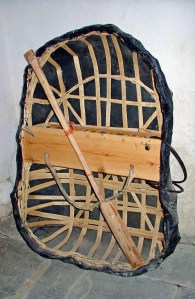
- The second accidental detour confused and frustrated me. How could I be so stupid?! I believe God has shown me that they weren’t mistakes but that He had led us off course both times for the allegory of my life that He was weaving. The detour on Day 1 was about my marriage; the detour on Day 3 was as well, this time about the last part when it had become unbearable. The story of Cuthbert reflects the contempt that was thrown at me continuously, the lies he told about me even when I was in earshot, and his fighting against my desire to progress in ministry. For example, when I felt that God had spoken to me about credentialing he said “go for it” but he refused to allow me to spend money on the required education. It seemed nothing I did was acceptable or good enough. As I write this portion I am trying to write in a way that does not cast blame but to just state facts as they were. And one major fact is that I made choices—consciously or unconsciously, to do or to not do, to acknowledge or to self-deceive—and so I had to live the consequences of those choices. Only I am responsible for my choices. Why God allowed me to take that detour in my life I don’t know for sure; perhaps it was something like John 9:3 (so the power of God could be seen) or perhaps it was something like Paul’s thorn in the flesh (2 Corinthians 12:7) and there is some purpose in it for my personal formation or some joyful purpose that He is weaving together in His mysterious plan for His Kingdom (Ephesians 1:3-11), I don’t know. What I do know is that I am responsible for my own choices and no one else is responsible for the consequences of the choices I have made. And what I do know is that God has walked with me every step of my life and has held me safe in the coracle* of the great palm of His strong and loving hand and I know that He delights in me, a part of His glorious creation. For that I am immensely grateful. What I do deeply regret is the pain that other people endured because of my choices. *(See coracle photos below.)
- The two bridges represent a transition in my life. The first one was very stormy and difficult to walk because of the wind indicating that this life transition would be incredibly difficult. Being on the bridge unable to even help my sister with her poncho shadows the helplessness I felt during that time.
- The space between the bridges is a glimpse of my “new life” that I was about to transition into. The meadow was beautiful and full of sheep and the newborn twin lambs symbolizing that my future would be peaceful, beautiful, and fruitful. But the storm, the rain and wind, indicate that it would not be an easy life; my future ministry would be all about pushing back the darkness in a land held in bondage under heavy spiritual oppression and that is not easy work.
- The stone bridge ends that glimpse and transitions back to the end of my marriage. The injury from Day 1 and my not being able to lift my foot over the guardrail is emotional wounding that would take/is taking many years to heal. Recent counseling was helpful as well as the prayers of friends. I have progressed far but complete wholeness is still waiting to be grasped.
- The storm and the pain between the stone bridge and Crailing symbolize my divorce. It completely immobilized me for a time. The grief of the life I had lost, the loss of the ministry I loved, the shame and embarrassment I felt in my community that I wore like a “Scarlet D” was paralyzing. After I returned home I was watching a message by Suzy Silk about evil and suffering. Towards the end she stated that she believes that in heaven there will be something like a museum displaying the vials of our tears in remembrance of God’s faithfulness through our struggles (Psalm 56:8). In my heart I asked God if my tears would be there. I believe His response was, “Do your remember the storm that symbolized the time of the loss of your marriage? The heavy rain represented the tears I cried with you in your sorrow just as I wept with Mary and Martha grieving the loss of their brother.”
- The Good Samaritan pilgrims that helped us are all of the people that stood with me and gave me love and support as I struggled to find my way into a brand new life.
- Morebattle represents my time in Brooklyn, New York (2002-2004). Shortly after the separation in November 2001, I arrived at Metro Ministries a very broken person. And while that might have seemed a strange place to go for healing God knew exactly what I needed to pick up the pieces and start my new life. There He provided dear friends who were good listeners at a time when vocalizing was an essential part of healing. There God began leading me through the long process of forgiving. He began showing me the value I had as a human and especially as His special child. I had a sense of fulfillment in my work, in building community, and in realizing my value to others. I gleaned immense training in how to do ministry. And, the cherry on the cake, I was offered the opportunity to finally receive ministerial credentialing. At last, for the first time in my life I felt like an adult.


 Coffee, Tea, and Reverie