Three Kings in Four Days
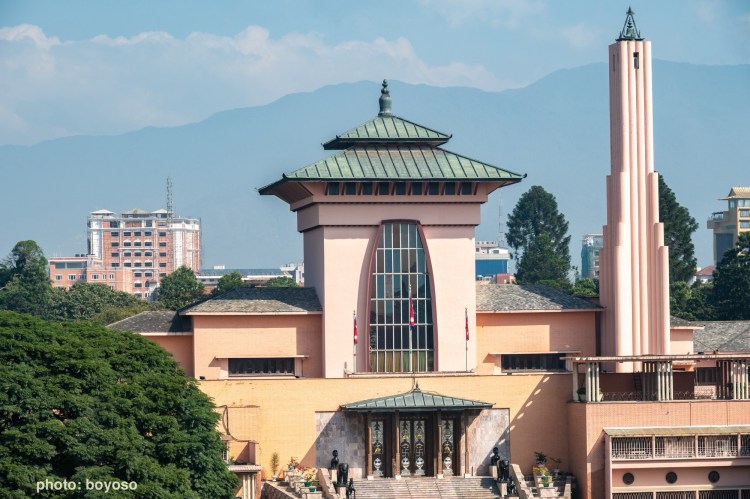
While in a coma Crown Prince Dipendra Bir Bikram Shah Dev of Nepal was crowned King. He died on Monday, June 4, and was cremated with little ceremony and few witnesses. On the same day Gyanendra Bir Bikram Shah Dev, the former king’s middle brother who was not at the ill-fated family reunion was crowned the last King of Nepal. Gyanendra was unpopular and was forced to give up power in 2006. Two years later, Parliament voted to abolish the monarchy, forcing Gyanendra to step down.
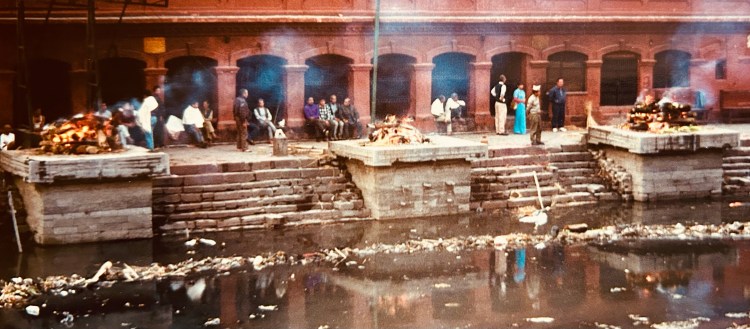
The beloved King Birendra Bir Bikram Shah Dev, whom it is assumed was assassinated by his son, Dependra, had full end of life rites afforded to a Hindu king in Nepal including cremation at Pashupatinath Temple (the Shiva temple) within 24 hours of his death. While an internet search might reveal a more thorough explanation (various actually), what follows here is what I observed and was told about those rites. The time of mourning was thirteen days. Hindu men shaved their heads except for a small tuft at the crown. A period of fasting and a prohibition on eating salt is practiced. Absolutely no music is allowed and all ceremonies and celebrations are postponed with the exception of any essential ceremony. For example, if a wedding must be carried out due to astrological signs and auspicious dates there can be no music at the ceremony. On day eleven, near the end of the mourning period, an elderly Brahman man will be chosen and will eat katto khanna, an enormous meal of 85 dishes. The ashes of the deceased king’s brain are mixed into the food so that the sins of the deceased king are transferred to the Brahman. It is believed that by that act the deceased king is then “purified” from his sin. After katto the elderly Brahman receives an elephant, gold, and many gifts and he rides away never to return. (This ceremony brings to mind the scapegoat of Jewish tradition.) In past times the Brahman had to leave the Kingdom of Nepal, however in recent times he only has to leave the city of Kathmandu and will stay in the Kathmandu Valley.
Although the verdict today is that the Prince was the guilty party in the royal massacre, when I was there most people questioned that story. Many thought it suspicious that the middle brother was absent from the family gathering. There were riots in central Kathmandu and on June 4 from 4:00 pm to 5:00 am the next morning a curfew was declared. Seven were killed near Thamal, the tourist sector of the city.
I spent the day preparing for teaching I would be giving at Daniel G’s Bible Institute which was located in walking distance from Robby and Leona’s house.
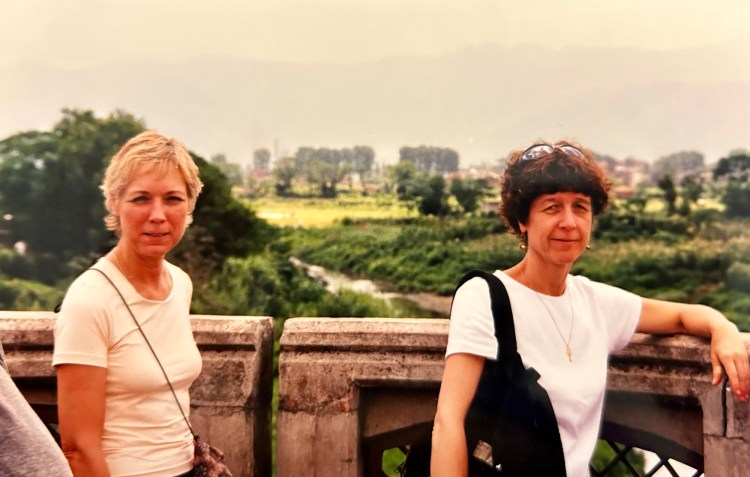
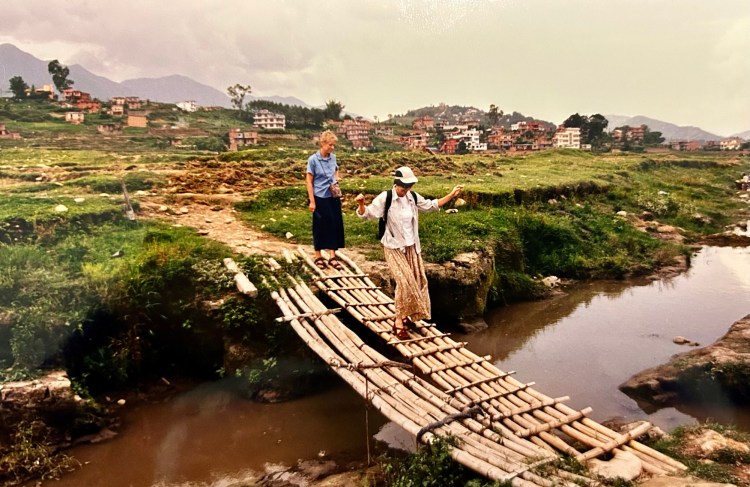
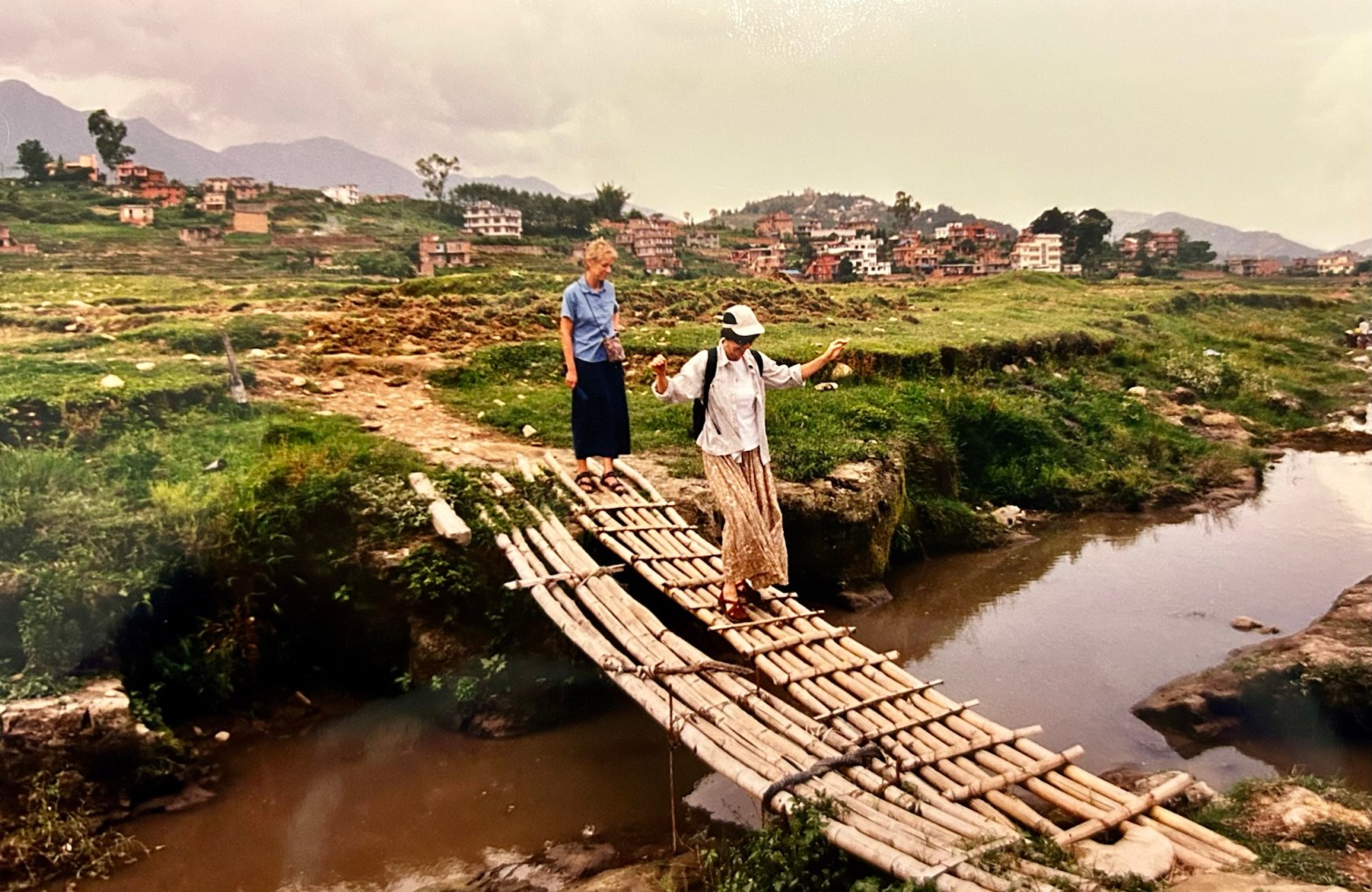
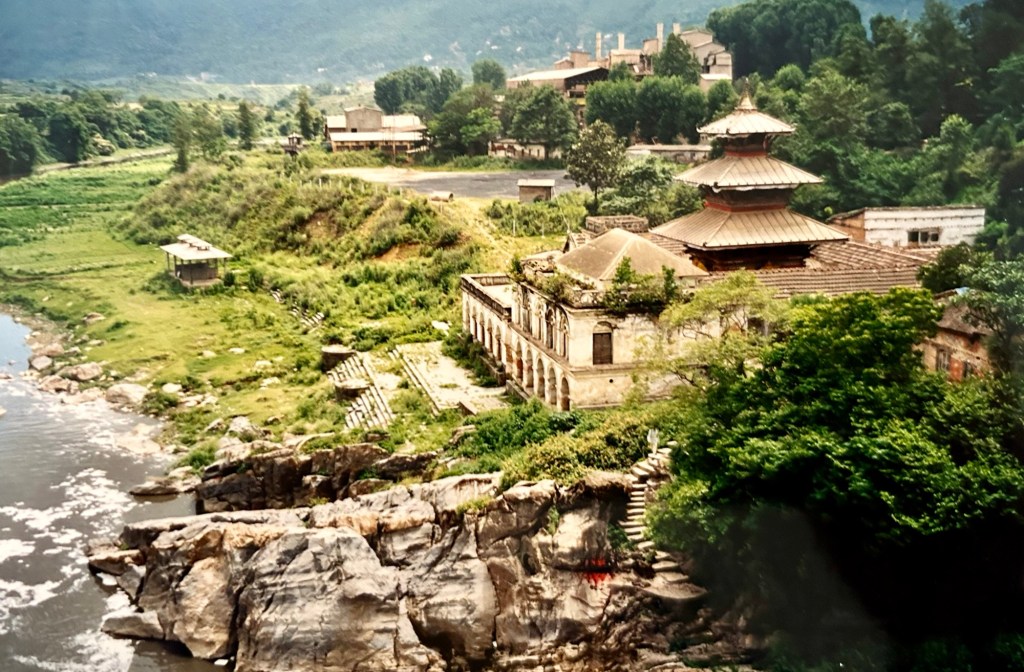
On Tuesday curfew began at noon. Penalty for breaking curfew was one month in jail; if one ran from the police they would be shot. I had only recently arrived but was already getting cabin fever, lol. Since Robby’s house was on the outskirts of the city it seemed that it was alright to be out and about so we prayer walked for a couple of hours in the area. We prayed to the Living God around a local temple for the Hindu god, Ganesh, that he would not have power over the people. Then we crossed a bridge that, having been transported from Scotland, was erected in 1907 in Chobhar Gorge. Chobhar Gorge is where the enormous Nagdaha (snake lake), inhabited by all kinds of snakes, was located. It is believed that between the years 167 BC and 1 AD a bodhisattva and disciple of Buddha, Manjushree, saw a lotus flower floating on the lake. He had a vision which motivated him to cut Chobhar Hill open with his flaming sword allowing the lake to drain. The habitable land left in its place is now Kathmandu. Various ponds and small lakes were left in the land; one, Taudahar Lake, was the residence of Naga King Karkotak (Naga means snake.). The draining of Nagdaha supposedly left countless mythological creatures that were half human and half serpent homeless which enraged the Naga King.

In the afternoon I began Nepali language lessons with Deepak who it turned out was not only an excellent guide but a great teacher. In the evening I played cards with Leona and Robby’s youngest of three daughters. She, also a good teacher, taught me to count 1-10 in Nepali.
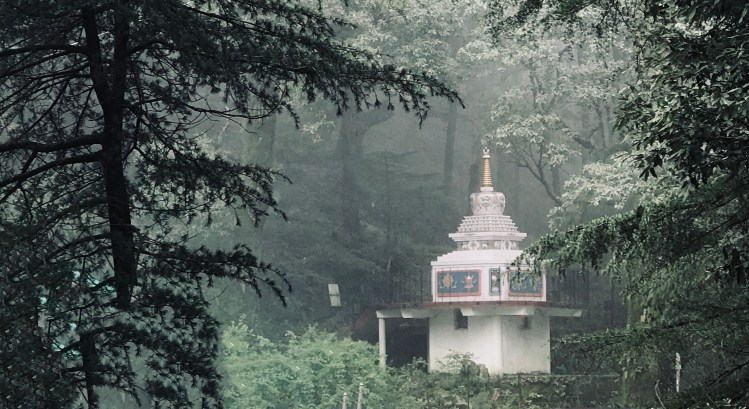
On Wednesday morning we prayer walked in Patan, the oldest area of Nepal. Founded by an Indian king who had converted to Buddhism, it was filled with Buddhist shrines, stupas, and monasteries.
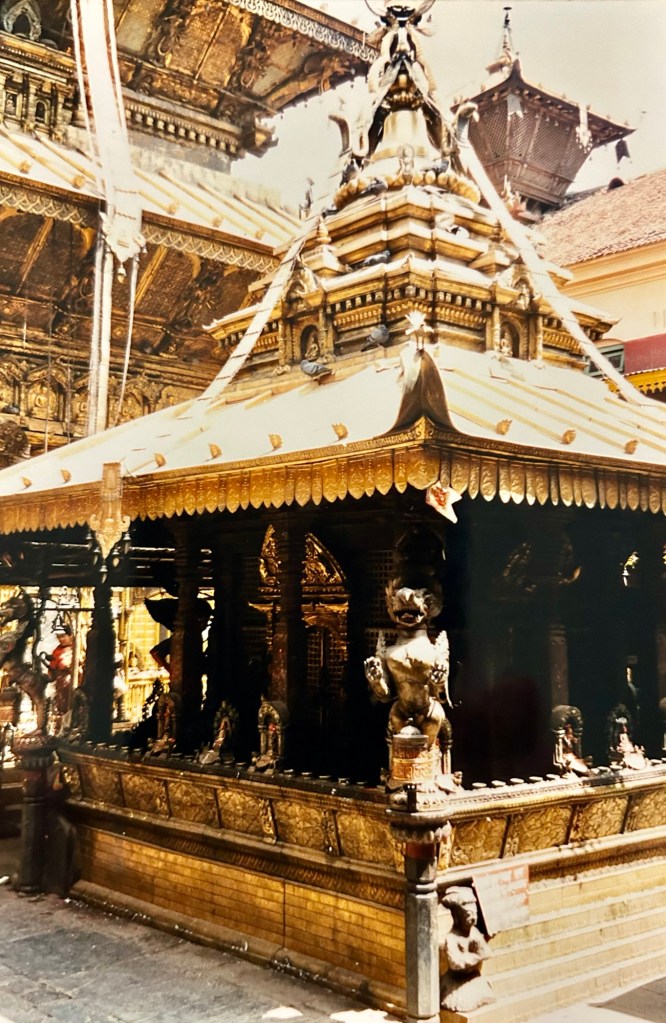
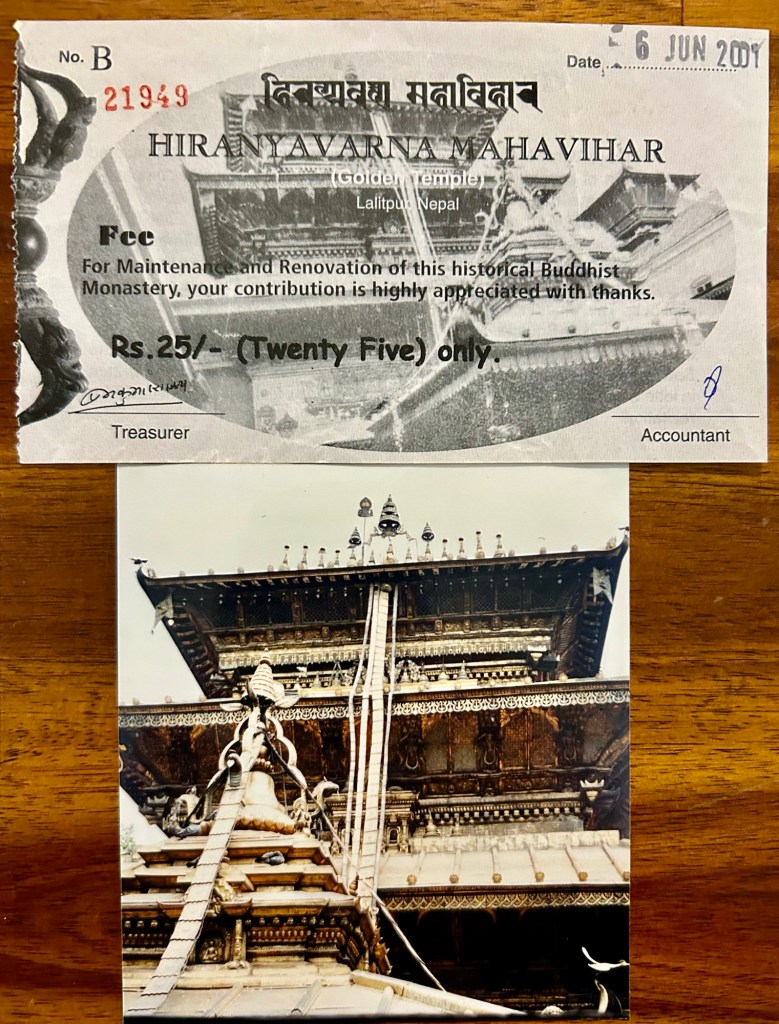
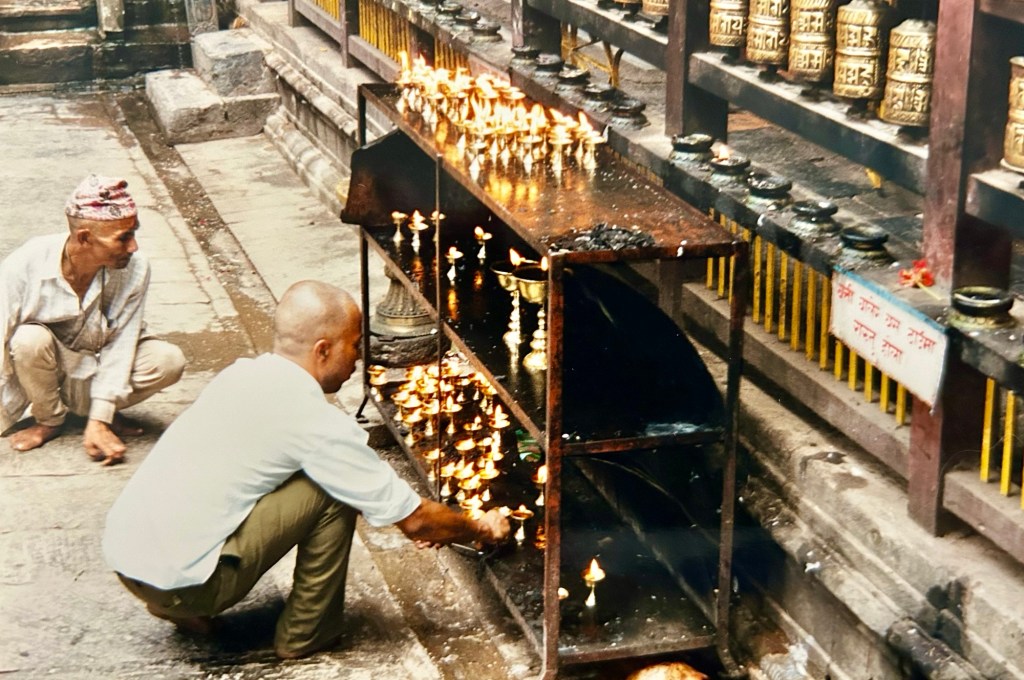
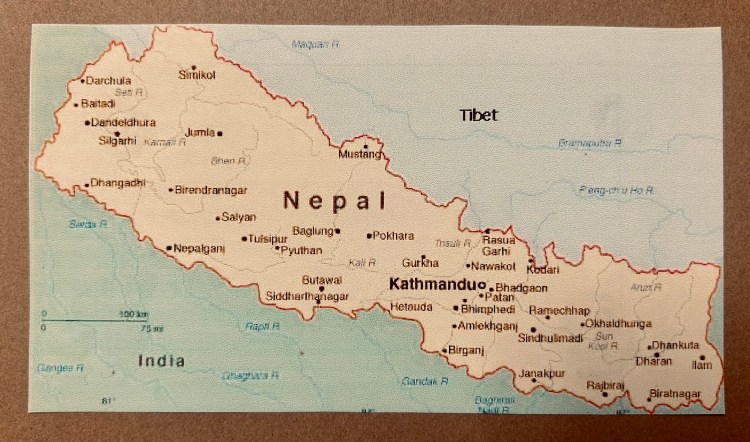
On the way to and from as well as in Patan we passed many Hindu temples. Robby told us that in the Kathmandu Valley there were 2700 major shrines, more shrines than houses. He also repeated that in Hinduism alone there are 330 million gods.
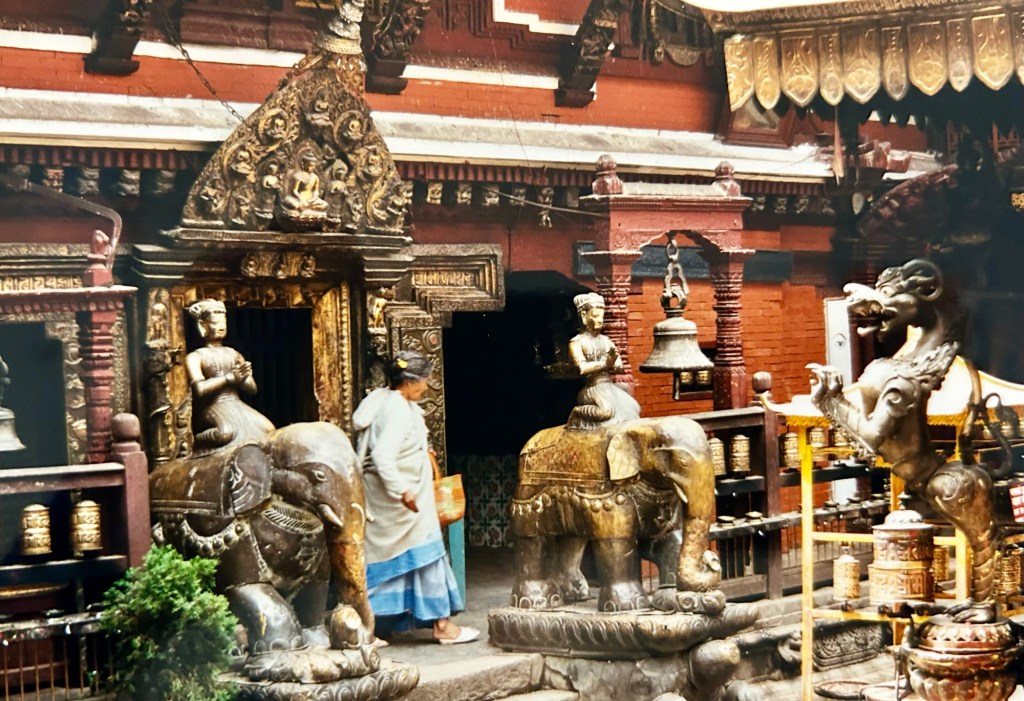
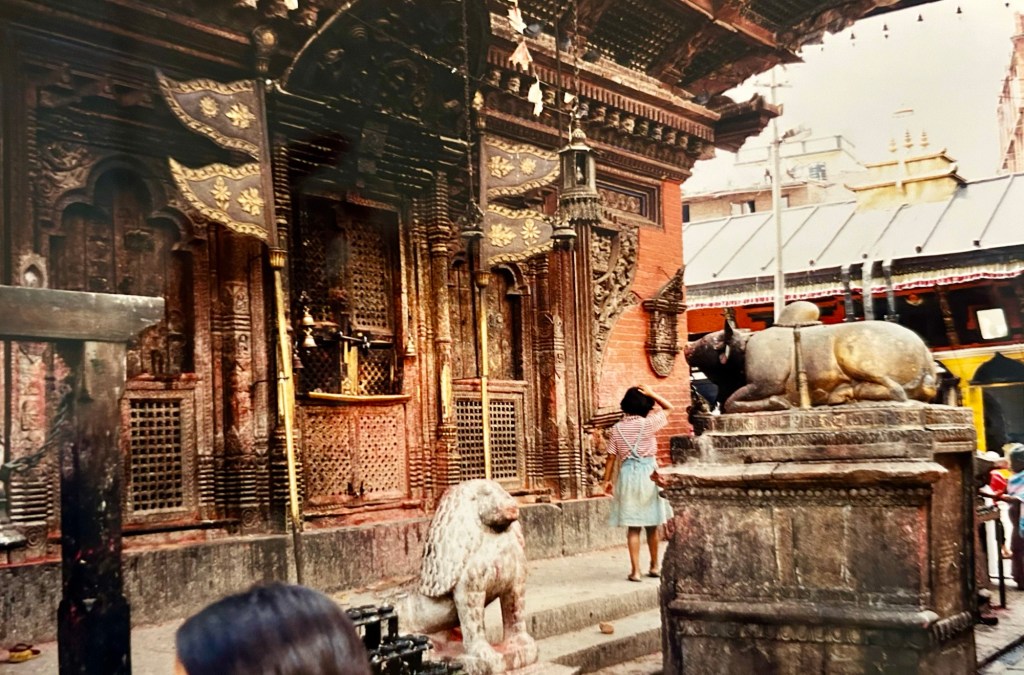
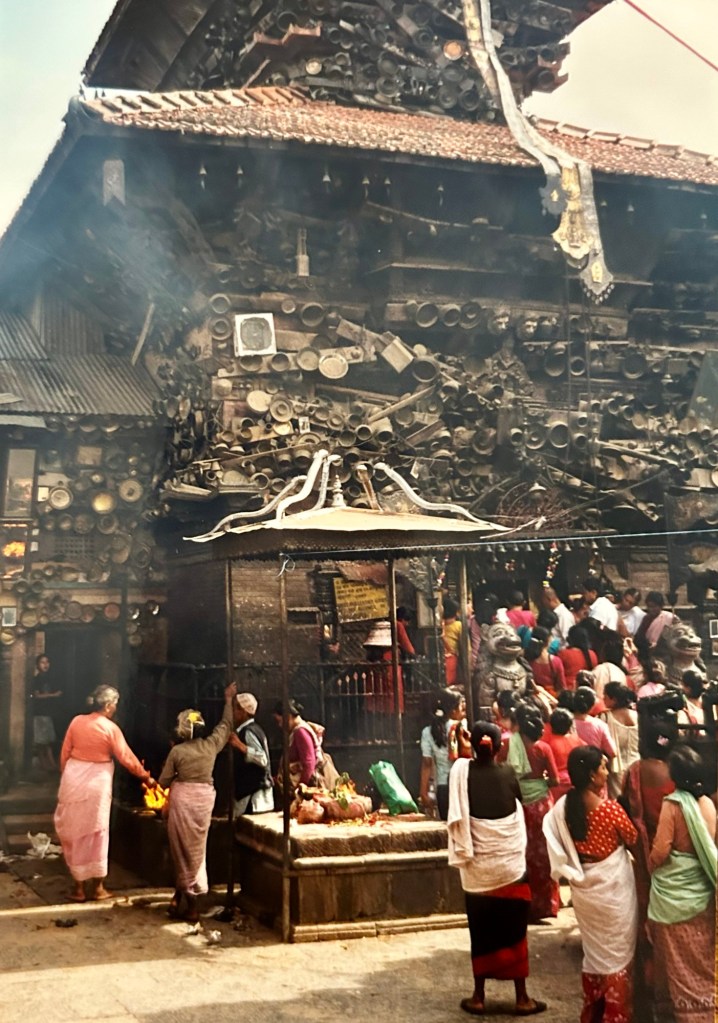
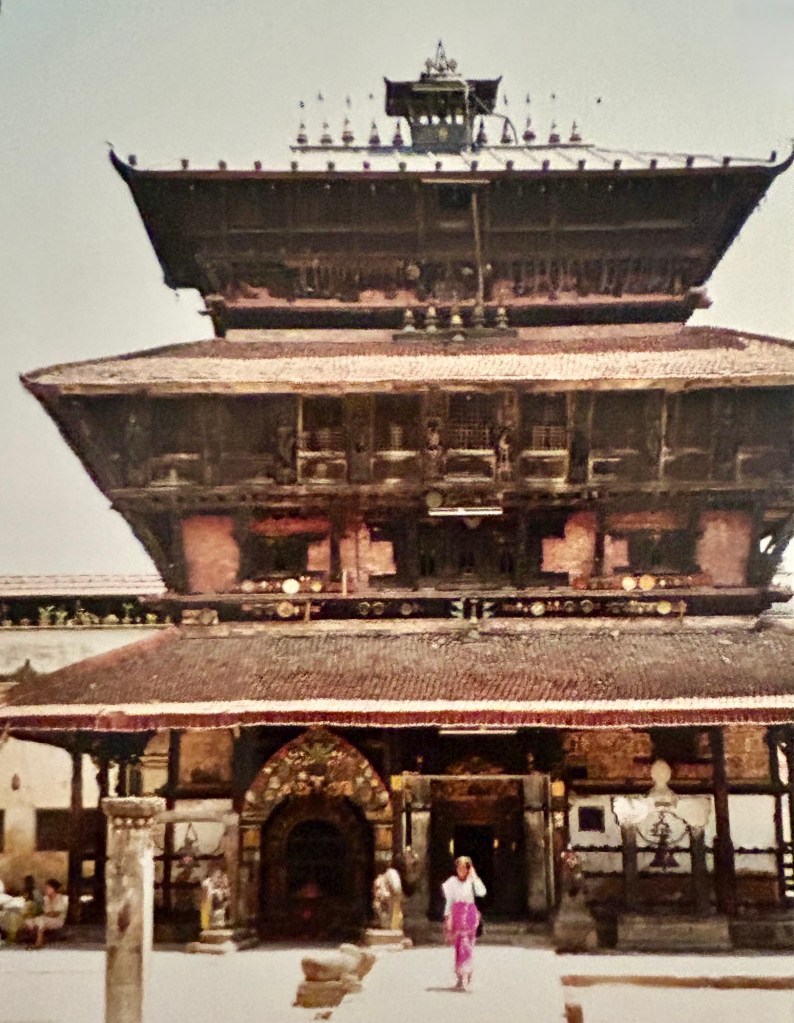

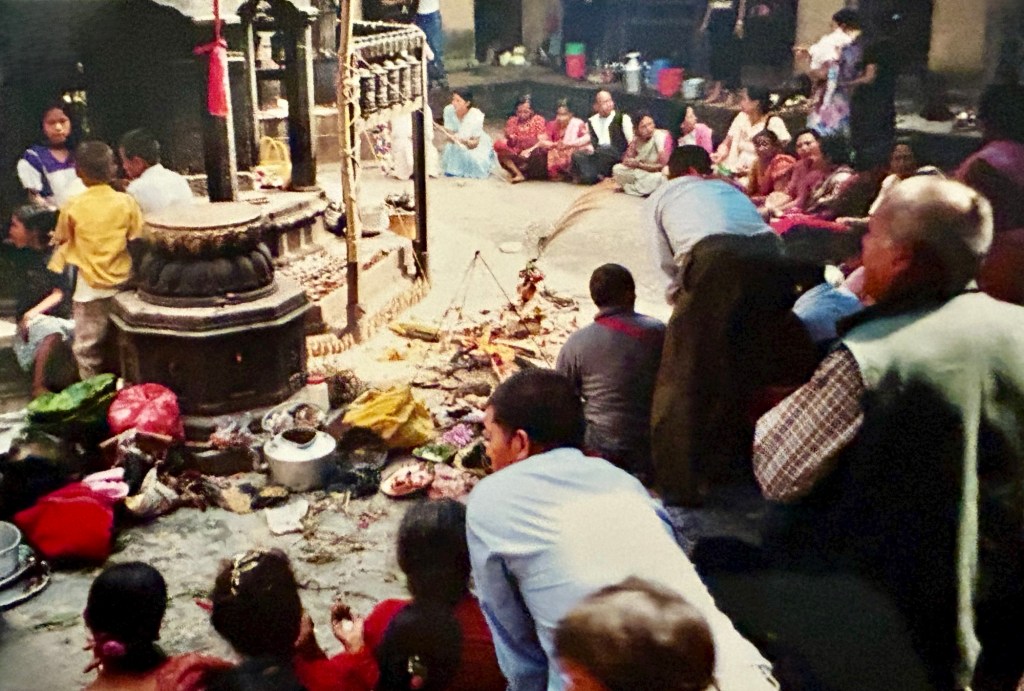
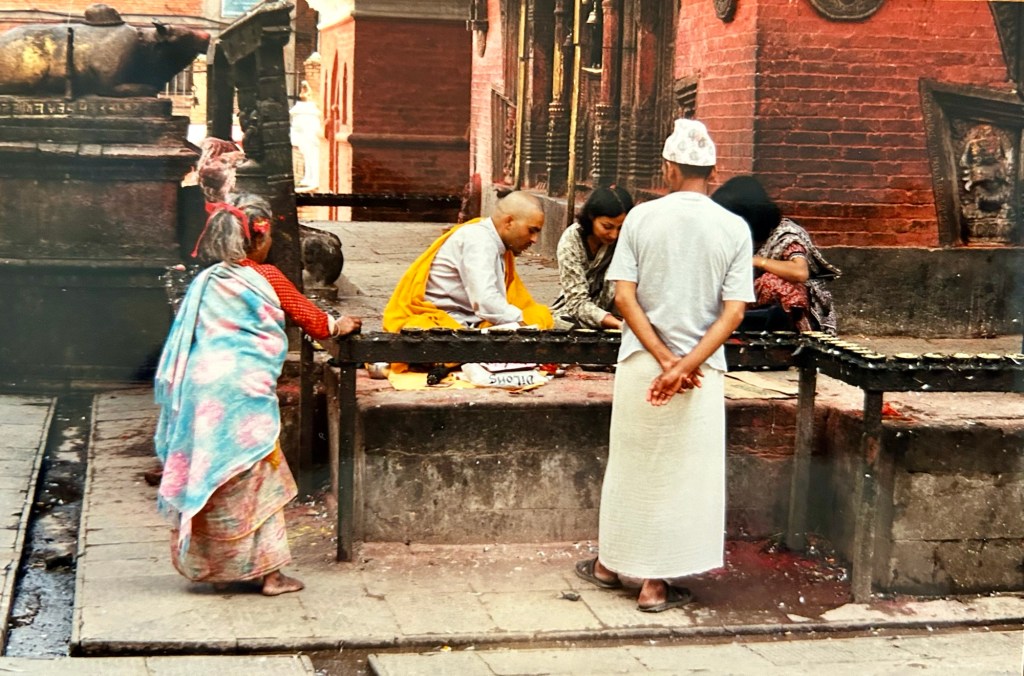
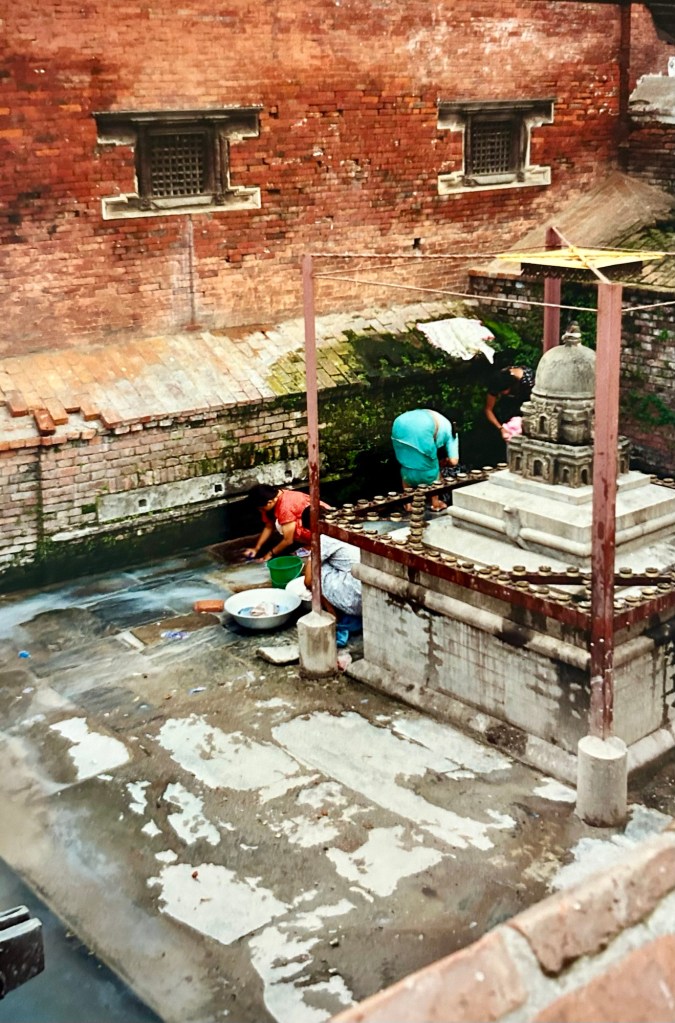
We then returned home believing there would be curfew at noon. Riots broke out in Baktapur so indeed a curfew was implemented. I had language class in the afternoon. In the evening everyone was glued to the TV for news concerning the ongoing events. I could not understand except what my friends translated for us Americans. In a nutshell, results of the investigation of the murders began at 10:00 am and they are allowed three days to come to a conclusion. (Interestingly the only time I saw the family watching their tiny TV was to hear news concerning the massacre.)
On Thursday the seventh we walked from Robby’s home east 1 1/2 hours to a Newar village located south of Patan. There we visited with the pastor of about 125 locals.
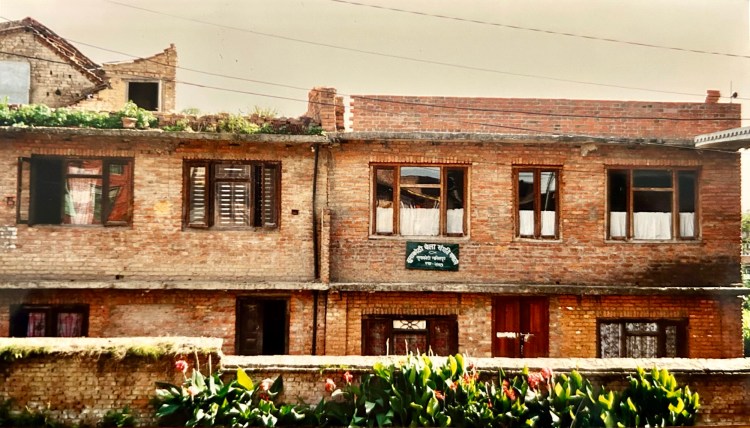
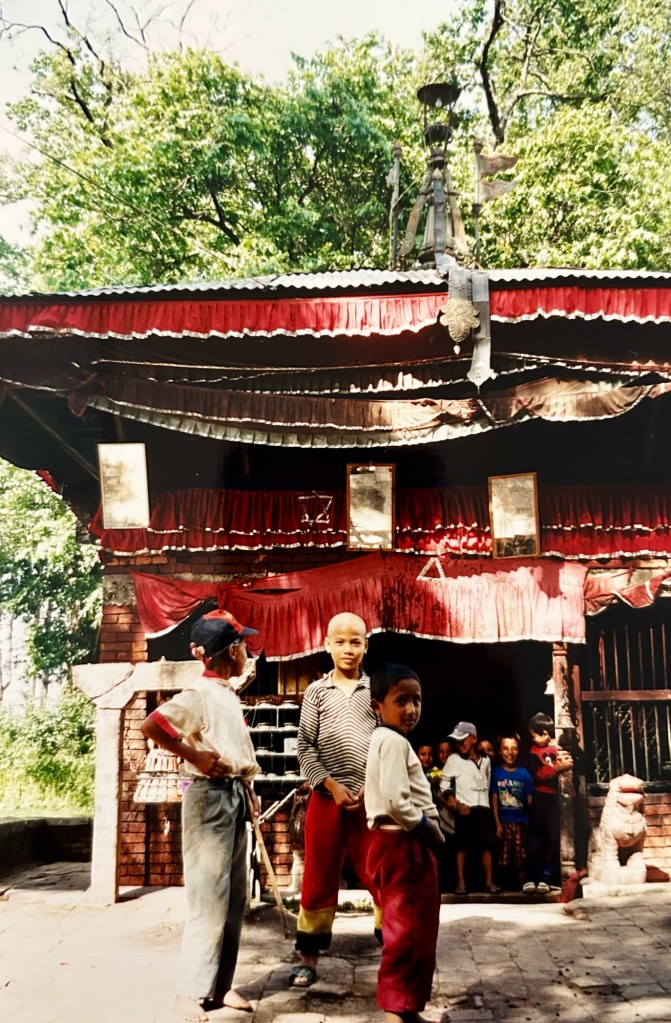
From there we walked to Harisiddhi through a beautiful, lushly green, peaceful sheep pasture to pray against a shrine to Kali, goddess of destruction. Next to the shrine was a government school, wooden, painted clean and white (very unusual in a land of stone and brick buildings). A flock of sheep were quietly grazing behind the school. Except for the shrine the scene made me think of “The Lord is my Shepherd.” A group of children were playing around the shrine. Before we prayed Robby explained to us that at that shrine a human sacrifice is performed every twelve years. I was stunned. I felt sick. My ‘discerner’ must have been terribly off. This must have been a terrible enemy stronghold but all I had recognized was the (evidently deceptively) peaceful area around. I felt confused.
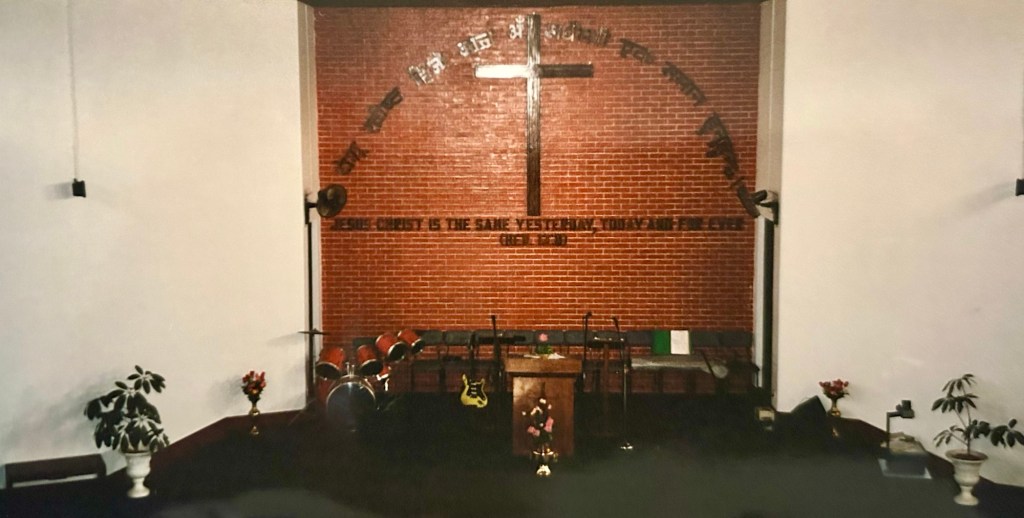
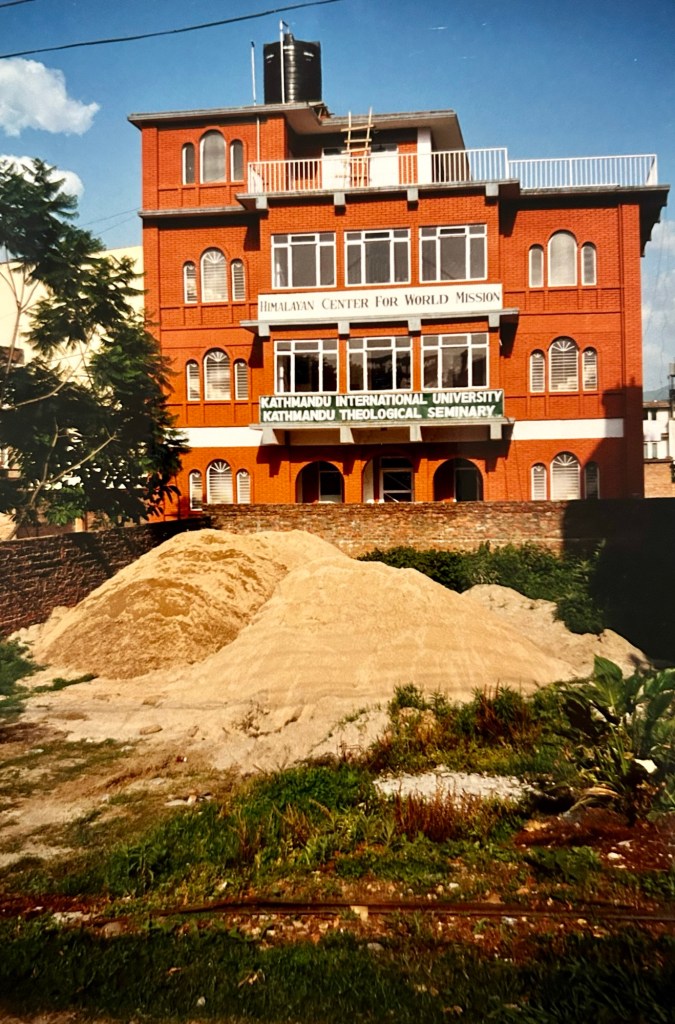
We walked back home a different route and visited with the pastor of a huge church that had connections to Peter Wagner. I was very thankful for that encounter to wind up the day rather than the previous one.





 Coffee, Tea, and Reverie
Wow! Their culture there is unbelievable in regards to the king and how his sins were forgiven! Also, the 330 million gods in Hinduism-that’s unbelievable as well.
LikeLiked by 2 people