Kagbeni to Muktinath
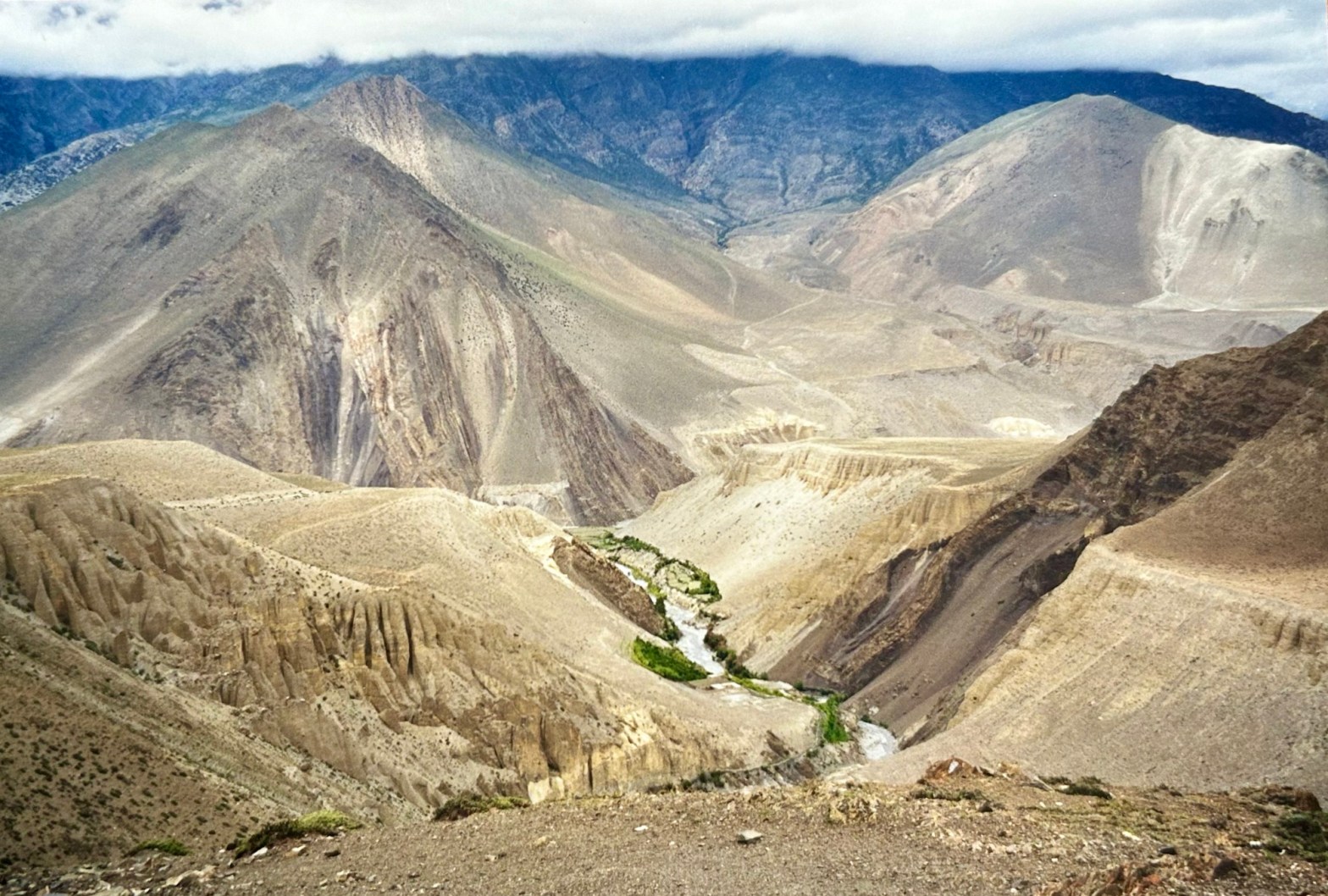
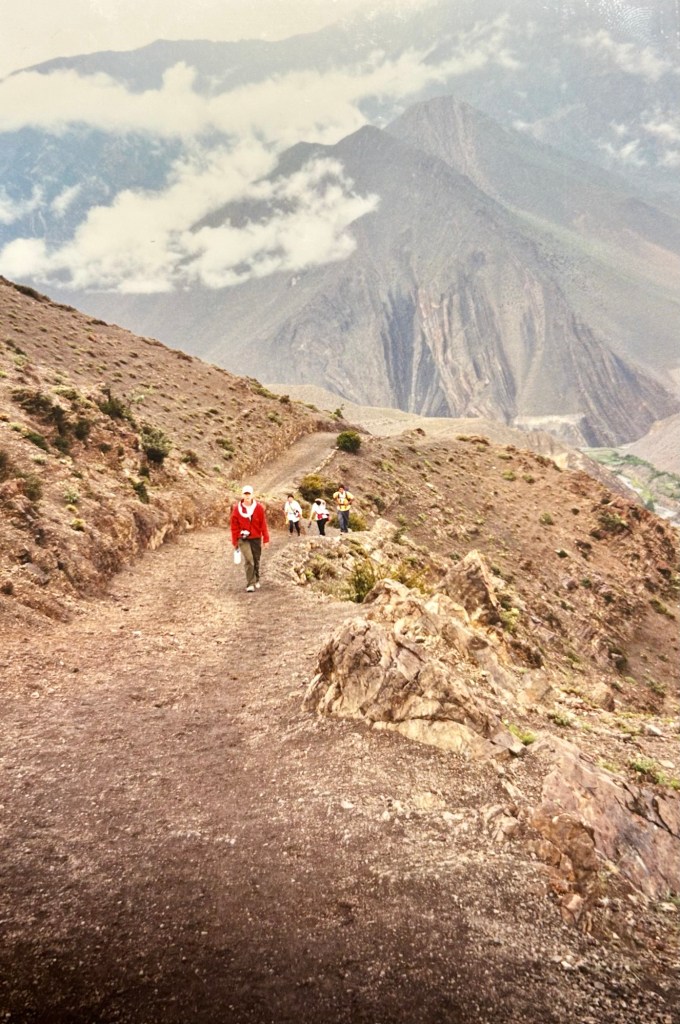
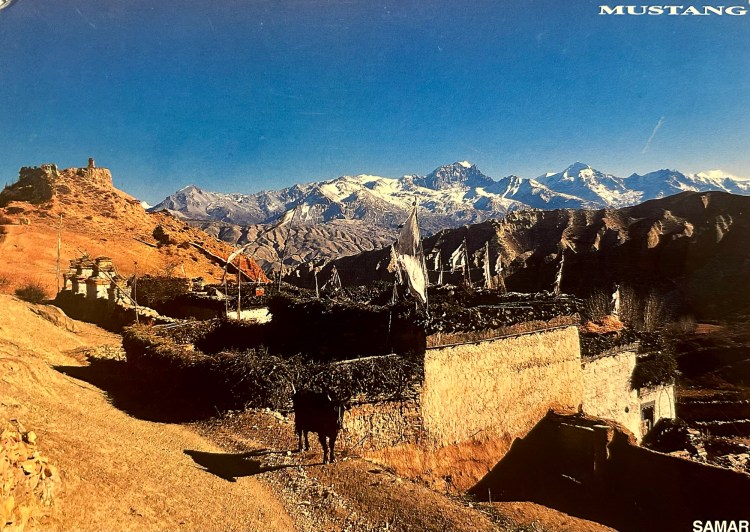
After breakfast we headed north for the four-hour trek to Muktinath. That stretch is all uphill [Kagbeni – 9200 ft, (2804 m), Muktinath – 12,343 ft (3762 m)] but not so steep as I had expected. There, however, was not much air! I felt that I was supernaturally carried along because my legs remained strong and I had no high-altitude symptoms. I journaled, “I breathe harder walking at sea-level than I was today!” The last bit was another story. City gate in sight I had to develop a rhythm to make the last stretch: I would walk ten steps, stop, breathe deeply three times, and repeat. There was a true sense of victory that I savored upon arrival.

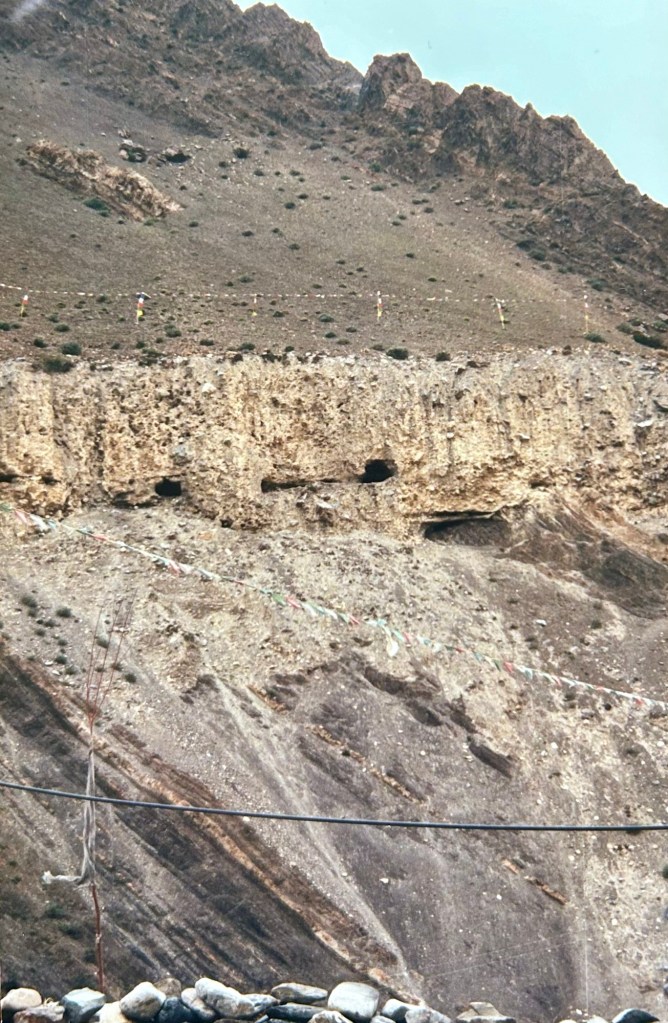
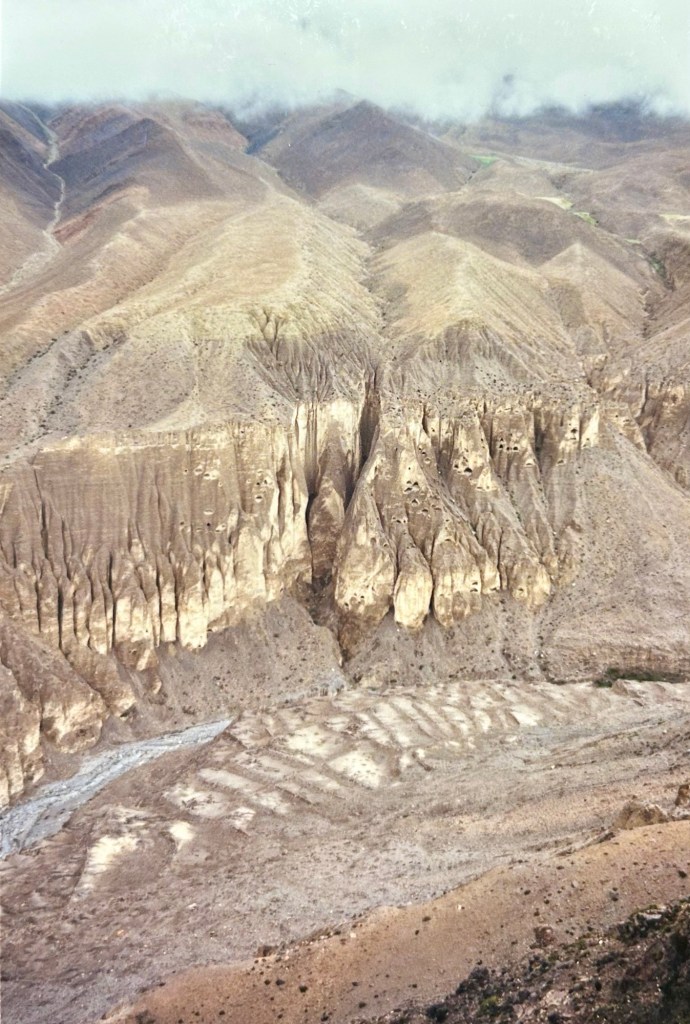
On the trek up we spotted the historical caves that were carved into the bluffs and mountains of the Kali Gandaki River valley. It is believed that 2000 to 3000 years ago the people of the ancient Kingdom of Lo dug out the network of some 10,000 caves using rudimentary tools. There are a number of theories on what the caves were used for throughout the centuries. Religious paintings cover the cave walls and manuscripts and other religious artifacts were found there. Researchers also found numerous utensils, bones, and partially mummified bodies. Currently Buddhist monks use the caves for meditation; it is a Buddhist practice to fast and meditate alone in the dark for many days. The site has been a tentative UNESCO site since 1996.
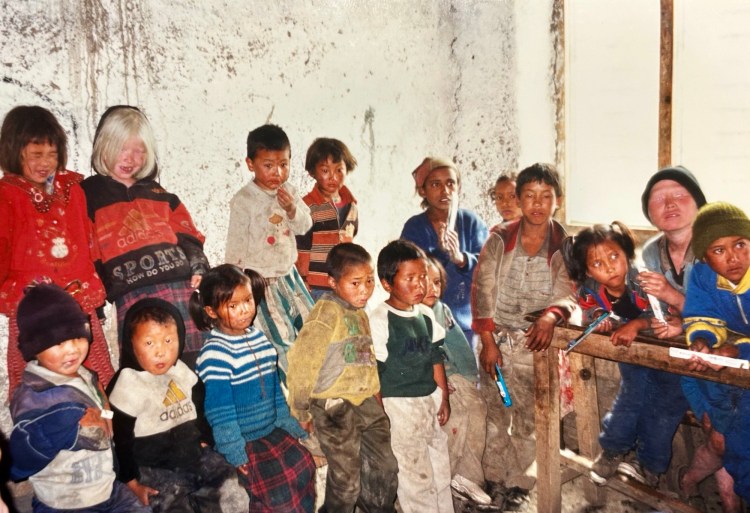
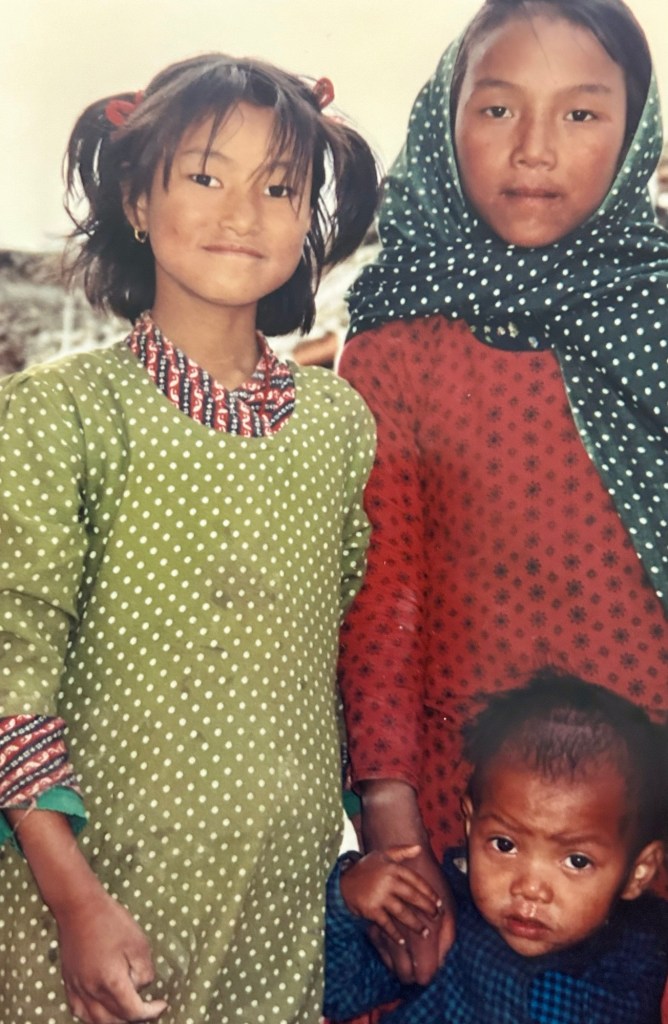
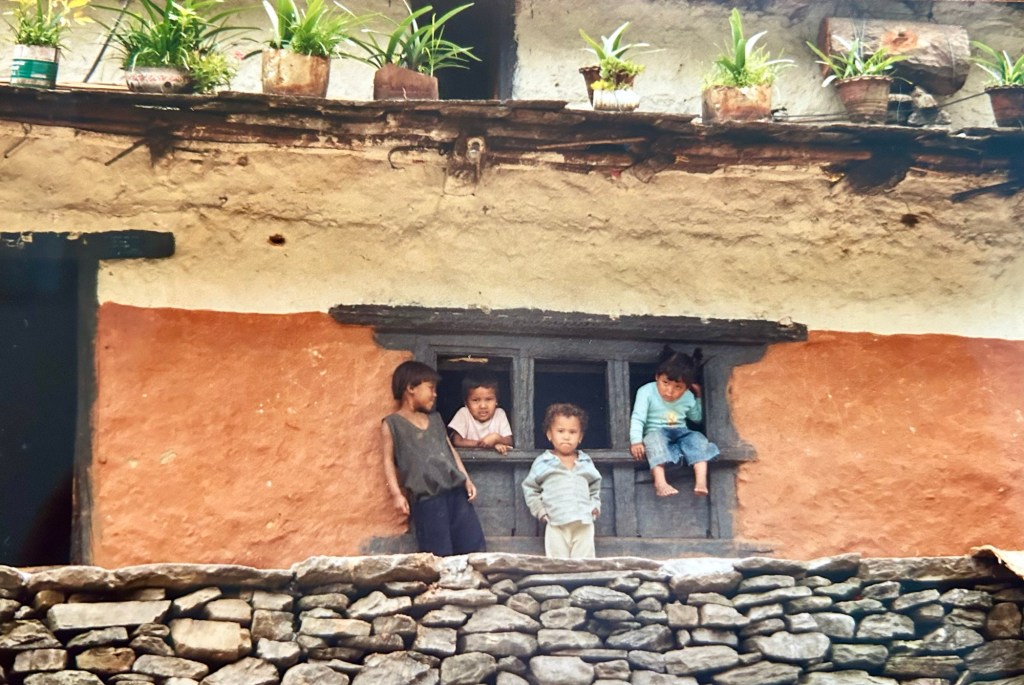
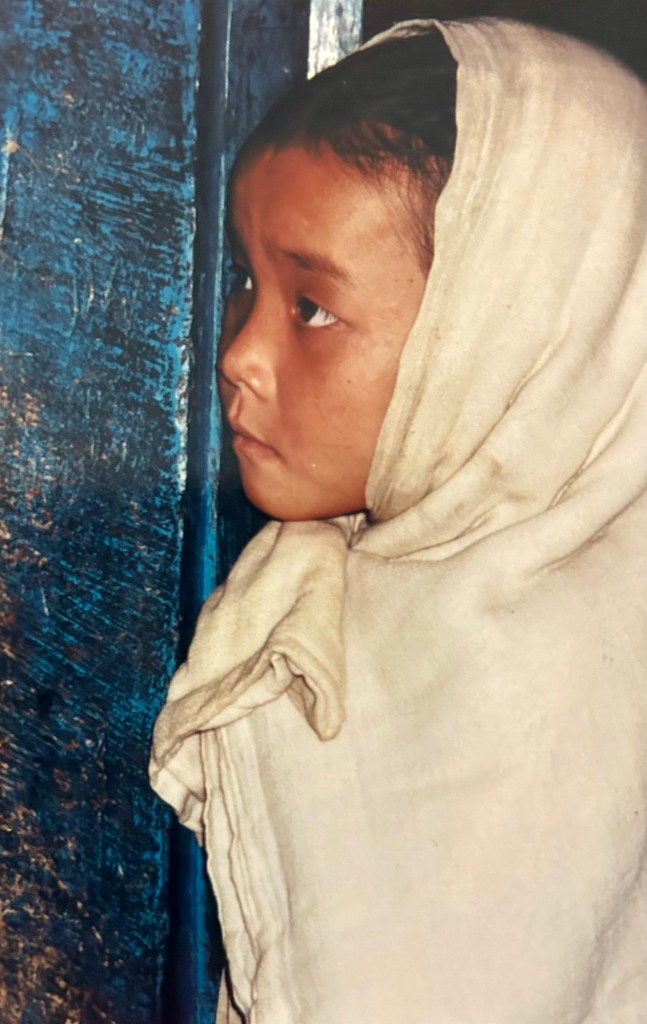
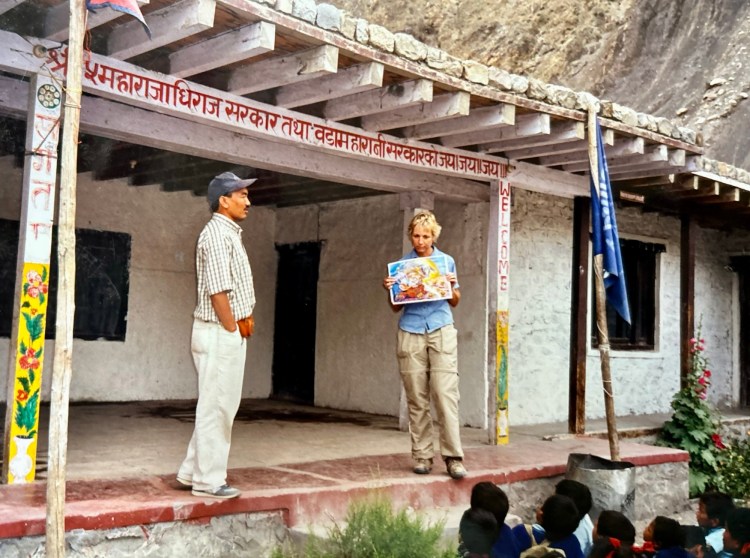
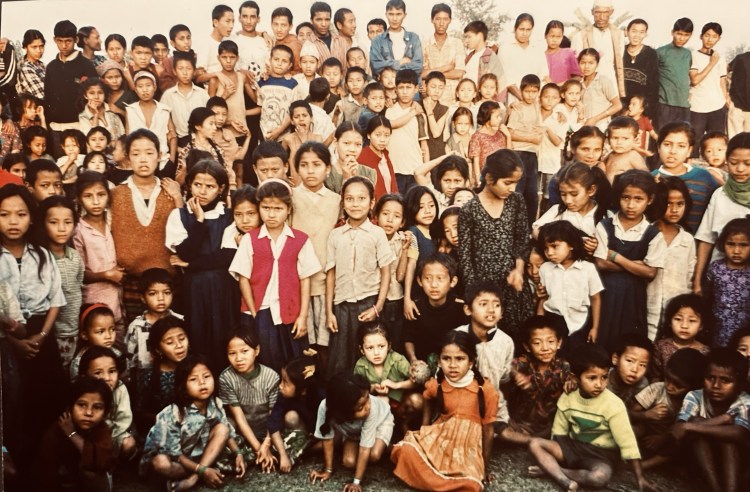
After lunch we visited the local Muktinath school to do a program. The conditions were unbelievable. It was perhaps the toughest ministry experience I have ever had. The only light entered the tiny classroom from a single window. The room was so dark I had to use a flash for the photo. At first I thought some of the children were blind; they were not. Some of our team were too broken to help with the teaching; they instead sat outside weeping for the children. At the end we prayed for a girl and boy with albinism and then we left with with wounded hearts for those who suffer so unjustly under the hand of the enemy of our souls.
From the school we went to pray through the temple area. What would happen there was soul shaking as well. Because Muktinath is the place where it is believed that Vishnu received salvation from the curse of the demon Brinda, and also because of a misunderstood natural phenomenon, it is considered a most holy site so there is both a Hindu and a Buddhist temple in the complex.
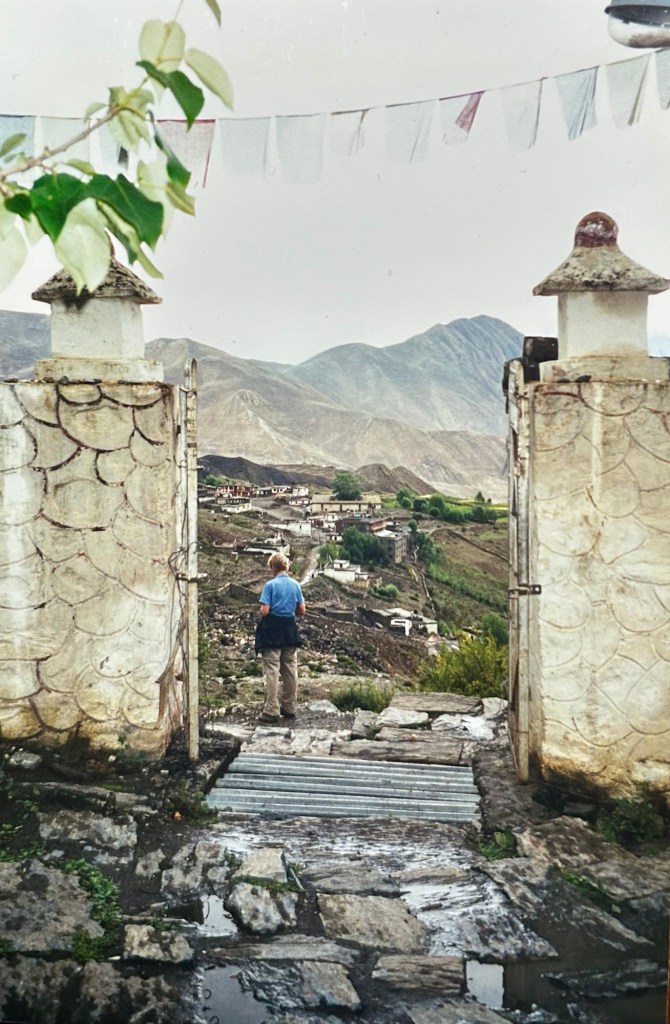
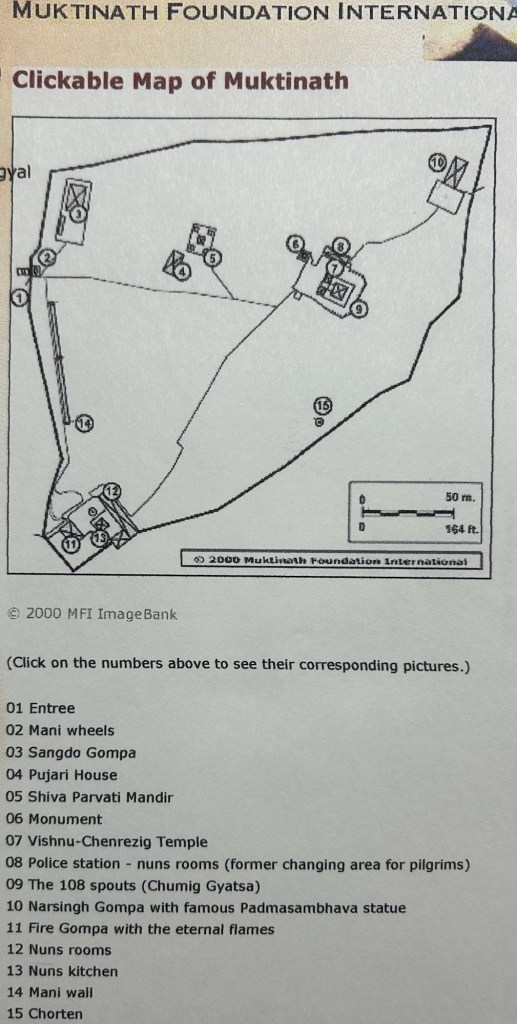
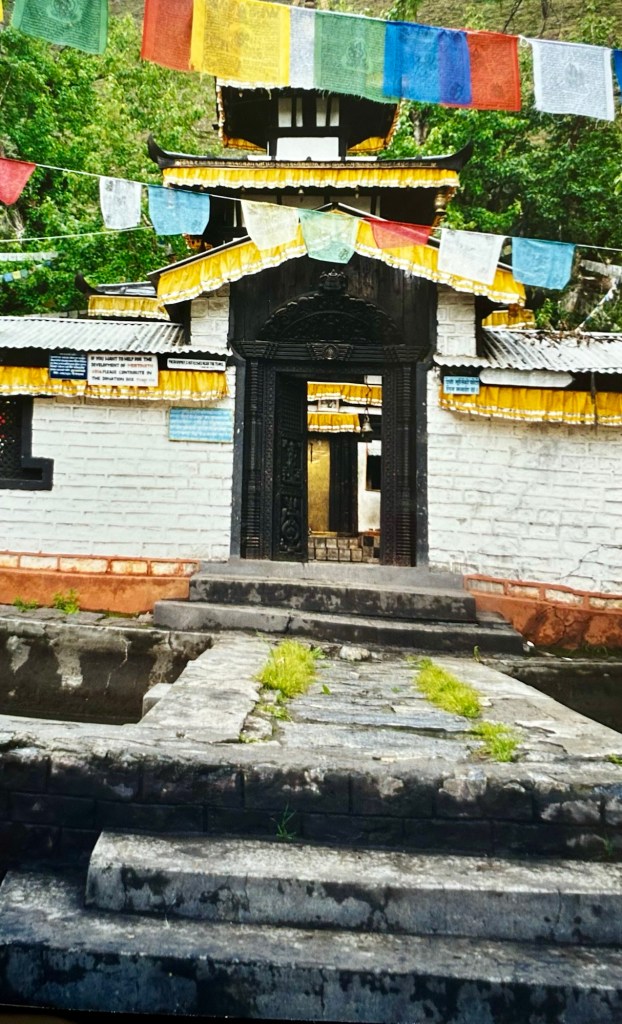
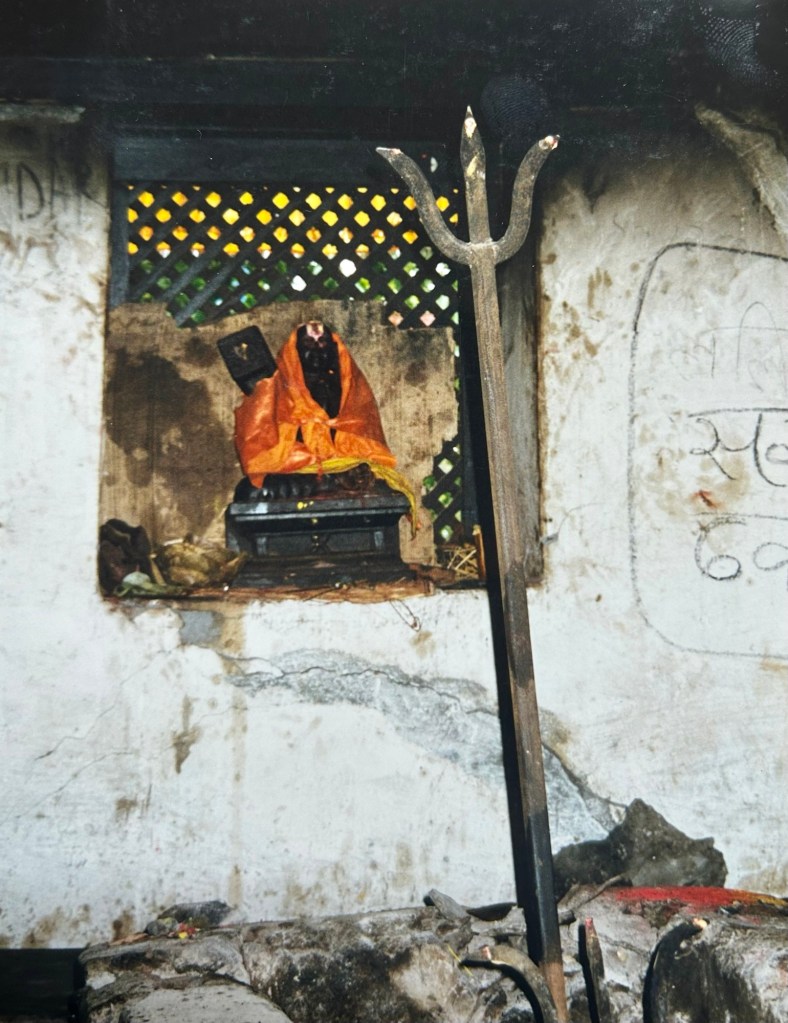
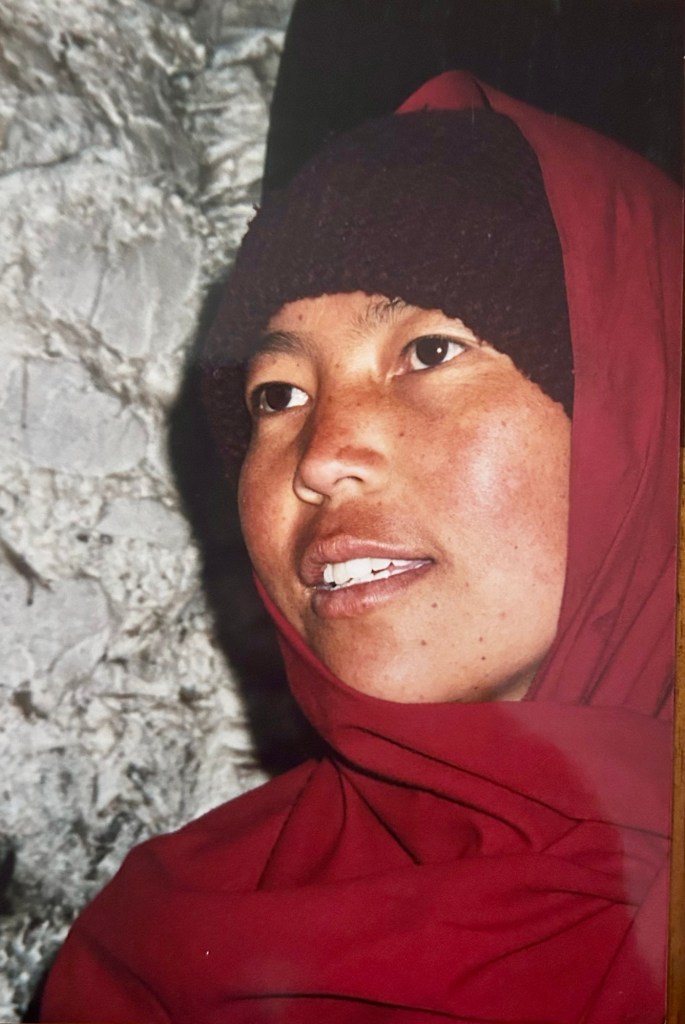
We first visited the Buddhist temple, which is built over an underground stream. Through a hole in the floor one can see the “eternal flame” burning on the water; the unlit room is filled with a smoky blur, giving it an eerie feel. Behind and to the left of the hole there are several idols carved of stone. The largest three represent Vishnu, Buddha, and Kali. After looking down through the hole at the flame for a minute I turned toward the idols but quickly turned away because of the evil I sensed. I walked to the back of the room and sat down beside Katie on a rough wooden bench that faced the idols. After a minute she said to me, “I just saw the strangest thing. I saw Buddha squint his eyes and glare at me. And Vishnu turned his head to look at me.” (I repeat, the idols are quite large and carved out of stone.) A minute later Kassie came over and sat down and said, “I just saw the strangest thing. Kali turned her head to look at me and I saw her eyes light up.” Then Mary came over and sat with us and, you guessed it, she also saw the strangest thing, Kali’s eyes light up. I am not sad to have looked away. We all huddled together as a group in the center of the room for a time of prayer and sang a number of worship songs exalting the Name of Jesus. Several spent some time talking with the beautiful nun who was on duty.
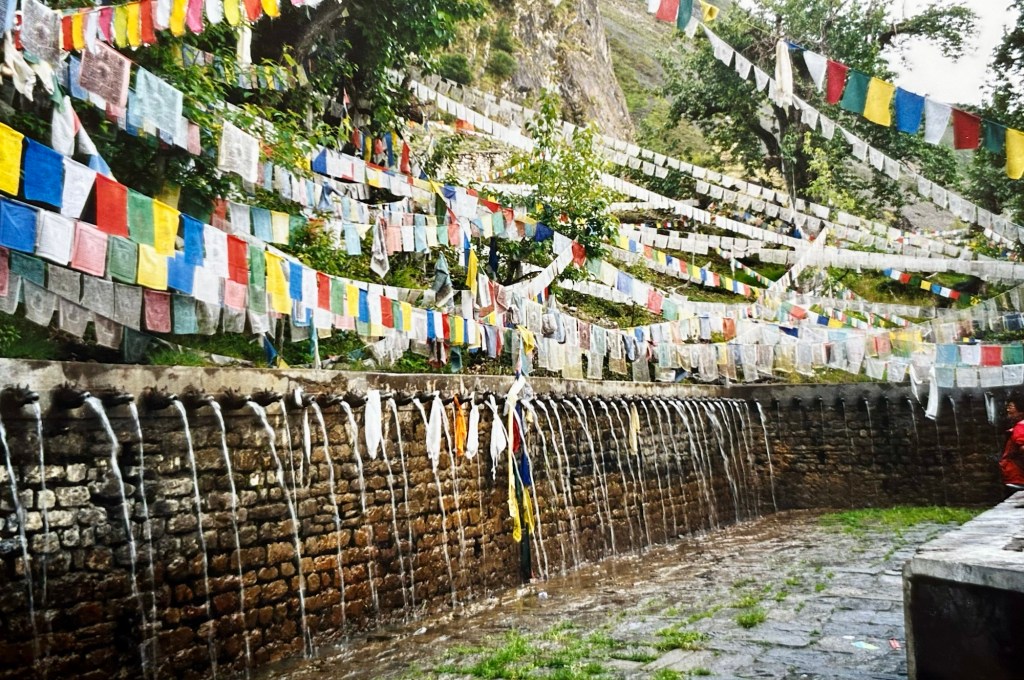
We then prayed through the Hindu temple and by the 108 fountains. Muktinath in Nepali means “lord of liberation” in reference to Vishnu. It is believed that by bathing in the 108 fountains a visitor can receive their own liberation. We prayed that those coming to look for salvation would somehow find the true Peace that Jesus made available to all who will receive.


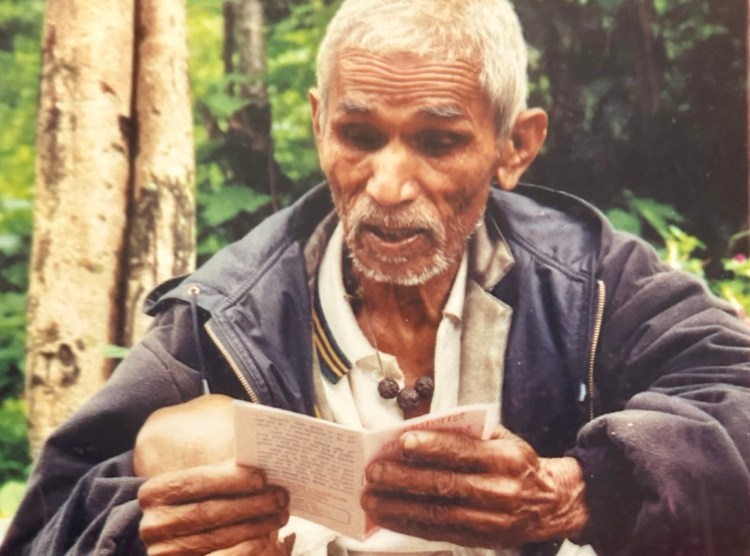
On the walk back to the guest house several encountered a Hindu “holy man” and talked with him for a while. Both the school headmaster and the “holy man” came to the hotel that evening at dinnertime to talk more.
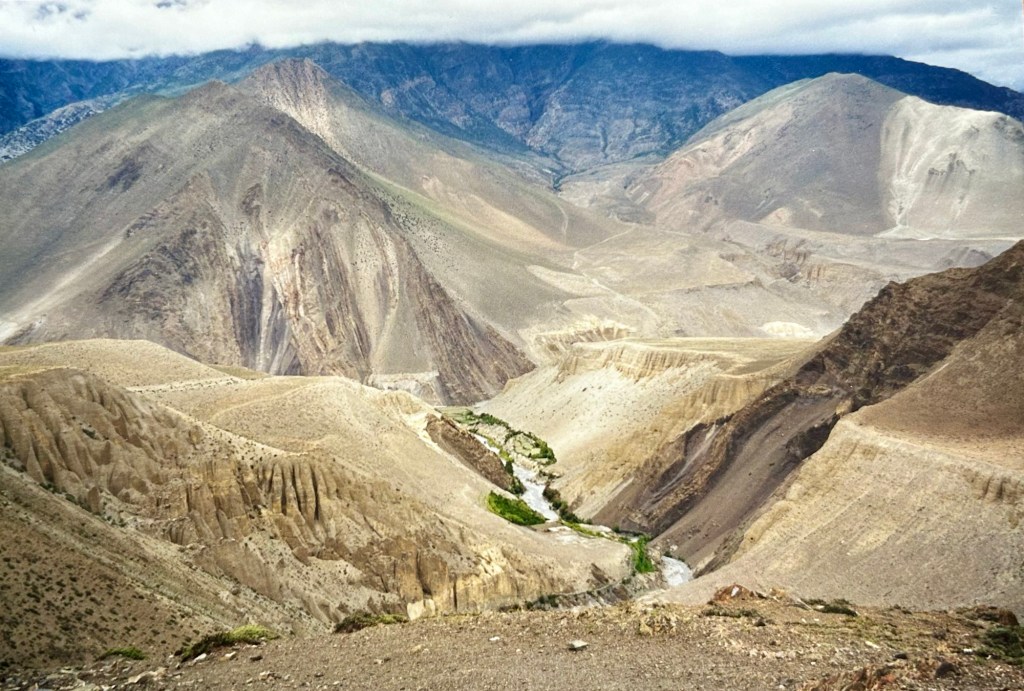
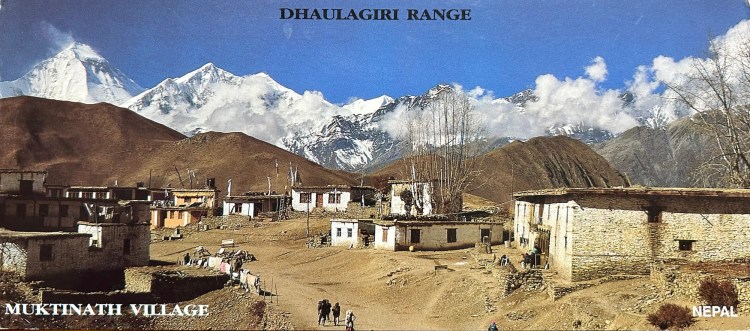
It was a somber evening. Levi had carried an enormous load of supplies on his back Nepali style for a man who earned his living carrying goods up and down the mountain. The scarcity of oxygen along with the extra weight had left him quite unwell. Jessica and several others were also feeling symptoms of mild altitude sickness. Melissa was still very emotional from the experience at the school.
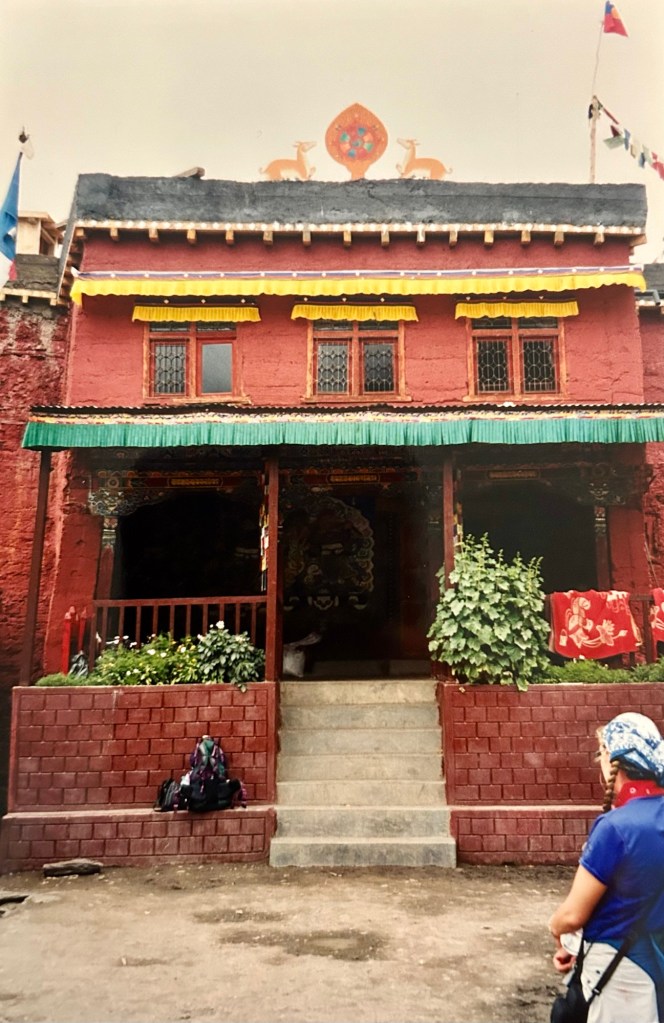
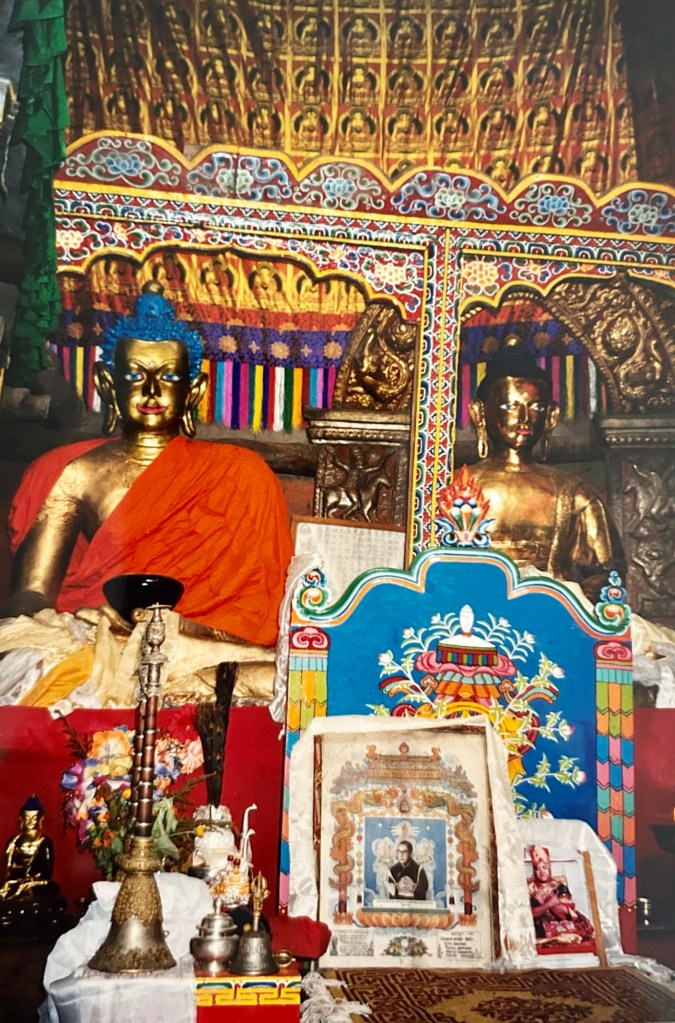

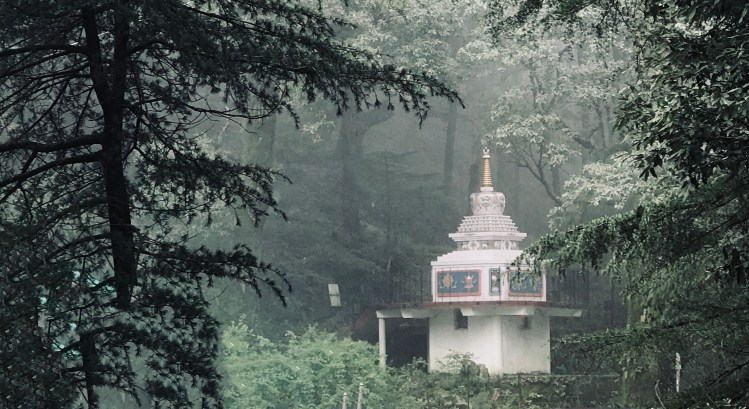
Friday morning, July 13, we started out on the walk back down to Jomsom (8891 ft, 2710 m). At Jharkot we stopped for a bit to pray at a sizable Buddhist temple.
Walking downhill into ever increasing oxygen is far easier than ascending and we made good time. I arrived tired with sore feet and eyes red and swollen from the sun, wind, and sand. Leona was sick with vomiting and a headache. We found Emma and Bala, who had stayed behind, doing well. They were quite exhilarated, actually, from God’s Presence that they had experienced during powerful times of prayer for Nepal, the team, and for our time of ministry.




 Coffee, Tea, and Reverie