1979-1982
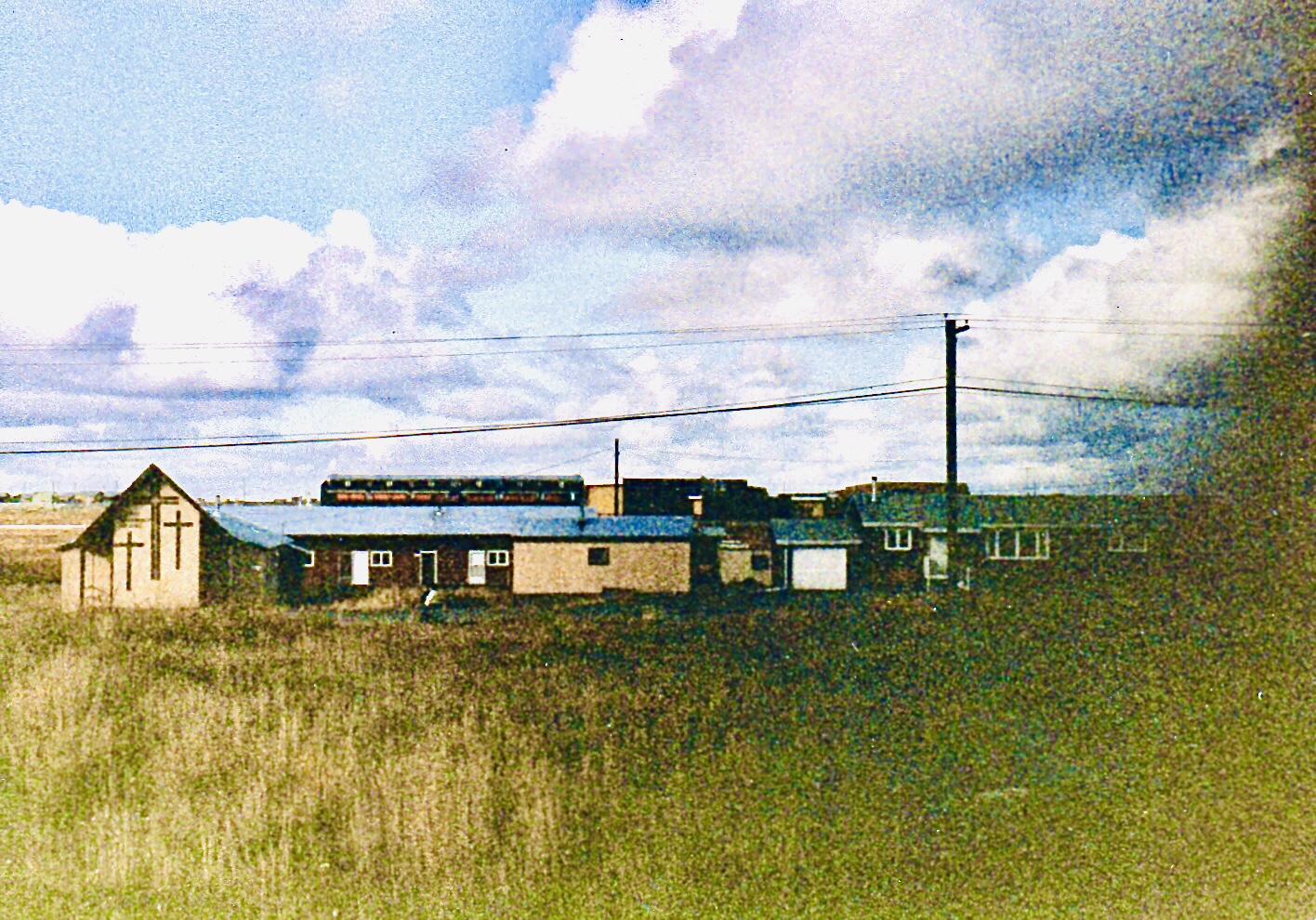
Bethel, Alaska
Bethel is a village situated on the Yukon Kuskokwim Delta in southwestern Alaska. It is a larger village, off the road system, and serves as the regional hub for many surrounding communities by providing medical resources as well as other native corporation and governmental services. The population is ethnically diverse, even multinational, however the primary residents are the native Alaskan Yup’ik Eskimos.
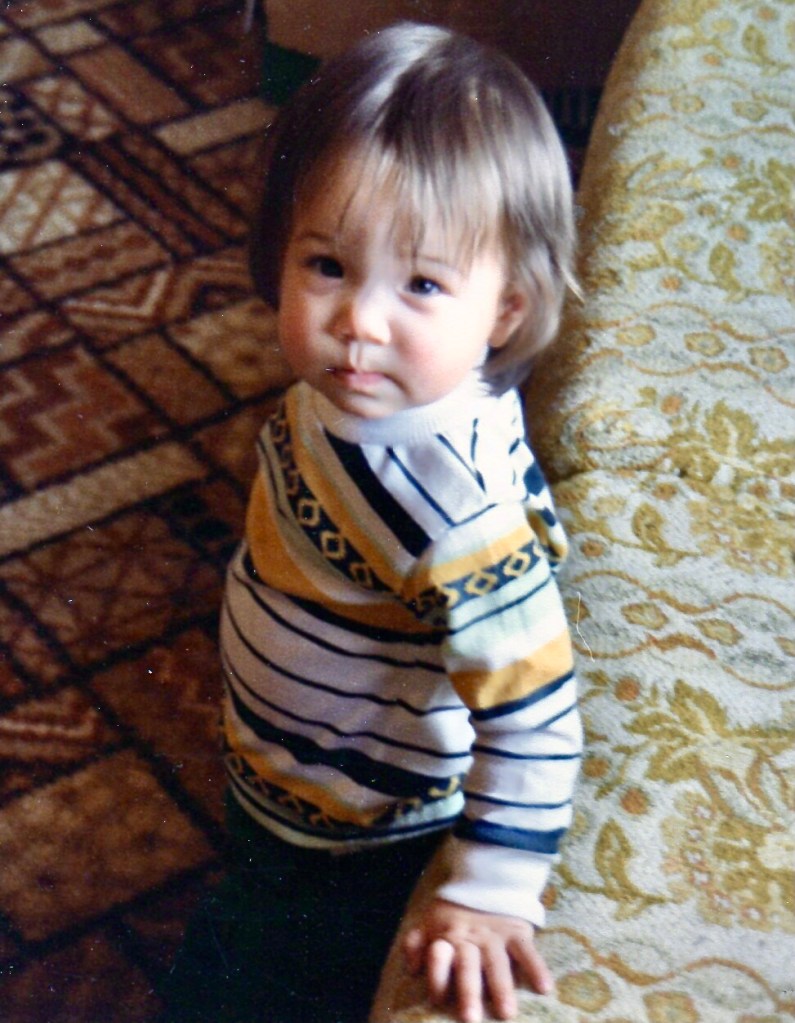
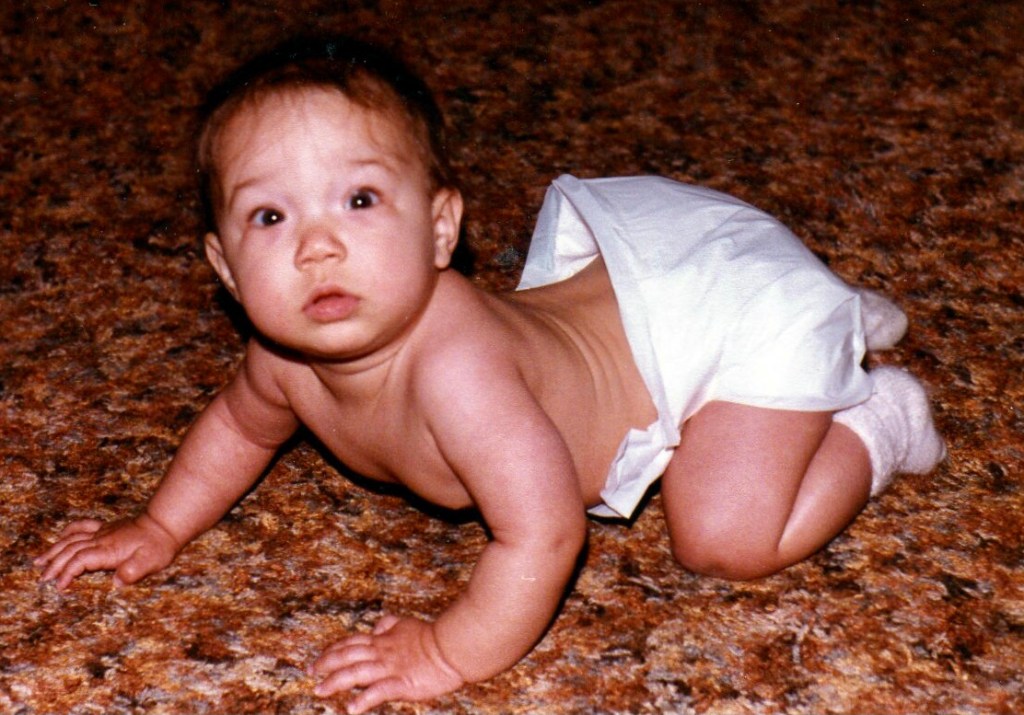
Shortly after the birth of my second child, Katrina, my family and I transitioned to Bethel from Wasilla, Alaska. The transition from Arkansas culture to Alaskan life and culture had been big but the transition to bush life was enormous. While I had been in cross-cultural settings before, that was my first experience in cross-cultural living. At the beginning of my third decade of life learning to not only survive but to thrive in a community different from mine was a challenging experience. There were not only difficult but exhilarating experiences and so much to learn—extreme climate, new foods, new outdoor activities, a local language unknown to me, new ways of nonverbal communication, new values, new customs, and just surviving in a harsh environment.
Body language is an important part of communication in all cultures. It, however, isn’t a communication form that we often think about as long as we are immersed in our own culture. In my travels I have learned (sometimes the hard way) that even simple hand signals carry conflicting interpretations culture to culture. For example, our North American game with a child of ‘getting your nose’ is to a Costa Rican and the ‘thumbs up’ sign is to a Bangladeshi the equivalent to showing the middle finger in much of the world. Oops!
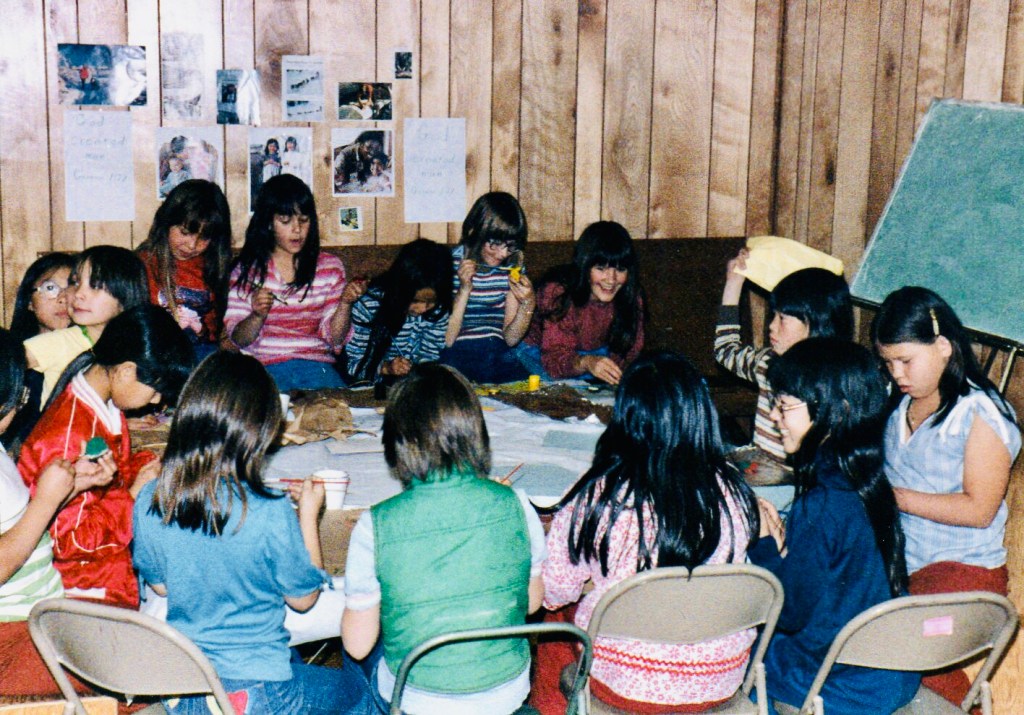
While living in Bethel I taught an after school class of girls one day a week. One afternoon while working on a project with them I asked one of the girls a question. She looked at me sweetly but said nothing. So I asked again. Still, silence. Upon asking a third time I realized that her eyebrows, almost completely hidden by her long bangs (fringe), raised slightly. Raising the eyebrows to a Yup’ik like nodding the head for me means yes. There have been so many embarrassing moments and I can’t even imagine how many more that I was completely clueless about.
Perhaps one of the most important cultural norms was one of the most challenging for me in the beginning — the social art of “being”. I grew up in the South in a mostly caucasian community. I understood fairly well the cultural norms of politeness in that community. I especially understood that the art of polite conversation was an essential skill. Being shy and introverted I never felt particularly gifted in this area but I knew for sure how to give it a good awkward try. I might add that at a young age one of my fears of marriage was wondering what in the world would my spouse and I would talk about for “till death to we part”!
I quickly learned three essentials of hospitality in my new Yup’ik community:
- Never take a guest’s coat. In that subarctic climate a coat is essential to survival. If you take your guest’s coat they may feel trapped.
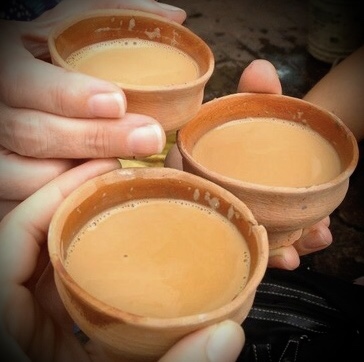
- Always offer a cup of tea or coffee. The hot beverage would not only warm their body as they came in from the cold but would create a warm, inviting atmosphere in my home.
- Never force conversation. The art of polite conversation was not appreciated in my new environment. If I asked too many questions, thus forcing conversation my guest would feel awkward and leave. In the Yup’ik community the art of just being together is highly valued. No talk is expected. Just sitting together sharing presence and a warm beverage is a lovely way to spend time and enhance friendship; it is all that was expected.
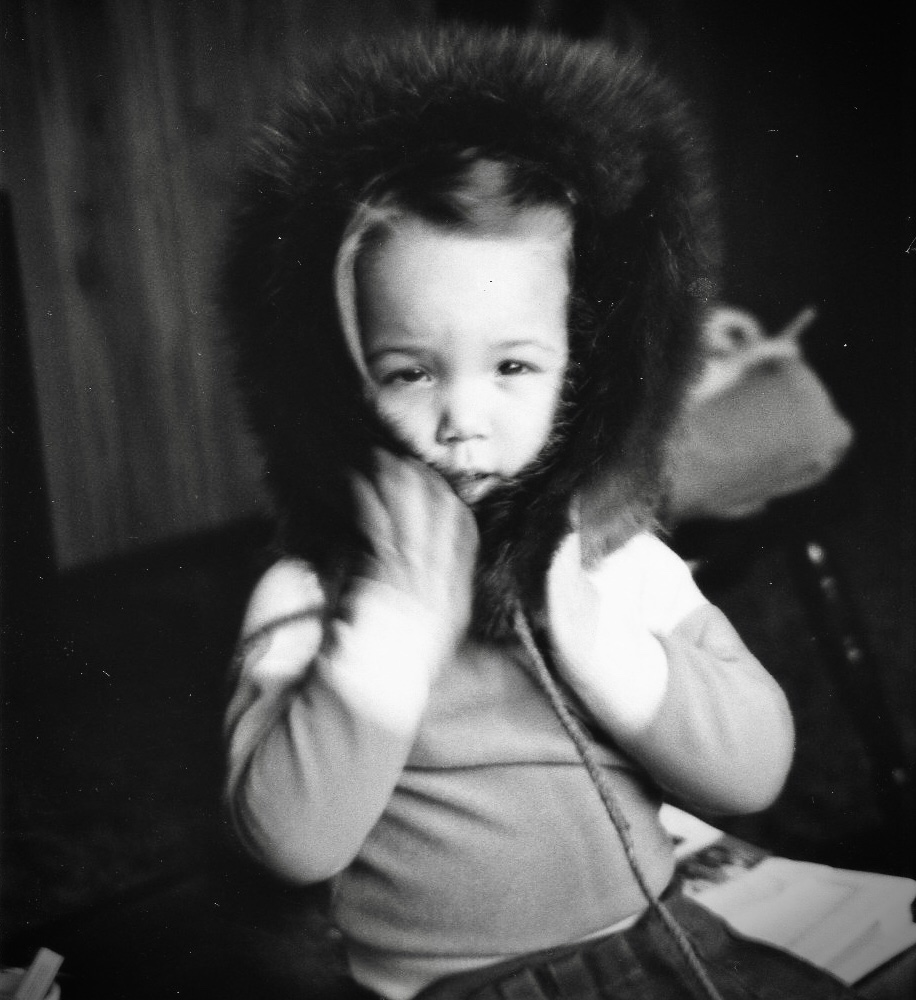
Well, for this Southern girl number three felt awkward. It seemed rude to just sit together. But the rude thing actually was to try to force small talk. One thing helped me tremendously; my second daughter, Katrina, was an infant and toddler during those years. Eskimo people love babies. So we sat, sipped coffee, watched the baby playing and giggled. I was so thankful for the reprieve of giggling at babies! Did we never talk? Of course we did. But the lack of pressure and expectation provided by just “being” together opened the door to trust and after time many deep conversations occurred.
I have been a friend of Jesus as long as I can remember. I’ve had many classes on prayer, quiet time, devotionals, and such things. Those were all extremely valuable. But recently I have discovered that I had never been taught something quite simple: the practice of just “being” with Jesus. Thankfully I have practiced silence instinctively most of my life but I didn’t actually know it was “a thing.”
The discipline of prayer is practiced in numerous forms. There is petition, supplication, intercession, groanings which cannot be uttered, tearing down strongholds, praise, worship, and more. All of these forms of prayer are essential. But there is also the discipline of selah, of “be still and know that I am God”. Perhaps the discipline of being silent before God is under practiced among believers today. Perhaps we think that prayer is only talking to God, or perhaps talking and then listening briefly. Perhaps it feels awkward to sit silently in God’s presence, not asking anything of Him nor expecting to hear anything from Him.
Over the years I have learned that when I know someone well like a spouse or close friend it is comfortable to sit together without any pressure to converse, simply enjoying being in the company of someone we love. How much more wonderful to sit in the company of the Almighty, soaking in the peace of being with Him, resting in trust, abiding in his love. We don’t have to get his attention, we don’t have to ring a bell or perform a ritual for Him to notice us; he is already there, attentive to our need, waiting for us to acknowledge him.
Jesus said that he would never leave us or forsake us and that he would be with us forever. Usually his presence is not in a doing or speaking context; he is just always there. When I sit silently with him I feel that I am acknowledging his continual residence with me and demonstrating that I am present to him as well. These times of silence before him refresh my spirit and bring peace to my soul.
Perhaps you are not familiar with this spiritual practice and would like to begin. A very simple way to practice silence in God’s presence is to seat yourself comfortably, still your mind of all the clutter shouting at you, acknowledge God’s presence and your desire to be with him, set your mind on God by letting one of his names (Jesus, Father, Abba, Lamb of God, etc.) or a short phrase from scripture float around in your mind, and rest—just be, quiet and still in his presence. Begin with a few minutes, maybe five or ten, and work up to twenty or so. He might speak to you during this time but it is likely that he won’t. He will however be blessed by you, his child, being present to him and you will be blessed as you sit in awareness of the Great I Am.
“Be still and know that I am God.” —ESV
“I stretch out my hands to you; my soul thirsts for you like a parched land. Selah” —ESV

- The Collapse
 October 7, 2018. 7 years ago today I left India, so weak I struggled to even board a plane to Bangkok while keeping my possessions together. Passport, wallet, phone, backpack, carryon, passport, wallet, phone, backpack, carryon was my mantraContinue reading “The Collapse”
 - Let All Creation Praise
 I was euphoric as two friends and I loaded our belongings onto the roof of a taxi that cool April morning. Dawn was breaking and it would be an incredibly gorgeous Himalayan day. I was embarking onto a newContinue reading “Let All Creation Praise”
 - Winds of the Himalaya – Part 30
 That One Time We Had to Build a Bridge to Get Home Lete was the last post in my journal. I am not sure why, likely because I was, after nearly two months, exhausted. Dates and such in thisContinue reading “Winds of the Himalaya – Part 30”
 - Winds of the Himalaya – Part 29
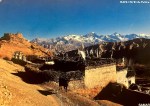 Jomsom to Lete Saturday, July 14, 2001, was a long, hard day but the view was incredible and the trek was full of joy and laughter. We set out from Jomsom at 9:00 am. The first leg of ourContinue reading “Winds of the Himalaya – Part 29”
 - Winds of the Himalaya – Part 28
 Kagbeni to Muktinath After breakfast we headed north for the four-hour trek to Muktinath. That stretch is all uphill [Kagbeni – 9200 ft, (2804 m), Muktinath – 12,343 ft (3762 m)] but not so steep as I had expected. Continue reading “Winds of the Himalaya – Part 28”
 - Winds of the Himalaya – Part 27
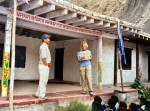 Jomsom to Kagbeni The remainder of our group arrived in Jomsom at 7:30 am. After steamy fresh bread, yak butter, wild honey, eggs, and the ever present and luscious milk tea we began the walk to Kagbeni. Since weContinue reading “Winds of the Himalaya – Part 27”
 - Winds of the Himalaya – Part 26
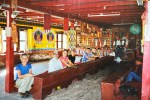 Kathmandu to Jomsom Monday, July 9, 2001, started early. The US team of sixteen representing five Alaskan churches, plus Robby and Leona and their Nepali team, and Pastor CB and his wife IB departed Kathmandu by bus at 7:00Continue reading “Winds of the Himalaya – Part 26”
 - Winds of the Himalaya – Part 25
 Final Days in Kathmandu Sunday morning I awoke feeling better, just weak so I took the day to rest and recuperate. Dudley’s team arrived from California and I moved downstairs to a lovely guest room that Robby and LeonaContinue reading “Winds of the Himalaya – Part 25”
 - Winds of the Himalaya – Part 24
 Tibetan Border Trip Friday morning, June 15, Valerie, Dudley, two Nepali friends, and me, with Mr. G. in the driver’s seat headed northeast towards Kodari on the border with Tibet, the same area I had visited with an AlaskanContinue reading “Winds of the Himalaya – Part 24”
 - Winds of the Himalaya – Part 23
 Prayer at the Palace Before breakfast on Friday, June 8, I headed to Himalayan Ezra Institute on foot since it is an easily walkable distance from Robby and Leona’s house. It was a lovely walk and I was accompaniedContinue reading “Winds of the Himalaya – Part 23”
 Coffee, Tea, and Reverie
I did a 3 day silent retreat in 2012. Learning to sit in His presence was precious!
LikeLike
Love this! I agree that “just being” can be difficult at times, but gets easier as we practice. Thank you for sharing your life experiences.
LikeLiked by 1 person