While in a coma Crown Prince Dipendra Bir Bikram Shah Dev of Nepal was crowned King. He died on Monday, June 4, and was cremated with little ceremony and few witnesses. On the same day Gyanendra Bir Bikram Shah Dev, the former king’s middle brother who was not at the ill-fated family reunion was crowned the last King of Nepal. Gyanendra was unpopular and was forced to give up power in 2006. Two years later, Parliament voted to abolish the monarchy, forcing Gyanendra to step down.
The beloved King Birendra Bir Bikram Shah Dev, whom it is assumed was assassinated by his son, Dependra, had full end of life rites afforded to a Hindu king in Nepal including cremation at Pashupatinath Temple (the Shiva temple) within 24 hours of his death. While an internet search might reveal a more thorough explanation (various actually), what follows here is what I observed and was told about those rites. The time of mourning was thirteen days. Hindu men shaved their heads except for a small tuft at the crown. A period of fasting and a prohibition on eating salt is practiced. Absolutely no music is allowed and all ceremonies and celebrations are postponed with the exception of any essential ceremony. For example, if a wedding must be carried out due to astrological signs and auspicious dates there can be no music at the ceremony. On day eleven, near the end of the mourning period, an elderly Brahman man will be chosen and will eat katto khanna, an enormous meal of 85 dishes. The ashes of the deceased king’s brain are mixed into the food so that the sins of the deceased king are transferred to the Brahman. It is believed that by that act the deceased king is then “purified” from his sin. After katto the elderly Brahman receives an elephant, gold, and many gifts and he rides away never to return. (This ceremony brings to mind the scapegoat of Jewish tradition.) In past times the Brahman had to leave the Kingdom of Nepal, however in recent times he only has to leave the city of Kathmandu and will stay in the Kathmandu Valley.
Although the verdict today is that the Prince was the guilty party in the royal massacre, when I was there most people questioned that story. Many thought it suspicious that the middle brother was absent from the family gathering. There were riots in central Kathmandu and on June 4 from 4:00 pm to 5:00 am the next morning a curfew was declared. Seven were killed near Thamal, the tourist sector of the city.
I spent the day preparing for teaching I would be giving at Daniel G’s Bible Institute which was located in walking distance from Robby and Leona’s house.
On Tuesday curfew began at noon. Penalty for breaking curfew was one month in jail; if one ran from the police they would be shot. I had only recently arrived but was already getting cabin fever, lol. Since Robby’s house was on the outskirts of the city it seemed that it was alright to be out and about so we prayer walked for a couple of hours in the area. We prayed to the Living God around a local temple for the Hindu god, Ganesh, that he would not have power over the people. Then we crossed a bridge that, having been transported from Scotland, was erected in 1907 in Chobhar Gorge. Chobhar Gorge is where the enormous Nagdaha (snake lake), inhabited by all kinds of snakes, was located. It is believed that between the years 167 BC and 1 AD a bodhisattva and disciple of Buddha, Manjushree, saw a lotus flower floating on the lake. He had a vision which motivated him to cut Chobhar Hill open with his flaming sword allowing the lake to drain. The habitable land left in its place is now Kathmandu. Various ponds and small lakes were left in the land; one, Taudahar Lake, was the residence of Naga King Karkotak (Naga means snake.). The draining of Nagdaha supposedly left countless mythological creatures that were half human and half serpent homeless which enraged the Naga King.
Jal Binayak, a temple to GaneshScottish built bridge dated 1907
In the afternoon I began Nepali language lessons with Deepak who it turned out was not only an excellent guide but a great teacher. In the evening I played cards with Leona and Robby’s youngest of three daughters. She, also a good teacher, taught me to count 1-10 in Nepali.
On Wednesday morning we prayer walked in Patan, the oldest area of Nepal. Founded by an Indian king who had converted to Buddhism, it was filled with Buddhist shrines, stupas, and monasteries.
On the way to and from as well as in Patan we passed many Hindu temples. Robby told us that in the Kathmandu Valley there were 2700 major shrines, more shrines than houses. He also repeated that in Hinduism alone there are 330 million gods.
People attach tools, pots, pans, etc. to this temple as gifts to show thanks for healing or some other answered prayer.Bhag Bhairab templeBhag Bhairab temple is decorated with knives and water buffalo horns from sacrifices.Hindu ceremonywomen washing clothes
We then returned home believing there would be curfew at noon. Riots broke out in Baktapur so indeed a curfew was implemented. I had language class in the afternoon. In the evening everyone was glued to the TV for news concerning the ongoing events. I could not understand except what my friends translated for us Americans. In a nutshell, results of the investigation of the murders began at 10:00 am and they are allowed three days to come to a conclusion. (Interestingly the only time I saw the family watching their tiny TV was to hear news concerning the massacre.)
On Thursday the seventh we walked from Robby’s home east 1 1/2 hours to a Newar village located south of Patan. There we visited with the pastor of about 125 locals.
From there we walked to Harisiddhi through a beautiful, lushly green, peaceful sheep pasture to pray against a shrine to Kali, goddess of destruction. Next to the shrine was a government school, wooden, painted clean and white (very unusual in a land of stone and brick buildings). A flock of sheep were quietly grazing behind the school. Except for the shrine the scene made me think of “The Lord is my Shepherd.” A group of children were playing around the shrine. Before we prayed Robby explained to us that at that shrine a human sacrifice is performed every twelve years. I was stunned. I felt sick. My ‘discerner’ must have been terribly off. This must have been a terrible enemy stronghold but all I had recognized was the (evidently deceptively) peaceful area around. I felt confused.
shrine to the goddess Harisiddhi
We walked back home a different route and visited with the pastor of a huge church that had connections to Peter Wagner. I was very thankful for that encounter to wind up the day rather than the previous one.
Preparations for Himalayan trekking in Nepal had become quite easy, almost routine. Trip 3, though, would be in summer and would, for me, be two months long as I was going six weeks ahead of the team. One other difference, I had been sternly warned to be sure my heart was pure and relationships were good or the adversary would have a foothold in my life with disastrous consequences. So, there was much soul searching and multiple apologies to anyone I might possibly have offended, and I felt led to embark on a forty-day liquids only fast. While I won’t say that it was a breeze, because God was leading and I had a clear focus of prayer, it was not too bad.
Fast completed and bags packed, a somewhat thinner version of me boarded Alaska Airlines early morning of Friday, June 1, 2001, for the long journey to Kathmandu excitedly anticipating what I would experience and see God do in the next weeks. Anchorage – Seattle – Tokyo – Bangkok were great flights with nothing unusual. But the news I received upon landing in Bangkok was heinous. After collecting my baggage, while I was approaching the airport door to go to a nearby hotel for the night, a group of Thai airport personnel gathered around very animatedly informing me that the Nepali King was dead. While I was somewhere over the Pacific Ocean the Royal Family had been assassinated at the Palace in Kathmandu. I was bewildered. So someone ran and got a newspaper and showed me the front page. I could not read it but I recognized the face of the King of my beloved Himalayan Kingdom. And the people were clearly saying King dead, airport closed. After a very late hotel check-in I crawled into bed with no idea what the morning would hold. When would Tribhuvan International Airport open? Would I fly on the morrow? Or would I be stranded in Thailand indefinitely? I had no idea. But thanks to travel exhaustion I slept soundly.
The next morning I arrived at the airport and was greatly relieved to learn that the airport in Kathmandu had opened. In the boarding area I met two British men (from Northern Ireland if I remember correctly) who were traveling to Nepal to check the security of the mission hospital in the west of the country and to do security training for missionaries working in Nepal (the Maoist uprising had only grown since my last visit). I was interested to learn that they had also trained missionaries in Colombia where I had lived in the 80s. They were able to inform me that apparently the oldest prince had shot almost the entire royal family as they dined in the Palace gardens because he was not permitted to marry the woman he chose (arranged marriages are the norm in South Asia). He had then evidently shot himself. Nine people were dead including the King and Queen, his parents, and his two younger siblings and the King’s younger brother. The King’s middle brother and his wife were not at the dinner but their son (known as the “terror of Nepal”) had escaped the shooting. The Crown Prince was in a coma on life support. Over the next weeks I would learn much about Nepali culture surrounding death, especially the death of a king, and Hinduism in general.
Arriving in Kathmandu just after noon on Sunday, June 3, I was taken to Robby and Leona’s house. Dinner was with their family as well as Deepak, Danial G, and Valerie and Dudley from California who where also on a short term trip. I would room with Valerie in spacious rooftop accommodations with an incredible view of the Himalayan Mountains as well as a close-up view of rice transplanting.
Rice plant starters are transplanted to paddies at the start of monsoon rains.next door neighbors
St. Cuthbert’s Way, Days 7 & 8, Lindisfarne, Holy Island
Finally the most highly anticipated and incredible day of the pilgrimage had arrived. This is the day we walked the three miles across the North Sea to Holy Island and then one more mile to the town of Lindisfarne.* It was amazing and it was wonderful. And, of course, far more than I had expected.
*Lindisfarne – lindis means stream or pool (or torrent or cascade); farne means land (can also mean pilgrim). This reminds me of Psalm 84, my pilgrimage Psalm, in particular verses 5-7.
“What joy for those whose strength comes from the Lord, who have set their minds on a pilgrimage to Jerusalem. When they walk through the Valley of Weeping, it will become a place of refreshing springs. The autumn rains will clothe it with blessings. They will continue to grow stronger, and each of them will appear before God in Jerusalem.” Psalms 84:5-7 NLT
A major place where my sister senses God’s presence is around water. She had already reveled in all the streams and rivers we had passed. But today she would walk in the North Sea and she was ecstatic. As for me, I am a mountain person. But I do very much love walking on a beach on the wet sand just where the waves lap across my feet. Something about that soothes my soul. This day would be no different.
Below are images of the first part of the 3-mile walk. The idea of leaving our footprints in the sand was very significant to us. When we stepped off the causeway onto the beach a professional photographer was working and he graciously agreed to snap some photos of us beginning the walk. Lindisfarne can be seen on the horizon.
We set off as soon as the tide was out at noon. Much of the walk was on ‘dry’ sand. There was enough sun to keep us warm and it shone dramatically against the clouds. The tide pools were cool but not one bit uncomfortable to our bare feet. The feel of the sand squishing beneath my feet was wonderful. As we walked along we looked for shells and unusual rocks, fully basking in nature and in the presence of the Almighty Who had brought us there. On that stretch I thought much about the Song of Moses — “My Lord, my God, my strength my song has now become my victory!.. The Lord is God and I will praise Him; the Lord is God and I will exalt Him!” (Exodus 5:1-2) and I thought much about Him leading Israel across the Red Sea to freedom. I don’t have words to describe the incredibleness of the experience. It was ethereal. Even now to recount the day my heart beats a little quicker and my eyes fill with tears of joy.
weirdly deep water for low tide — below right, “We made it!”
It was our understanding that the water would never be more than knee deep. However somewhere about halfway or a bit more into the walk it got somewhat difficult as the water got deeper and deeper. Finally it came up as high as mid-chest and there was a strong wind with waves coming from my right side. Not long before we had met two ladies walking toward us. They were fine and did not mention any problems so we assumed that all was well ahead. However a large group was behind us and we noticed that, after meeting the women, they turned around and went back toward Beal. The deep water was frigid. I, strangely, never felt cold in my core. My feet however were numb and it felt like I had blocks attached to the end of my legs. That and the depth of the water and the waves made keeping upright tricky. Finally Julie and I walked arm in arm to keep our balance. I thought of the 3-strand cord of Ecclesiastes 4:9-12 during that stretch because I could not have done it without my sister and, of course, Jesus.
“Two people are better off than one, for they can help each other succeed. If one person falls, the other can reach out and help. But someone who falls alone is in real trouble. Likewise, two people lying close together can keep each other warm. But how can one be warm alone? A person standing alone can be attacked and defeated, but two can stand back-to-back and conquer. Three are even better, for a triple-braided cord is not easily broken.” Ecclesiastes 4:9-12 NLT
(I believe that walking through the high water is symbolic of my physical breakdown and collapse in Asia which forced me to return home.) God promised, “When you pass through deep waters, I will be with you; your troubles will not overwhelm you.” – Isaiah 43:2 (GNT) He has been faithful to His Word.
Across the sands just off the beach is a bench where pilgrims can sit to rinse off their feet and put on shoes. I had brought a thermos of hot water and Julie had brought foot warmers. Neither did a lot to warm my feet but the feeling did return before I put on sandals for the walk to the village of Lindisfarne. (From the high water to the village represent my sabbatical and recovery.) We arrived at Rose Villa where we were shown to our room. I was first to savor a warm shower. When I was done Julie gave me the news. Her passport which she had put in her pocket to keep it safe had washed away into the North Sea. She immediately contacted the US Embassy to start the process of getting a replacement or some other document for travel home.
beautiful walk to the villageRose Villa B&Bstreet view from Rose Villa
She, having done what could be done, got out of her soaked clothes and showered, and we headed out to make dinner reservations (the innkeeper advised us that would be wise) and for coffee. The first hotel we came to was Manor House Hotel . It had a wonderful outside seating area with a view of the sea and of Lindisfarne Castle in the distance. I said, “Let’s have coffee here.” The coffee was good, the view was spectacular, the ever present breeze was lovely, and the now expected canine restaurant guest was amusing. It was a lovely afternoon. So, we made dinner reservations inside and then wandered around the village a bit. Dinner that night was, as always, spectacular. Julie ate mussels again and I had sea bass cooked to perfection with samphire (bucket list, check!) on the side. We returned to our B&B room euphoric. Perhaps more full of joy and peace than I had ever felt. I wrote, “I am overflowing with peace tonight.” Our thankfulness to God was extreme! It was serendipity. The veil between heaven and earth was indeed thin.
Lindisfarne Castle in the background as seen from Manor House Hotel’s outside dining area
Wednesday, March 20, was rainy, not stormy but a gentle, peaceful rain—a cozy drizzle. We started out slow, our goal for the day was to explore the town. It was a wonderfully peaceful, restful day. First we explored St. Cuthbert’s Center, the official end of the pilgrimage. The center is abundant with information including prompts for continuing the contemplative experience of the pilgrimage once back home and upstairs in a corner sits a coracle, which is shockingly tiny.
Mid afternoon we found a coffee shop and enjoyed a cappuccino and a snack. While relaxing I asked the barista where we could see the copy of the Lindisfarne Gospel pages that I had read were on display. He replied that he didn’t know, that he was not a religious person. I was taken back. How could one live here and not feel the tangibly overwhelming presence of God!? I was so full of joy and peace that I felt I would burst if He made Himself any more palpable; it was bliss. For us Lindisfarne was truly a taste of heaven.
My sister’s insightful words explain it well, “Those who aren’t looking for Him can’t sense the thin place, they don’t feel what we are feeling.”
Lindisfarne Castle from the Priory (My sister has such a great eye for photography!)
We then walked back across town, made dinner reservations at The Crown and Anchor Hotel Restaurant, and headed to the priory located nearby. The monastery was founded in AD 635 by Irish monks and is situated beside the ruins is St. Mary the Virgin Church. The church is beautiful, full of relics and, ta-da!, the copy of a couple pages of the Lindisfarne Gospels. The original was produced on vellum (calf skins) about AD 720, presumably the work of a monk named Eadfrith who passed away shortly after completing the work. It is currently on display in London at the British Museum.
Saint Mary the Virgin Churchwood sculpture of Cuthbert’s body being carriedcopies of pages from the Lindisfarne Gospelsview of the North Sea from the church
After exploring the priory ruins and the church I began feeling cold, tired, and was hurting. So we went over to the restaurant where we would have dinner and ordered afternoon coffee. Sitting on a comfy sofa and sipping the warm beverage I felt rejuvenated. [The day in Lindisfarne symbolizes my “Third Thing” (as mentioned in the Introduction, Pilgrimage Part 1). It is simply the time I am experiencing now, becoming more contemplative (represented by St. Cuthbert’s Center) and dedicated time to writing my stories (echoed by the history of the priory and the area).]
Even the servers and cooks spoil doggy guests.Puppy love and coffee.
We returned to our room and there Julie checked her email and said, “I am sorry but we have to leave tomorrow. I have an appointment at the Embassy in London at 7:30 am Friday.” That actually was great news because she wouldn’t have to miss her flight home. Abbreviating our stay in Lindisfarne was okay with me because I felt that my time there was complete. We had planned to explore the island and the castle on Thursday but I had told my sister that she should go alone and I would just quietly bask in God’s presence there in town. So we checked the tide table, booked train tickets, and scheduled a taxi to the station.
In the evening we had our final dinner of the pilgrimage. We shared cauliflower soup, pot roast with the trimmings gourmet style, and rice pudding seasoned with masala tea spices and simmered in coconut milk. For me it could not have been more perfect.
Friday morning while Julie was procuring an emergency passport, God visited me in the hotel room over my morning tea. He did so so much in me on the pilgrimage and now He was beginning to explain it all to me. It is all so unbelievably amazing and I am so so grateful He gave me this time. He is wonderful and I am in total awe as all of the pieces are coming together in my understanding. I went on pilgrimage to meet with God. He drew me on pilgrimage to put together the puzzle of the pieces of my life, to show me how much He loves me, and how He has walked with me and has carried me and shown Himself faithful every single step of the way. God is and has always been holding me in the coracle of the palm of His Hand. When I was in trouble He either infused me with strength to take one more step, or sent help, or both. He has always had a plan to get me through. Even when I got off trail He faithfully brought me around to the place He had planned for me.
Instead of mingling my sister’s experience with mine I am posting her description below so as not to break up her beautiful summation:
“The highlight of the whole trip was walking the sands. I loved Holy Island and was sad we couldn’t stay the whole 3 days like we had planned, but it was no different for me than the rest of the trek. I just felt extremely close to God the whole time.
I feel losing my passport was God helping me learn to trust him and not be scared like he had talked to me about the night at Morebattle. I was so at peace about the whole situation. It was a calm I don’t ever remember feeling before.”
On FB she posted, “Isaiah 41:20 ‘Fear thou not; for I am with thee: be not dismayed; for I am thy God: I will strengthen thee; yea, I will help thee; yea, I will uphold thee with the right hand of my righteousness,’ The North Sea got a little intense. I lost my passport.
I have always been afraid of everything. I’ve read and re-read Bible passages trying to get a better grip on this. This trip has helped.
St. Cuthbert’s Way begins in Melrose. It was recommended we eat at a restaurant named Eden before we hit the trail. As we left, I mentioned to Jackie we are leaving Eden on our trek to heaven. And what a trek it’s been. So many wrong turns, having to get ourselves back on the path. We have met so, so many angels to help us. And today we crossed over to Lindisfarne, which in my mind was representing heaven. The walk across the Holy Sands was everything I had prayed it would be.”
our footprints in the sand, Julie’s left, Jackie’s right
In this fallen world we will have troubles. All of us have struggles in life. Science tells us no one has a perfect genome, some suffer physically more than others. I, as many, have seen “dark nights of the soul” and have at times walked a difficult path. We all have struggles but through those trials God is able to refine and grow us more and more into His likeness. My deep longing is that my life has made God’s glory known and that His power and love have been seen working in me.
"..Jesus answered,..
This happened so the power of God could be seen in him.”

John 9:3 NLT
Below I share a beautiful prayer for those who are healing from trauma.
“For Someone Awakening to the Trauma of His or Her Past”
—John O’Donohue, To Bless the Space Between Us, A Book of Blessings

For everything under the sun there is a time.
This is the season of your awkward harvesting,
When pain takes you where you would rather not go,

Through the white curtain of yesterdays to a place
You had forgotten you knew from the inside out;
And a time when that bitter tree was planted

That has grown always invisibly beside you
And whose branches your awakened hands
Now long to disentangle from your heart.

You are coming to see how your looking often darkened
When you should have felt safe enough to fall toward love,
How deep down your eyes were always owned by something

That faced them through a dark fester of thorns
Converting whoever came into a further figure of the wrong;
You could only see what touched you as already torn.

Now the act of seeing begins your work of mourning.
And your memory is ready to show you everything,
Having waited all these years for you to return and know.

Only you know where the casket of pain is interred.
You will have to scrape through all the layers of covering
And according to your readiness, everything will open.

May you be blessed with a wise and compassionate guide
Who can accompany you through the fear and grief
Until your heart has wept its way to your true self.

As your tears fall over that wounded place,
May they wash away your hurt and free your heart.
May your forgiveness still the hunger of the wound

So that for the first time you can walk away from that place,
Reunited with your banished heart, now healed and freed,
And feel the clear, free air bless your new face.
I am so thankful for the healing that God has brought to me through the actual walking of this pilgrimage as well as in the following days as I processed and documented my journey. God is good and He is a faithful guide Who greatly loves His beloved ones.
St. Cuthbert’s Way, Day 5 & 6, Kirk Yetholm, Wooler, Beal
The drive to Wooler was beautiful and it is beginning to sound cliche’ but everywhere we went was gorgeous and after a while words run out. We crossed the border from Scottish Borders, Scotland, into Northumberland, England, for the final segments of St. Cuthbert’s Way. To our surprise while the landscape remained the same in England, the people and culture, including accent, changed immediately. Julie wrote, “It’s like crossing state lines here. Immediately the accent and phrases changed. I much prefer the Scottish speech to the English. My favorite is that every Scot greets you with How ya’. (pronounced Hi ya)” This leg of the pilgrimage is the most difficult to walk because it climbs into the Cheviot Hills. We traveled by car but I have read that some of the ascents are quite steep.
On arrival we dropped our bags at Black Bull Inn. It was Sunday and after church everyone spent the rest of the day in the inn’s pub/restaurant laughing, shouting across the room at one another, watching sports on tv and just enjoying themselves together. It was a lovely thing to see. Pot roast was on the menu for lunch and I was sad that I had eaten a big breakfast because the plates were piled high and it looked and smelled delicious.
I spent the day exploring the churches and gardens.
We then headed out to explore. Because it was Sunday all of the shops were locked up tight; there were no sales except food, even the pharmacy was closed till evening. It was super peaceful and in the words of my sister it was “so refreshing”. Julie checked her trails app and found many in the area. So while I prayed and explored the cathedrals and reveled in the extensive gardens outside one church, she decided to hike. “I walked the ancient battle grounds today in Northumberland. I intended to take a short hike, but of course I got off track three times (face palm) and it turned into quite a hike. The scenery was amazing and every step got prettier and prettier. I was on all fours again today because the hill was so steep I was afraid of falling backwards.”
Julie spent the afternoon hiking a trail that runs through an old battlefield..
In the evening one gift/book/Bible shop opened and I enjoyed exploring the many books and, unique to me, items on offer there. We dined at the only place open that evening. Milan Restaurant, situated down the ally just beyond our hotel door, is incredible and quite fancy for such a small town. Julie enjoyed Shetland mussels in wine, garlic, and herb cream. I treated myself to a luscious ribeye.
Symbolism
The pilgrimage, for me, was an allegory of my life. I will tell the story of each day’s trek and following each daily description I will share the particular symbolisms and their meanings as God has shown me for the events and places of that day.
Wooler symbolizes my years in the Himalayan region of South Asia. While the Cheviot Hills are lovely they hold no comparison the the magnificence of those snow-clad Himalayan peaks that I love so much. I am, however, sure that is the location they reference.
The cultural change and language differences represent the different people group that I lived and worked among. The language there is quite difficult but, just as ‘hi ya’ is easily mimicked, I did manage to conquer the the local greeting very quickly. LOL
The town was closed all day. The cultural group I lived among has fought hard to maintain their uniqueness and so is tightly closed to other spiritual ideas.
The bits of sun that afternoon and the gorgeous gardens mimic God’s grace that shone on the work of my team.
The shop that opened in the evening and the sumptuous meal before my retiring (for the night) shadow the door that God has opened through the team’s business and the many relationships that have been cultivated through the past several years.
Day 6. Wooler to Beal
In Kirk Yetholm we were advised to book ahead for our final nights of pilgrimage. Since Fenwick had no rooms and Beal was closer to the beach and causeway to Holy Island we booked a room there at Lindisfarne Inn. We wanted to spend three nights, two full days on Holy Island. But there were no vacancies for three consecutive nights, even though it was off season. After a bit of prayer, thankfully I found a B&B, Rose Villa, and scheduled our last nights there.
Arriving late Monday morning in Beal with Julie feeling poorly, we declared a rest and recovery day. Of course, we couldn’t get into our room yet but thankfully the dining room was open and so we spent our time there snacking and enjoying the “dogs welcome in restaurants” culture.
The walk across the sands to Holy Island was the highlight of our pilgrimage and we had said all along that for that final stretch walking was the only option. For us that was the most important segment of the St. Cuthbert’s Way pilgrimage. The tidal causeway as well as the sands can only be accessed at low tide. Once again God was faithful. The tide would be out next day from 12:00 noon until 9:30 pm. So we planned to checkout and be on our way at noon. We both very much wanted to walk barefoot across the sands which is the traditional pilgrimage way. I, however, had been nervous the past few days about the cold waters of the North Sea in March and told my sister that I while I desperately wanted to walk the sands barefoot I was nervous so might walk the causeway while she went the traditional route. But, some kind fellow travelers assured us that cold water would not be an issue in the tidal pools. So, greatly relieved, I made the decision to walk the pilgrim route in the pilgrim way and perhaps sensed that God was smiling.
St. Cuthbert’s Way, Day 4, Morebattle to Kirk Yetholm
Saturday morning was one of my favorite portions of the pilgrimage. On awakening Julie asked me if I slept well. “No, I slept very little. Not for any reason, I just could not sleep.” “I didn’t sleep at all until early morning, maybe two hours ago,” she responded. Then she told me about her night. It was glorious. God talked to her all night..for hours and hours. “Last night I realized what this pilgrimage is about for me. I was praying for answers about the urge to do this and the answers came through loud and clear,” she continued. God told her that she needed to stop praying for herself but rather to pray, “What do You want me to do for You?” and she immediately committed to do exactly as He said. “I always prayed for God to help me because I’m always so scared of everything. And I’m much better about fear than I was before the trip,” is her current report! She had told me that she wanted to be a “saint,” meaning that she wants to be pure enough to see God’s face. Through the night she kept begging Him to show her His face. Finally He responded by letting her hear His voice, not actually audible to human ears but in her spirit and in a way that shook her to the core. It was like electricity shooting through her body and when she could bear no more she said, “Stop, please let me sleep!”
We discussed the pilgrimage so far. She told me that for her it was phenomenal; the only thing she could think while walking was, “It’s so beautiful. Thank You!” She felt bad telling me how wonderful it was for her because she knew I was having such a hard time. I said, “Please don’t feel bad to tell me; that is what was keeping me going.” I have to admit that I was feeling a little jealous and asking God why I couldn’t be having the same kind of experience; that is what I had hoped for in coming on pilgrimage. Julie kept thanking me for coming because she would not have come alone. I had to thank her as well for coming; I would have come alone but the unexpected hardship on the trail would have been difficult to impossible without her along. It was obvious that both of us were destined to be there together and the trip would not have been complete otherwise.
Then we talked about being Marys and Marthas. We both are Marthas that want to be Marys. I said aloud that yes, but it’s not bad to be a Martha, someone has to do the stuff. Silently I prayed, “God, if I am only here for Julie then that is okay with me.” Julie says, “I was blessed to be Mary the entire trip.” That makes me very happy. Later Julie told me that ‘her’ song is “I Saw God Today” by George Strait and related to me a time that, when she was seeking a deeper relationship with God, He had miraculously demonstrated His presence to her.
I was amazed as we shared our spiritual walks as well as what we hoped for on the pilgrimage. Even though we have lived most of our adult lives separated by a thirteen year age difference and thousands of miles, our walk is very similar in the things He is working in us and in the ways we are wanting to grow. Also similarly we both suffer from related immune disorders and both of us were grieving the loss of careers that we loved. We were very thankful for God’s presence, provision, leading, and protection thus far.
After a wonderful time of bonding and sharing what God is doing in each of us we determined that it would be better for both of us to complete the next three days by car or bus. So, when we went down for breakfast we booked a room at Border Hotel in Kirk Yetholm, the halfway point of the pilgrimage, and scheduled a taxi pickup.
After three days of rain, March 16th had dawned gloriously sunny and remained so until late afternoon. Our day in Kirk Yetholm was wonderful—peaceful and relaxing. While Julie walked the loop of St. Cuthbert’s Way that passes Kirk Yeltham and spent time at a church, I explored the Yetholms, Town Yetholm and Kirk Yetholm. Near our hotel was a sheep pasture filled with beautiful, frolicking lambs. A rushing river divides the two towns and, although it was still winter, spring flowers were coming out everywhere through the rest of the trek. The towns are stunning, ancient-looking and exactly what movies about rural Scotland look like. The cathedrals also were built many years ago and I spent time praying and exploring the one between our hotel and the sheep pasture.
feisty little lamb
I love church bells and we heard them in all the villages.
It was mid-trip and I was pretty grimy. Our room was equipped not only with a radiator and heated drying rack but there was also a heated towel rack! What better place to do laundry than here. Julie went first; she had been washing most nights so had far less than me. When she was done I went to work on my mess using both the huge bathtub and the lavatory. Scottish mud does not wash out by hand. I would smell better but still be grungy looking till I got home to my wonderful washing machine.
There are no supermarkets in the rural areas, but the larger villages have a shop. In this shop was an interesting selection of potato chip flavors.
Late afternoon a storm arrived. The latch on one of our windows was broken and the strong, cold wind kept blowing it open. “For some strange reason it made my heart happy,” Julie says. As I love the sound of heavy rain pounding on the roof we both had happy hearts that evening.
The following is Julie’s FB post of the day: “The hotels here are ancient! We have been receiving 2 keys. One to our room door, and one to the front door of the hotel. We are here off season and the staff are often not here. Tonight we do not have a room number. We are staying in room Tweed. The hotel cooks all our meals and they are so, so delicious. Today I included one page of the menu because I had to spend a little time on google to know what to order. I also included a video of me trying to find our room after returning from the trek. This was my second try. Third time I finally found it!” (sadly the video is lost)
The food at Border Hotel was, of course, delicious! For lunch I ordered the beet and goat’s cheese salad and we ate in the sunroom soaking up all of the glorious but scarce rays we could. The dressing was out of this world! For dinner Julie ate scampi and again I went for a burger, perhaps indecision?? For the first time I was offered regular chips or skinny chips. Well I can get skinny fries anytime and once again we launched into the ongoing “why are potatoes so much better in Scotland?” conversation.
Interesting Sights
Symbolism
The pilgrimage, for me, was an allegory of my life. I will tell the story of each day’s trek and following each daily description I will share the particular symbolisms and their meanings as God has shown me for the events and places of that day.
Kirk Yetholm represents my years in Kolkata (Calcutta), India.
The spring flowers and beautifully sunny day symbolize the joy of my new life and fulfilling my calling.
The pasture full of feisty baby lambs picture the fruitfulness of my time there. Besides my personal spiritual growth I was involved in a number of aspects of ministry from helping street children to writing curriculum. A huge portion of my time was spent in an impoverished sector close to my apartment. There I taught English, started a Sidewalk Sunday School for the children, met weekly with the young men of the community, worked with the women, and so much more. I left part of my heart in that neighborhood and have friends there who still call me Mom and thakurma (grandmother).
Doing laundry represents beginning to heal from all of the triggers I had developed through my previous life. I have come a long way in that regard but still am working on those; I pray that all who have unknowingly set those off can forgive my reactions. Counseling, classes in Christian Spiritual Formation, contemplative practices, and time have and are helping greatly. Just as the mud did not come out easily the more deeply ingrained trauma takes more work to heal from.
Getting lost in the hotel reminds me of how disoriented I felt in that crowded city of ten million. After several months I bought a map, studied it for a few minutes, and from then on I felt that I knew where I was. It also represents the great difficulty I had in adjusting to South Asian culture which is vastly divergent in most every way from my birth culture. I had major and long-lasting culture shock. Even shopping for food left me mentally paralyzed; the shelves were full of foods completely unknown to me, what they were and how one would cook with them were a mystery to me. Thankfully I lived with my mentor who patiently fed me until, after three months of shopping with her, I finally purchased my first food item.
Facing us upon waking was the decision about how to plan the day ahead and the next segment of the pilgrimage. Although I felt much stronger I was feeling dread, like a foreboding, at the thought of trekking again. I was certain that my sister wanted to walk and not wanting to ruin her trip I didn’t express that out loud. I felt certain she sensed my reticence; she did not. We studied the map and it appeared that the trail ran by a highway three or four times including passing by a couple of villages. Finally after much pondering she said, “I think that since we will have some ‘tap out’ points we should give it a try.” I swallowed my fear and said, “Okay, let’s do it.” (Was my voice quivering I wondered.) We quickly dressed and headed down to breakfast. Neither of us wanted to eat so early but knew we would need strength for the day ahead. The previous morning I literally choked food down my throat (I usually don’t eat till 10:00 am.) so as Julie asked for a Scottish breakfast (eggs, sausage, bacon, haggis, grilled tomato, beans, mushrooms, bread) I ordered porridge (oatmeal) thinking that would maybe slide down to my tummy easier and asked for two boiled eggs to pack.
Calling a taxi to transport us the three miles back to St. Cuthbert’s Way we stepped outside to a seemingly perpetually cloudy sky, however rain wasn’t forecast till afternoon when a storm would cross our path. Evidently every Scottish taxi driver is incredibly friendly, encouraging, and helpful; this one offered tips for the day, dropped us off just past Harestanes, and pointing out where the trail crossed the road sent us off in the right direction with assurance that today would be an easy walk. He also shuttled our backpacks to our reserved hotel in Morebattle. We stepped into another incredibly gorgeous forest like on Day 1 with a gentle breeze brushing our skin and an avian orchestra welcoming us back. It felt like walking in a fairy tale, bright green moss and Tolkien-inspired humanoid trees included. I breathed in the woodsy air and felt that it was going to be a wonderfully marvelous day. Julie mentioned that today we would walk by the River Tweed and since we had missed it the previous day we were excited to see the river today.
After trekking for a time we encountered a trail sign and stopped. It pointed right for St. Cuthbert’s Way but I was confused because that path had a couple of barriers (I realize now that they were to prevent motorized vehicles.). The sign pointed straight ahead for a river view just a few feet ahead. Excited to at last see the Tweed we hurried to the lookout point and stopped to take photos. Then, we headed left on a trail that emerged from the forest with the river on our right and fields still fallow from winter to our left. After some distance we found a fallen tree to sit on and take a rest. Julie told me a story she had read about Cuthbert that occurred in approximately that spot:
“There was a monastery there on the south side of the river and the monks used to cut wood from further upstream and float down with it on rafts. Cuthbert was standing watching them one day when suddenly a gale blew up and the rafts were being swept right past the monastery, out to sea. The monks on the south shore were horrified and put out a rescue boat. When that didn’t work, they began to pray desperately. On Cuthbert’s side meanwhile, a great crowd had gathered, jeering. He knew better than to argue with them. He appealed instead to common decency: wouldn’t it be more human, he asked, to pray for the poor wretches rather than glory in their distress? The crowd turned on him then. They hated the monks for their peculiar way of life and new-fangled ideas. ‘They have done away with the old ways of worship,’ they said, ‘and now nobody knows what to do.’ No one was going to pray for the likes of them. Cuthbert listened–something he would be good at in later years–then did the only thing that made sense to him: fell to his knees and bowed low. The wind veered and the rafts came safely to shore. Taken aback, and no doubt a little embarrassed at being shamed by someone so young, the Tyne-siders stopped jeering and regarded him with a new respect. Maybe God was behind this peculiar faith after all.” (St. Cuthbert’s Way: A Pilgrim’s Companion by Mary Low)
River Tweed
As we continued on our way we could hear voices and the barks of shepherding dogs from across the river. Julie said, “At some point we are supposed to cross the river to get to Dere Street. (Dere Street was a Roman military road built between AD 79 and 83 by order of the imperial governor who had conquered northern England. St. Cuthbert’s Way runs along the route of Dere Street for a few miles.) She then checked her hiking app and said that we were going in the wrong direction. “What..again!” I was thinking. So as the wind was picking up, a light rain was starting, and I was feeling blisters forming on the toes of my left foot we began retracing our steps. I saw a woman and her children across the river and shouted to her, “Where can we cross the river?” She replied, “A mile that direction.” Finally reaching the signpost we had previously passed we turned onto the correct path and I sat down on a huge log to tend to my stinging toes. After covering each of the five toes with a generous layer of duct tape we headed off, this time in the correct direction.
Soon we came to the surprisingly elaborate bridge. A brutal wind was blowing down the river and the rain was pummeling us so Julie pulled out her rain poncho and asked me to help her get it snapped. I was hindered by the raging wind so said let’s cross the bridge and I would help her on the other side. When I had crossed I looked back and she was still in the middle adjusting the poncho.
Our trek then was on the opposite side of the Tweed and we kept watching across the way for the landmarks we had passed twice already. The walk through the sheep meadow was exhilaratingly beautiful. There were quite a few sheep still out even though the storm was approaching early and the wind was frigid, and we were delighted as we passed fairly close to a ewe which had just given birth to twin lambs. After the sheep pasture we walked through a treed space and then before us was an old, stone bridge and the highway. I sat on the highway guardrail and threw my left leg over. But I could not pick up my right foot at all; evidently I had injured something in my lower back or hip when I fell on Day 1. I reached my hand out to Julie and told her that I could not lift my leg, that I needed her to pick up my foot and put it over the guardrail. Once onto the shoulder of the road Julie suggested we follow the highway to a village. The thought of walking along the busy highway was disconcerting. I looked at my map and saw that Crailing was the next village and St. Cuthbert’s Way passes by it, so said, no, let’s just stay on course. So we crossed the road and headed off on a trail through more pasture land.
My lower back was increasingly giving me discomfort. It was raining and muddy and there was no place to sit but I needed to take some pain medication. So standing on the muddy, rutted trail I pulled out the boiled eggs that I had packed, gobbled down one, and swallowed the ibuprofen. It did nothing. The pain kept increasing. We passed a trail sign that read “In case of emergency call Mountain Rescue at 999.” As I was mentally noting the number, Julie pointed the sign out to me. I learned later that she was thinking we were going to have to call that number. I had the same thought but prayed that wouldn’t be necessary.
As we entered a wooded area the storm was upon us. A strong, frigid wind was against us and I realized that the hoodie I was wearing under my outer coat was soaked, making the wind seem even colder. We pushed on believing that we must be approaching Crailing. Suddenly two pilgrims overtook us, the first we had encountered on our journey. One was celebrating his seventieth birthday by walking the route, a different segment daily, with rotating family members accompanying him. Today he was with his son. Tomorrow his wife would accompany him to Morebattle. I asked if he knew how much further to Morebattle and he said five to seven miles and that they had a B&B in Crailing, one kilometer away. I said that was where we were trying to reach since I was not able to walk father and asked if it would be possible to get a taxi there. They said no but that a bus stop was on the highway, however they didn’t know if the busses were running in offseason. We thanked them and as they headed off we quickened our pace to try to keep them in sight. After a few minutes the son turned back and told us to stay with them and from Crailing he would drive us to Morebattle. I thanked him profusely and sent even more profuse gratitude to God for sending us Good Samaritans when I was most in need.
rock fences are very commonthe mud in Scotland is very slickslide marks
Arriving at Templehall Hotel in Morebattle at about 2:45 we found the doors locked. Check in wasn’t until 4:00. I was cold and knew that I needed to get out of the weather quickly. A look around the area and a glance at my Maps app confirmed that the village was very small. Desperate, I headed up the street to find a warm place but Julie quickly called me back; the innkeeper had just driven up. And I thanked God for yet another miracle. The wonderfully hospitable innkeeper welcomed us inside, showed us where we could hang our wet clothing and turned up the heat. Seeing that I was shivering she prepared a soul-warming pot of hot tea, and then took our dinner and breakfast orders.
Morebattle church
Sufficiently warmed inside and out we were shown to our room where the task of drying everything including the inside of my daypack began. Radiators, evidently the heating system of choice in rural Scotland, we quickly discovered make efficient clothes dryers. In addition to a radiator, almost all of our rooms in Scottish Borders were equipped with heated drying racks like the ones you find in ski resorts. Every item had a turn in rotation until morning when all our gear was dry and ready for a new adventure.
As the sun was setting we went down for dinner. Julie had ordered the traditional fish and chips which she declared amazing. Here began our ongoing discussion on why Scottish potatoes taste so much better than American potatoes. My response was, “probably because they’re local” not because I knew that but because I have a need to fill in the blanks. Weirdly, I had ordered a hamburger with no bun. Perhaps it was a need for comfort food thing. When it arrived I was extremely surprised with the delectable flavor of the beef. I have never had anything quite like it. Hence now the discussion began on why Scottish beef was so delicious..my presumption being..perhaps because it is local. Another option might be because coos meat (Scottish Highland coos are the oldest cattle breed in the world, and, in my opinion, strongly resemble Tibetan yaks in appearance.) is just simply of superior quality. I don’t know. As it was a Friday night the dining room/pub soon filled with locals laughing and sharing their tales from the week past and a sheepdog who drew the doting attention of the entire crowd, but especially of my canine-loving sister. It was an evening of sensing the love and camaraderie of friends and neighbors just enjoying their lives and their community.
dinner crowd
Symbolism
The pilgrimage, for me, was an allegory of my life. I will tell the story of each day’s trek and following each daily description I will share the particular symbolisms and their meanings as God has shown me for the events and places of that day.
The beautiful forest at the start of the day symbolizes the incredible experiences during my time in Nikiski. Many, many close and supportive friends and coworkers, major growth in my spiritual life and in ministry, a phenomenal move of the Holy Spirit in our region that impacted a number of churches as well as ours, seeing salvations and healings and lives restored, all that made it a productive time in the community as well as in me. All this and more, especially seeing my three children grow into adulthood and my becoming a grandmother, are some of the many things that I loved about those years. During this time God filled me to overflowing with dreams and plans and hope and gave me tools for accomplishing my part in His work in the Kingdom. For the first time I finally knew “what I wanted to be when I grew up” and it was to do exactly I was doing.
The second accidental detour confused and frustrated me. How could I be so stupid?! I believe God has shown me that they weren’t mistakes but that He had led us off course both times for the allegory of my life that He was weaving. The detour on Day 1 was about my marriage; the detour on Day 3 was as well, this time about the last part when it had become unbearable. The story of Cuthbert reflects the contempt that was thrown at me continuously, the lies he told about me even when I was in earshot, and his fighting against my desire to progress in ministry. For example, when I felt that God had spoken to me about credentialing he said “go for it” but he refused to allow me to spend money on the required education. It seemed nothing I did was acceptable or good enough. As I write this portion I am trying to write in a way that does not cast blame but to just state facts as they were. And one major fact is that I made choices—consciously or unconsciously, to do or to not do, to acknowledge or to self-deceive—and so I had to live the consequences of those choices. Only I am responsible for my choices. Why God allowed me to take that detour in my life I don’t know for sure; perhaps it was something like John 9:3 (so the power of God could be seen) or perhaps it was something like Paul’s thorn in the flesh (2 Corinthians 12:7) and there is some purpose in it for my personal formation or some joyful purpose that He is weaving together in His mysterious plan for His Kingdom (Ephesians 1:3-11), I don’t know. What I do know is that I am responsible for my own choices and no one else is responsible for the consequences of the choices I have made. And what I do know is that God has walked with me every step of my life and has held me safe in the coracle* of the great palm of His strong and loving hand and I know that He delights in me, a part of His glorious creation. For that I am immensely grateful. What I do deeply regret is the pain that other people endured because of my choices. *(See coracle photos below.)
The two bridges represent a transition in my life. The first one was very stormy and difficult to walk because of the wind indicating that this life transition would be incredibly difficult. Being on the bridge unable to even help my sister with her poncho shadows the helplessness I felt during that time.
The space between the bridges is a glimpse of my “new life” that I was about to transition into. The meadow was beautiful and full of sheep and the newborn twin lambs symbolizing that my future would be peaceful, beautiful, and fruitful. But the storm, the rain and wind, indicate that it would not be an easy life; my future ministry would be all about pushing back the darkness in a land held in bondage under heavy spiritual oppression and that is not easy work.
The stone bridge ends that glimpse and transitions back to the end of my marriage. The injury from Day 1 and my not being able to lift my foot over the guardrail is emotional wounding that would take/is taking many years to heal. Recent counseling was helpful as well as the prayers of friends. I have progressed far but complete wholeness is still waiting to be grasped.
The storm and the pain between the stone bridge and Crailing symbolize my divorce. It completely immobilized me for a time. The grief of the life I had lost, the loss of the ministry I loved, the shame and embarrassment I felt in my community that I wore like a “Scarlet D” was paralyzing. After I returned home I was watching a message by Suzy Silk about evil and suffering. Towards the end she stated that she believes that in heaven there will be something like a museum displaying the vials of our tears in remembrance of God’s faithfulness through our struggles (Psalm 56:8). In my heart I asked God if my tears would be there. I believe His response was, “Do your remember the storm that symbolized the time of the loss of your marriage? The heavy rain represented the tears I cried with you in your sorrow just as I wept with Mary and Martha grieving the loss of their brother.”
The Good Samaritan pilgrims that helped us are all of the people that stood with me and gave me love and support as I struggled to find my way into a brand new life.
Morebattle represents my time in Brooklyn, New York (2002-2004). Shortly after the separation in November 2001, I arrived at Metro Ministries a very broken person. And while that might have seemed a strange place to go for healing God knew exactly what I needed to pick up the pieces and start my new life. There He provided dear friends who were good listeners at a time when vocalizing was an essential part of healing. There God began leading me through the long process of forgiving. He began showing me the value I had as a human and especially as His special child. I had a sense of fulfillment in my work, in building community, and in realizing my value to others. I gleaned immense training in how to do ministry. And, the cherry on the cake, I was offered the opportunity to finally receive ministerial credentialing. At last, for the first time in my life I felt like an adult.
Photo by Rhonda Surman via flickr📷 Wikipefiacoracle
St. Cuthbert’s Way, Day 2, St. Boswells to Jedburgh
Next morning my legs were still weak, so after reserving a room at The Spread Eagle Hotel in Jedburgh we opted to call a taxi for the next stretch. Jedburgh is three miles off the pilgrimage route but is a highly recommended stop because of its incredibly well preserved abby, whose construction began in the 1100s. Arriving fairly early, we discovered that in Scotland hotels are often locked up between checkout time and check in time which is normally 4:00 pm. There was much to see and we didn’t want to be carrying our packs around all day. Thankfully we were able to contact the owner who came and let us drop our bags in the hotel. While waiting out front, to my delight, we noticed that there was an Indian restaurant across the street from the hotel.
Jedburgh is a lovely town with numerous interesting sites including Jedburgh Castle Jail and Museum and the tower house where it is believed that Mary, Queen of Scots, stayed for a short time. Jedburgh Abby was top of our list and we headed straight there. It did not disappoint! The inside of the cathedral was being repaired and therefore blocked off, but the grounds were beautiful and abundant signage provided much information about the usage of all the various areas as well as the history of the abby and early Christianity in the area. The gardens were lovely and we especially enjoyed sitting for a while in the prayer garden. Inside the office and gift shop was a small museum also providing much information as well as some ancient relics.
Mid-afternoon coffee and a snack were in order, however the tea and coffee shops were packed as “afternoon tea” is still a big thing in Great Britain. A table was vacant in a tiny bakery where the coffee and huge, freshly baked scones and jam were just what I was craving. It is there that we discovered the love of Scots for their dogs and the wonderful custom of taking them everywhere, even into restaurants. At most every stop on our trek we were blessed with the joy of puppy love while we dined.
In the evening, since my sister is a food adventurer and I am always hungry for Indian, we feasted on garlic-butter naan, bhindi, chicken tikka masala, tarka dal, and aloo. It was bliss. We also realized that had we trekked we would have missed the delight of exploring the town of Jedburgh. In Julie’s words, “It was a perfect day of rest and prayer.”
Symbolism
The pilgrimage, for me, was an allegory of my life. I will tell the story of each day’s trek and following each daily description I will share the particular symbolisms and their meanings as God has shown me for the events and places of that day.
Jedburgh represents most of my time in Nikiski, Alaska (1991-2001). I loved my time there and the many friendships I formed. It was during these years that I learned to love God’s Word as more than a book just for study, and as my marriage worsened I learned to go to the Scriptures for comfort and for direction. The Holy Spirit was always faithful to meet me in the words on the pages of my Bible.
During those years God taught me much about prayer in all of its forms. He especially schooled me in the area of spiritual warfare (Ephesians 6:12), and also in being sensitive to the leading of His Spirit as He gave discernment and pointed out specific direction and leading in prayer, often giving cues in the seen for intercessory needs in the unseen.
Although God had called me into ministry when I was baptized in the Holy Spirit in 1972, Nikiski was the first time I truly stepped into that calling. My close friend and I started an outreach to the children of our little town which impacted the entire community—25% of the elementary school aged kids, the majority from unchurched homes, attended Tool Time weekly. For the first time in my adult life I felt purpose in my own personal calling and a deep sense of fulfillment in service to God and to others.
The sumptuous Indian dinner represents the three missions trips to Nepal in which I participated (2000-2001). It was there that my missionary calling burst into actualization. In amazement I followed God as He spoke clear direction to me and led me into levels of warfare against the prevailing spiritual darkness that were astounding to me. (I have blogged about the first two trips; the third trip will be coming soon. Winds of the Himalaya – Part 1 )
St. Cuthbert’s Way, Day 1, Melrose to St. Boswells
Julie and I arrived in Edinburgh, Scotland, on Tuesday afternoon March 12. I had not slept since Saturday night and by then was barely functional but I wanted to stay awake until dusk. So I went downstairs to relax in the hotel dining area with a decaf cappuccino and my sister went to bed. Thinking I should eat something before I tucked in I looked at the starters menu. Chorizo tapas caught my eye and I placed an order to carry back to the room. I love Mexican chorizo but had never tried the very different Spanish version. Oh my goodness! It was phenomenal! I slurped down every last bite, wiped the bowl clean, and contentedly crawled into bed just as my sister was waking up to go downstairs for food. In the morning I found out that no one waited on her so she came back to sleep on an empty stomach.
Wednesday morning we called for an Uber at 9:00 and headed to Melrose where our pilgrimage would officially begin. Ian, the driver, was a wonderful host and on our 1 1/2 hour trip we learned quite a lot about Scotland and the area: Scottish buildings are all constructed from sandstone and those hills ahead change the weather patterns between Edinburgh and Melrose. We were quite excited to hear that it was lambing season. I ventured to ask, “Please tell me, what is the one thing an American should never do in Scotland?” Ian looked tentative but when I encouraged him he confirmed what I had already read, “Please don’t tell us about your Scottish ancestors.” Basically we are Americans; they are not interested in our family tree and it gets tiresome hearing us excitedly relate to them that our grandfather on our mother’s side was half Scottish.
Melrose Abby
Ian dropped us off at Melrose Abby assuring us that we would do splendidly on our 62 mile endeavor. It was obvious that the abby was undergoing renovations and since exploring it would be somewhat limited we decided to skip that and get on with the the trek. After the kind ladies in the abby office and gift shop had directed us to the start of St. Cuthbert’s Way, they connected us with the inn in St. Boswells and recommended Eden Coffee House across the street as a great place for brunch. As we fueled up on freshly baked scones, back bacon (much more like ham than belly/streaky bacon), and eggs, Julie shared with me her vision for the coming days. She saw Lindisfarne and Holy Island as symbolic of Heaven and the trail would for her be a walk to Heaven. In that light she felt that starting out at ‘Eden’ (as in Eden Coffee House) was somehow meaningful. I was intrigued by that observation and after returning home googled the meaning of Eden:
“The late Dr. Myles Munroe explains how Eden in the Hebrew language is a word with five strokes. Each stroke has a meaning: spot, moment, presence, open door and delightful place. The word literally gives the understanding that God took the man and put him in a spot, for a moment, where the presence of God was an open door to heaven.” (https://destinyokc.com/blog/2021/3/2/open-the-gates-the-garden-of-eden)
Wow!!! Translated to our circumstance God literally put us in a spot (St. Cuthbert’s Way), and for a moment (eight days), the presence of God was an open door (thin space) to a delightful place (Heaven)!
Heading up the street we found a sign marking the trailhead and, voila, we were on pilgrimage! As we stepped off the street we entered an Eden-like wooded space with the whooshing sound of a rushing stream and the joyous songs of a multitude of birds. Walking in amazement at the beauty of it all we soon found planked stairs leading uphill. We had read that for a while there would be benches and that pilgrims should rest on them even if they weren’t yet tired. So we heeded the advice, but it was hard to sit long because we were excited and, having no idea how long our day’s walk would take, didn’t want to be walking unknown paths after dark. Very quickly we were out of the woods and onto the beautiful, sparsely treed, rolling, Scottish hills that one so often sees in photos. The landscape was breathtaking, greener than I had expected since it was still winter, and the villages below became smaller and smaller as we climbed higher and higher. Soon I was wondering why it was already so strenuous; I had trained well enough to handle this. But, we frequently stopped to catch our breath and kept on climbing. We had read that at about the halfway point of today’s walk the path would level out and slowly descend to the town of St. Boswells so there was no trepidation at all.
As we ascended the path became more muddy. I had started the day in my barefoot runners but after they slogged down in a seemingly bottomless mud pit I sat down at the, thankfully, nearby bench and changed into my boots. As I was changing, a day hiker coming downhill stopped to chat. She informed us that we were close to the highest point of the trail, that just a bit ahead we would go “through the saddle” between two peaks and then be headed down to St. Boswells and our room for the night.
Off we headed, up, up, and up until we came to a trail sign. We stopped and I took a photo of it and we discussed which path we should follow. The trail emblem pointed one direction but it seemed to me (who has no internal compass at all) that it was pointing back in the direction of Melrose. The other direction had a mountain emblem and it pointed towards the saddle. I had no idea that there were other trails so said that we should follow this one to go through saddle. At that point I rapidly began tiring. We trudged on upward until there was a flat space. As we stopped to look at a carved rock that read “follow the trail” I suddenly was dizzy and my legs became like rubber and almost gave way. Although it had begun raining and the wind was getting quite strong I told Julie I needed to rest. We spread out the metallic emergency blanket I had in my daypack and sat down to eat a snack and drink the tea I was carrying in my Thermos. While we rested we questioned which direction the rock wanted us to follow since it didn’t provide an arrow; there was a very rough trail rising steeply behind it as well as a more appealing one heading straight ahead. Sitting there I remembered that my intention had been to choose a verse in the morning to mediate on through the day as a breath prayer. What came to mind in the moment was this paraphrase from Psalm 136 and it became my meditation for most of the pilgrimage: “The Lord is good; His love endures forever.”
Ready to move on I realized that I could not stand up and Julie had to grab my hands and pull me to my feet. As we packed up we discerned that the wide smooth path must be the correct one because the other looked treacherous. Neither of them passed through the saddle. I headed on up and surprised by my strength and speed decided that the now brutal wind had actually pushed me all the way to the top. On the mountaintop was another rock with the same inscription, also devoid of any arrow indicating where the correct trail might be. There on the peak we were in a full-on rainstorm and the wind was fierce. Evidently gusts of 20-35 mph are normal. That wind was far stronger. I felt disoriented. Walking around I didn’t see anything looking like a trail. Finally Julie arrived at the peak and said, “How did you get up here so fast? I barely made it because it is so steep.” I merely said, “I don’t know, I think the wind pushed me up.” She walked on past the stone “sign” and just stood there. And I just stood and looked at her thinking, “Why is she standing over there?” Finally pushing head-on into the wind I walked over to her and saw that she was on the trail.
As we started our decent we discussed whether going uphill or downhill is the hardest. I said that for me downhill is definitely easier. That was not to be the case on that hill. The descent was precipitous. And it was extremely slippery. Very quickly my breath prayer became, “Oh, God, help me” and then just “Oh God…” The incline was so steep that with vertigo I did not feel stable enough to walk. Julie tried to hold my arm but that didn’t help. So she let me hang onto her sleeve and that gave me stability enough to ease one tiny footstep in front of another down the hill. Occasionally the trail seemed less steep and I felt capable of walking on my own so I let go. And then invariably fell on my rear. And each time I fell I could not get up on my own; my sister had to pull me up. I could not have made that walk alone and my sister was incredibly patient, encouraging, and positive. Sometimes I thought I saw the trail leveling out ahead. But no. It went on and on and on all the way down to a road at the bottom of the mountain.
The road was paved but trafficless and there was a gorgeous horse ranch on both sides. The owner was out working so I asked him how far to St. Boswells. “2 1/2 miles that way,” he replied. He then pointed out that Melrose was the opposite way. I said that we had reservations in St. Boswells and asked if there was a way to call a taxi. He simply said no. So we walked a little ways up the road and sat on the curb. I had brought my old iPhone 5 and equipped it with a GB sim card at Heathrow Airport. Pulling it out I tried to book an Uber. They located us on “no name road” and said that no car was available. I truly did not believe that my rubbery legs could take another step but there was no other option than to try. And, phenomenally, as I started walking my legs felt stronger. And, we walked all the way to Buccleuch Arms Inn, St. Boswells. Our average walking speed for the day was one mph; the vast majority of that time was on the downhill stretch. The irony is that even though we walked the wrong trail and it was far more difficult, we still got to the desired location; and although we walked far longer in time, in distance we walked less than a mile extra. Throughly exhausted we checked into our room and I went straight to bed leaving Julie to dine alone that evening.
Symbolism
The pilgrimage, for me, was an allegory of my life. I will tell the story of each day’s trek and following each daily description I will share the particular symbolisms and their meanings as God has shown me for the events and places of that day.
The trailhead in Melrose begins with my birth (1950) and early childhood Rushing water, bird song, lush forest all refer to beauty, joy, and peace. I am grateful to have had a beautiful childhood.
The uphill trek, childhood, was beautiful but tiring and strenuous. I’m not sure why; I did not have a traumatic childhood in any way, but perhaps because because I felt that perfection was expected of me I became a people-pleaser and that was exhausting. My parents were very strict, and I perceived them as concerned about what others would think.
The muddy spot and changing shoes refers to when I reached puberty. Self-consciousness and low self-esteem began during that time. I was well trained to be obedient—obey the rules, do whatever was required of me—rather than to make wise choices. Navigating my teenage years was difficult and confusing.
The wrong turn at the trail sign happened when I was 19 and dating my husband. My parents invited his parents over for dinner. The next morning my mother informed me that he would be asking me to marry him and that I would say yes. Which he did and I did; I don’t remember that it even occurred to me that I could say no. I was frightened and I cried out for God to be with me; the two days before the wedding (1970) I lost five pounds from the stress, but I compliantly did as I was told. The correct signpost would have led to a much easier, happier life.
The flat place where we stopped was the beginning of the marriage. The storm began there.
The dizziness represents the sense of disorientation that hung over me for many years.
The weakness and inability to stand up symbolizes the transition from controlling parents to a controlling husband. I became totally dependent, unable to make a decision on my own, to speak up for myself, to determine my own destiny. I thought that was the way it was supposed to be; I thought it was my wifely role.
“The Lord is good; His love endures forever.” This is the beginning of God showing me that He was with me always. He was loving me in the midst of poor choices, in the pain and in the disillusionment. He would never leave me or forsake me. He has walked beside me through every single moment of my life.
The walk up to the peak symbolizes the good parts of my married life. There were many. God’s Holy Spirit was carrying me along and there were abundant joys: three amazing children and all of their progeny are at the top of the list, I loved being a mother; playing and joking and laughing with them have been my greatest delights; fulfilling God’s call on my life even during the marriage, in spite of it all, has been incredible; there was truly abundant joy even in the midst of great sadness.
The storm, dizziness, and disorientation at the peak transitions the allegory to the downhill trek which represents the hard parts of the marriage.
My sister, Julie, is a symbol of the Holy Spirit in my story. On the peak she is standing at the beginning of the downhill trail, guiding me and waiting for me to come alongside her. The downhill trek was physically harder than anything I’ve ever done. It had to be in order to symbolize how hard my married life was. The trek was exhaustingly difficult to symbolize how incredibly hard my life was through those years. It seemed eternally long to symbolize all the years of the marriage. The vertigo symbolized thirty years of feeling disoriented and confused because of the years of gaslighting and mental abuse. I learned to never trust my opinions, to not fight because I was never allowed to win, to tolerate his excuses because he wasn’t going to change. In order to survive I suppose, I learned the art of self-deception so well that I didn’t even know I was deceived. Yet I was so weak that I couldn’t even pick myself up when I fell. Growing up it was emphasized to me that one should never speak of family things outside the home, and that one should never speak poorly of their husband especially to their mother. And for me divorce was never an option. Therefore in my mind I saw no options that would bring help or bring change to my circumstance. My sister, as I said above, symbolized the Holy Spirit’s presence with me. She was my guide, helper, comforter, and displayed the Fruit of the Spirit as she patiently, kindly, lovingly, humbly, gently, faithfully, and importantly joyfully (remember her mantra was “thank You” and “this is so beautiful”) picked me up and helped me along every step of the way.
The moral of this allegory is that God has walked with me every single step of my life. He has rejoiced with me in the good and He has wept with me in the bad. He has never turned away, He has never forsaken me. He walked beside me when I could walk, and He carried me when I could not. Through it all He has cradled me in the palm of His huge, gentle, safe, loving hand. In St. Cuthbert’s day people often traveled the rivers in tiny boats called coracles. They are large enough for only one person and are shaped somewhat like a baby’s cradle. The palm of His great hand has been my ever protecting coracle as I’ve traveled the sometimes treacherous and often peaceful river of my life here on Earth.
The paved road and my renewed strength I think must refer to my receiving the Baptism Holy Spirit (as in Acts 2). When that occurred in 1972 everything changed—the marriage wasn’t much different, but on the inside I had new strength and overflowing joy.
St. Boswells symbolizes Cartagena, Colombia (1986-1991), and moving into missions work. Ministry and especially missions was my preordained destination. The road there took a bit longer and was much more difficult, but in the end God brought me around to the thing for which He had created me.
If this had been the end of the pilgrimage it would have been so worth it all because of all He showed me. But! There are still seven days more!
“Blessed are those whose strength is in you,whose hearts are set on pilgrimage.”
(Psalm 84:5 NIV)
Introduction
How It All Came to Be
While in India in the spring of 2018 as my body was failing me God greatly surprised me with the promise of a sabbatical, something I had never even considered as a possibility. I had no idea how long or how extensive my sabbatical and healing journey would be but I felt strongly that at the end of the sabbatical I would do a through-trek as a sort of victory march celebrating my recovery. As it turned out it was a victory march but the celebration was for freedom. God also spoke to me about the Three Things.* He said that Calcutta had been the First Thing, the Himalayas had been the Second Thing, and the Third Thing would come after the sabbatical.
*The Three Things: In 2005 as I was raising support for my first trip to India I was in a meeting in which Alan Ross (from Scotland of all things!), a prophet, was the guest speaker. He prayed over me and said that there would be three things. And that was that. God had not told me what the Three Things were until that very moment in 2018.
About three years into my recovery I was still pretty much chained to my couch. One day on FaceBook I saw a post about the longest hike in the world—from the tip of South Africa to Magadan, Russia. My imagination kicked into high gear and I reposted with playful ideas about how I could make that expedition happen. Little did I know that my sister, Julie, had been sensing God leading her into some sort of spiritual retreat. She responded to my post, “Would you consider doing a pilgrimage?” I said, “Sure!” We discussed El Camino—too hot for me and too commercial for both of us. We wanted to be in nature rather than walking on roads from town to town. For a couple of decades I have dreamed of visiting Northern Ireland, the result of having prayed daily for them during their long season of war. I looked for pilgrimages there but nothing clicked. I was very drawn to Iona in Scotland and the thin space** there but felt that the walk was too short. Then a FB friend posted that he had just completed a pilgrimage in Scotland, St. Cuthbert’s Way. I did a little research and that route resonated loudly with me. I asked Julie, “How about Scotland?” She said, “You pick a place and I’ll go with you.” And, long story short it was a done deal.
**Thin spaces: I use this term cautiously as it is also used by other religions as well as pagans. In the Christian sense thin spaces refers to places that the veil between Heaven and Earth feels particularly permeable—a literal sensing of Heaven on Earth. While it could refer to a time of prayer or a gathering of Christ followers in which God manifests Himself in an extraordinary way, usually it refers to a specific geographic area where pilgrims regularly sense a strong and tangible Divine Presence, a nearness to Heaven. A Biblical reference to such a geographic place is Jacob at Bethel (Genesis 28:17). In Scottish Borders and especially on Holy Island my sister and I both had a deep, awe-inspiring sense of Heaven like I have never ever felt before.
What It Was and What It Was Not
We did not go on pilgrimage as an act of penance. Neither was it an attempt to twist God’s arm or to ‘earn’ something from Him for ourselves or for a loved one. It also was not an expensive vacation, nor was it an exciting adventure to a new part of the globe.
Pilgrimage for us was a contemplative spiritual practice. For several years before my collapse I had begun studying facets of Christian spiritual formation: readings from the Desert Fathers and Mothers, books on contemplative prayer, and especially important were podcasts such as Renovare and Jon Tyson and the sermons of my pastor back home in Anchorage. During these recent years I have hungrily continued this pursuit for a deeper walk with God and to be “transformed into Christ’s likeness” (2 Corinthians 3:18). Recently I completed studies with Dallas Willard Organization’s School of Kingdom Living. God has done an enormous amount of work in my soul—teaching, healing, restoring. The pilgrimage was a continuation of that growth. Our goal, simply, was time alone with God, to walk with Him and to commune with Him, simply to ‘be’ with God. And we were..beyond our wildest expectations. It was a most incredible experience with our Heavenly Father Who Loves us!
My Scottish Surprises
During our time in Scotland we did not see a single kilt nor a Viking (although we did walk the land on which they walked). We heard neither a bagpipe nor a single Scottish folk tune. And we did not encounter one bite of the bland, boring food that I went expecting.
We did, however, see incredible landscapes, the North Sea, a plethora of ancient ruins (some nearly 1400 years old) and stone cottages which have housed families for centuries (and which Europeans do not consider to be old). We heard myriads of bird songs and the bleating of newborn lambs. We met some of the kindest, friendliest, and most hospitable folks on earth. We ate some of the most delicious cuisine I have ever savored (even the food in remote inns is prepared by trained chefs). We tasted haggis and, while it might be a somewhat acquired taste, found it pleasant; my sister ordered it for breakfast every morning. I ate every Scottish shortbread cookie I could get my hands on and they were plentiful.
Although I had done some reading about the trail, I found it far more challenging than I was prepared for. Neither of us, however, regrets a single minute of it and will treasure the experience in a special place in our hearts forever. While I believed God had something in store for me on this pilgrimage, I could not have imagined how much. We both are overwhelmed and deeply grateful for how profoundly it has impacted us.
What It Was All About
The pilgrimage was far more than my sister and I could have ever imagined and we will be eternally grateful for this Walk with God. It was also far more difficult than, even considering my weakened physical condition, I imagined. I kept thinking this should not be so hard. In retrospect I realize that the increased difficulty was because of what God was working in me; it had to be hard to mimic the difficulties of the life that I was allegorically walking through. Those first days were so hard because I was reliving the struggles of my life. But, I was in essence ‘walking in the dark’ and until we were back in London I did not understand the purpose and meaning of my journey nor why it had been so difficult for me. I will explain all of that in day-by-day detail below. For now, I will just relate that for me the eight-day trek was an allegorical journey through my life from birth to the future. The places and events along the way symbolized places and events in my life’s journey; in a sense I trekked through my life in eight days. And the moral of the story is that God was cradling me in the palm of His loving hand every day, during every single event of my life. His Spirit was as close to me as the air I breath even during the most difficult and painful parts of my earthly journey.
Julie’s experience was very different from mine. She experienced a euphoric sense of the presence of God from our start in Melrose until we departed Lindisfarne to return to London. The more difficult the trek the more she reveled in His presence. For her, Holy Island represented Heaven and the pilgrimage was like a walk to Heaven. She says, “The trip was like being in a week-long dream..like what I think it will be like being with Him in Heaven. Basically all that was going through my mind was, ‘thank You’, and ‘this is so beautiful’.” While God was giving me understanding and tools to heal from my past, He was refining my sister through the difficulties of the walk and the exhilaration of His tangible presence with her. For example, after living a lifetime shadowed with ever-present fear she was completely free, without an anxious thought and filled with peace and trust through even the most uncertain and trying parts of the pilgrimage.
Because the Maoist banda was still in effect a walk around Narayanhiti Royal Palace and the national government buildings (just a short walk from Thamal and Student Guest House) was the highlight of January 2. Our Nepali and American team divided into two groups at the corner and each team set out in opposite directions to circumambulate the palace grounds praying for the government and the kingdom. My group began walking down the south side of the complex. Our leading for prayer was for the king and against corruption in the political system and leadership. After rounding the corner we walked the back side of the complex. About midway there was a large bamboo grove. A strange raining sound was coming from the grove so we stopped there and prayed that the Holy Spirit would rain down integrity over the palace and government and that He would clean house and do laundry in the palace.
photo credit – Shadow Ayush via Wikipedia
On the north side, across the street from the palace was Naga Pokhari, a 17th century water tank the size of a large swimming pool. It was home to an abundance of cobras, which are considered sacred, and the site of religious rituals. We prayed against the demonic in the area for a while and then proceeded back to the first corner to meet up with the other half of our team. Since we had taken a lot of time I was surprised that they weren’t already there waiting for us. We didn’t know that they had passed by the cobra lake and finished the circuit long before us, so after waiting a while they had returned to the guest house.
As we stood waiting I noticed there was an astounding amount of activity considering the restrictions of the banda. Watching I realized that all the traffic was police. Vehicle after vehicle, flatbed truck after flatbed truck passed all filled with arrested Maoist protestors. I also realized that many people were walking past us on the sidewalk. As I watched them I suddenly realized that my pocket was full of brochures. I thought, “What an opportunity I am missing!” So I started passing out pamphlets to everyone that walked past. After several minutes I looked up toward the street and saw a policeman, gaze fixed on me, walking rapidly across the street. I froze thinking, “What have I done? Am I an idiot?!” Memories of the believers I had met just days before who had served months in prison filled my head. Conversations I had overheard among Robby and his friends about the conditions of the Nepali prison rang in my ears; since the prison does not feed inmates they were planning meal delivery to Christians incarcerated for doing exactly what I was standing there doing. I also remembered Katie relating stories from her first trek about police officers who had become Jesus followers. All of these thoughts flashed through my mind in just seconds and I am embarrassed to admit how terrified I was. My impulse was to throw the brochures in the face of the policeman and run. But realizing how much worse that would have made the situation I somehow managed to keep my boots planted. The police officer walked, almost jogged, up to me his hand outstretched. Placing a pamphlet there I was somewhat relieved to sense a Nepali friend walk up beside me. He immediately engaged the officer in conversation, walking him through the message of Truth as they read the tract together. After talking for some time my friend pointed out the contact information and gave the officer directions for Saturday’s church gathering. As I type out this story twenty-three years after the fact, my heart is pounding a little faster than normal and I sharply realize that I often imagine myself far more fearless and brave that I actually am.
Mr. G, our very trusted and extremely skilled driver
Wednesday morning the banda was lifted and we headed north to Kodari on the Chinese occupied Tibetan border. The northern part of the “highway” was built by China and came pretty close at points to four-wheeling. In fact during monsoon season the road frequently is washed away and it is not unheard of for busses to “fall” off the mountain along that route. At Kodari, Nepal and China are separated by the Bhote Koshi River and there is a long bridge connecting the two countries. This, however, was much different from the border with India where we had been free to walk across and pray on Indian soil. On the other side was an army station with numerous armed Chinese soldiers closely watching us, looking more than ready to use their weapons. At the bridge’s midpoint was a bright yellow line painted across the road and our friends warned us to not step across that line. Oddly, just one day after my encounter with fear I had another encounter, this time with defiance. I felt like a child on the playground and a line had been drawn in the sand before me. Thankfully for me and the entire team I managed to control that urge and kept both my feet away from that yellow line. Our Nepali friends were, however, allowed to cross over and shop at the China Border Market where they purchased several “Eskimo blankets”, greatly desired for their warmth. I felt obligated to inform them that was a misnomer because I had never seen an Eskimo with a blanket like those, lol.
left – China border: center – China Border Market: right – Khasa, Tibet as seen from the bridge
In the afternoon we walked up the mountain where I had my first visit to a Tibetan Buddhist monastery. Most of the monks were away but we were able to visit with the five who were present. As we walked Emma saw the word HELP on the mountainside, created by erosion. I had no idea that in a few months I would again visit that monastery.
On the drive back to Kathmandu Robby pointed out that along this highway there were many villages devoid of females between the ages of twelve and thirty. All of their daughters had been sold. There are numerous ways that young girls are transitioned from the rural villages to lives of forced prostitution. Deception is usually the root of the transaction. Greed also is often a motivation for a family to send their daughter out into the unknown. And there is also ignorance; who would imagine such treachery if they haven’t been informed. A man will visit the village and approach a father with a marriage proposition for his daughter (Most marriages in South Asia are arranged.). The man is wearing blue jeans and a wrist watch so the father presumes that he is wealthy and will provide a comfortable life for his daughter and so the marriage is set. The marriage however is a sham, a cover for the nefarious business of trafficking girls into the sex industry. Other fathers are offered a sum of money as prepayment for a job for the daughter as a domestic worker or in a carpet factory. The “prepayment” is enough to put a metal roof on his small house which will greatly increase his status in a village of thatch-roofed homes. The job waiting the girl, however, is not legitimate. And so numerous girls are trafficked into slavery in Kathmandu and many, many more to the large cities of India where they will be resold like commodities and then “seasoned” through starvation and deprivation, torture, intimidation, psychological manipulation, isolation, and gang rape until their will is broken and they will do whatever they must do to survive.
On our previous trip to Nepal we ladies were allowed to briefly visit a home for rescued women and girls to see how they would respond to foreigners. We were told up front to not ask to take photos. At first they were very shy, most hiding out of sight, but as we sat and chatted they quickly warmed up to us. We were served the usual tea and biscuits and then the ladies asked to have a photo taken with us. That was huge! They only requested that the photo never be shown publicly (as on social media so sorry I cannot share it with you) since their families had no idea what had happened to them and that knowledge would bring great shame to the girls and their families as well as ostracization from their community.
Our final event before flying home was to revisit that home. Since many of them were learning cosmetology as a potential marketable skill we had brought gifts of Mary Kay products as well as clothes and toiletries. Katie was sick with a fever so I was leading and spoke to the women from Romans 8. Afterwards our team visited an orphanage and also left gifts for the children there.
For our final evening in Nepal our Alaskan team hosted the Nepali team at a wonderful restaurant where we feasted on sumptuous Tibetan Hot Pot, laughed in abundance, shared Christmas gifts, and shed many tears of farewell.
Departure was Friday, January 5. Passing through Tribhuvan International airport in those days required frisking and several security checks. At the final check which was at the door to the tarmac I was delayed. While a female security agent completely unpacked my carry-on bag I was holding my breath because I realized that for whatever reason I had put some pamphlets and some Nepali New Testaments in the bag. She looked at them briefly and then repacked my bag and shoved it across the counter to me. I quickly pulled out a brochure and a Bible and with both hands (the polite way to offer a gift in Asia) held them out to the agent. With a big smile she accepted my gift.
Debriefing was once again in Hua Hin, Thailand, and we had a wonderful couple of days resting in the sun and talking through our experiences of the previous days. Some of us wanted to get clothes made (quite inexpensive there) and found a tailor shop. As it turned out the tailors were migrants from Burma and of Nepali origin. They were quite excited that we knew a handful Nepali words. So, in the end we were able to gift them with the Nepali tracts and New Testaments that I had so weirdly packed. I am not sure that I realized it at the time, but as I remember the moment now I am amazed at God’s providence.
We arrived home on Monday, January 8, very tired. I was also very hungry since the flight was packed and the only food that was left for us at the back of the cabin was century eggs. We all politely declined and dreamed of eating biscuits and gravy when we arrived home.
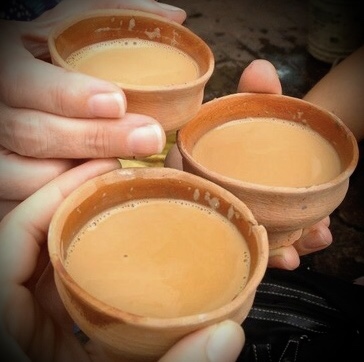
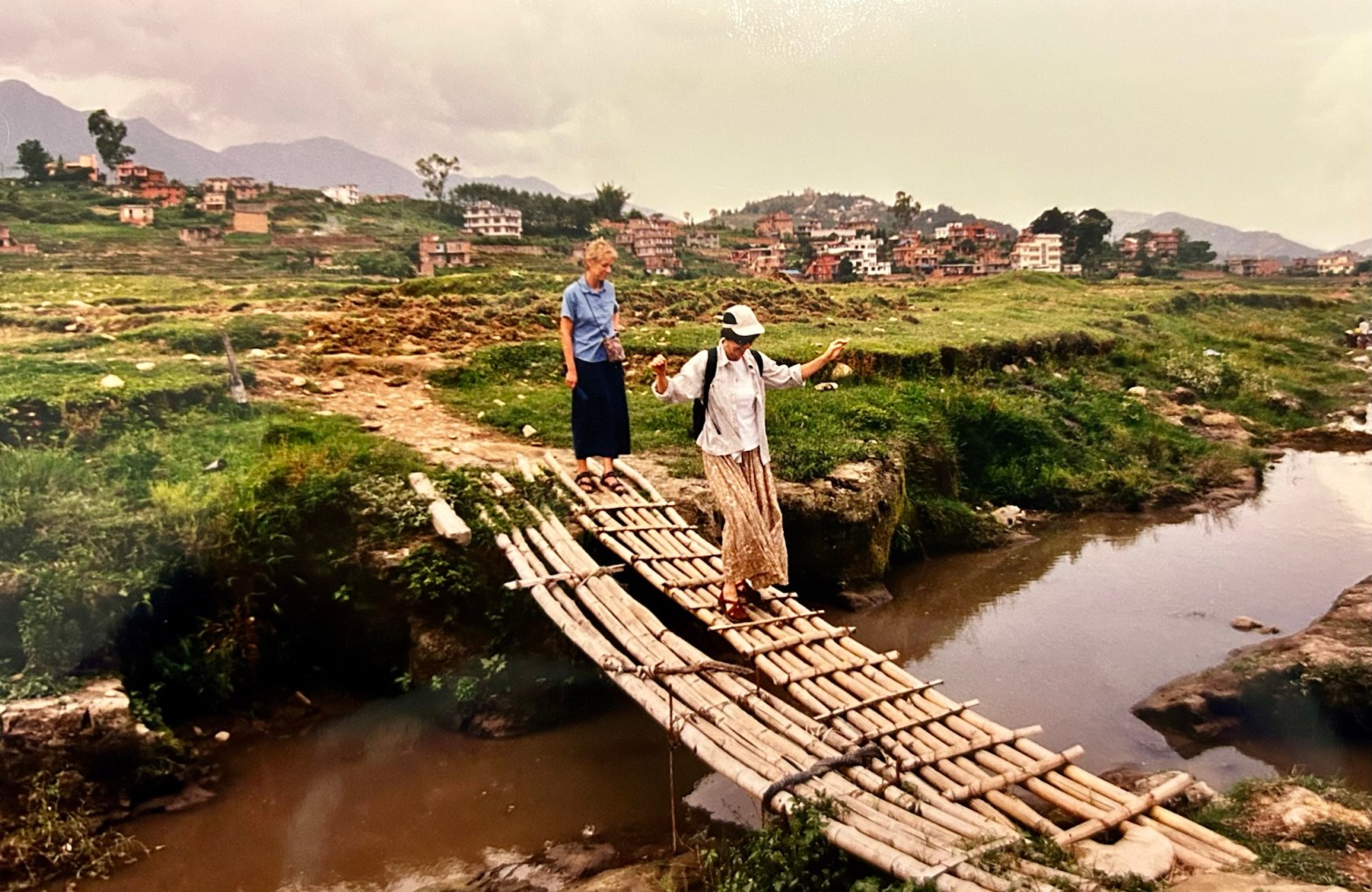
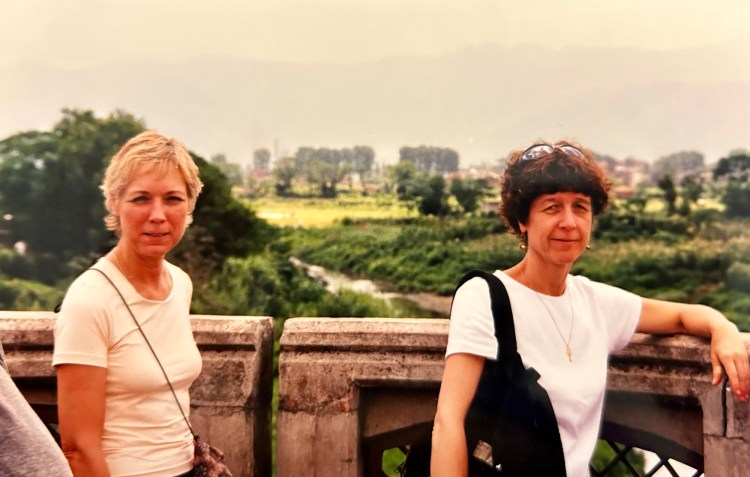
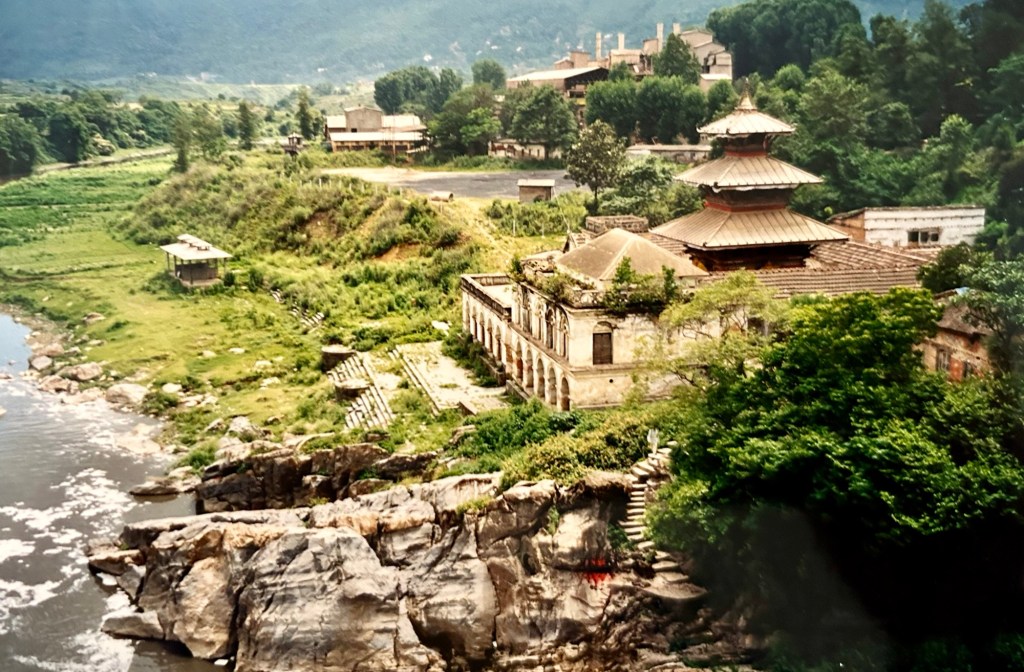

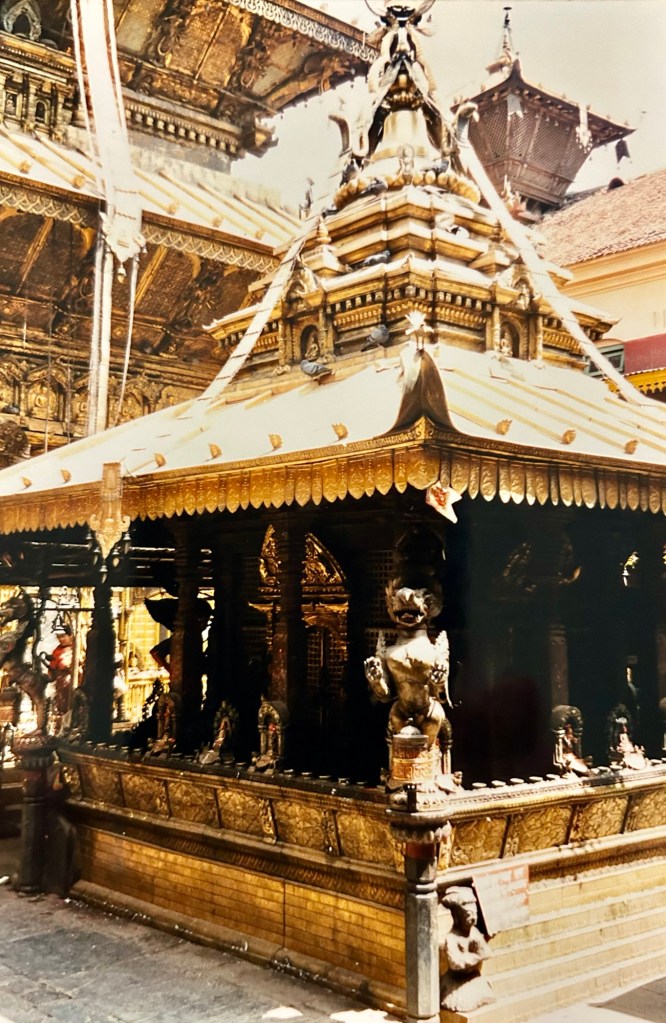
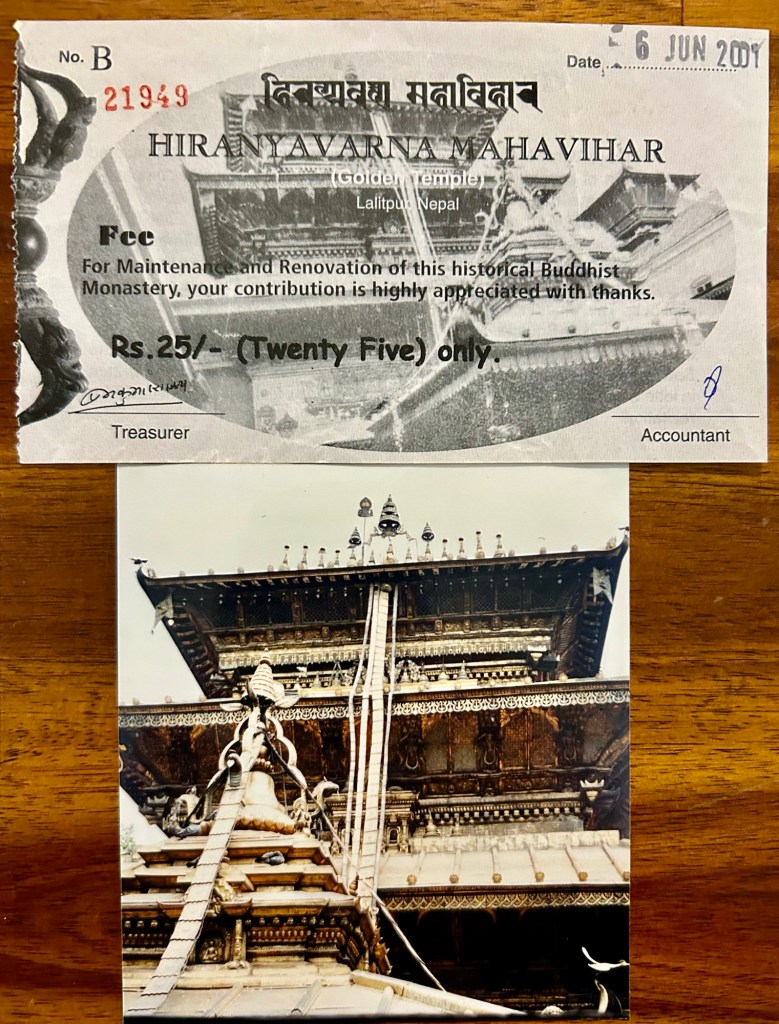
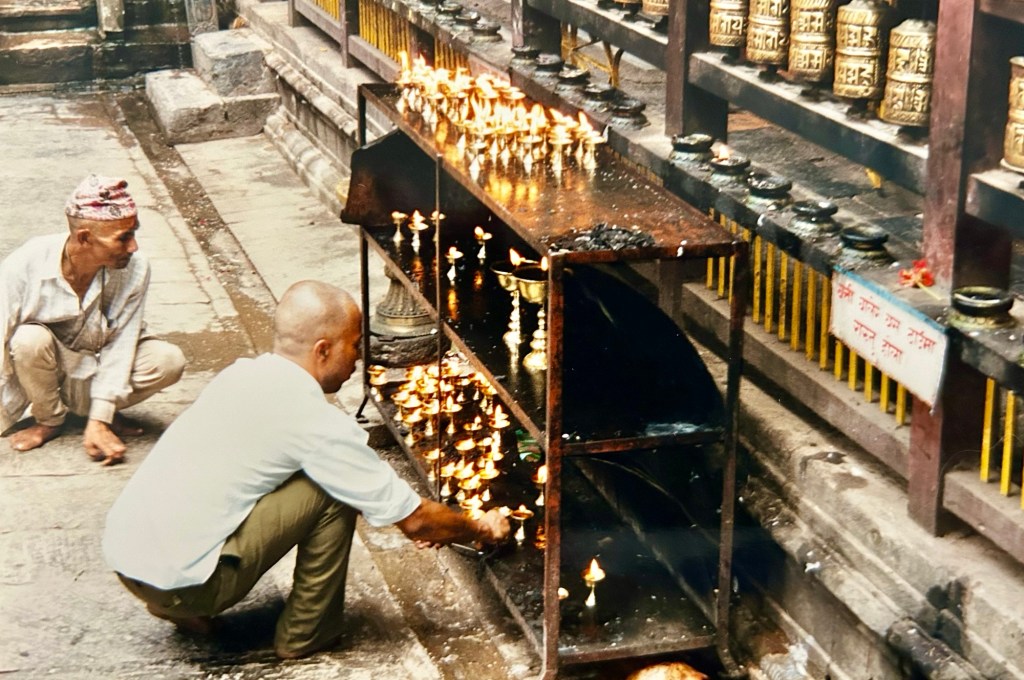
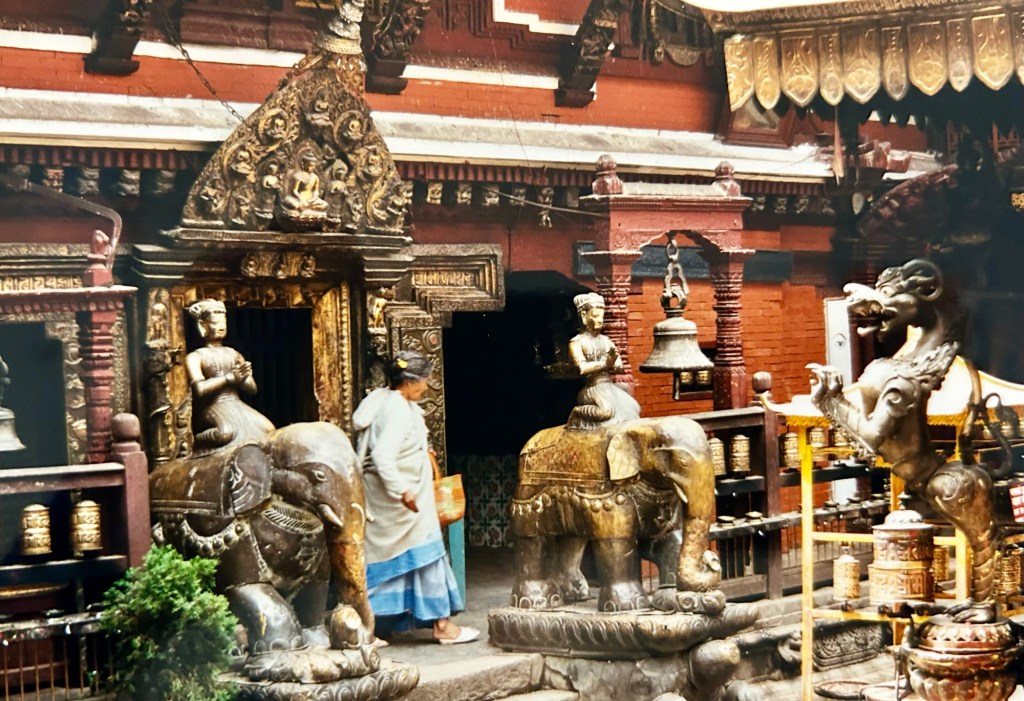
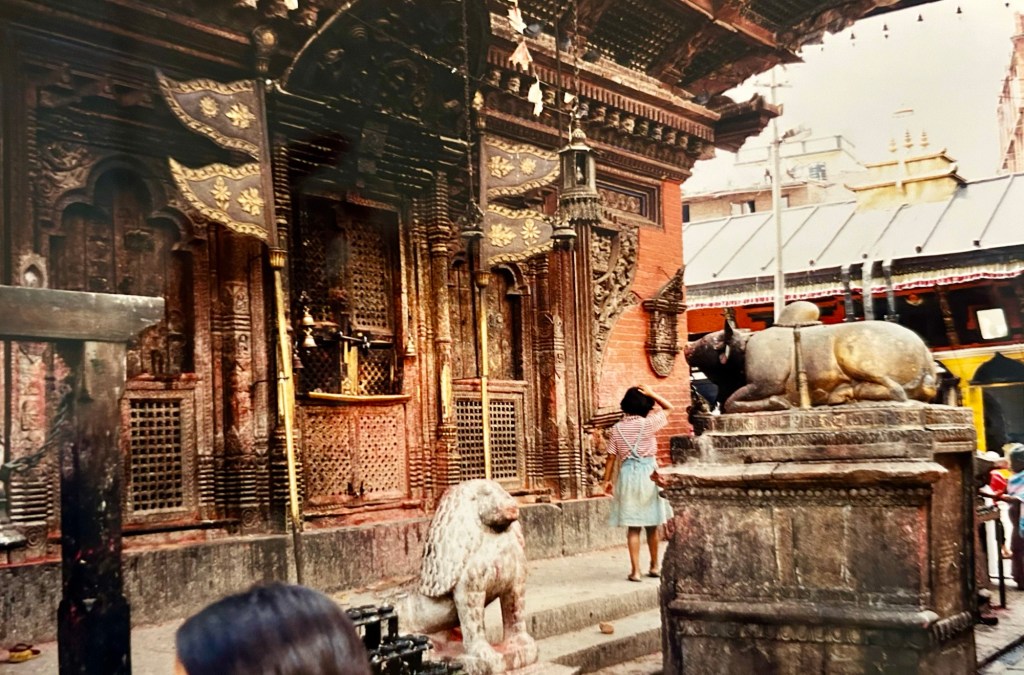
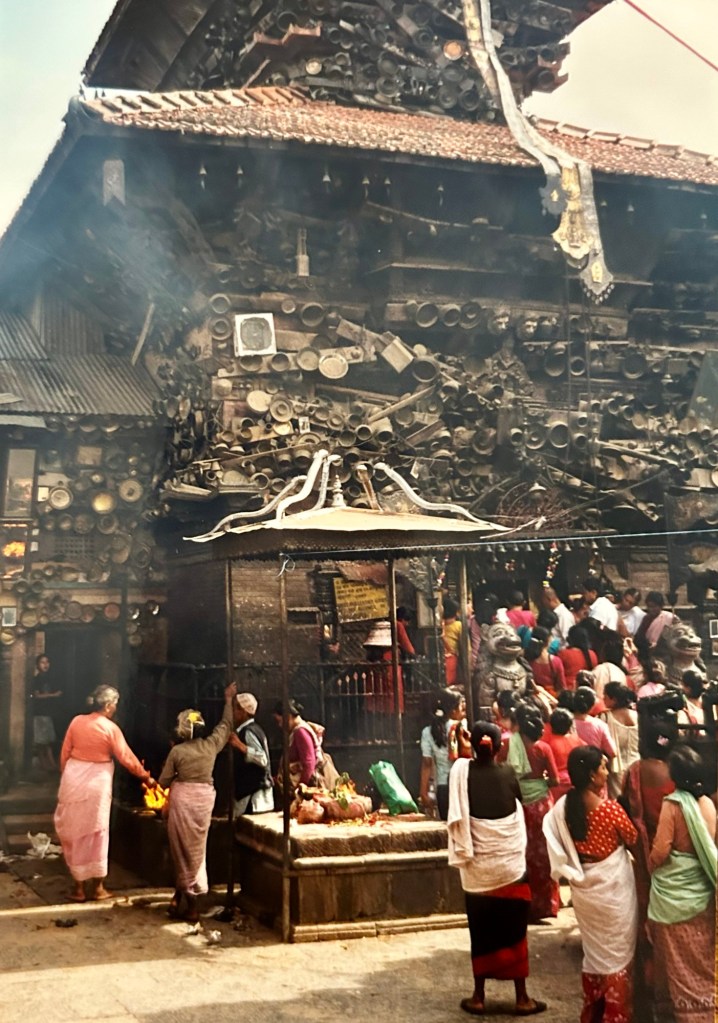
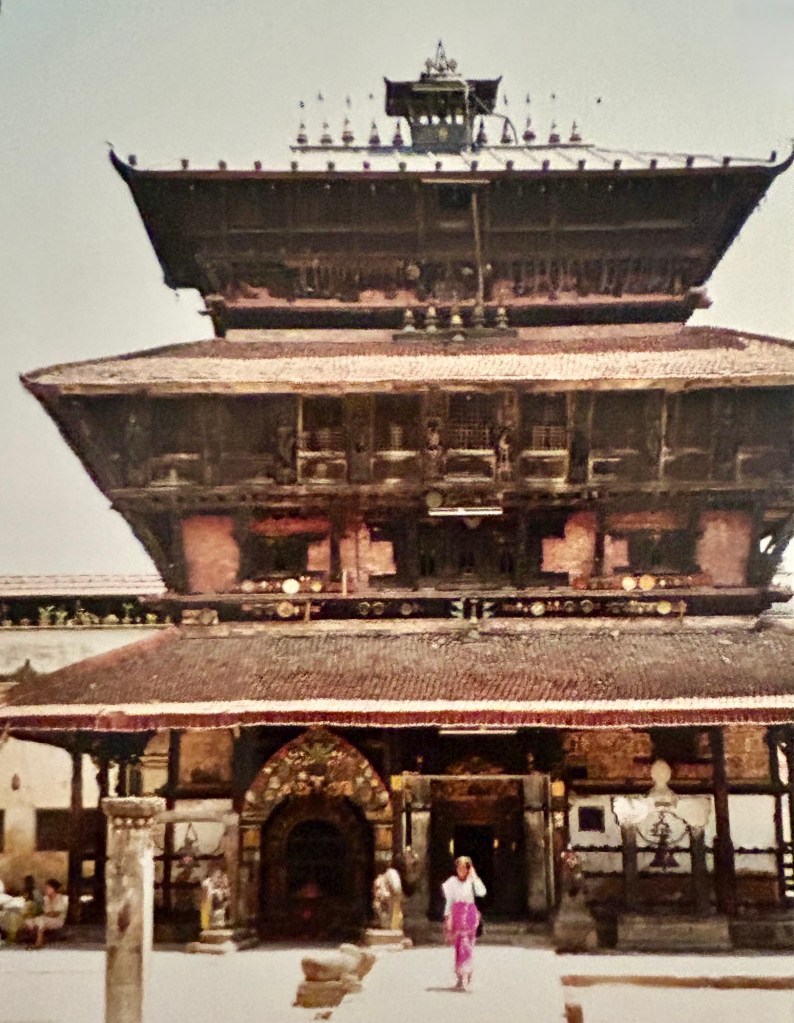

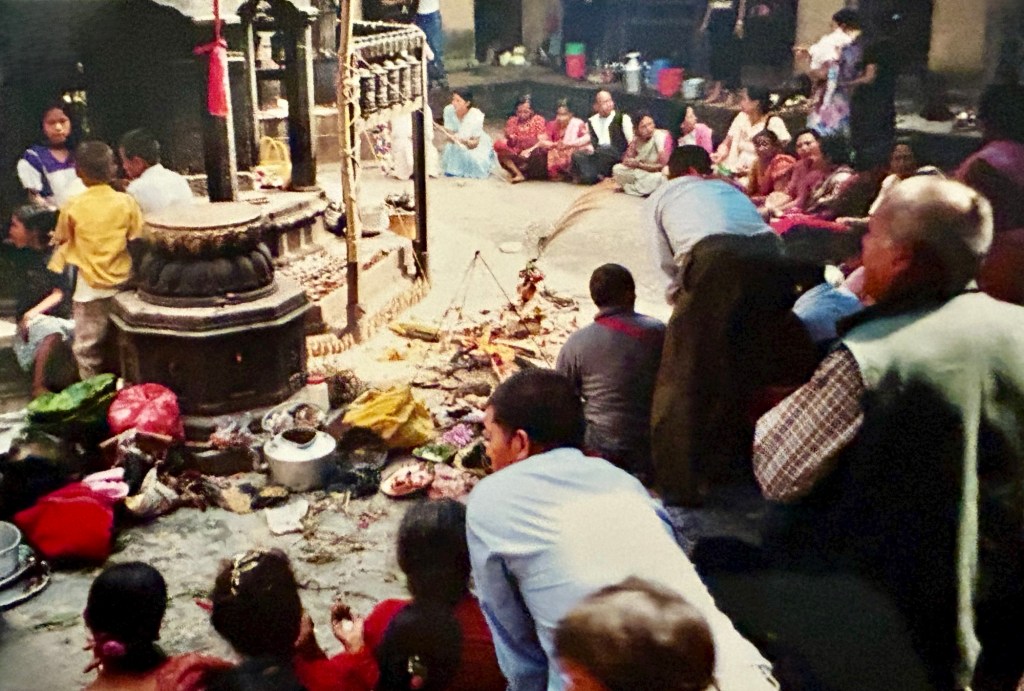
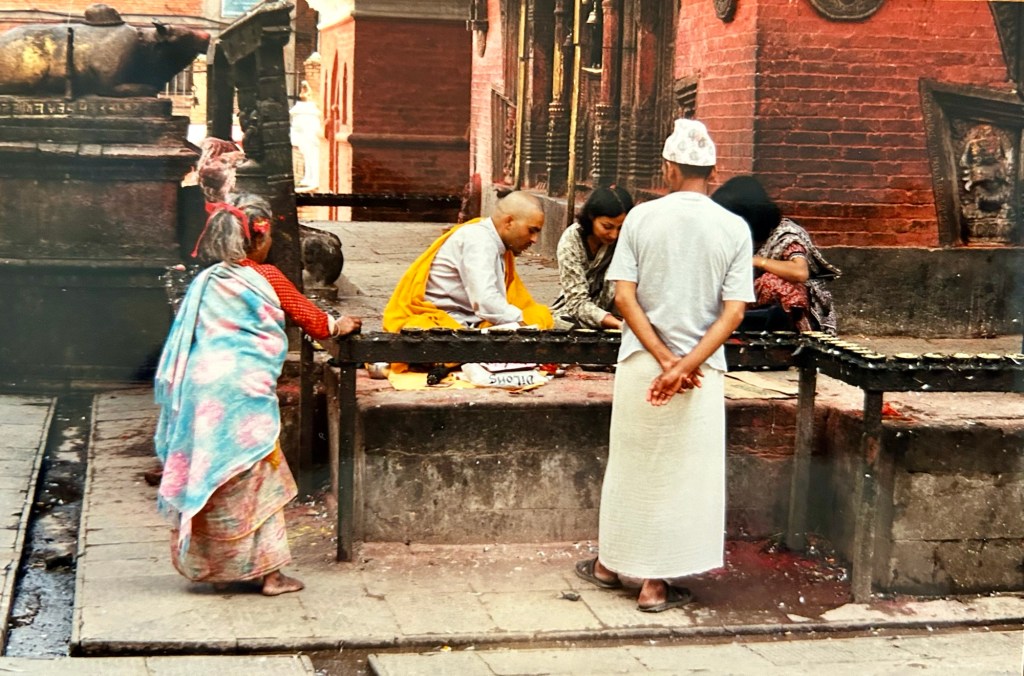
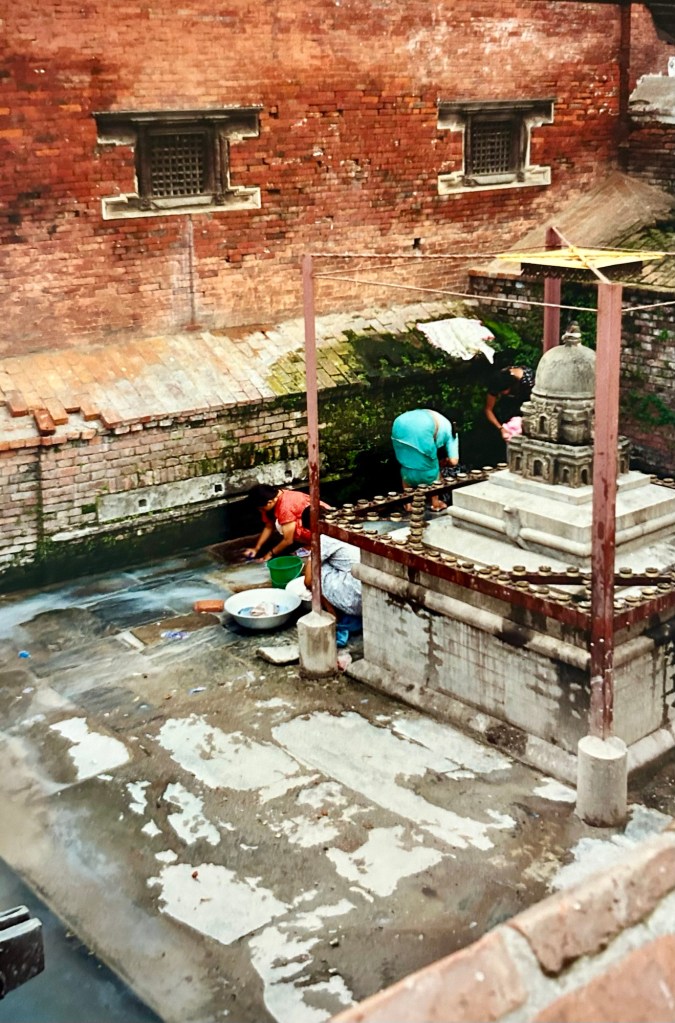
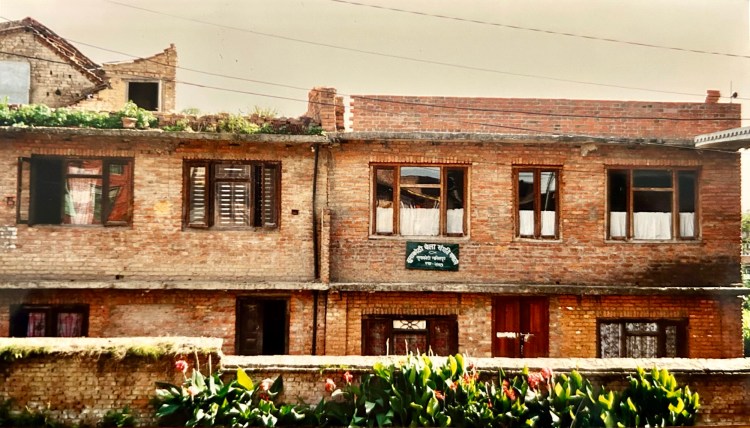
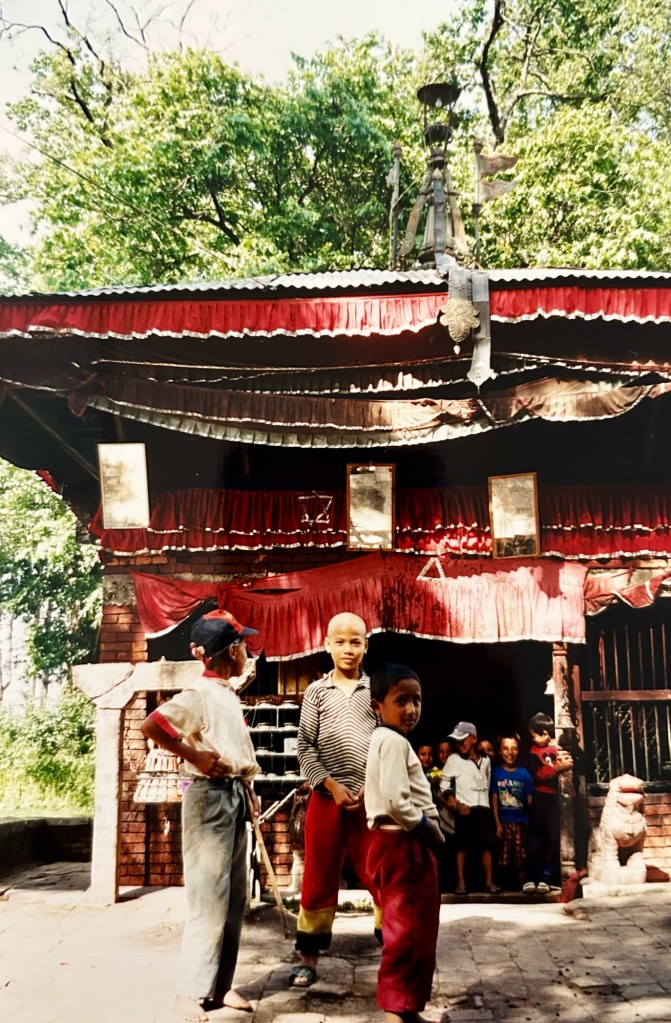
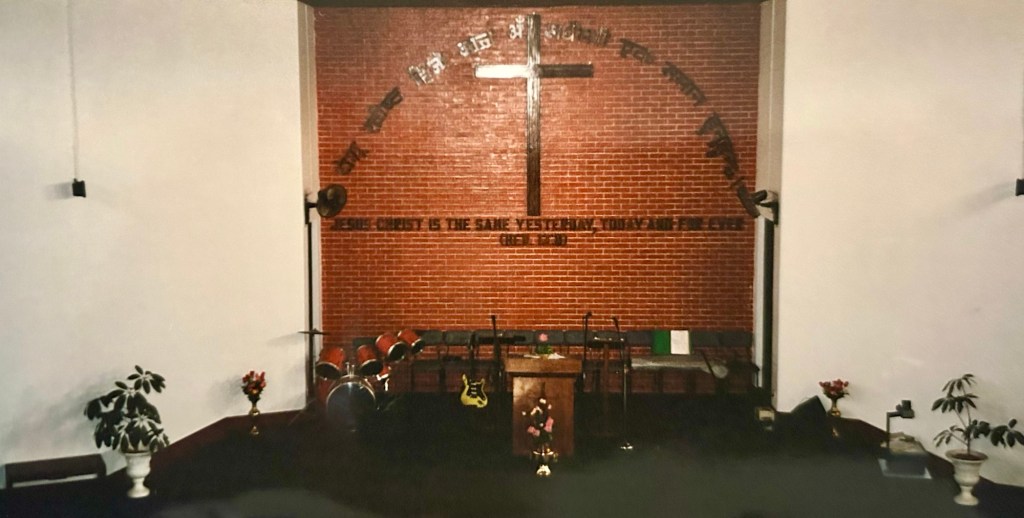
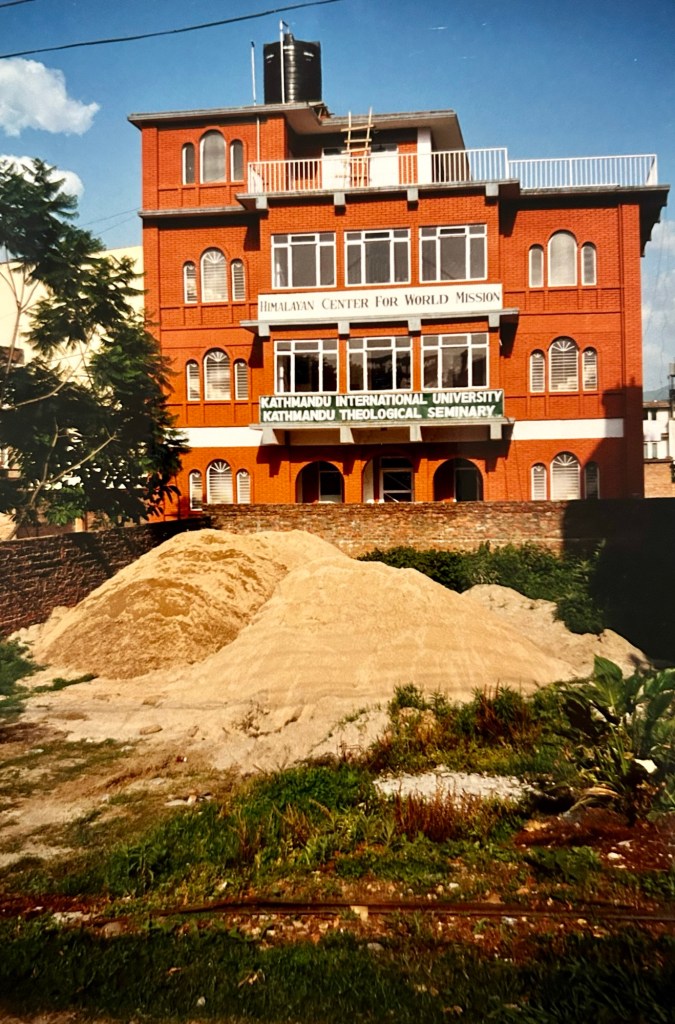

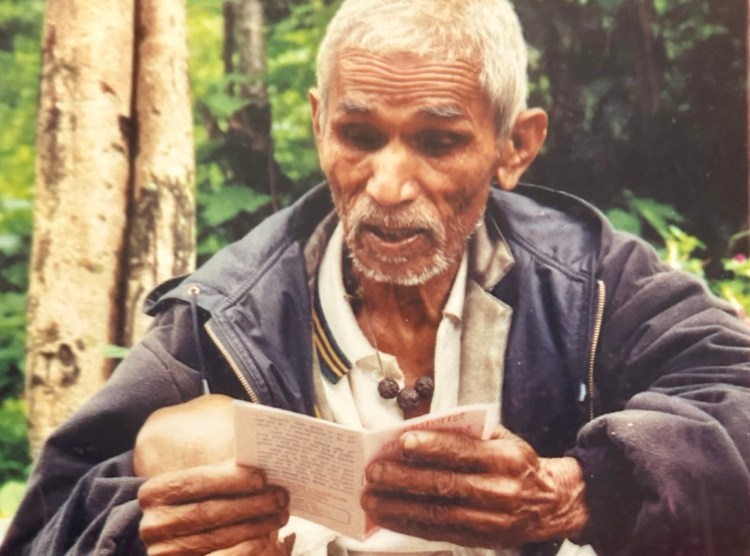
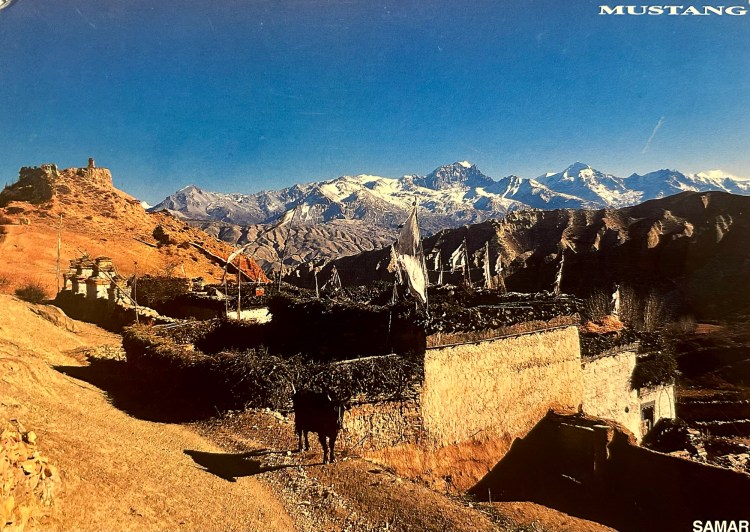
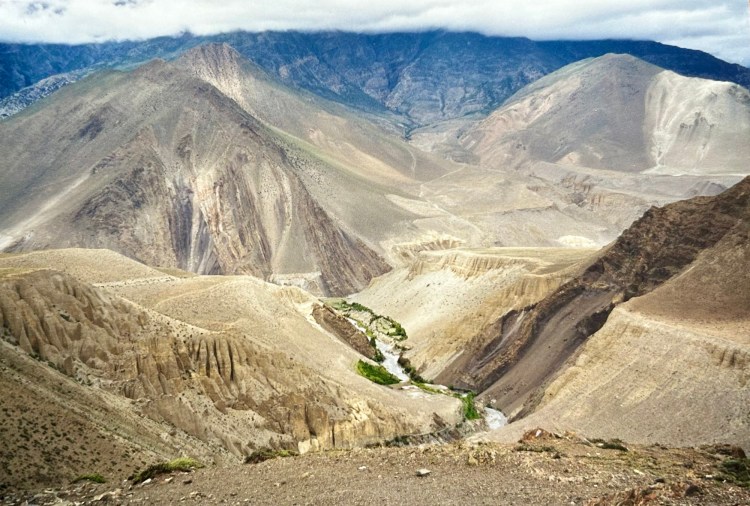
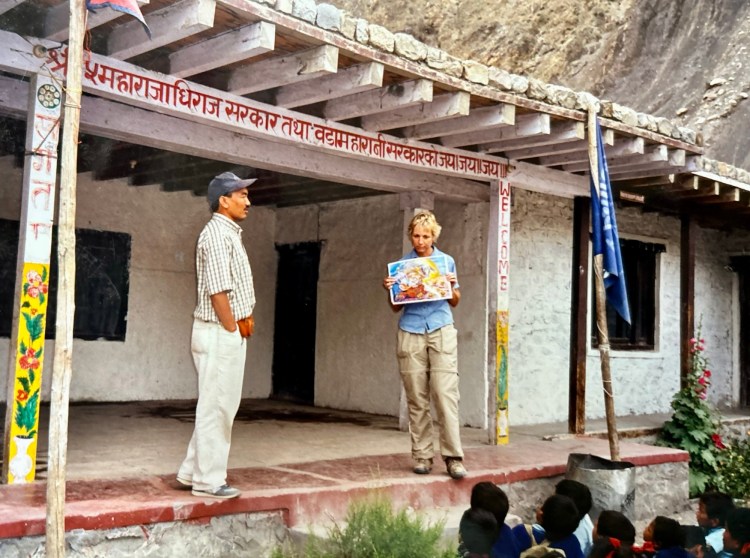

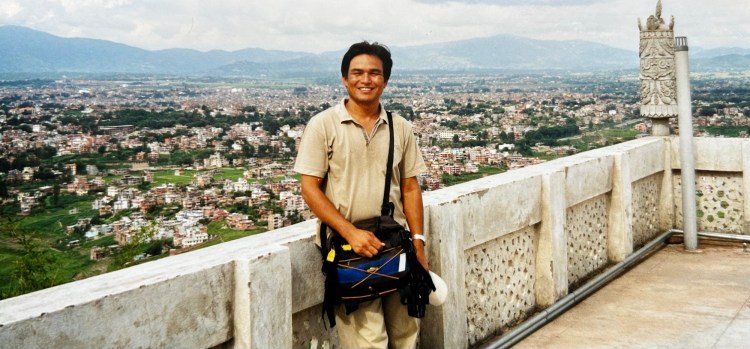
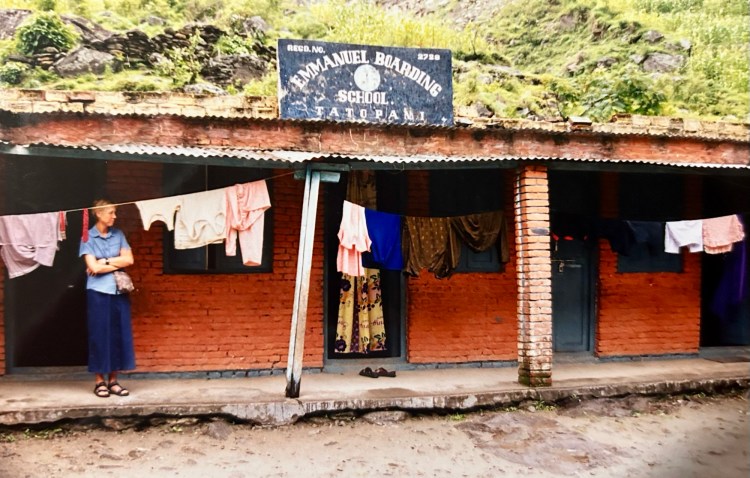
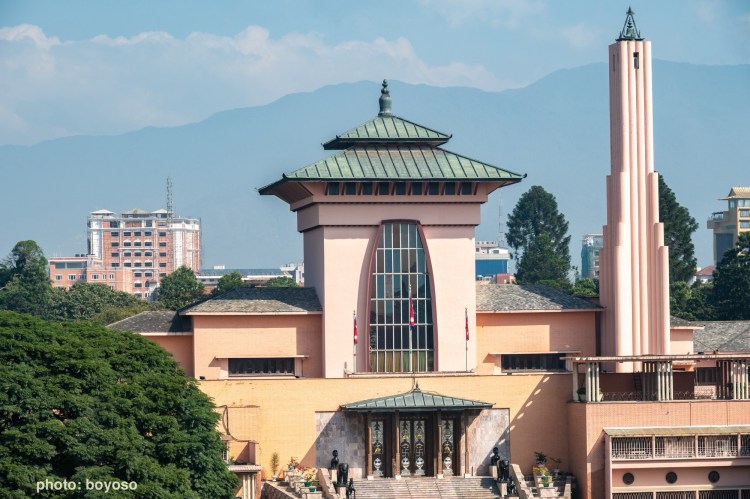
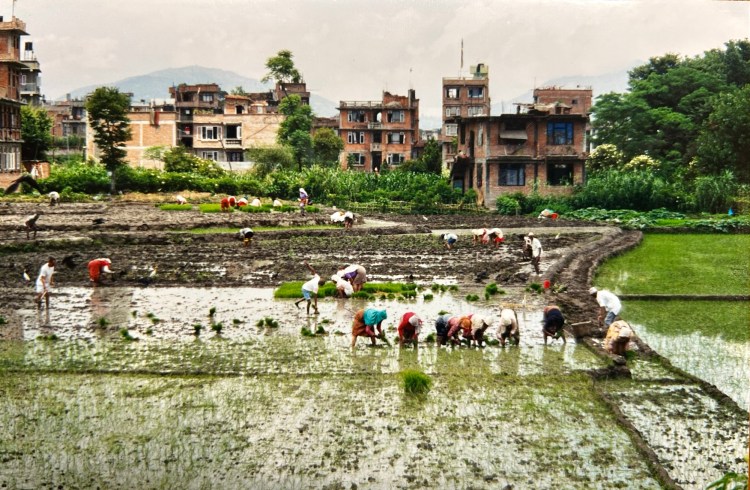
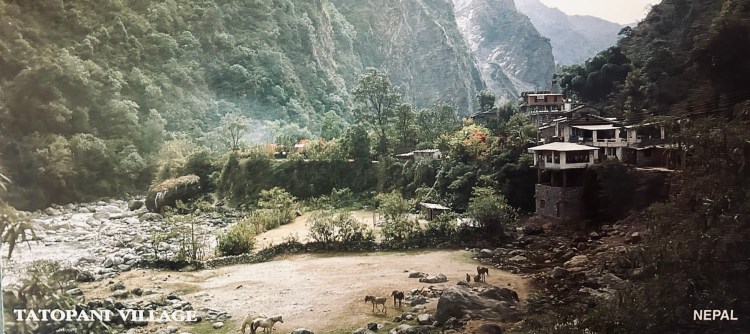
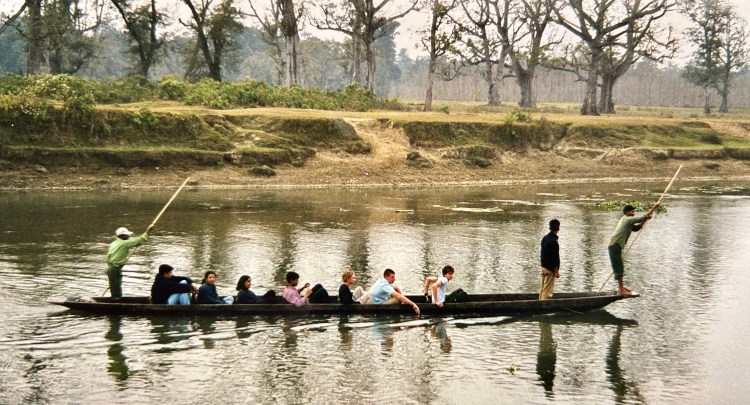
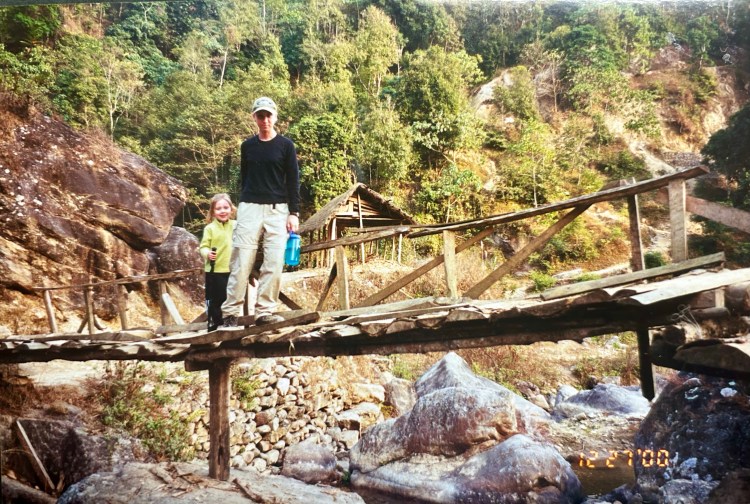
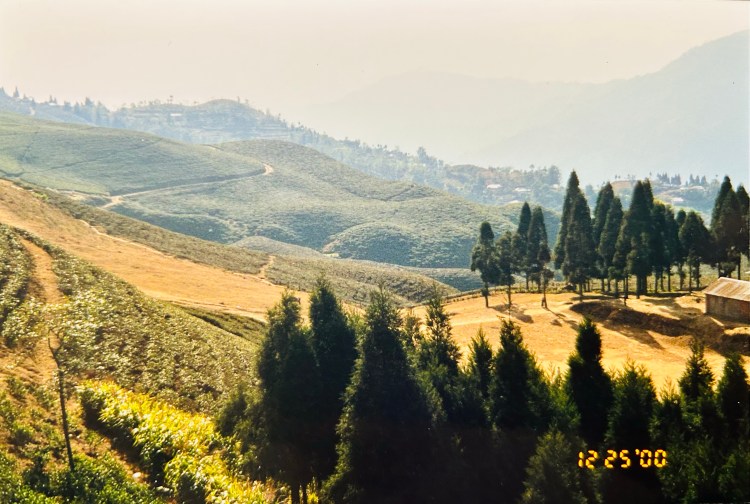
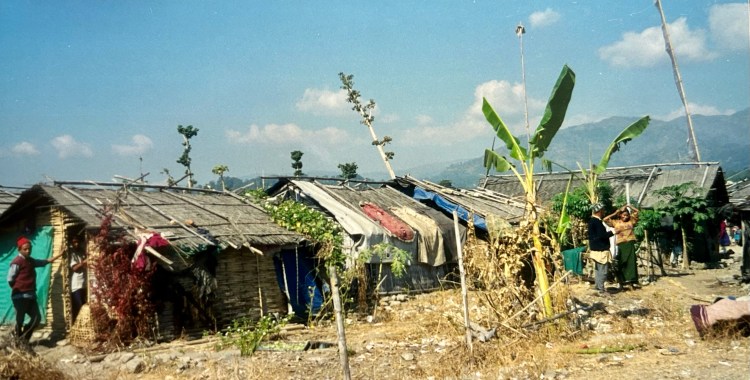
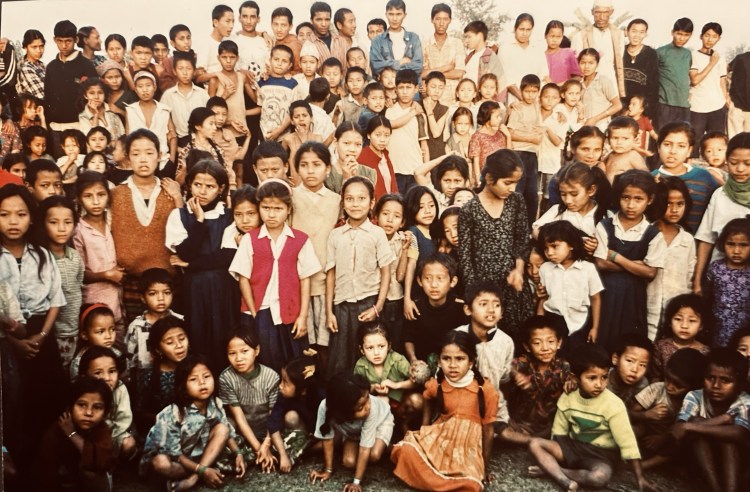
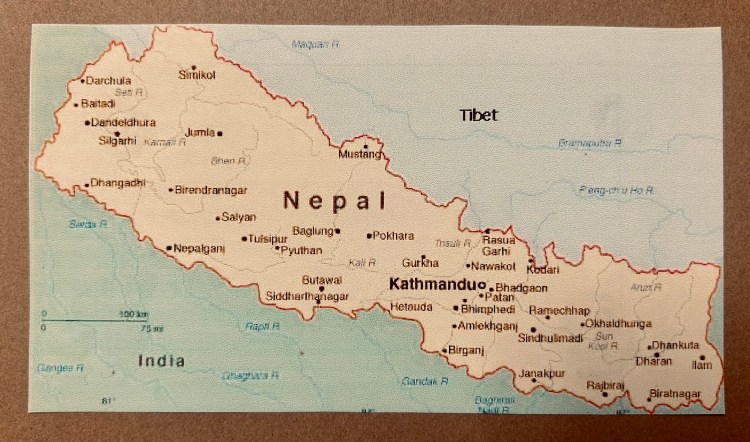
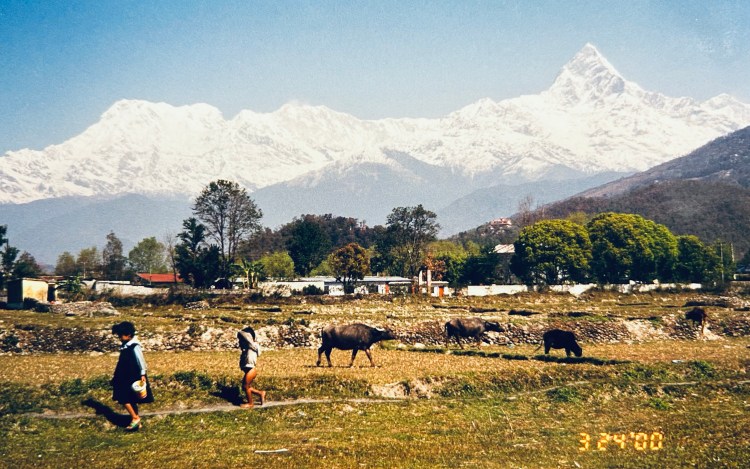
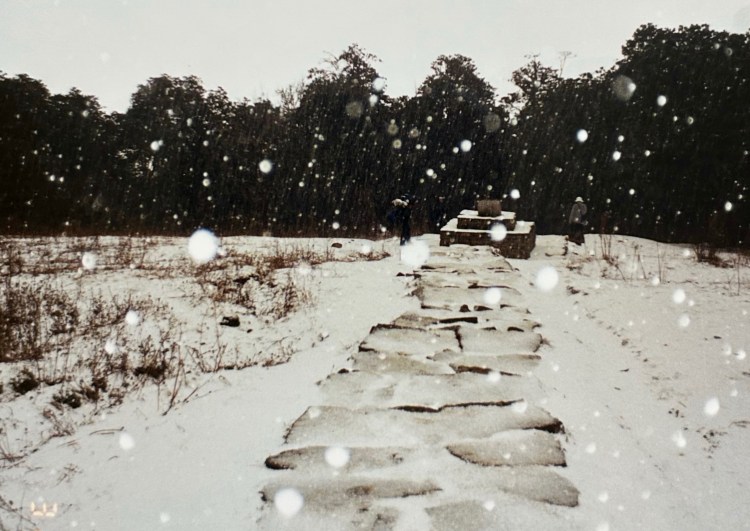
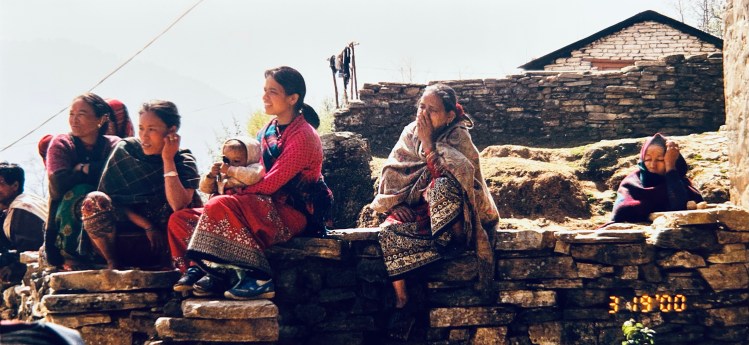
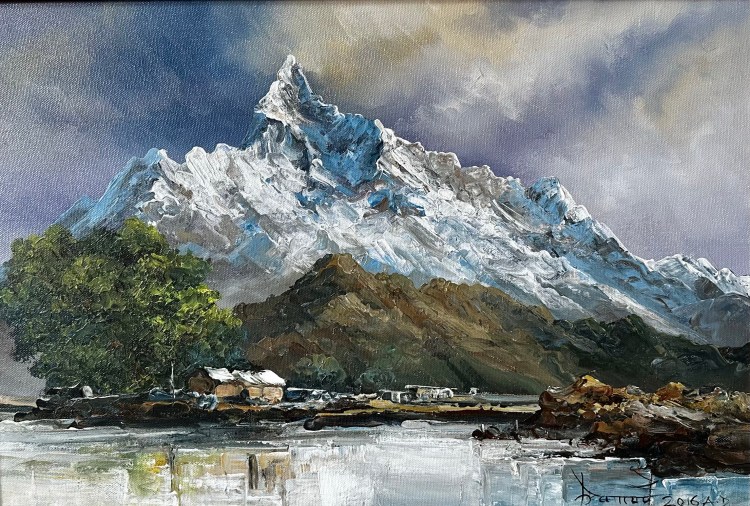
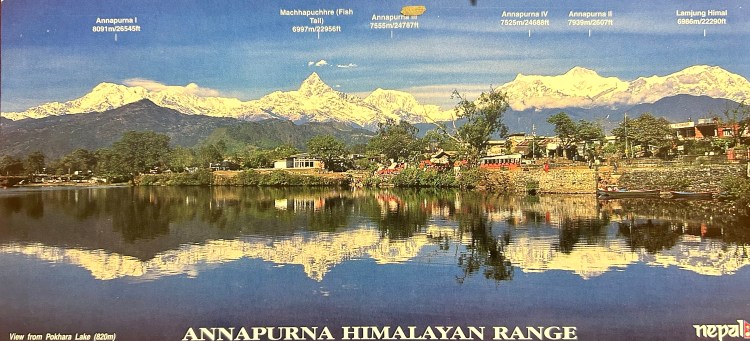

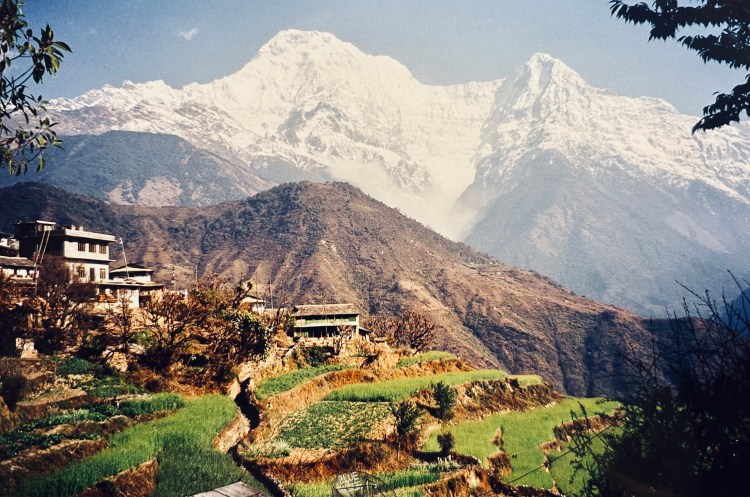
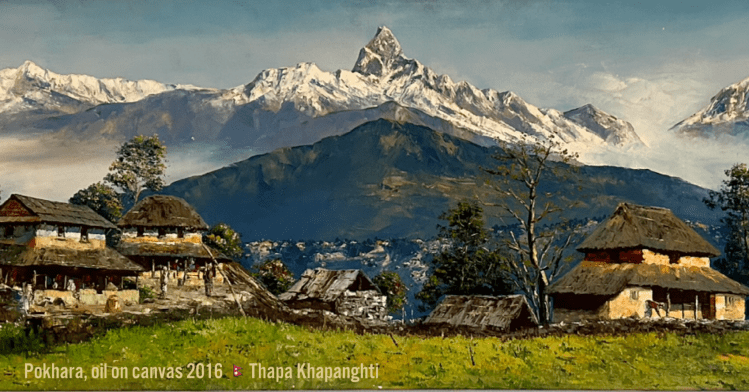
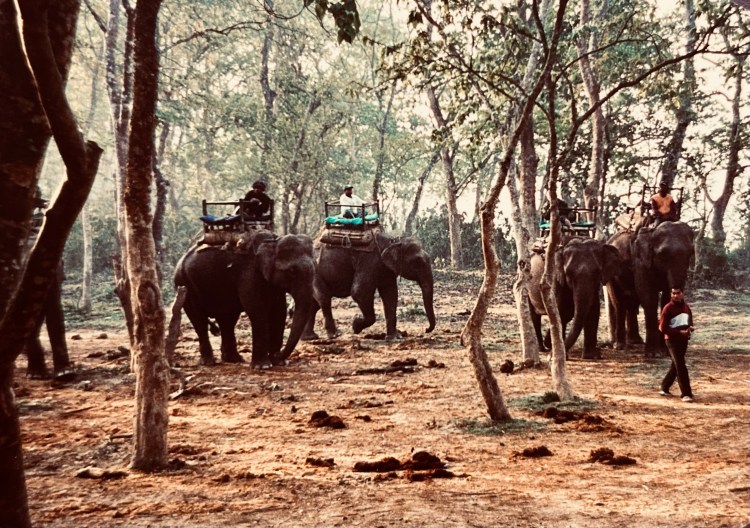

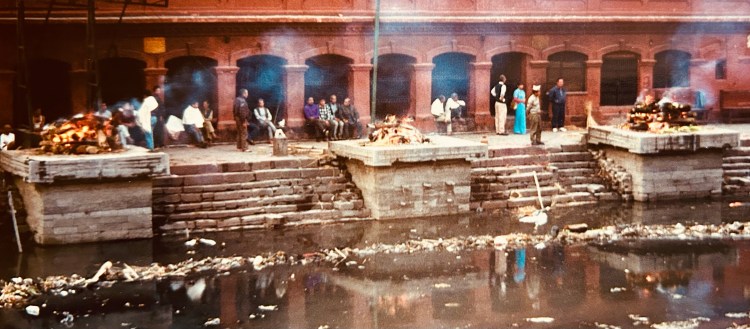
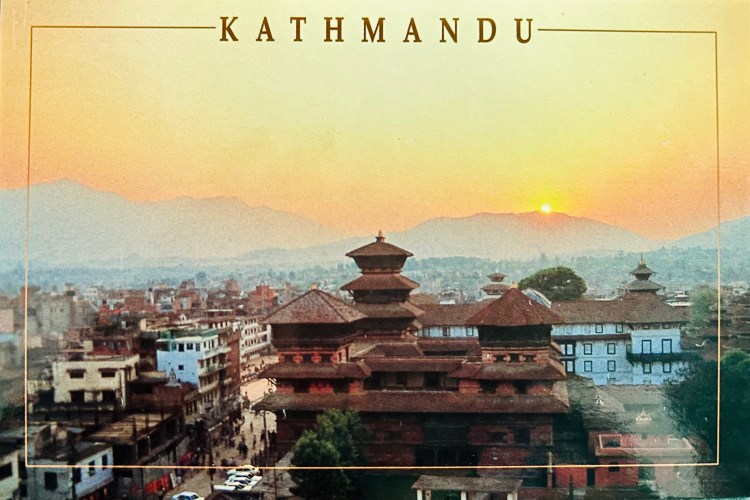
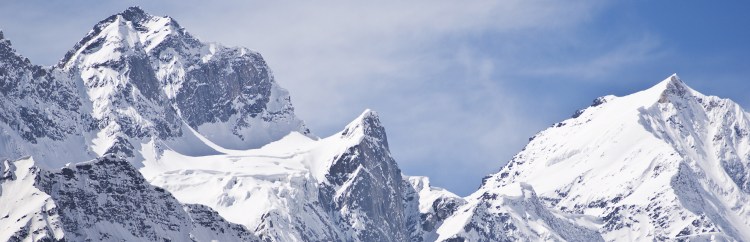
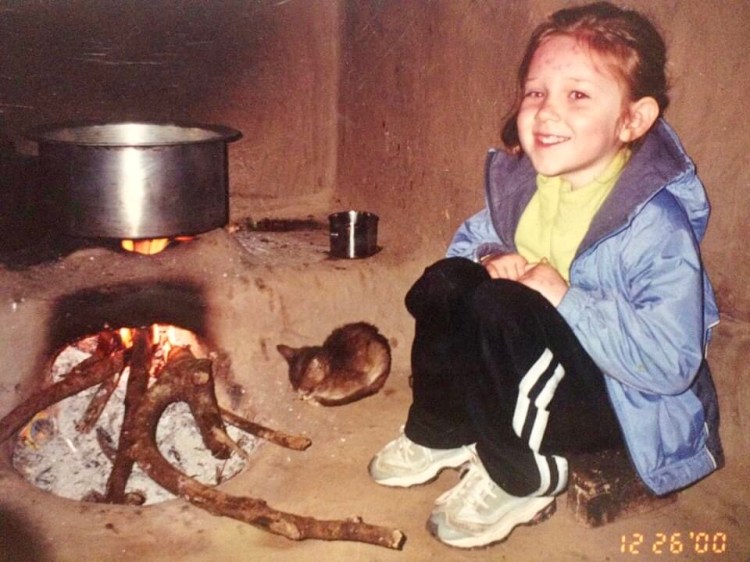
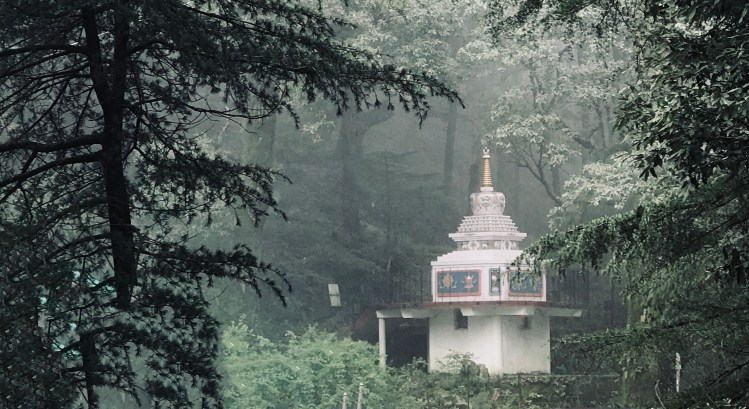
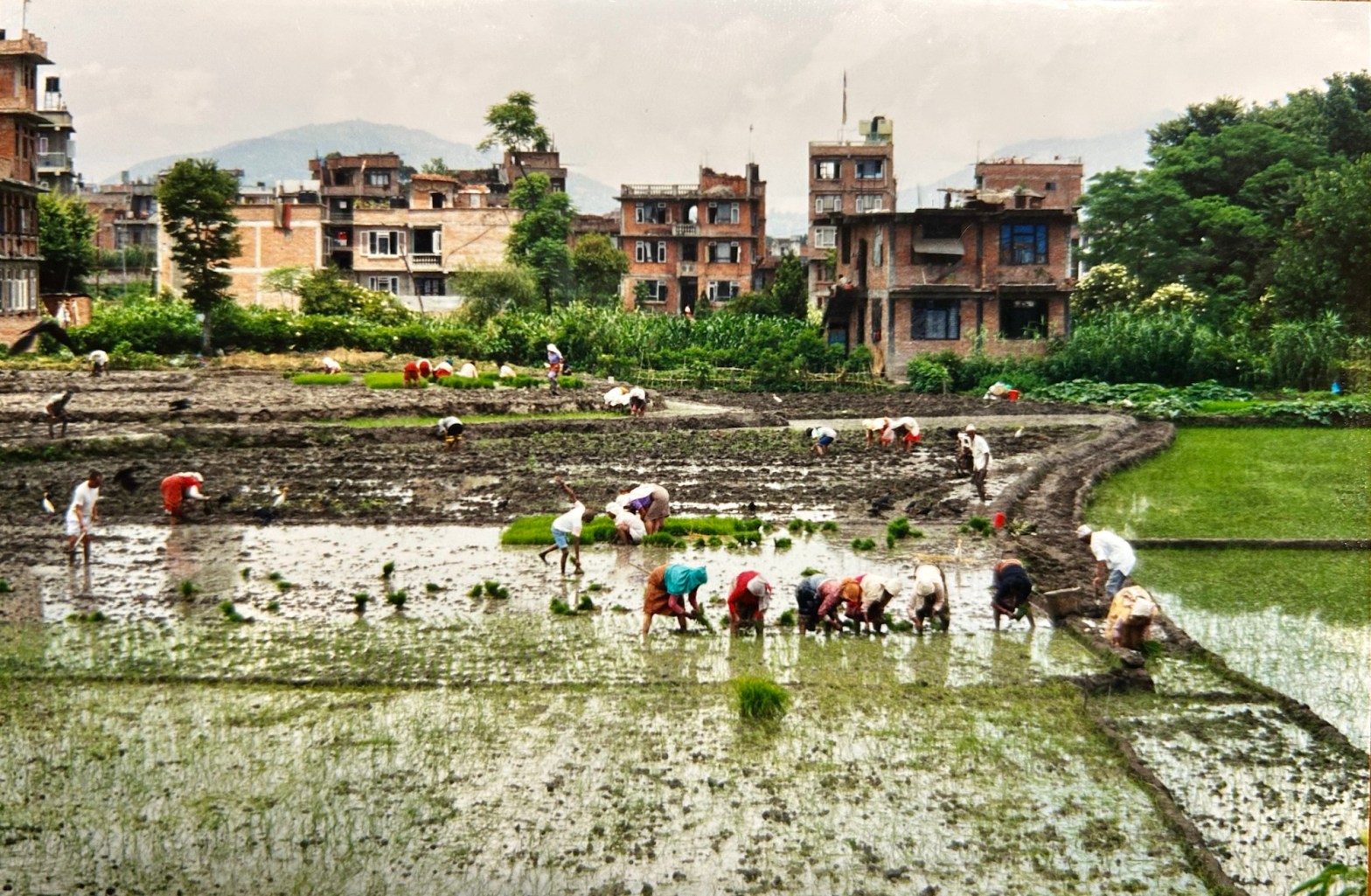
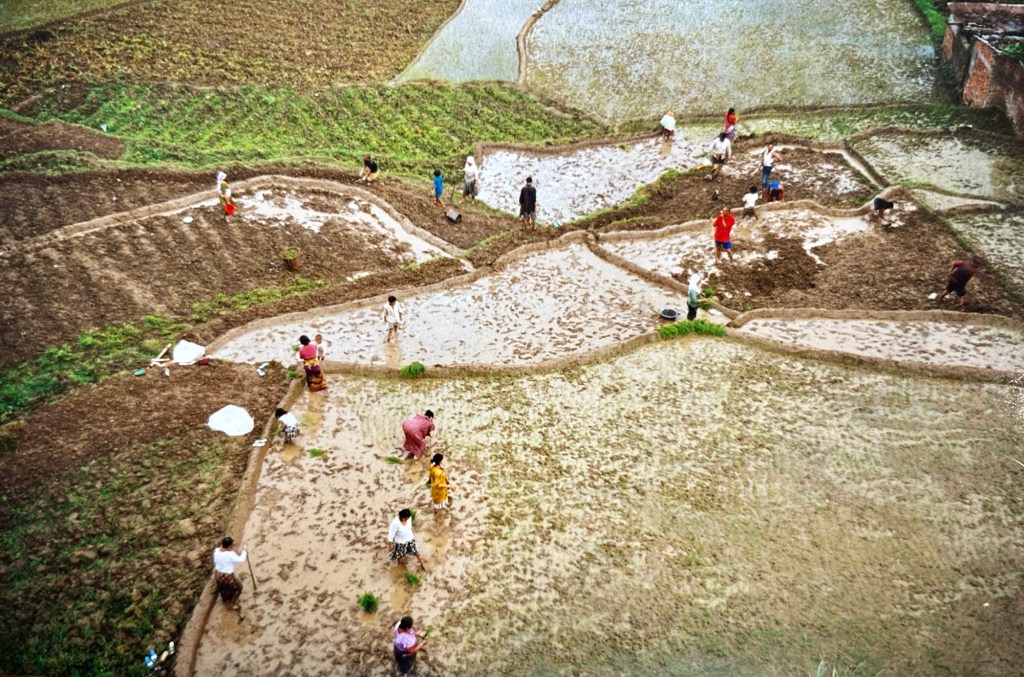
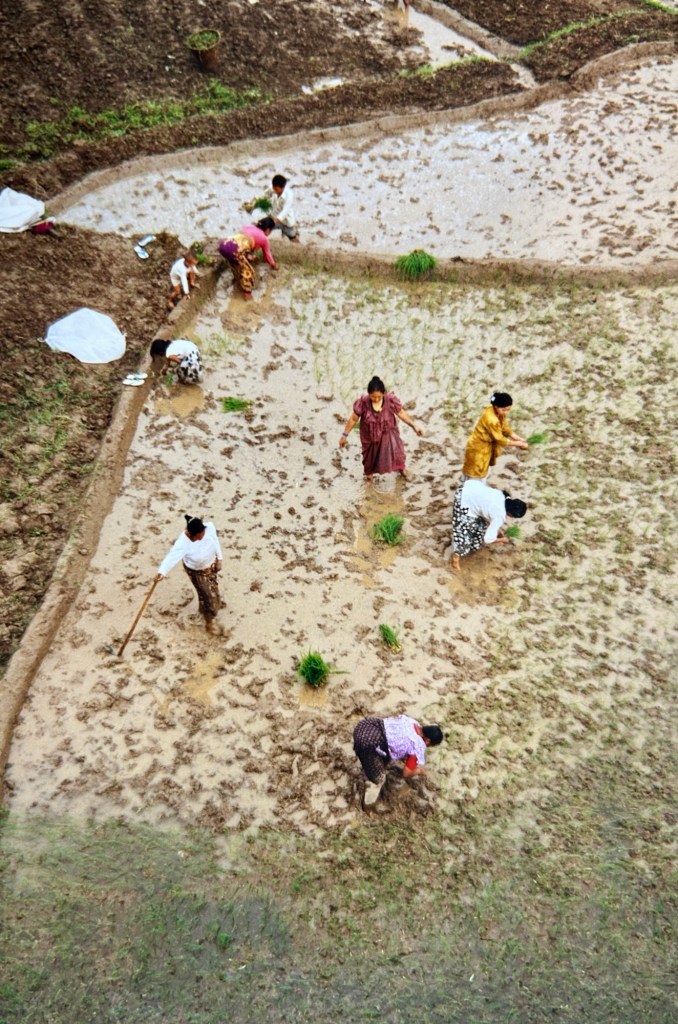
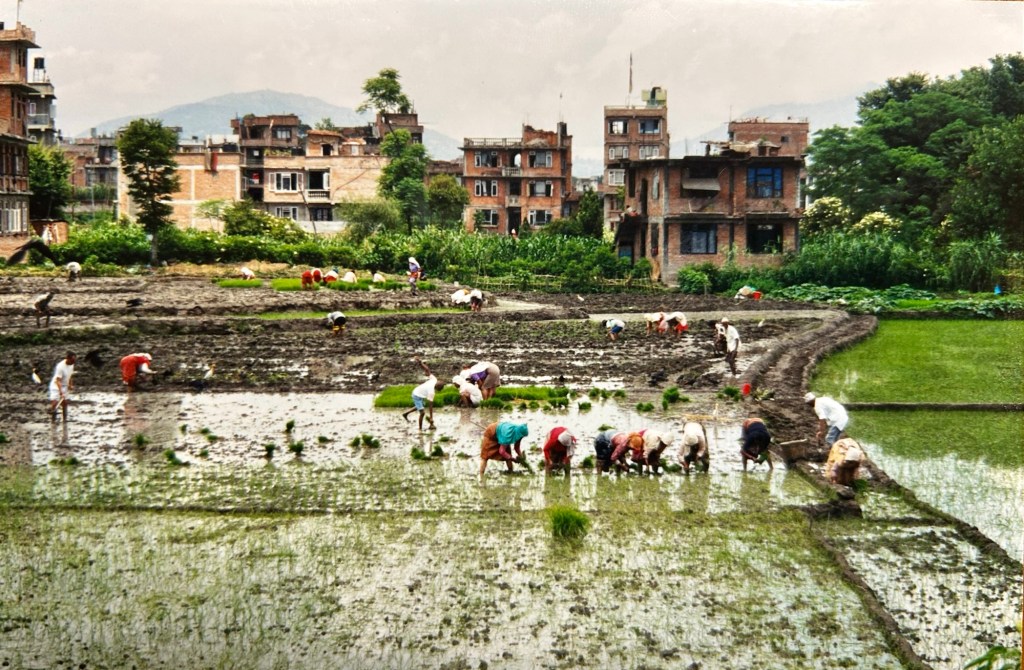
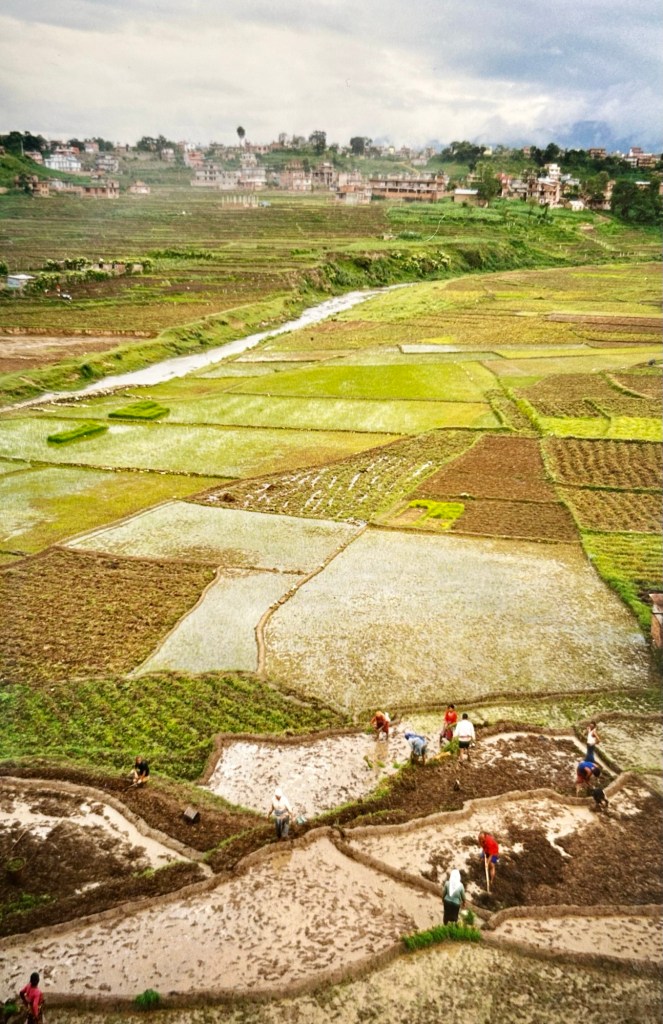
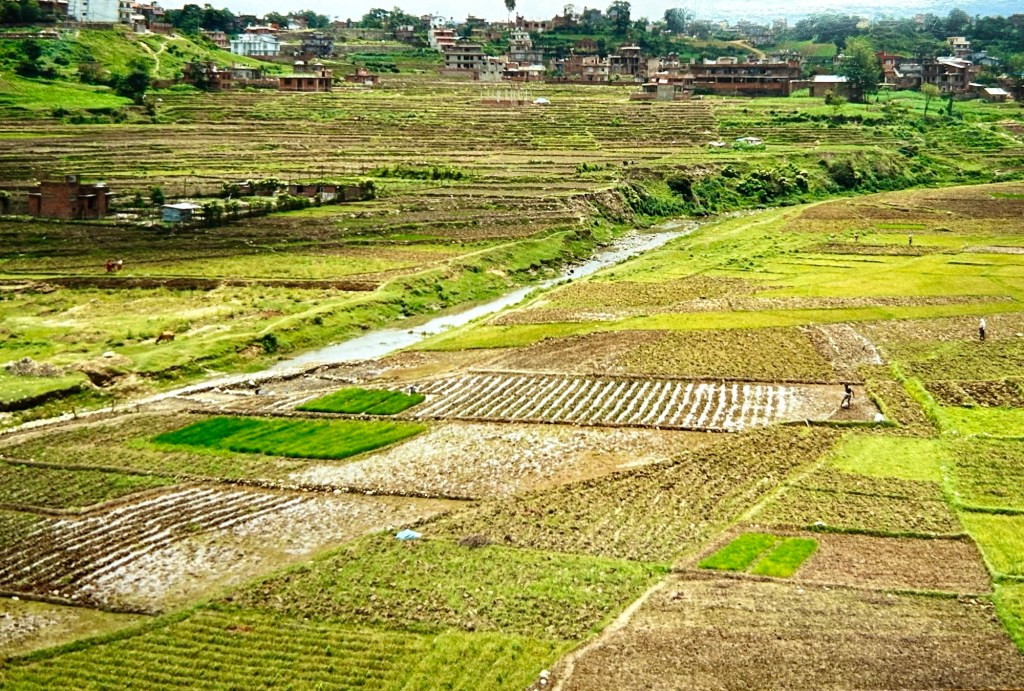
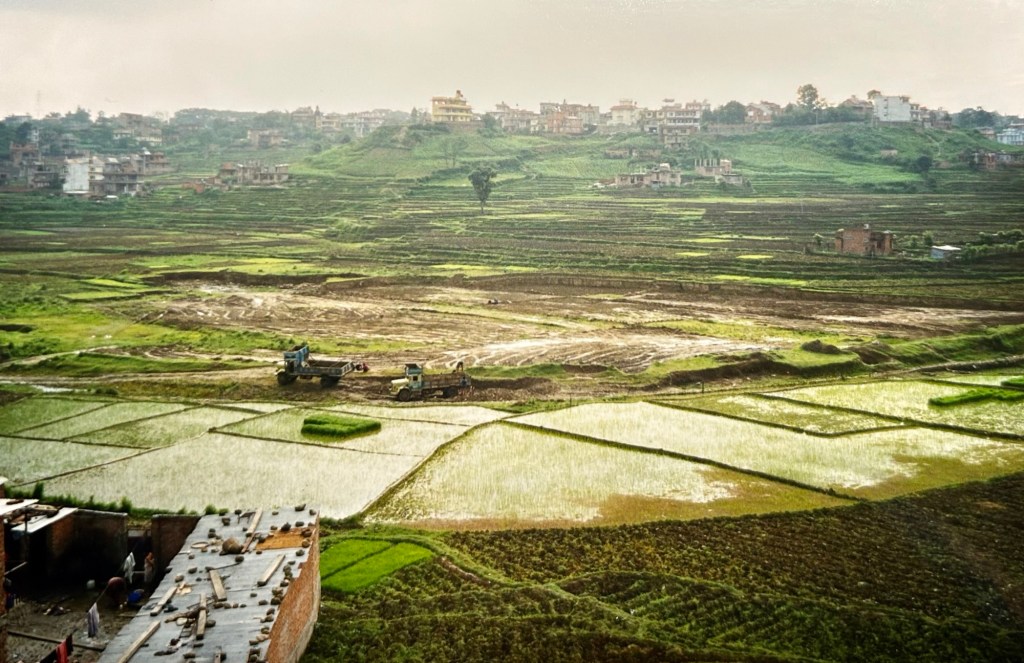
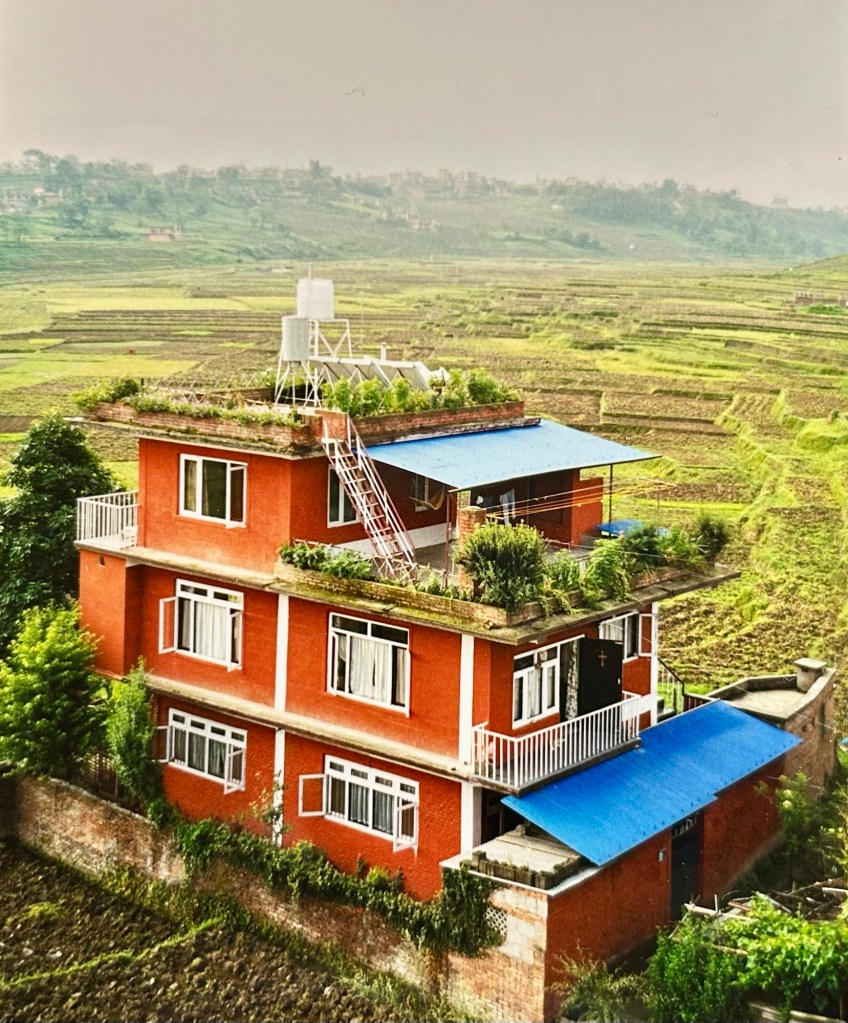
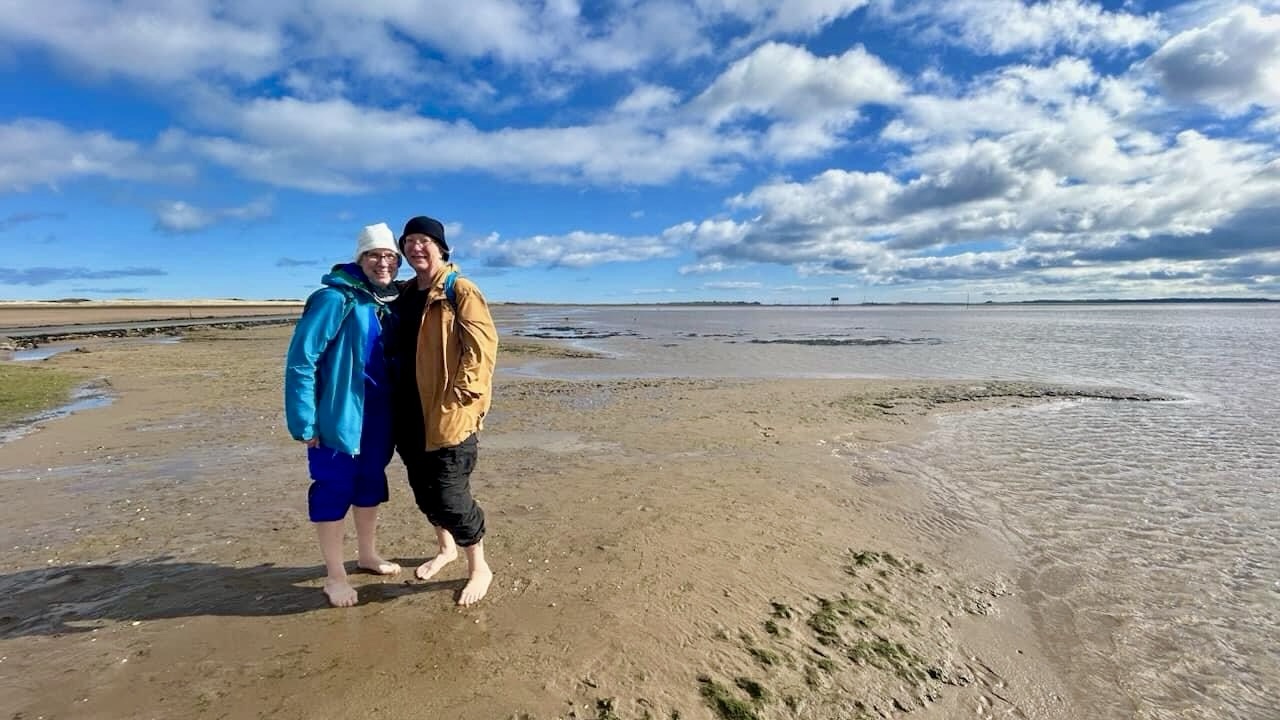

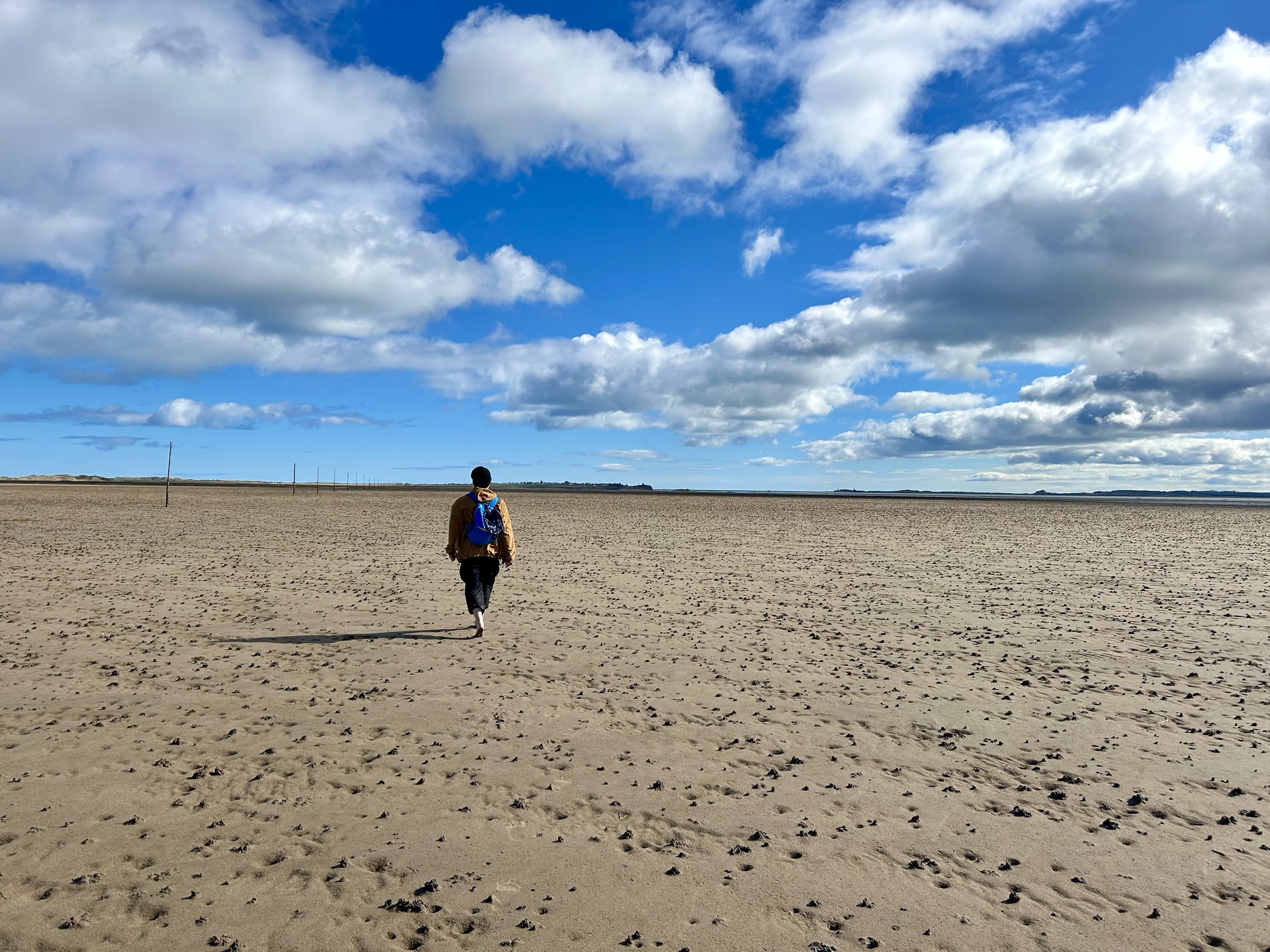
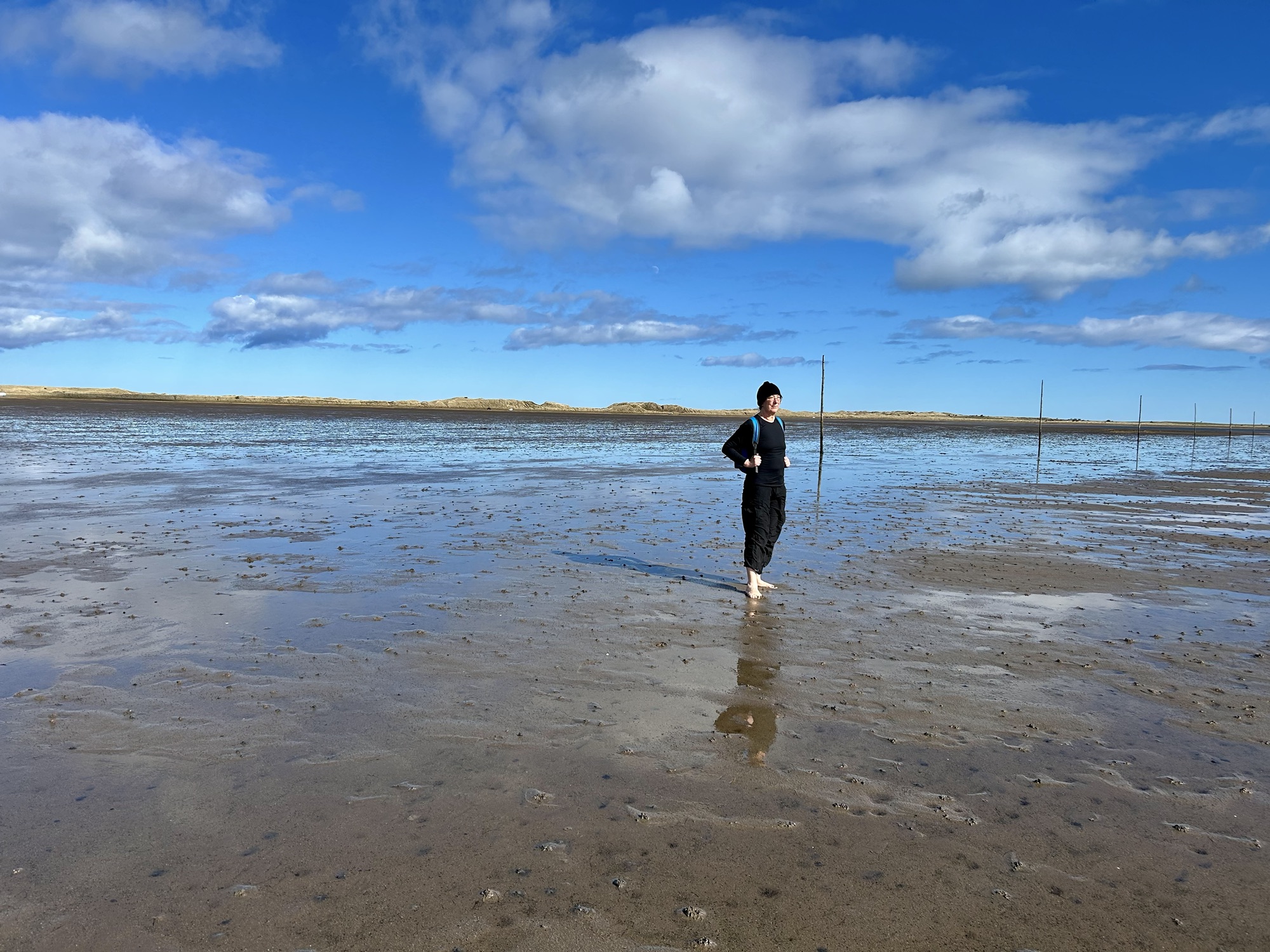


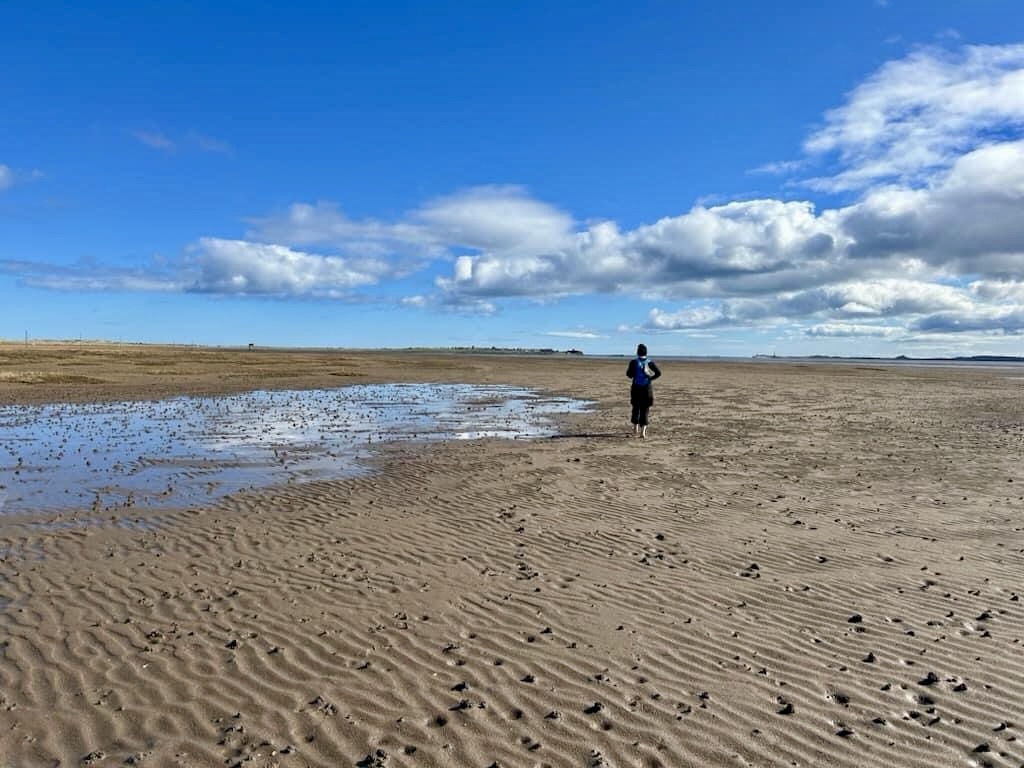
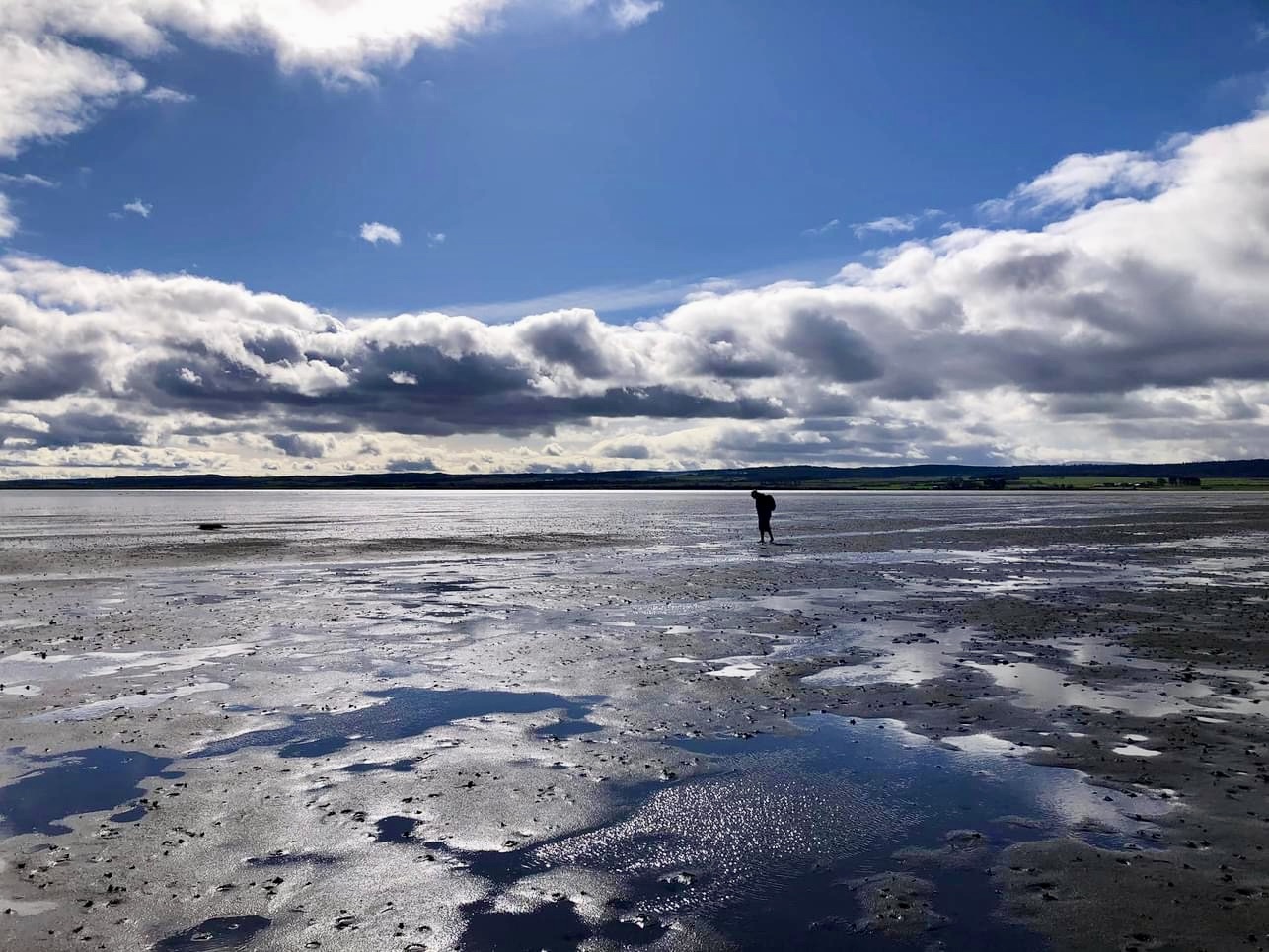
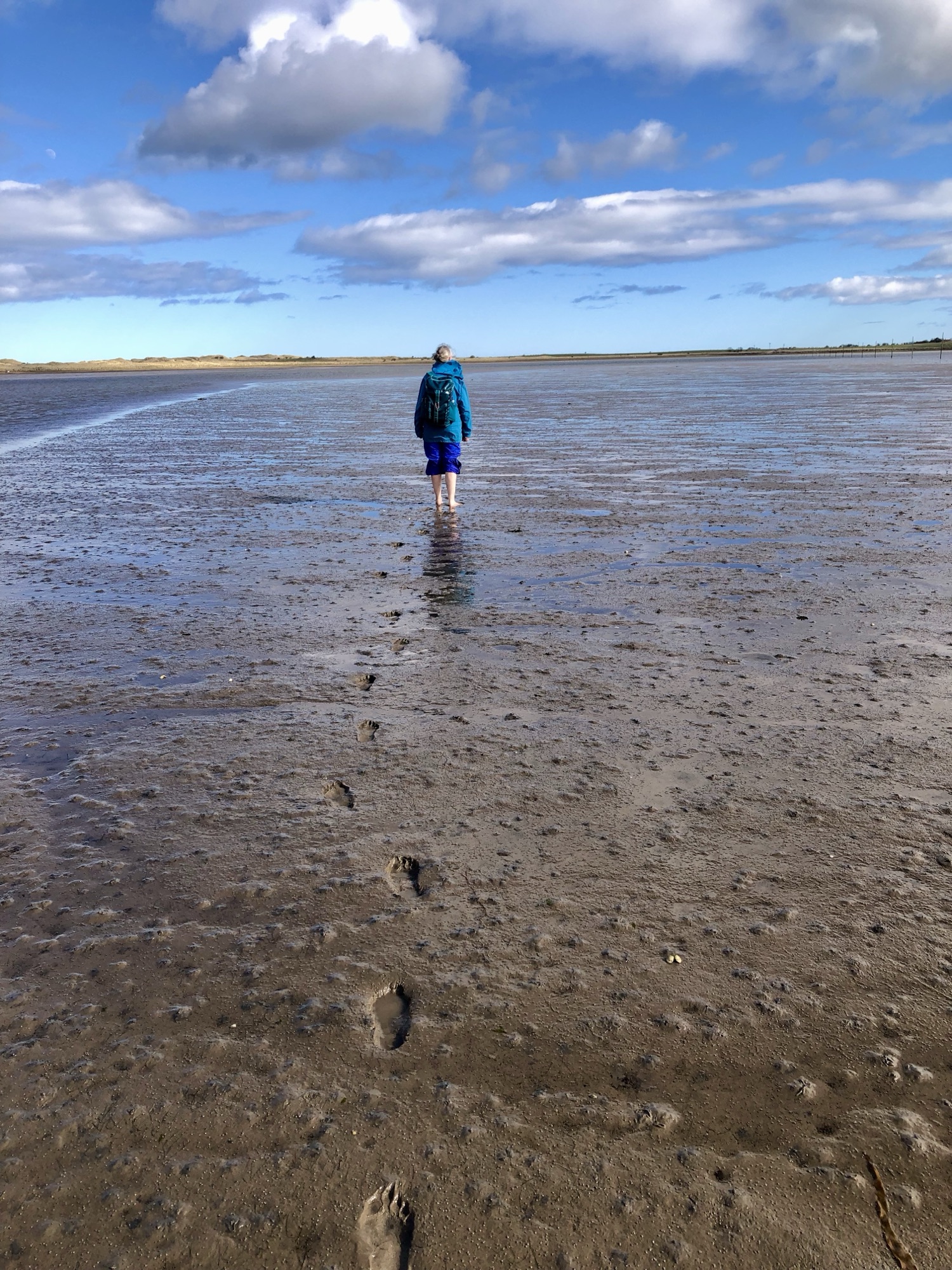
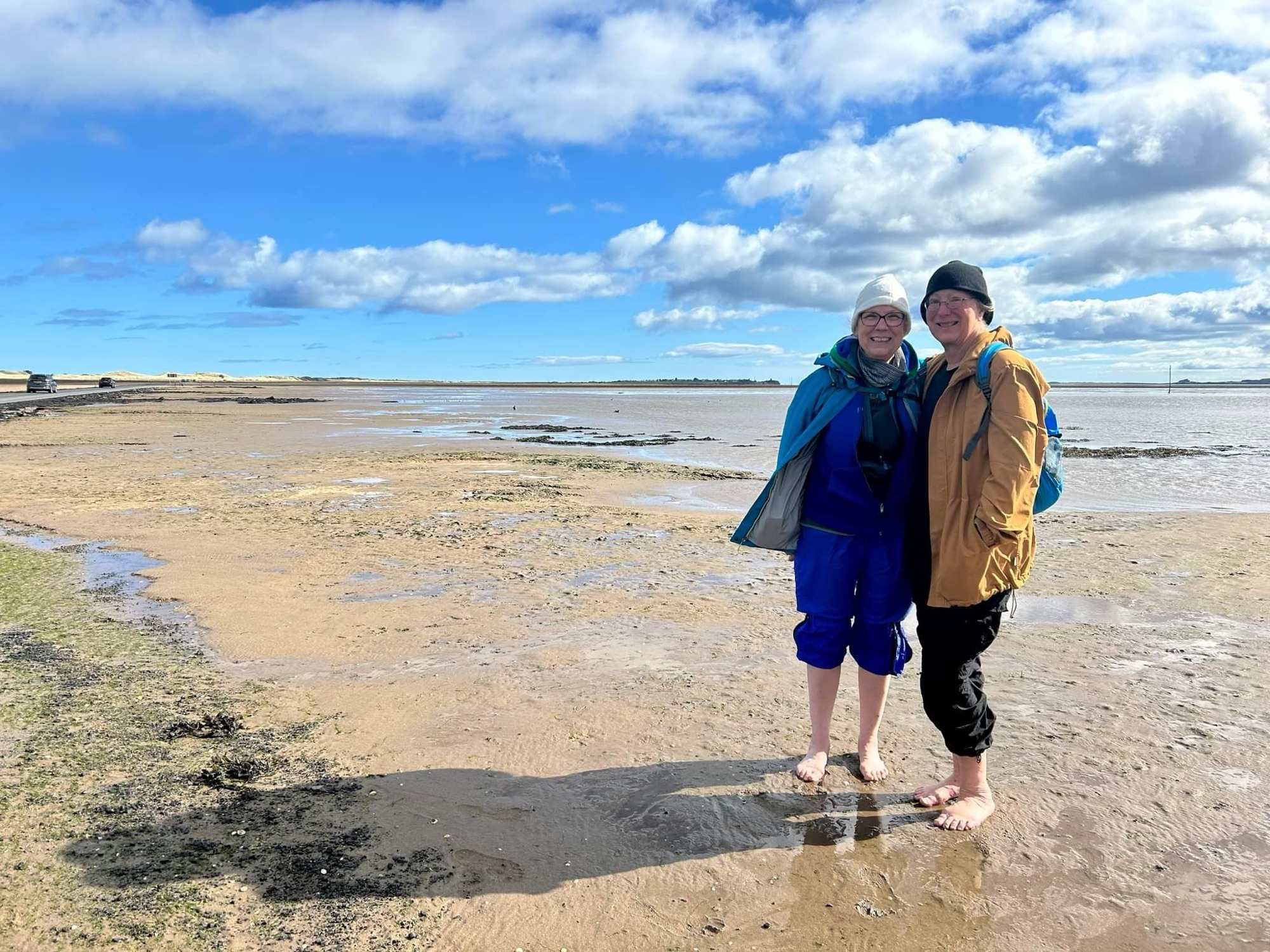

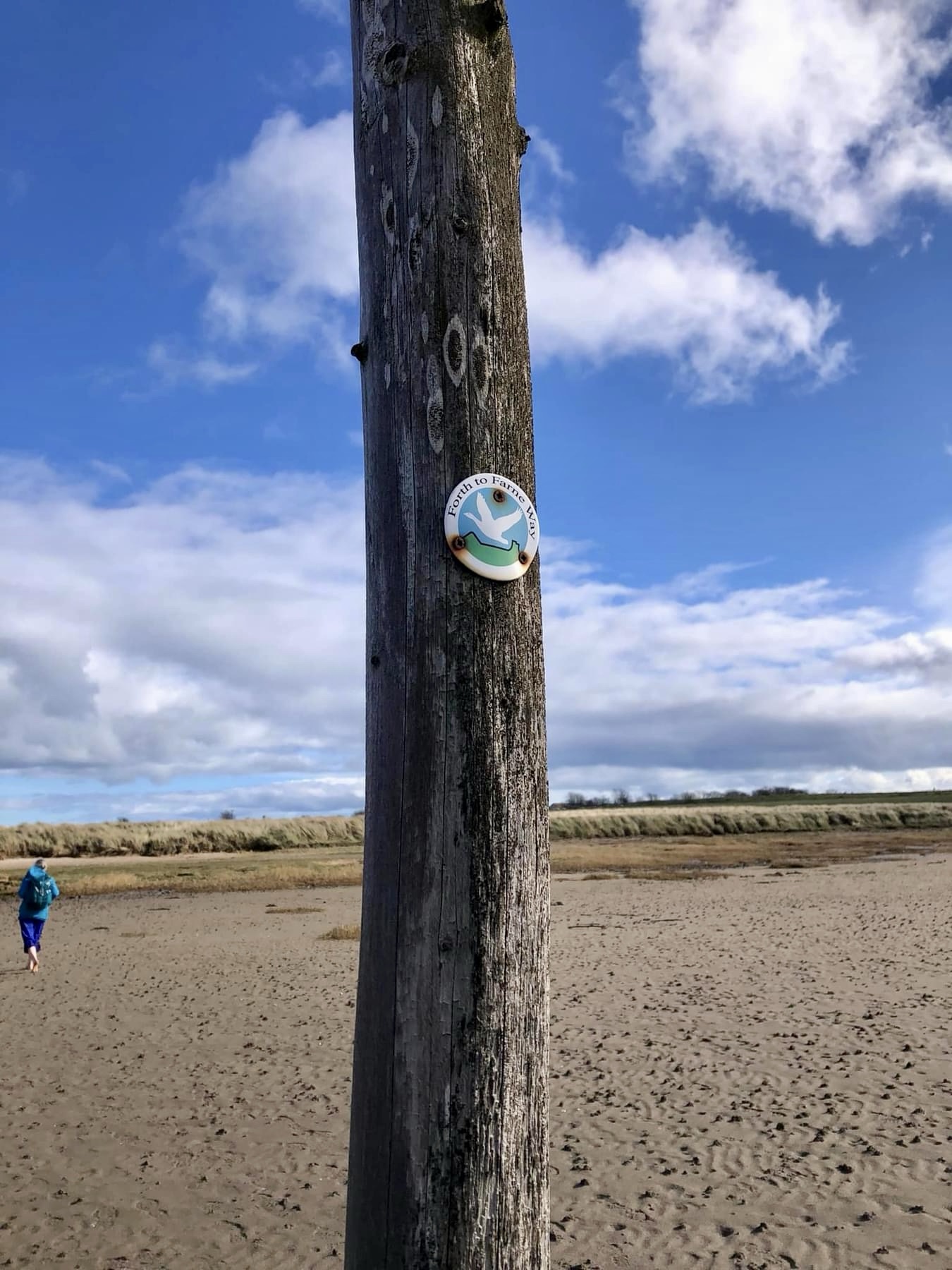


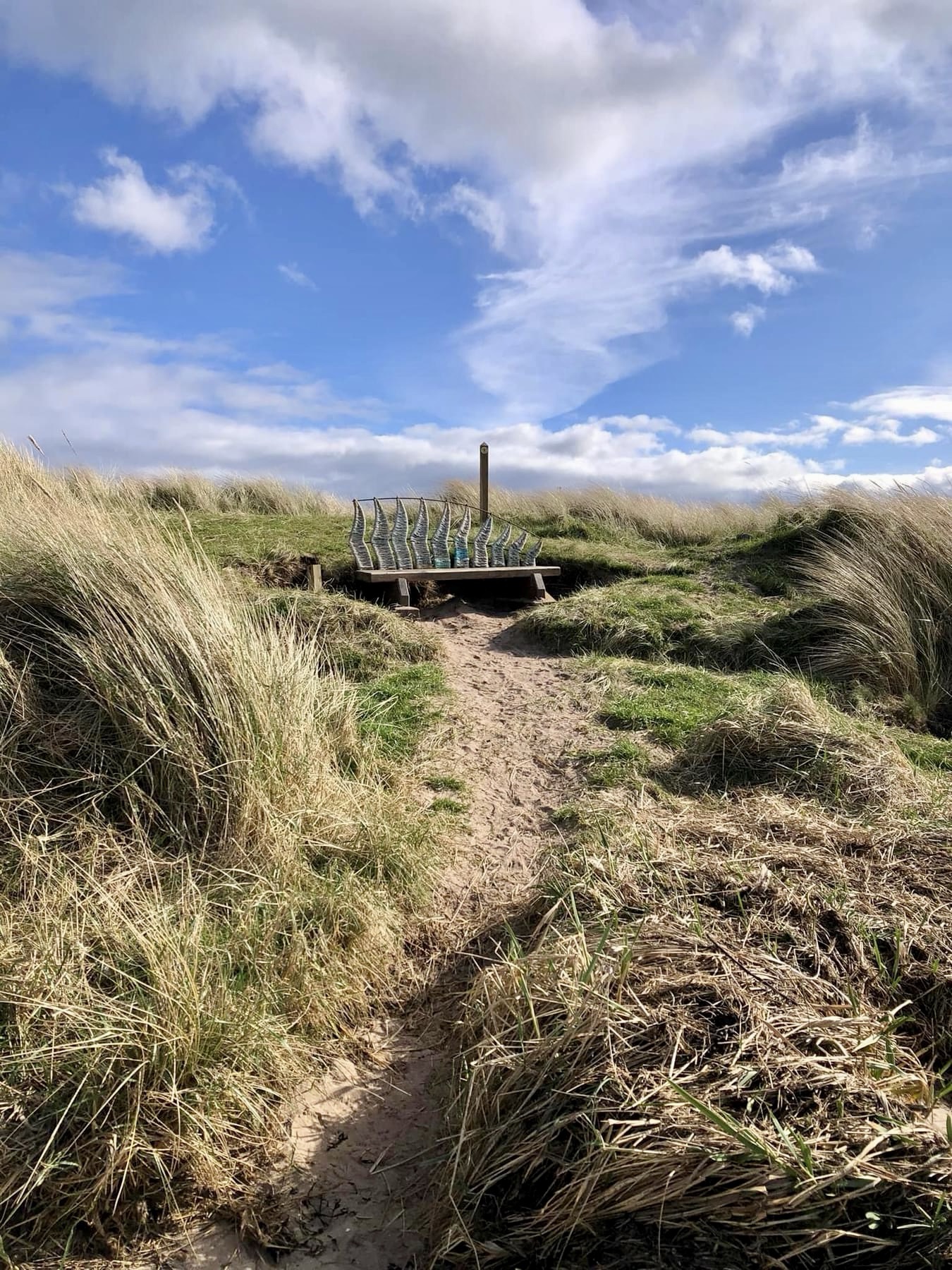
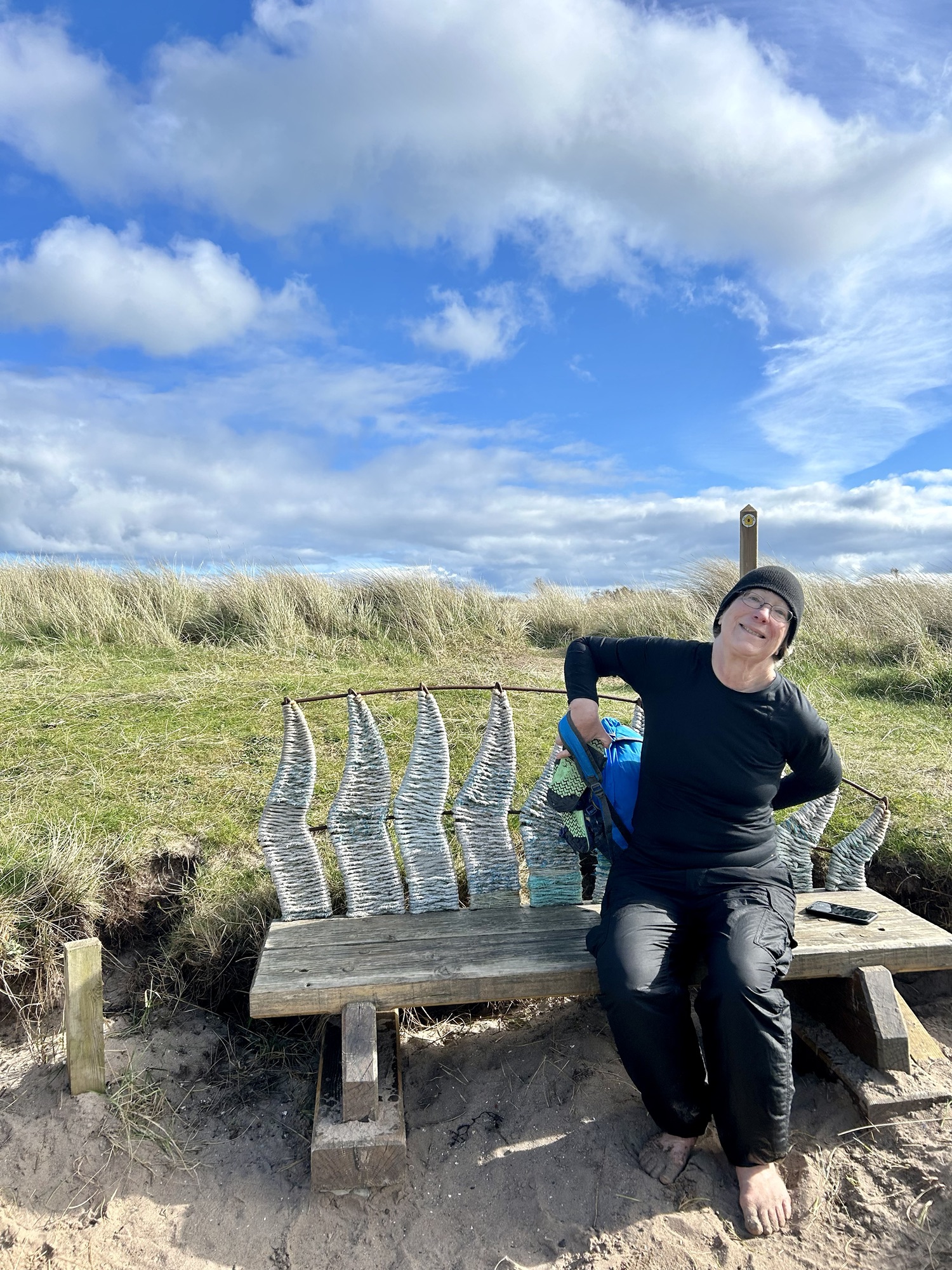
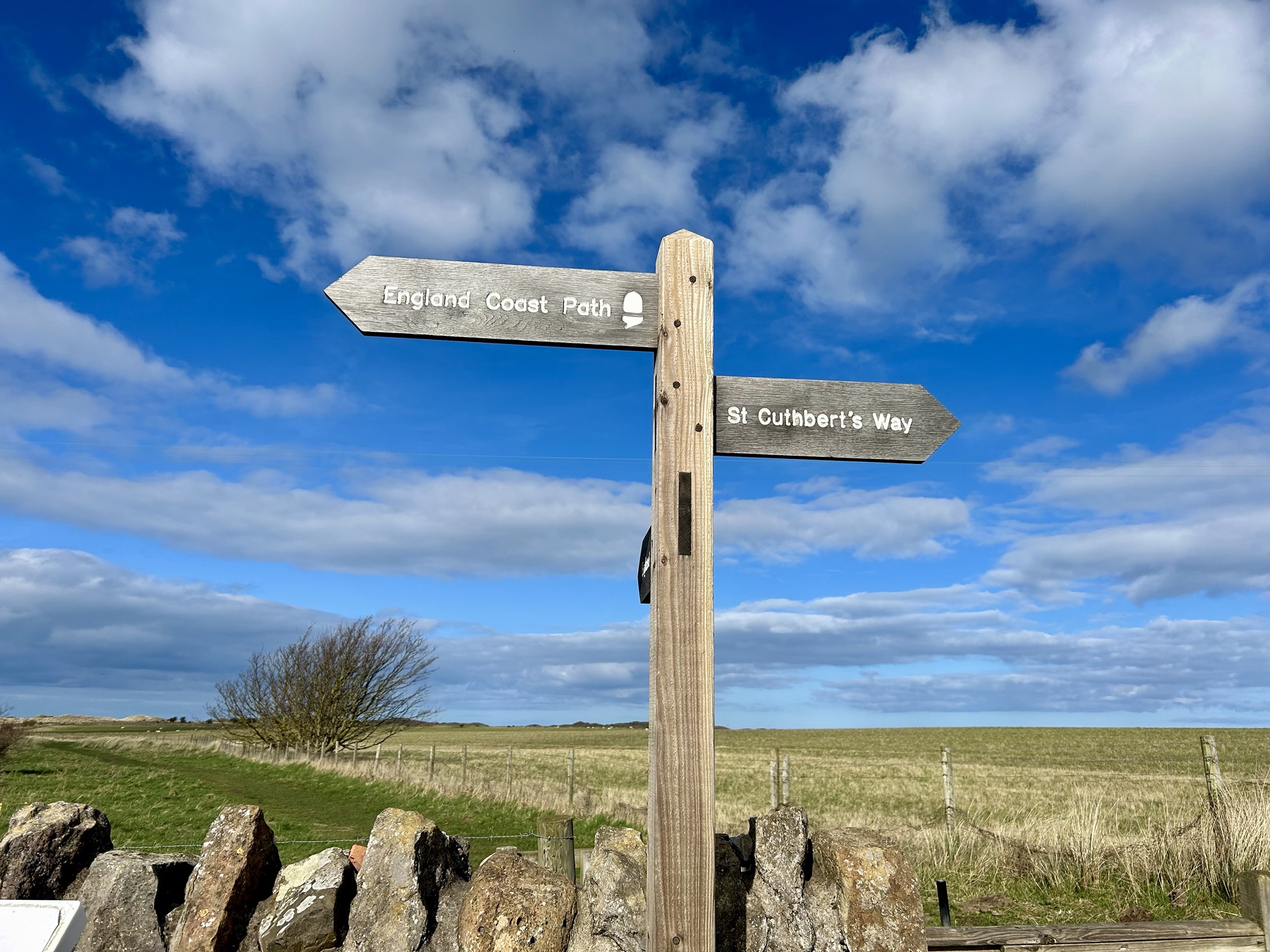
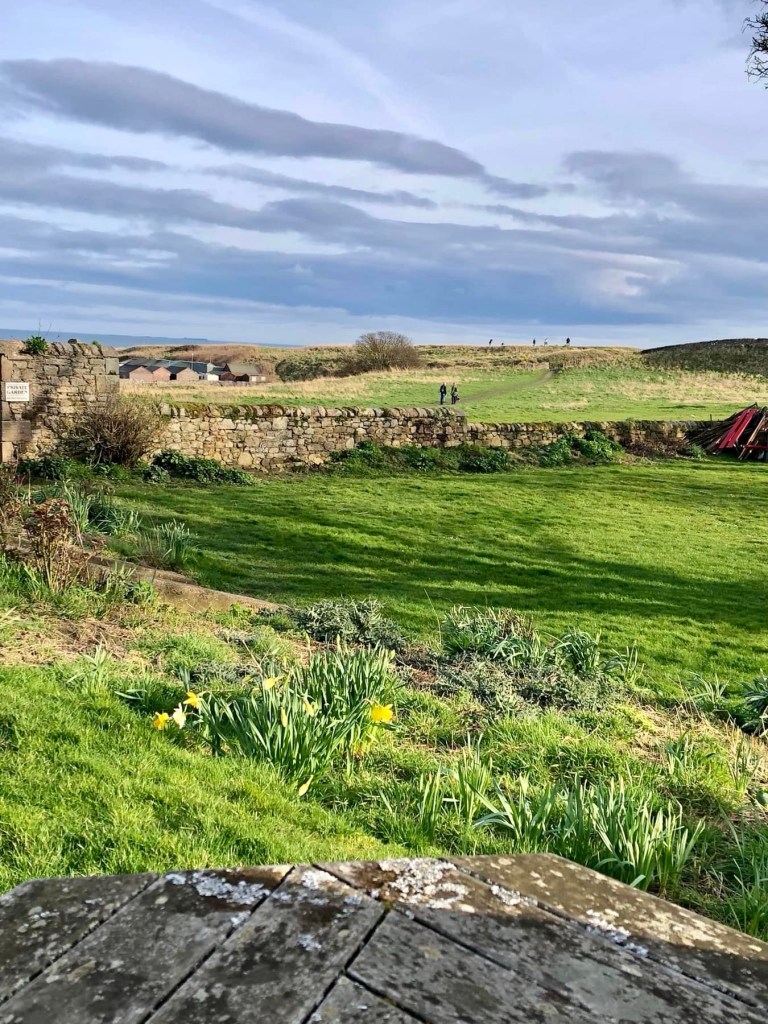

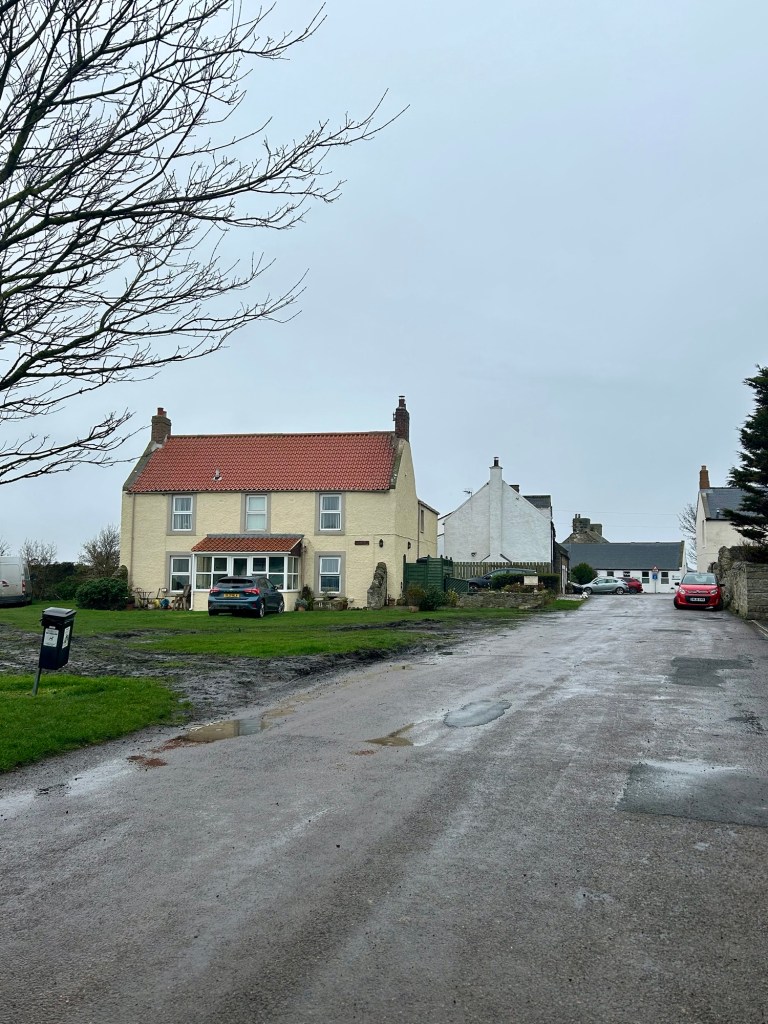
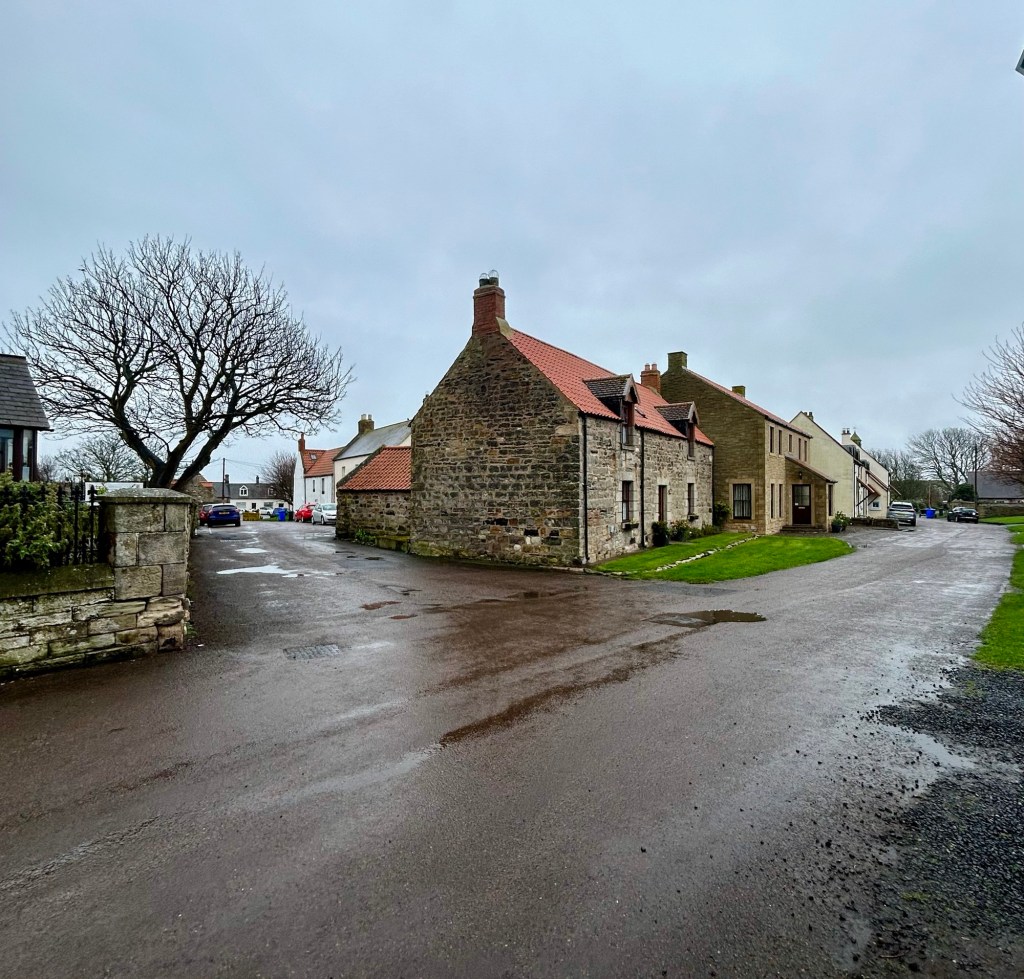
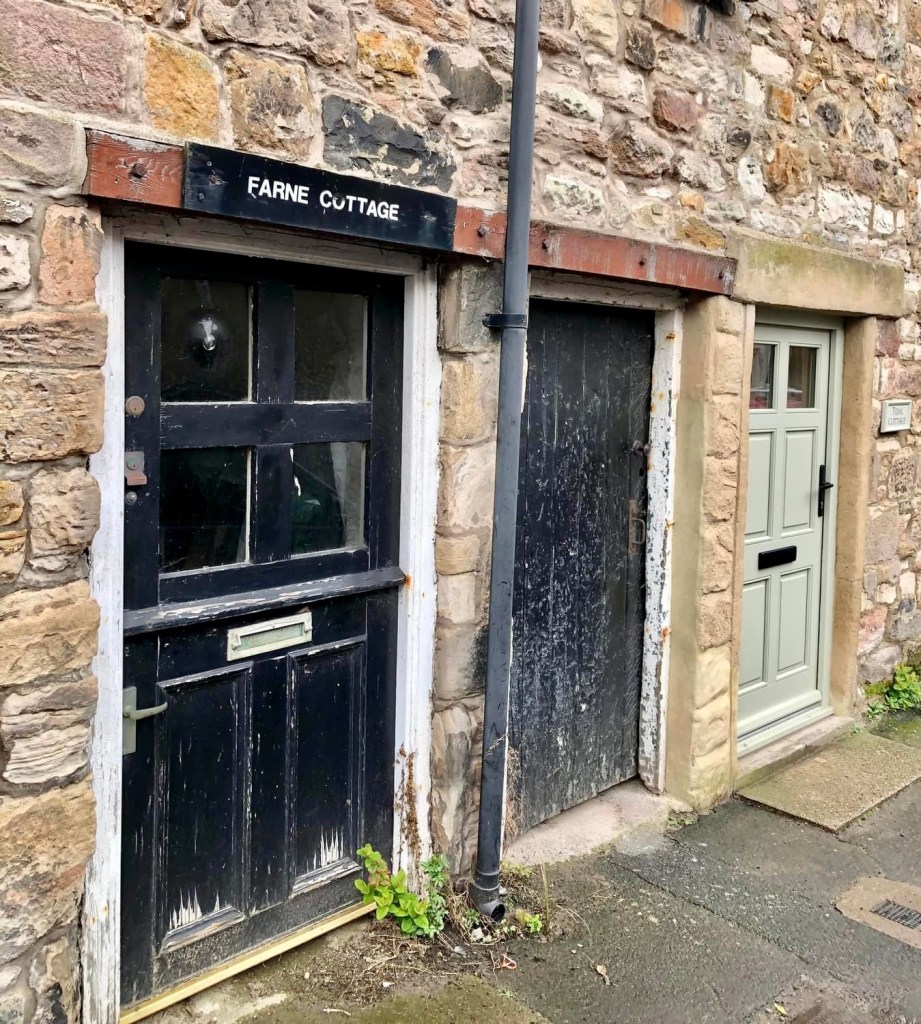
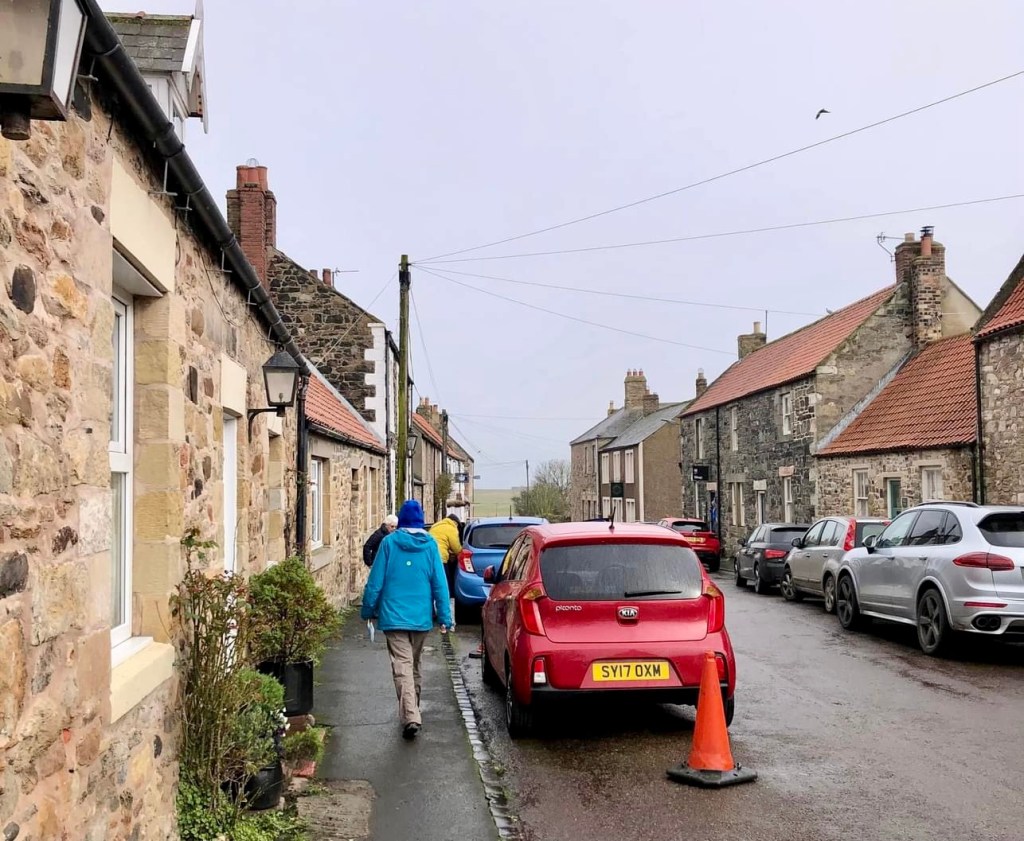
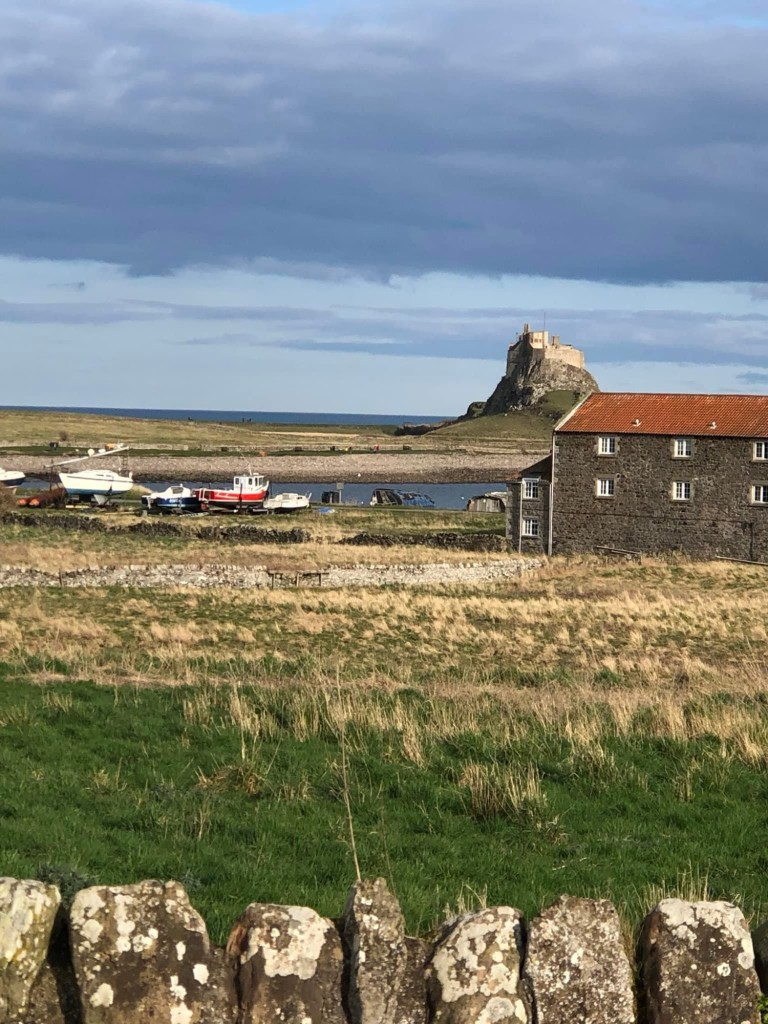
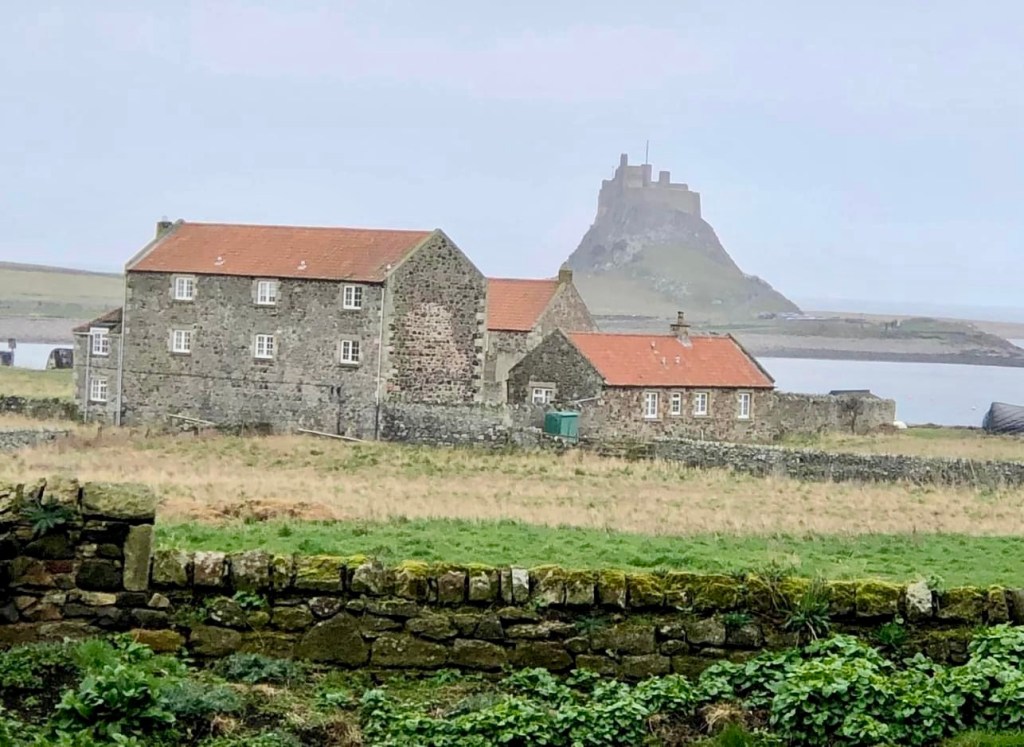
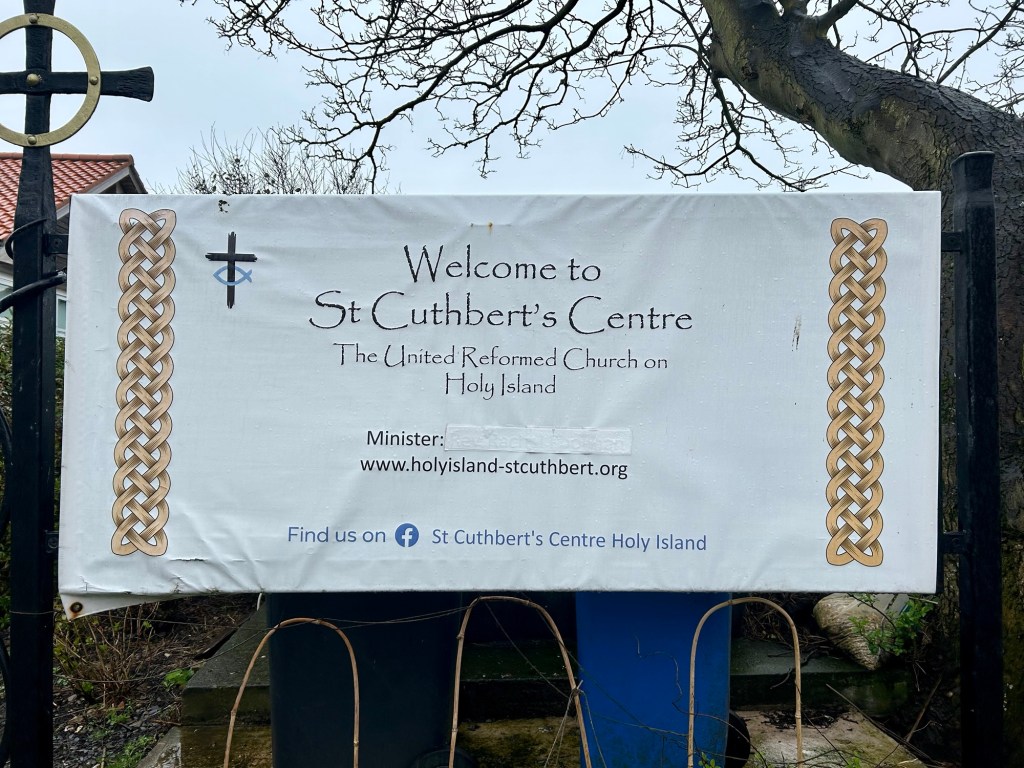


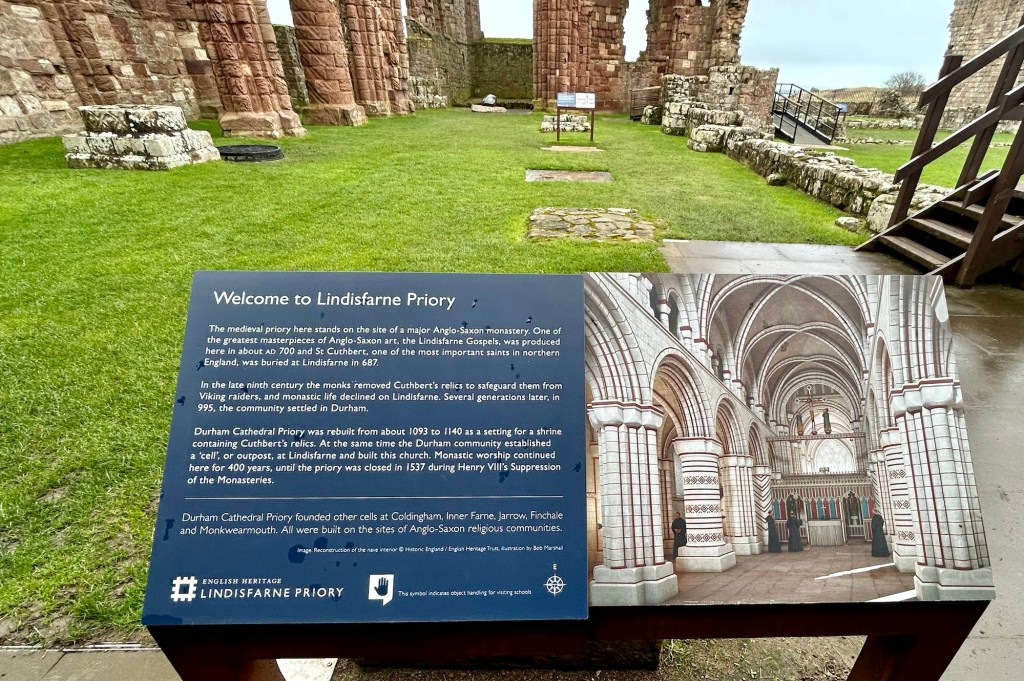
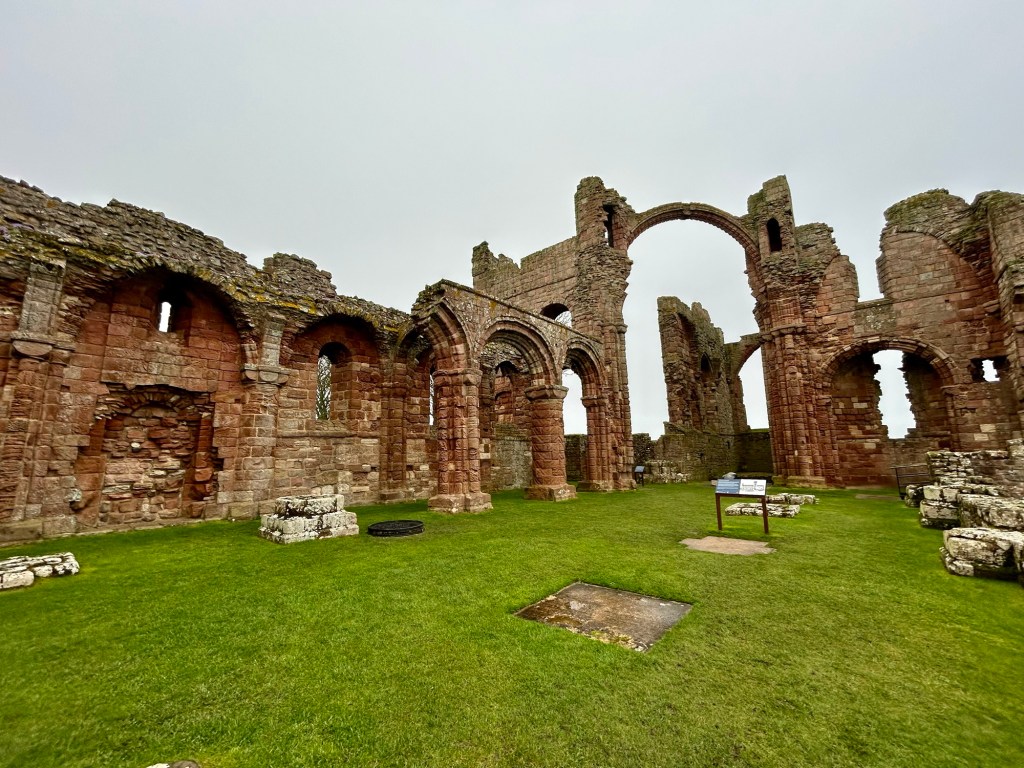
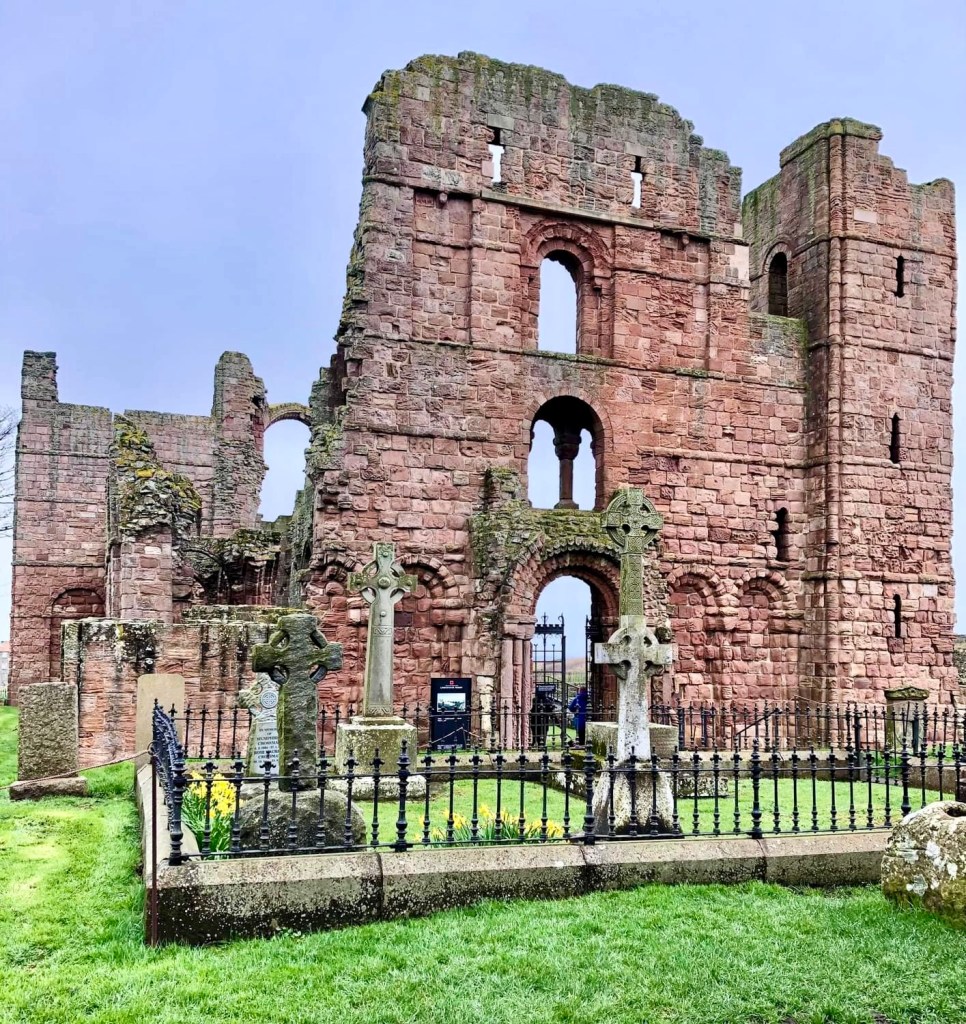
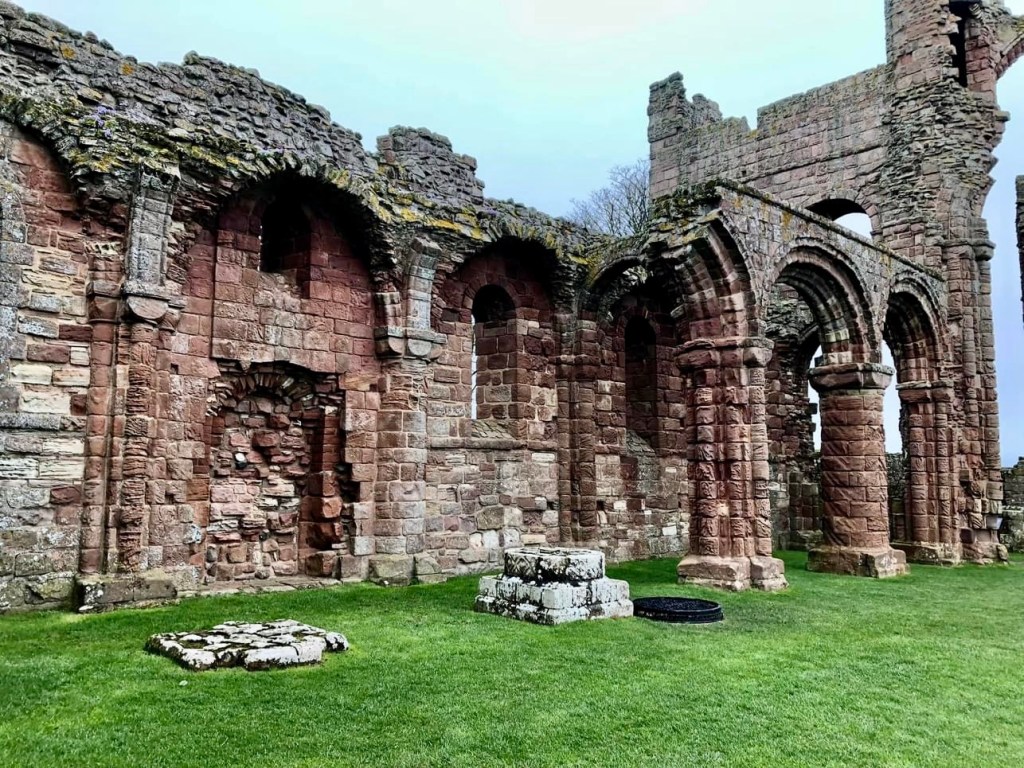

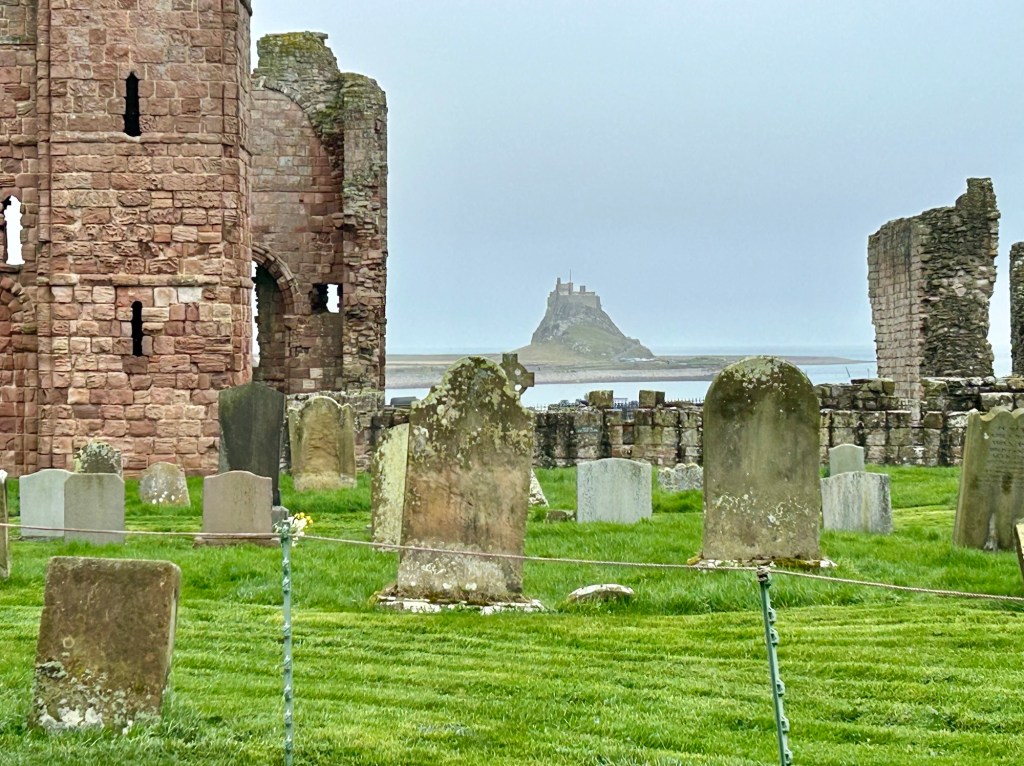
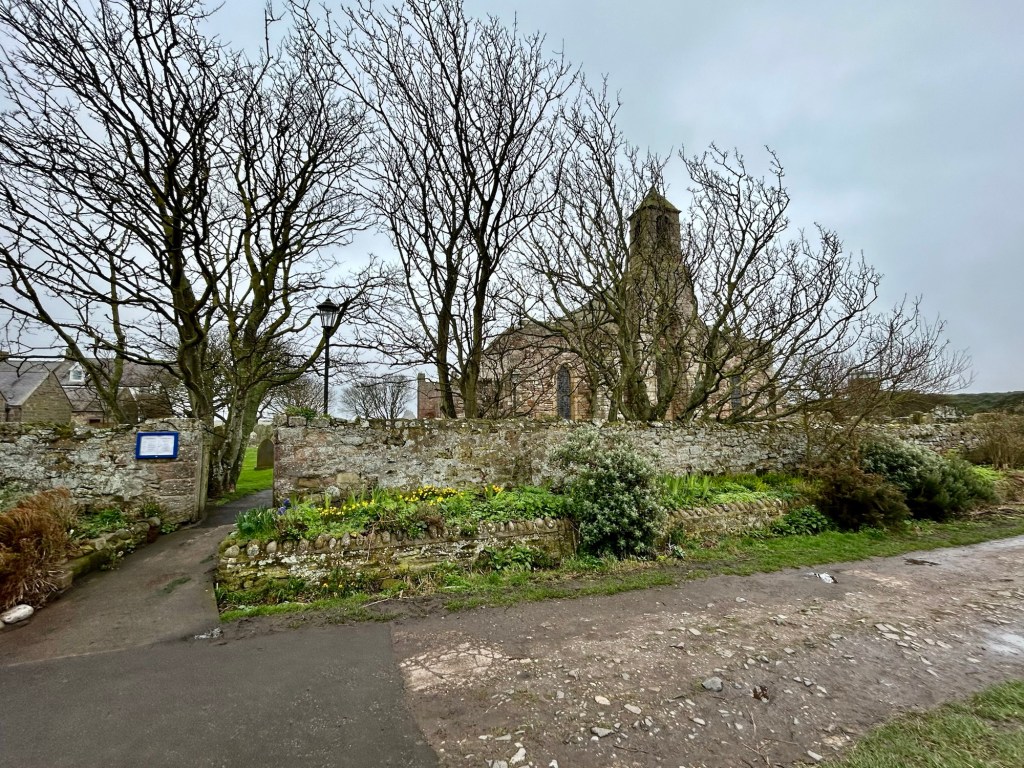
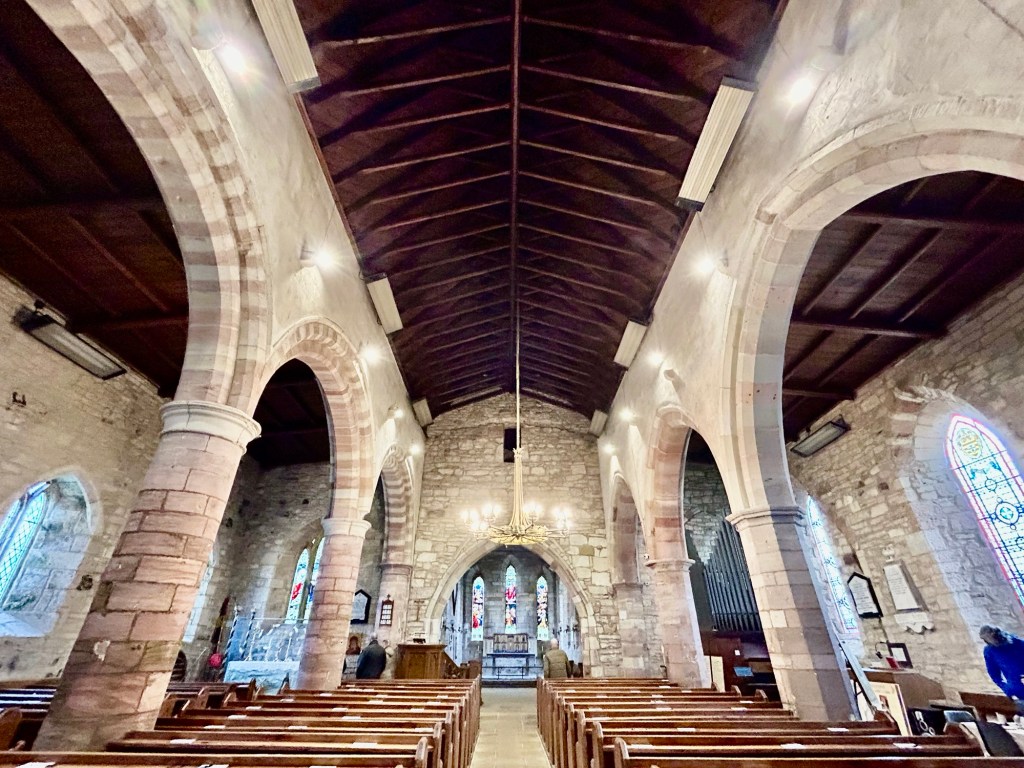
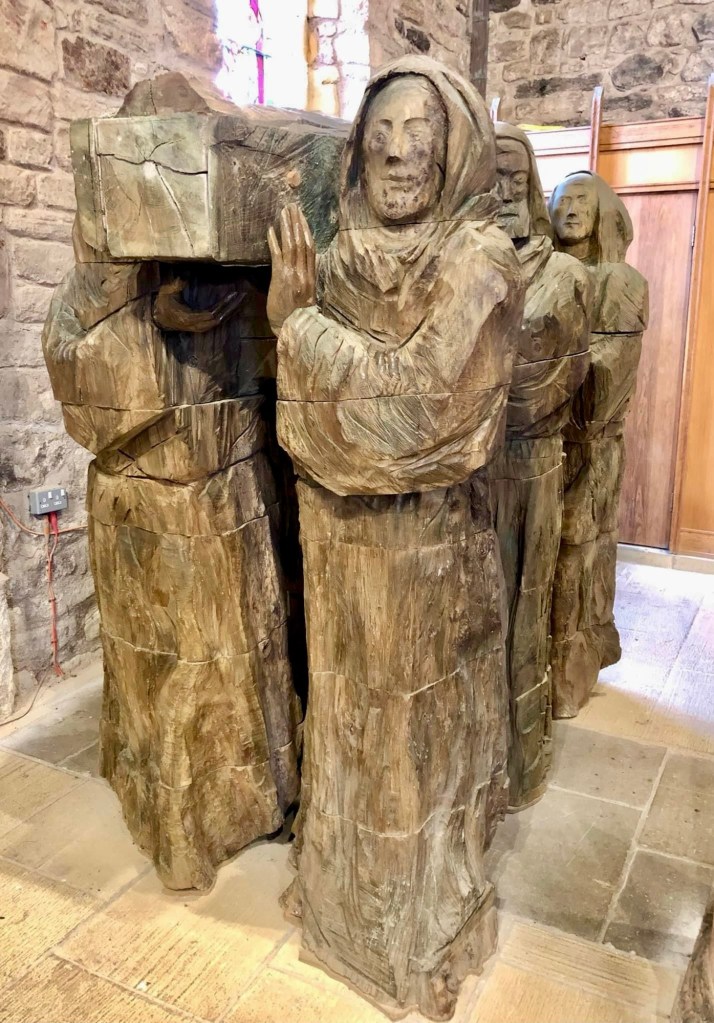
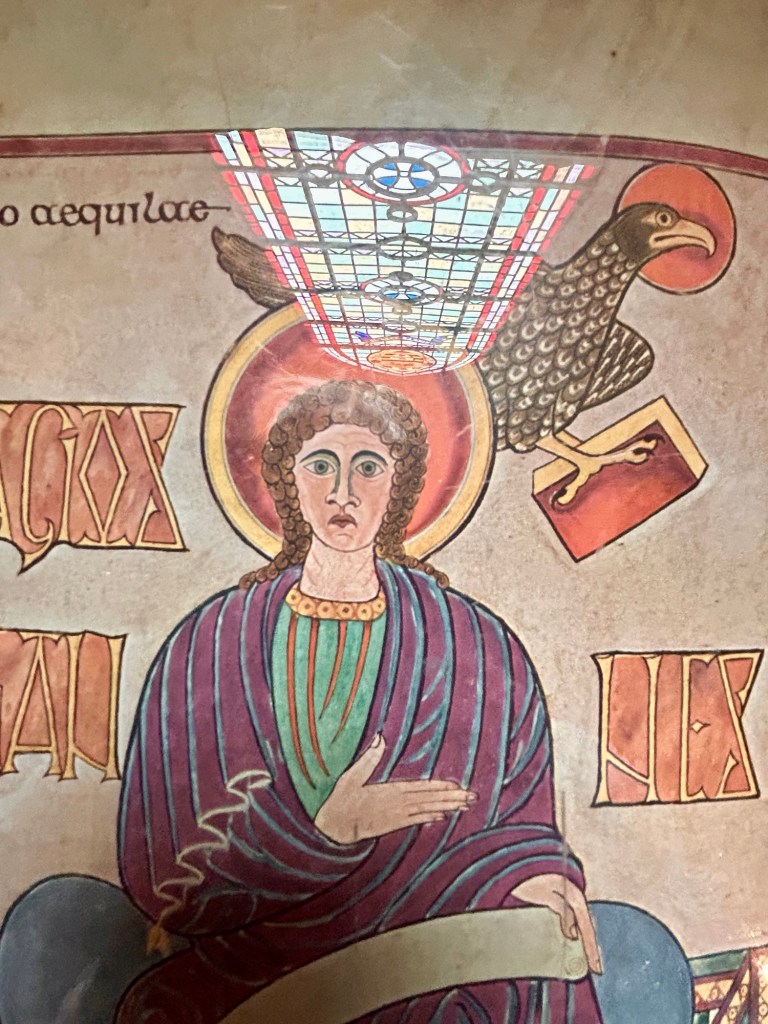
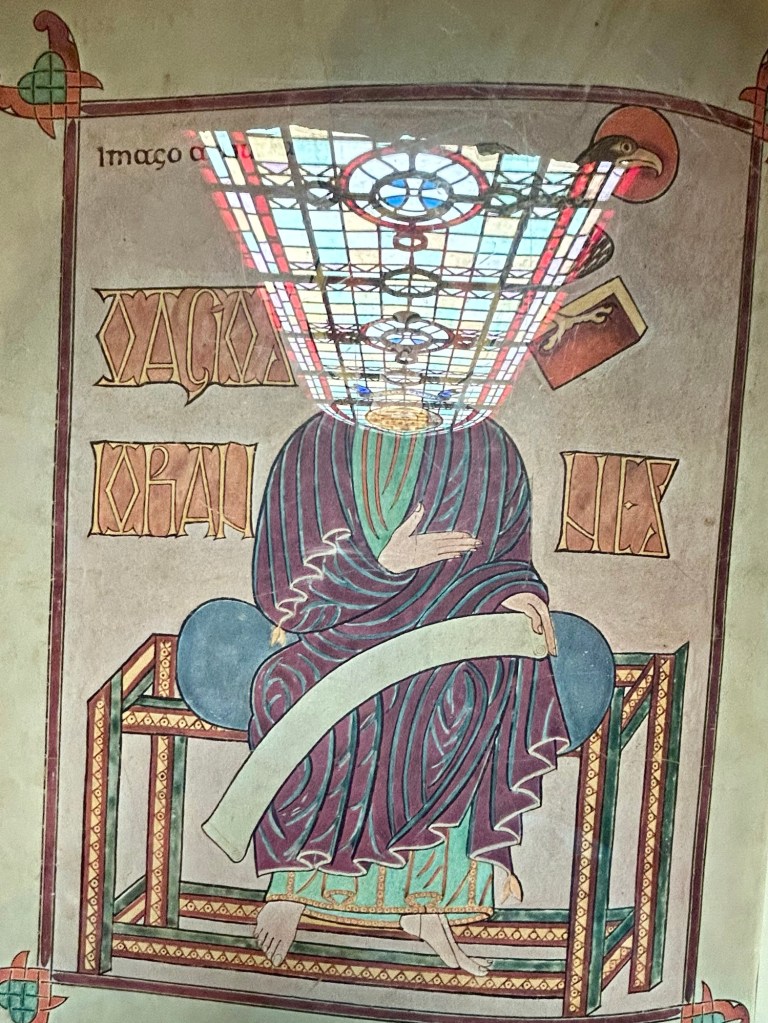
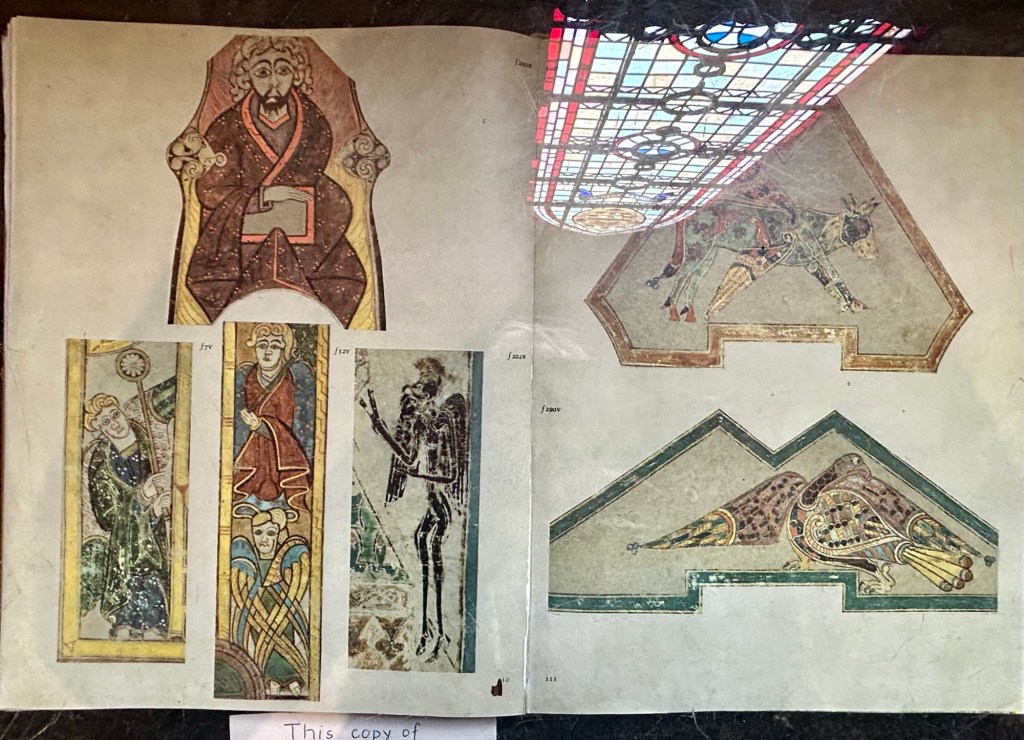
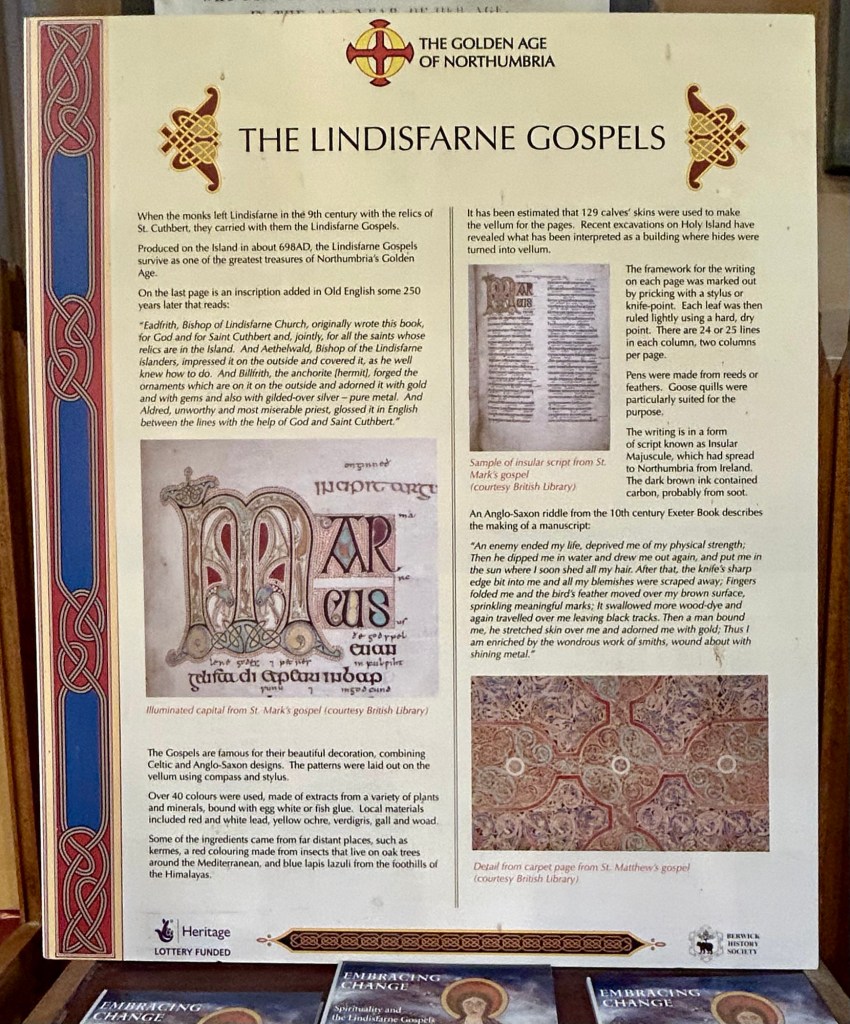

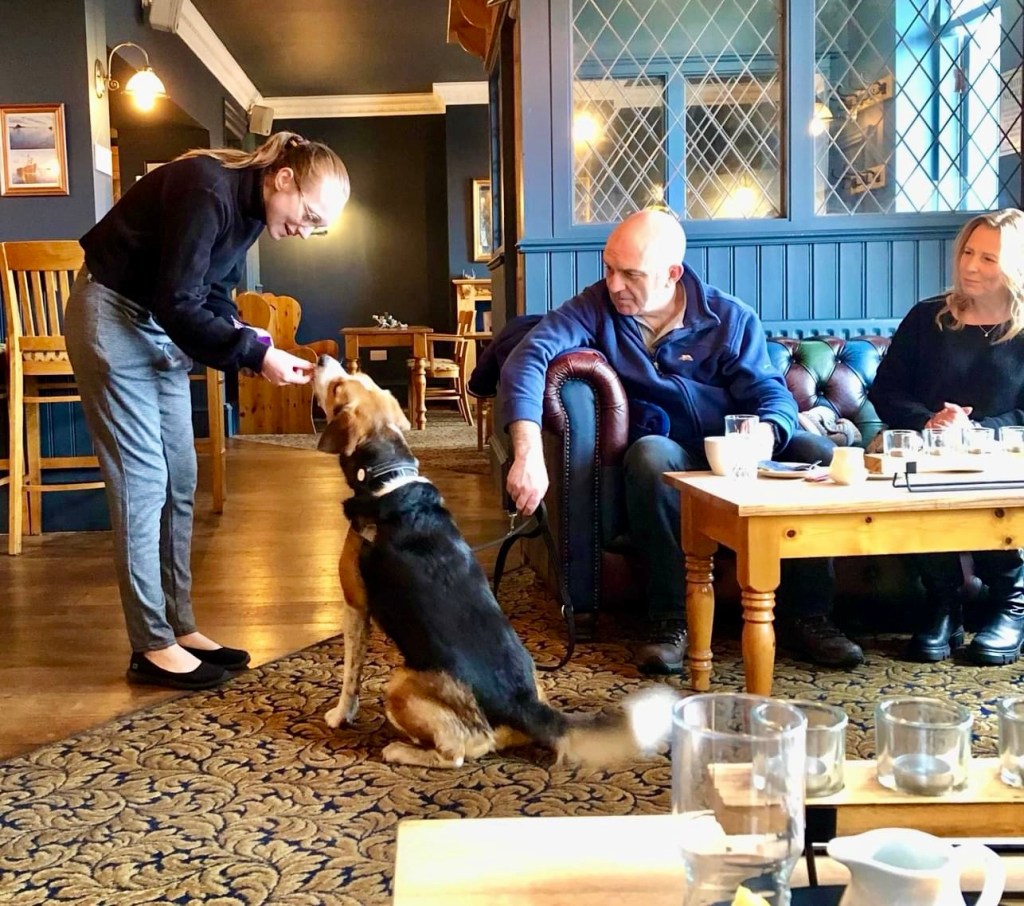


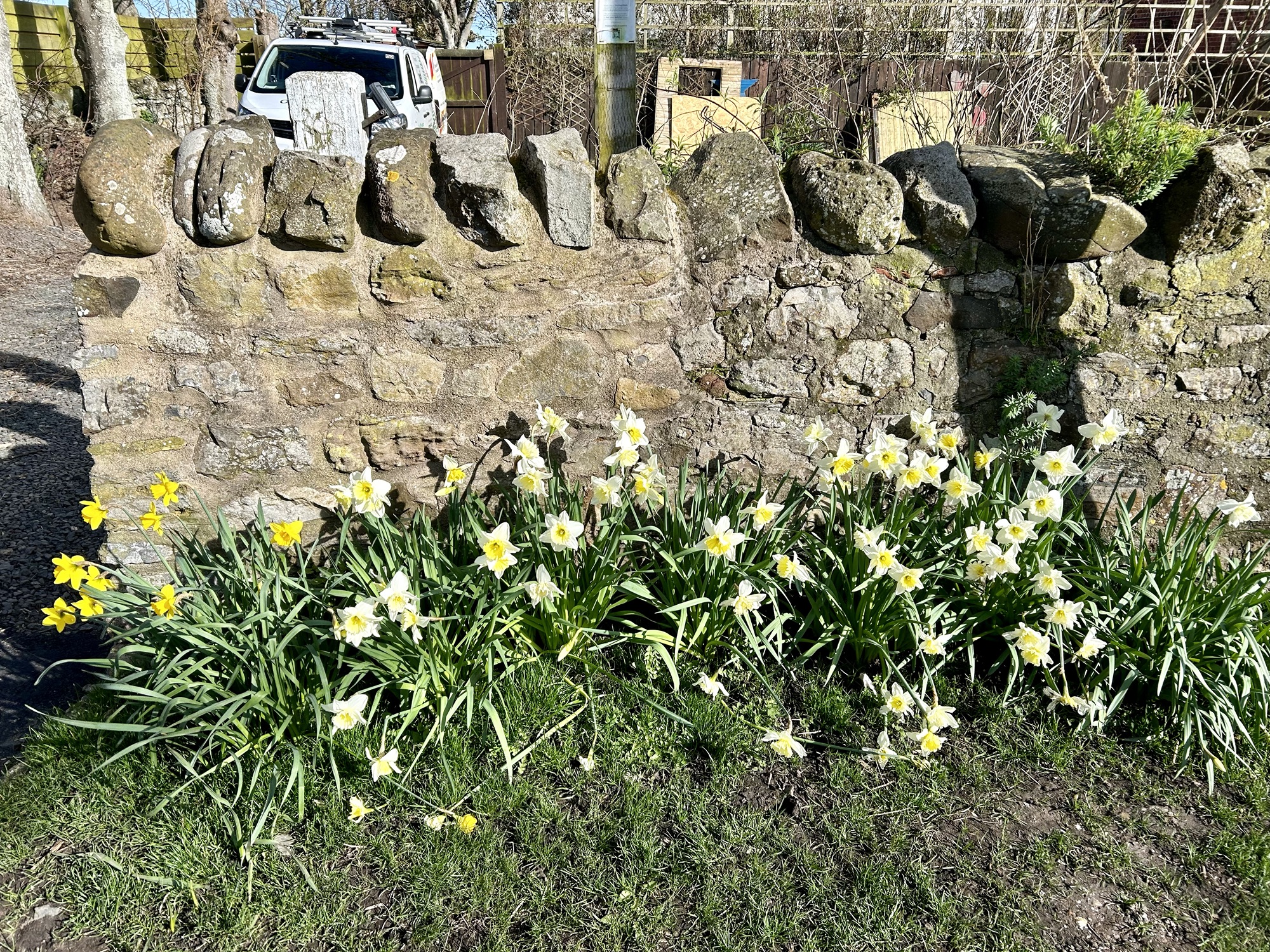

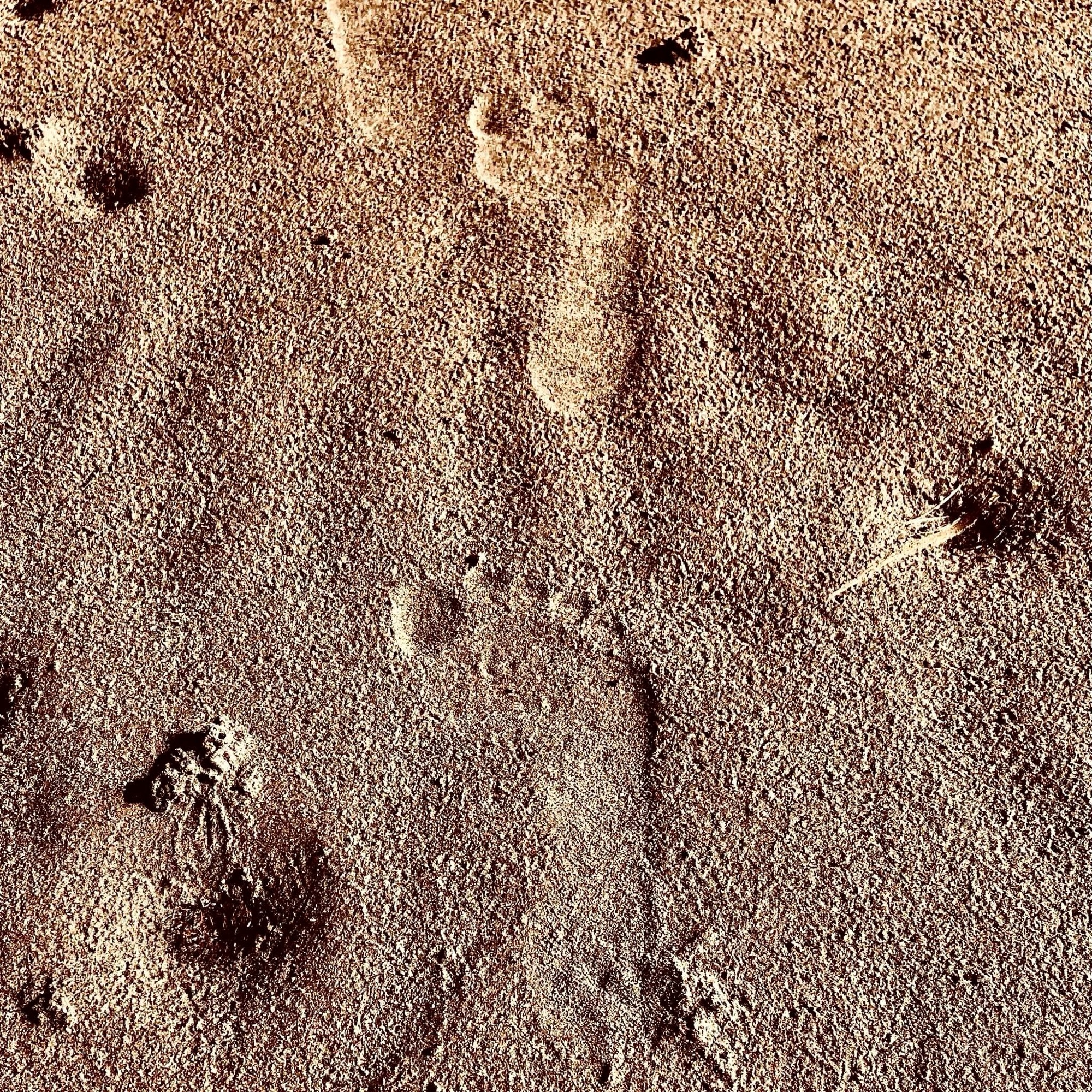
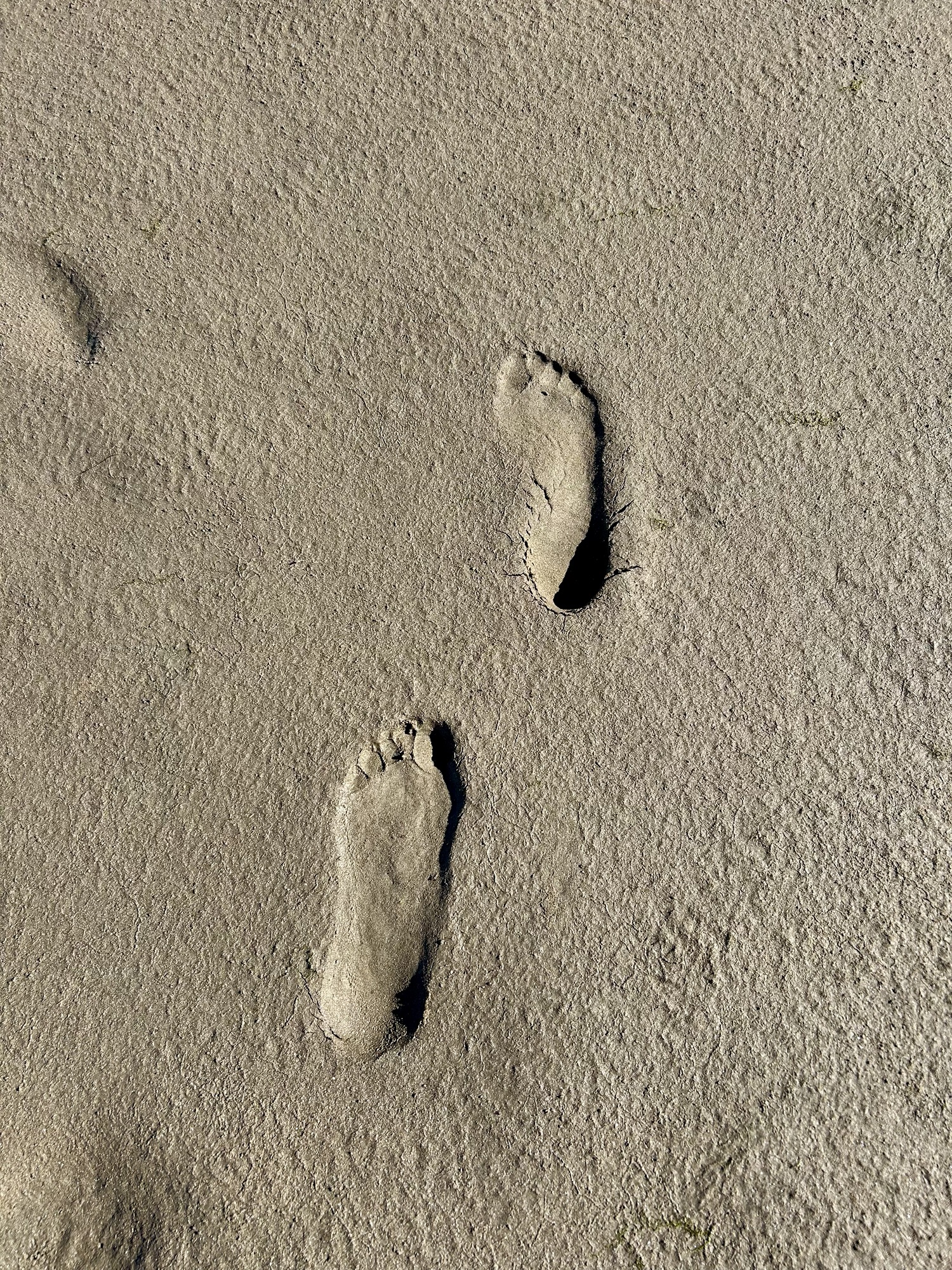
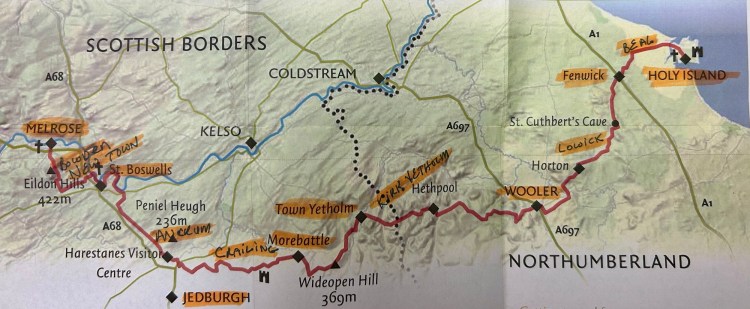

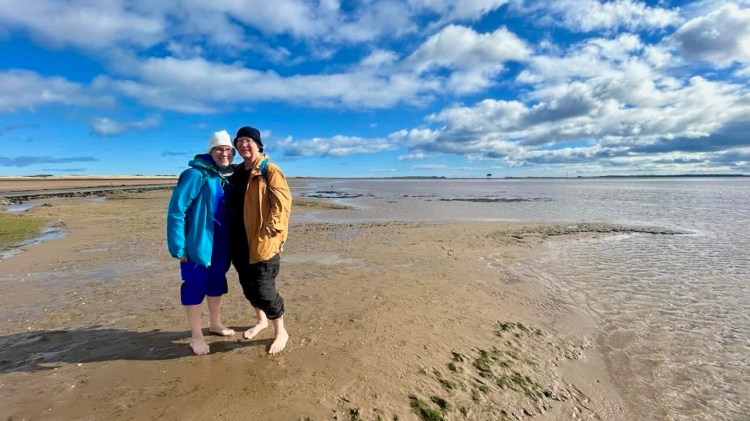
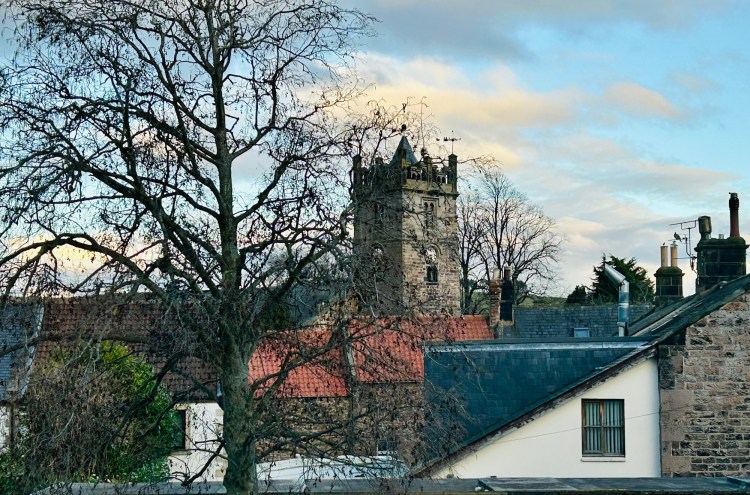

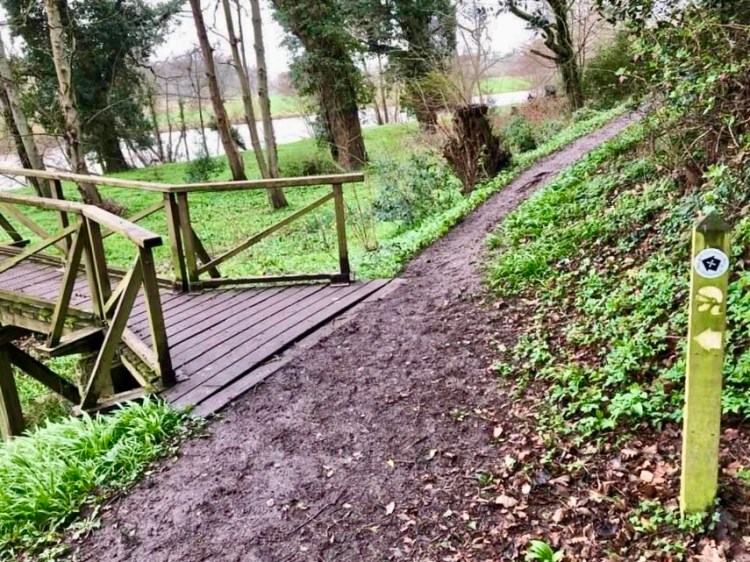
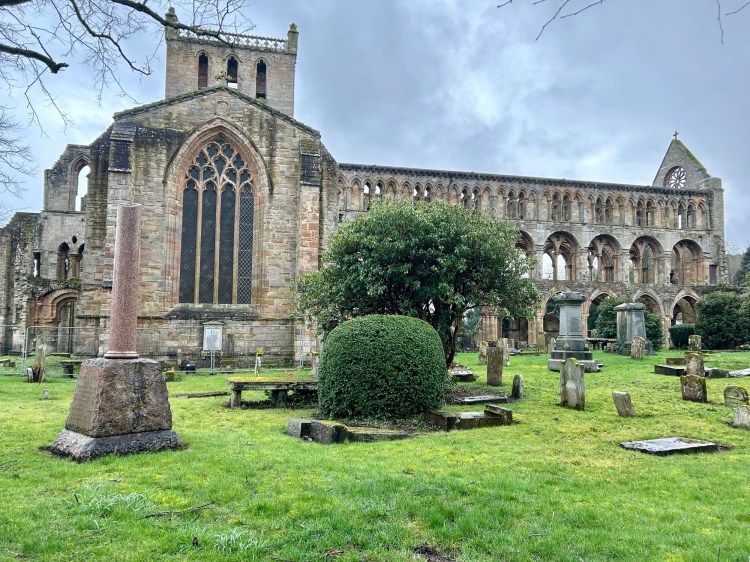
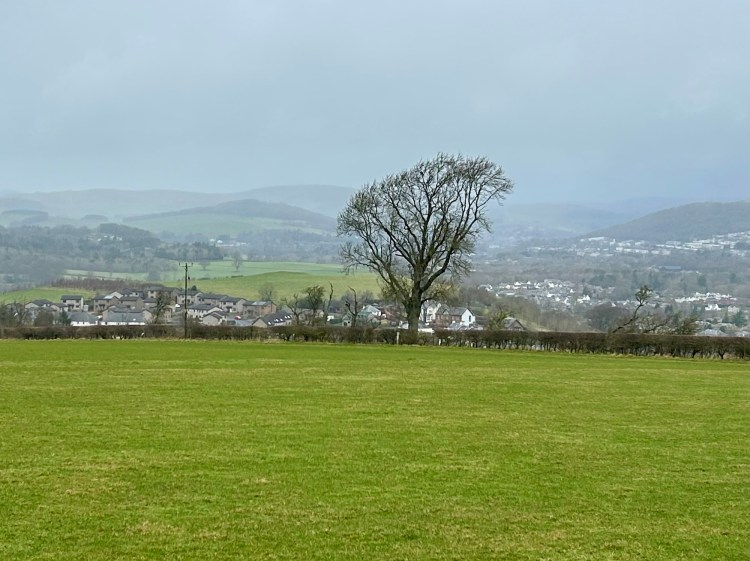
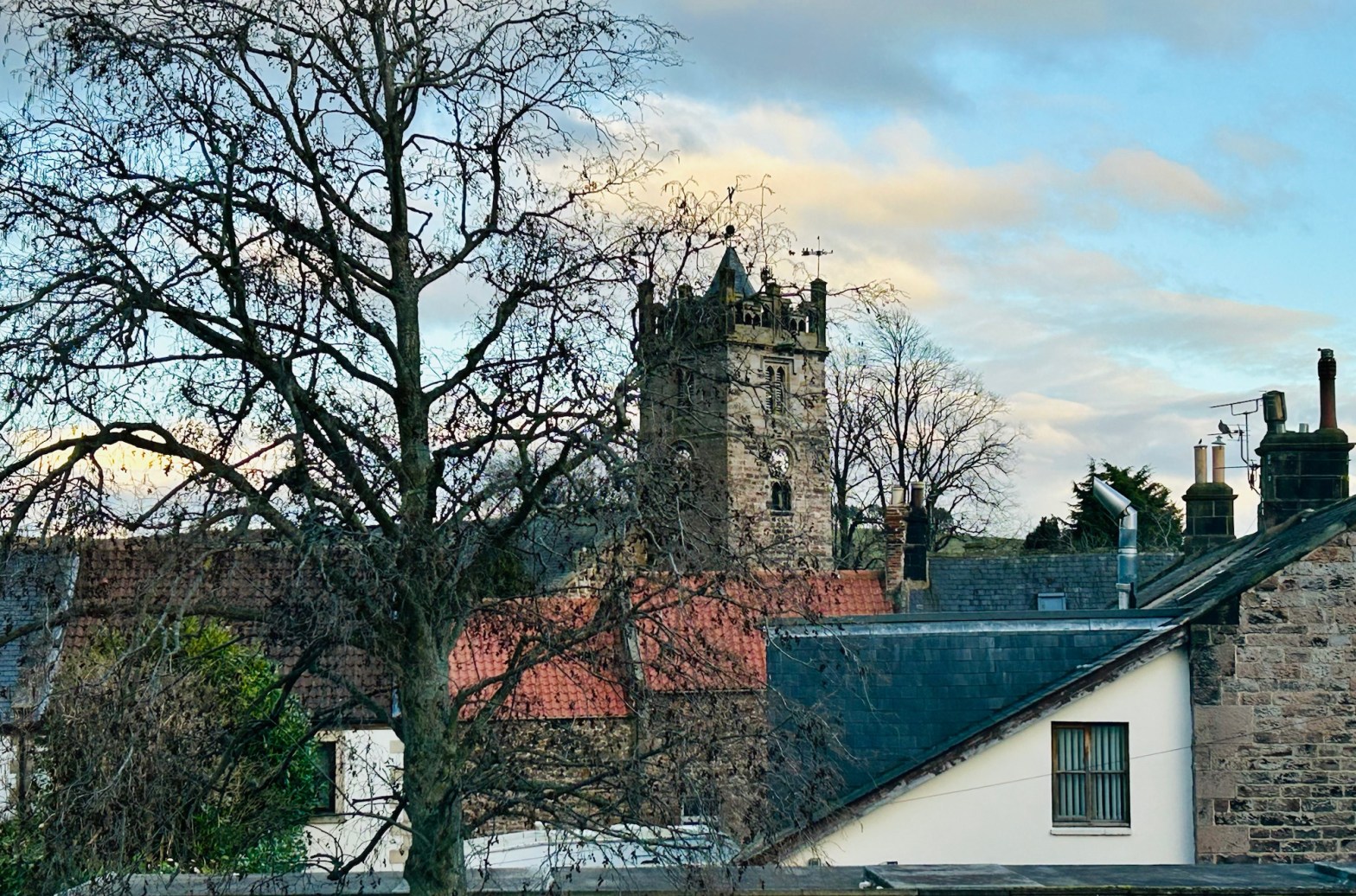
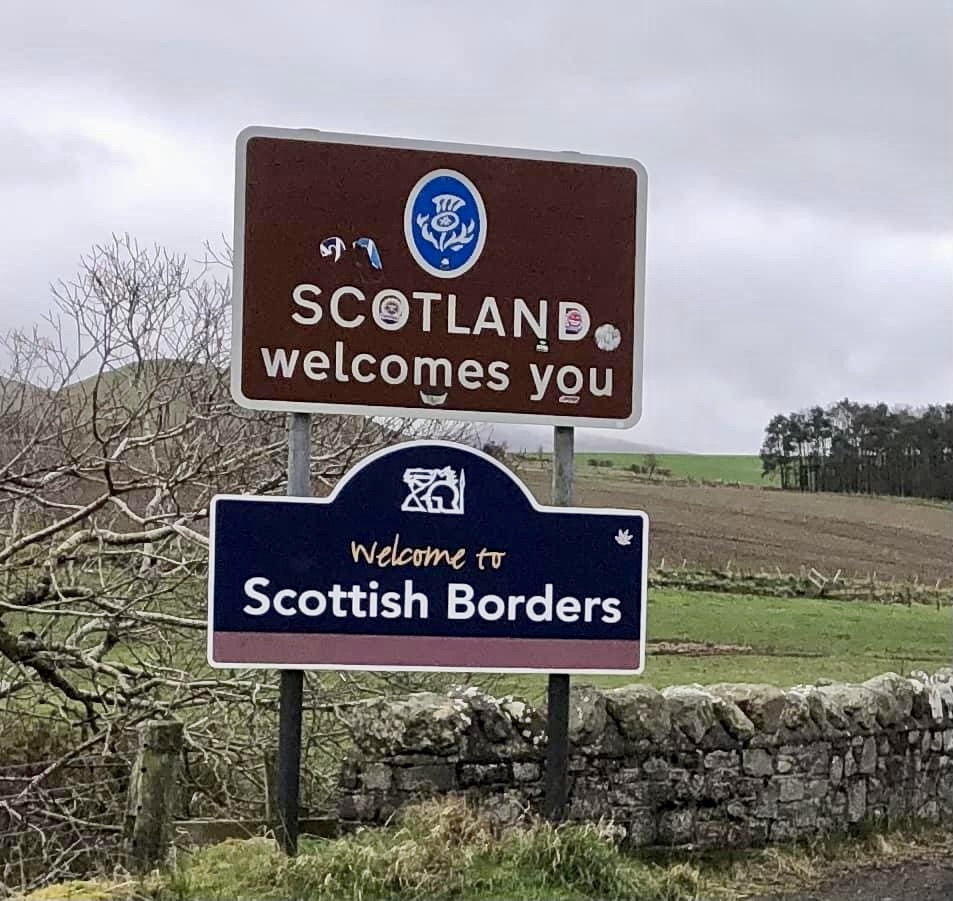
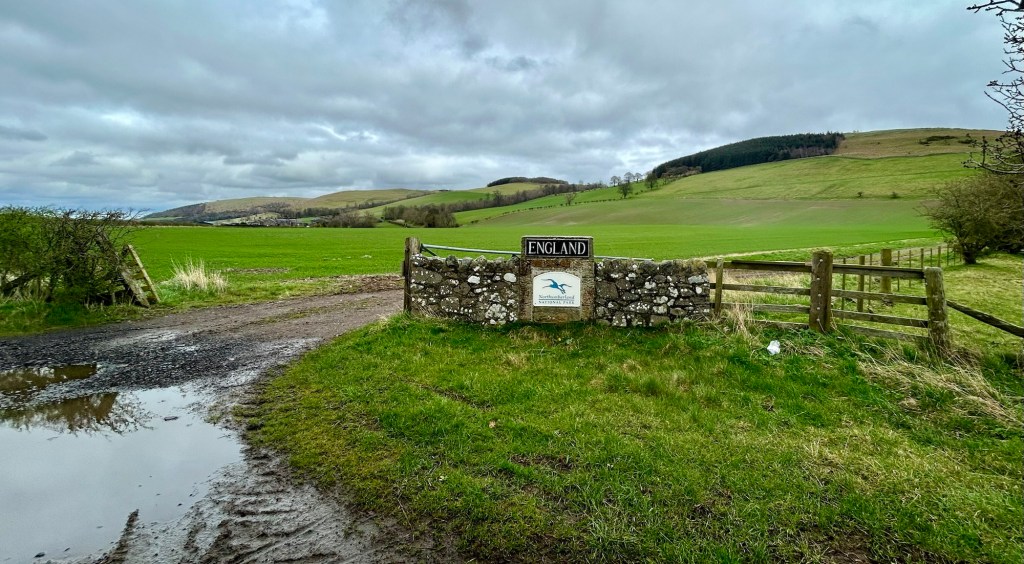
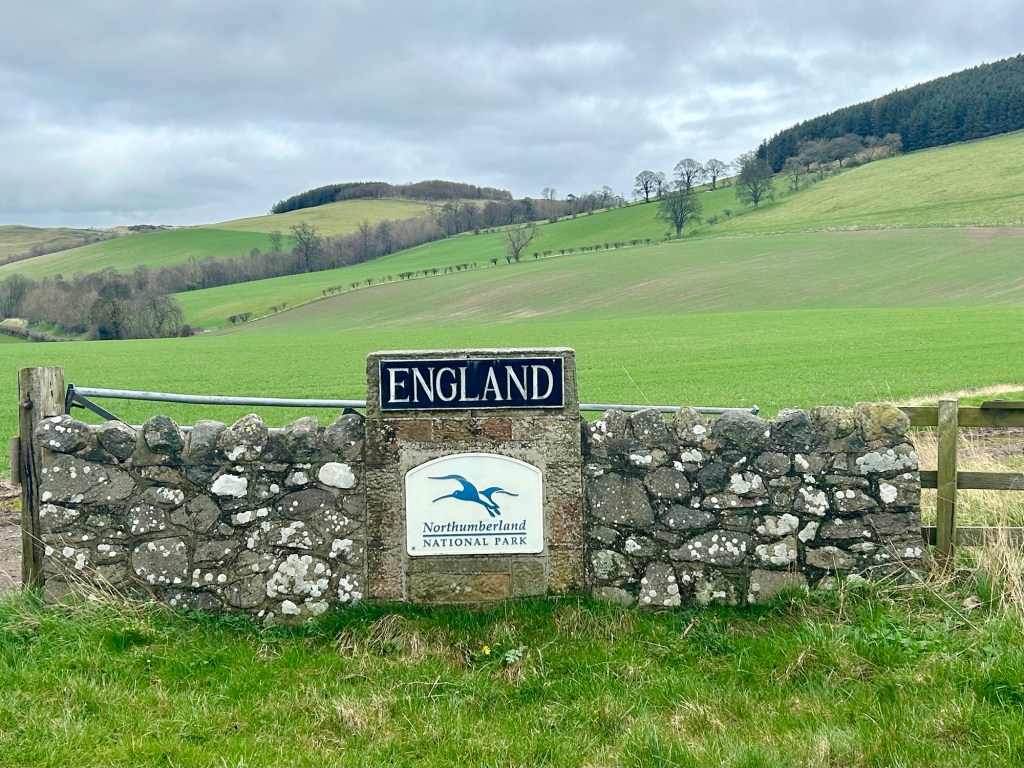
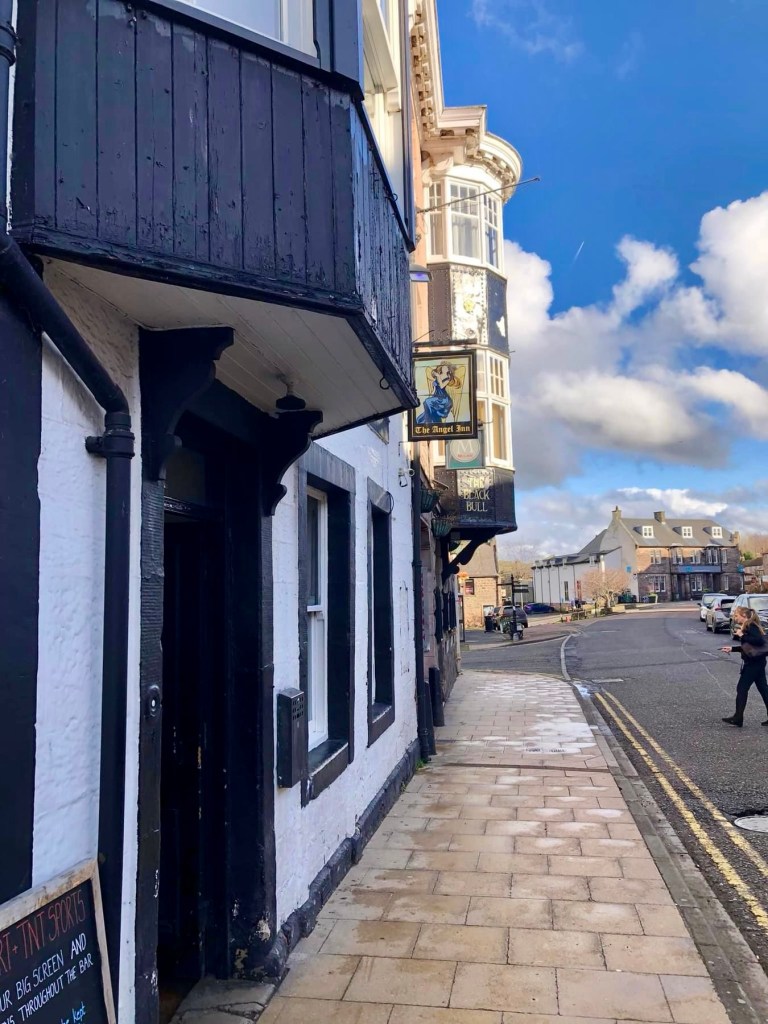
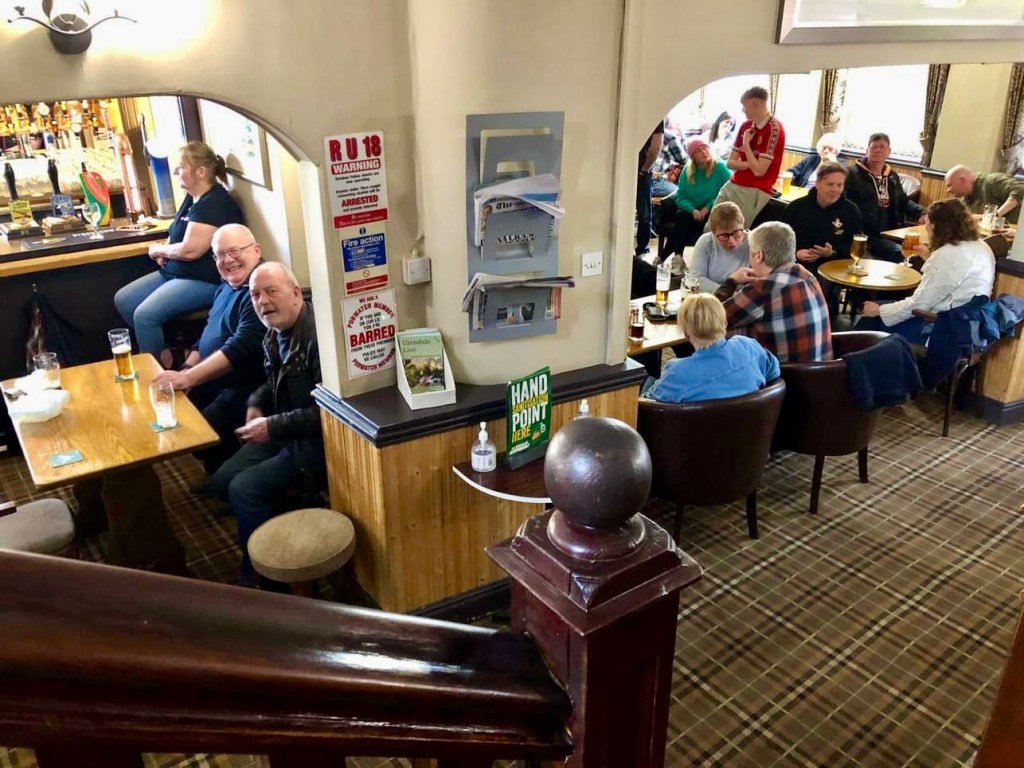
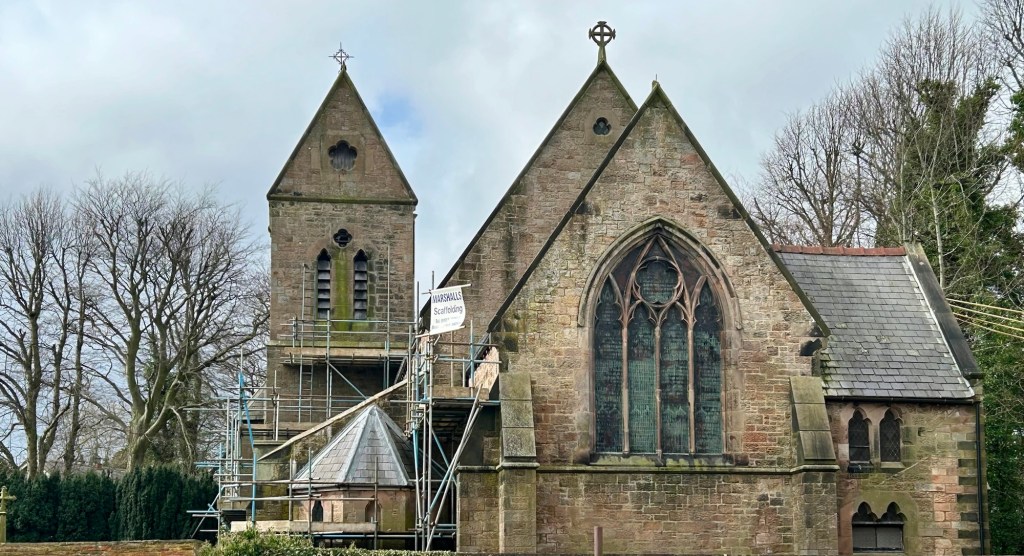

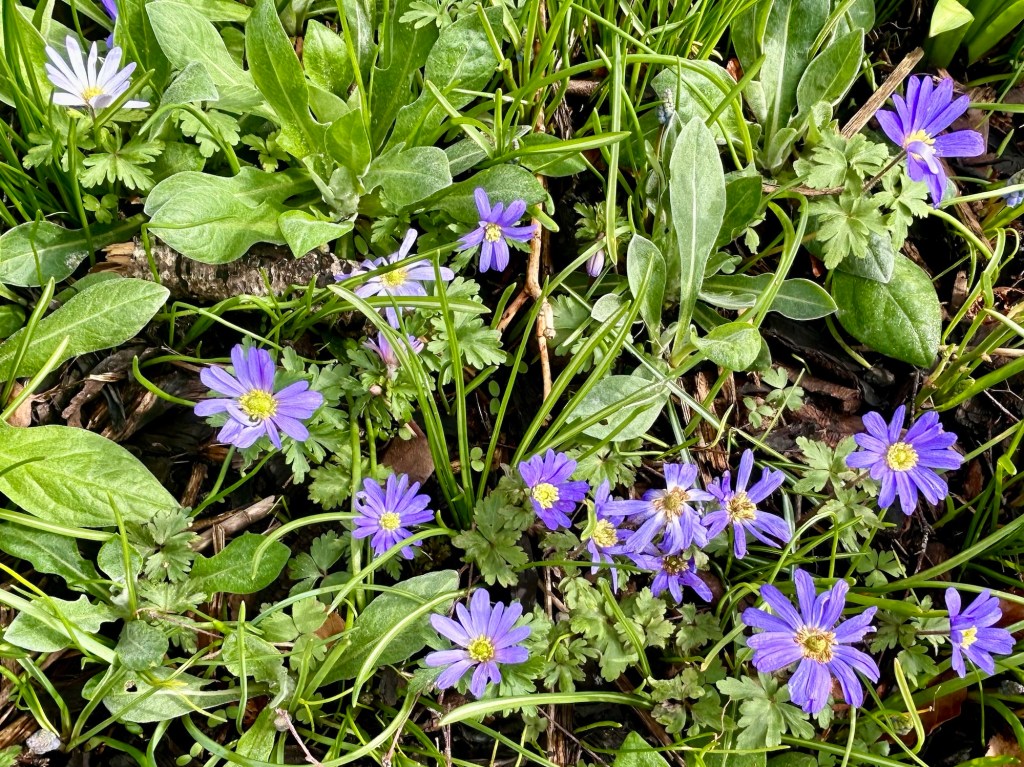
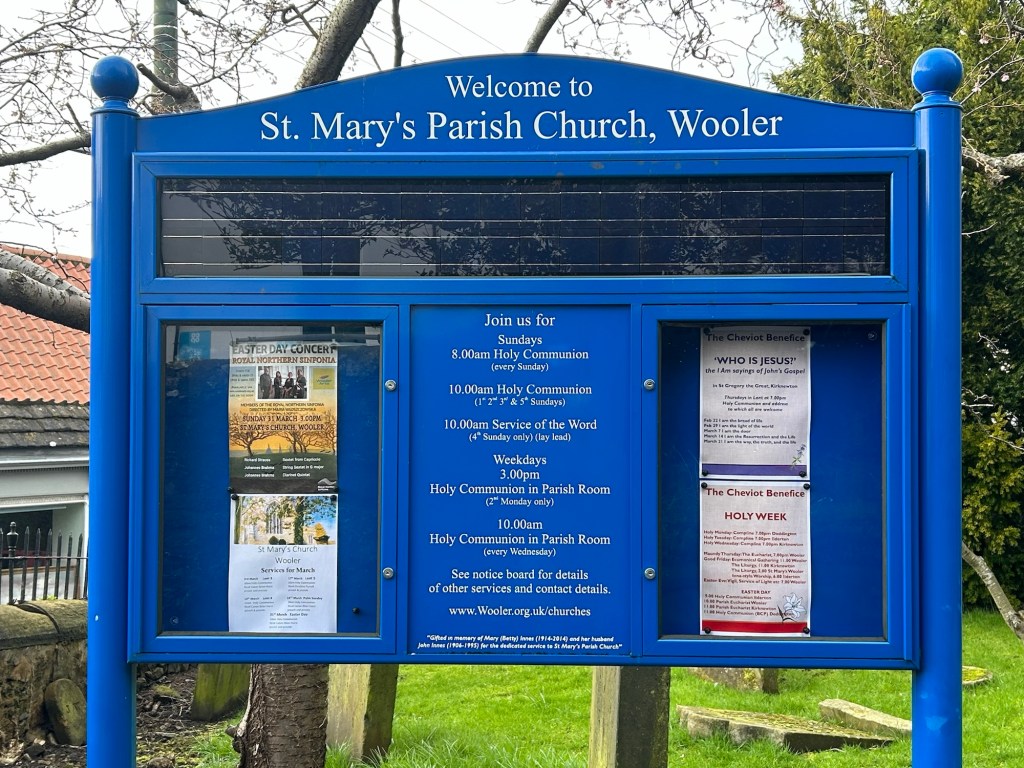
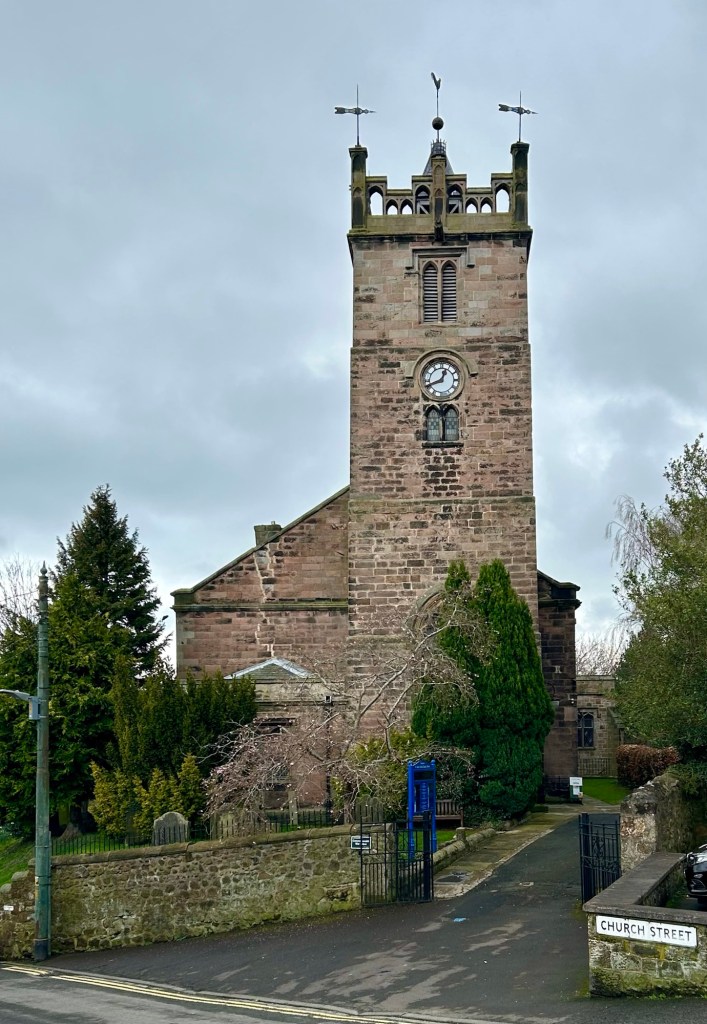
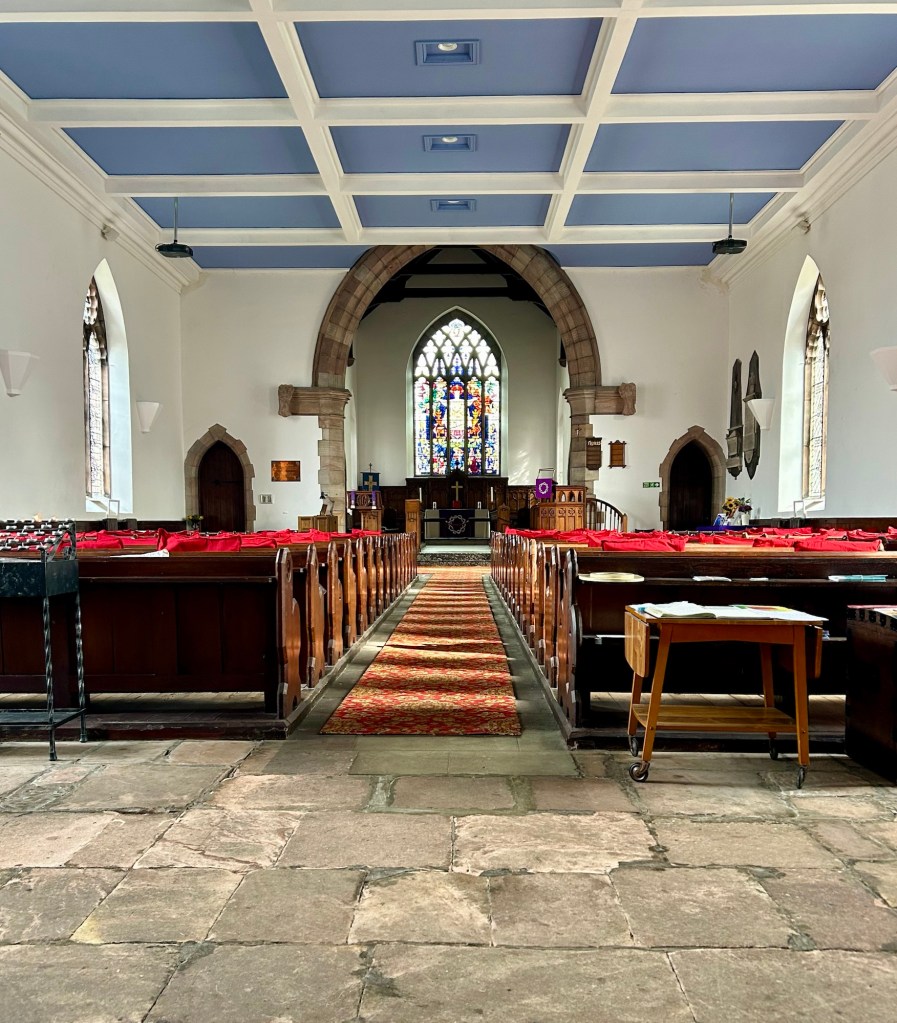
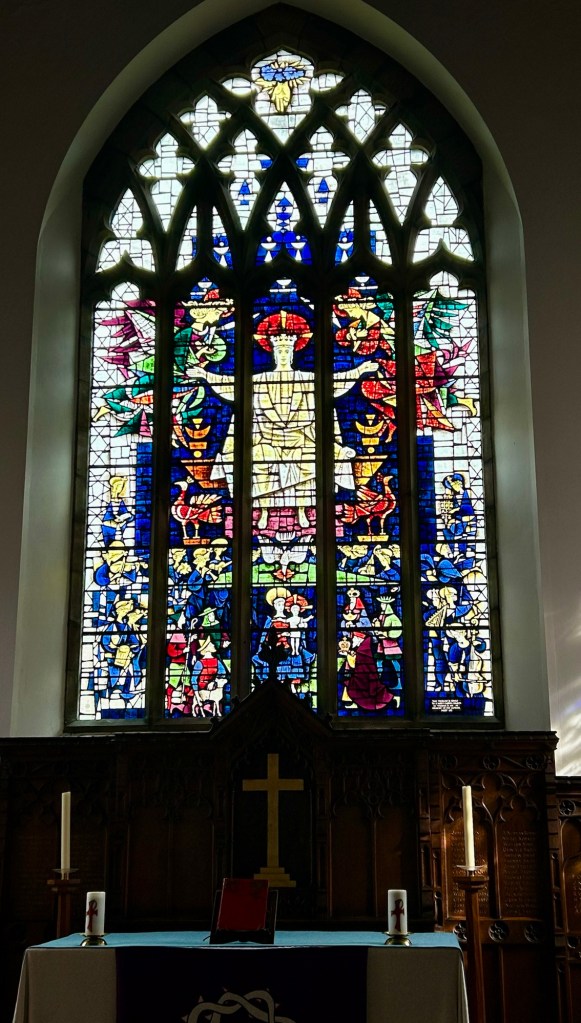
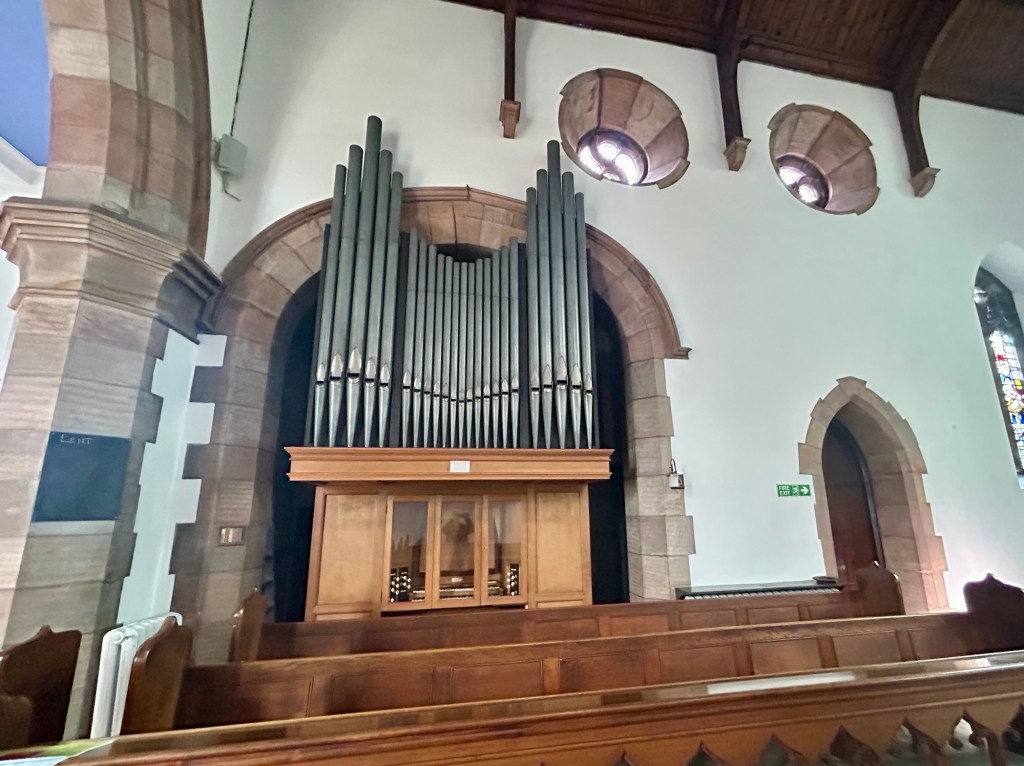
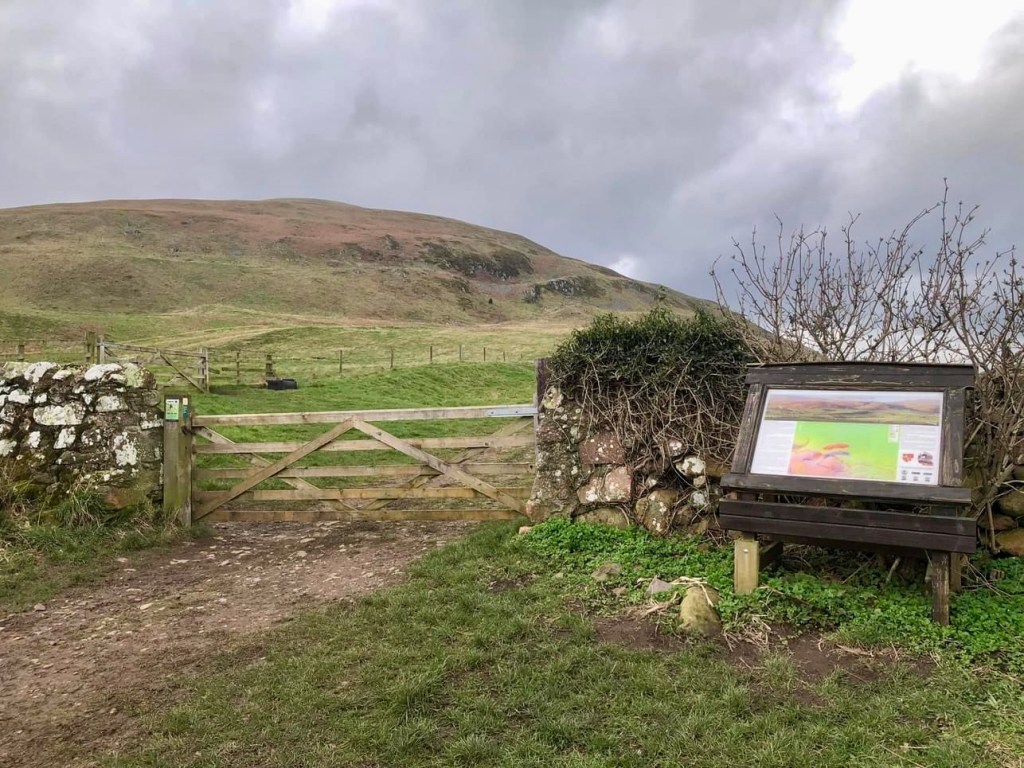
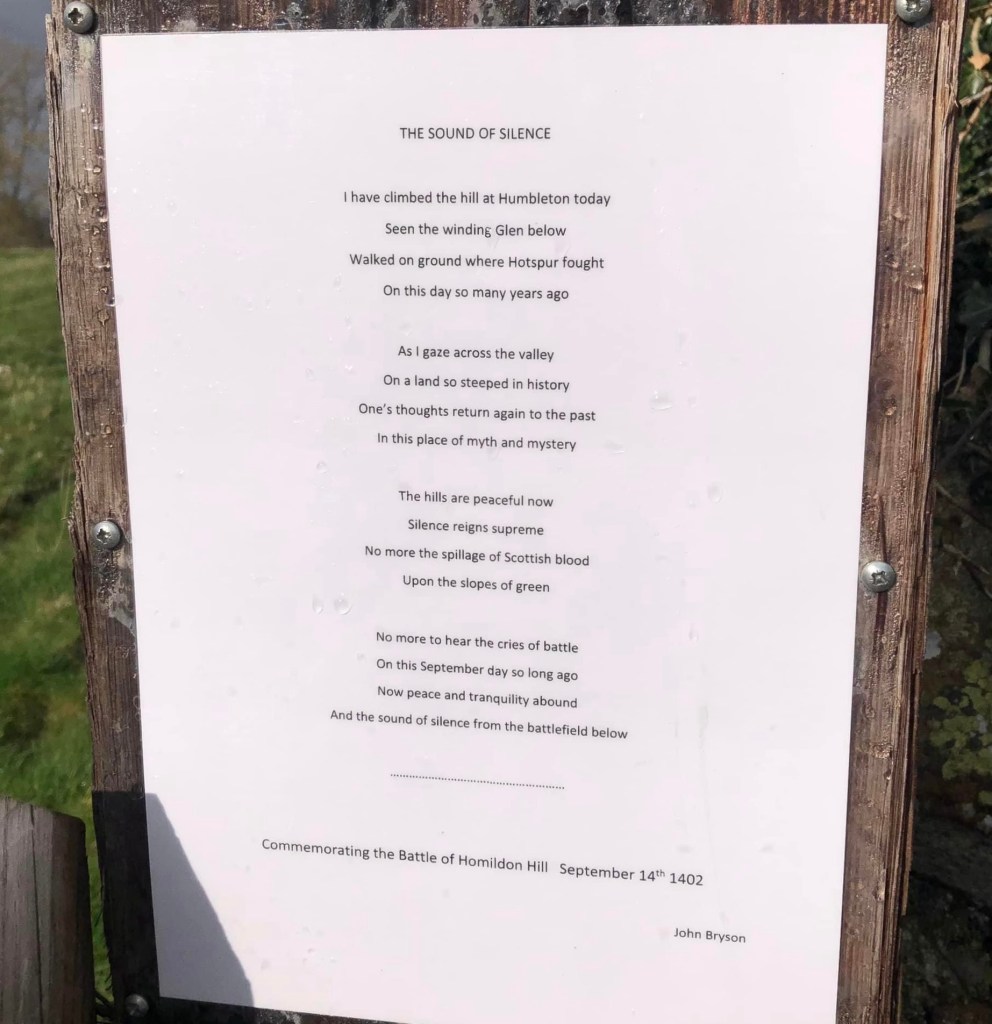
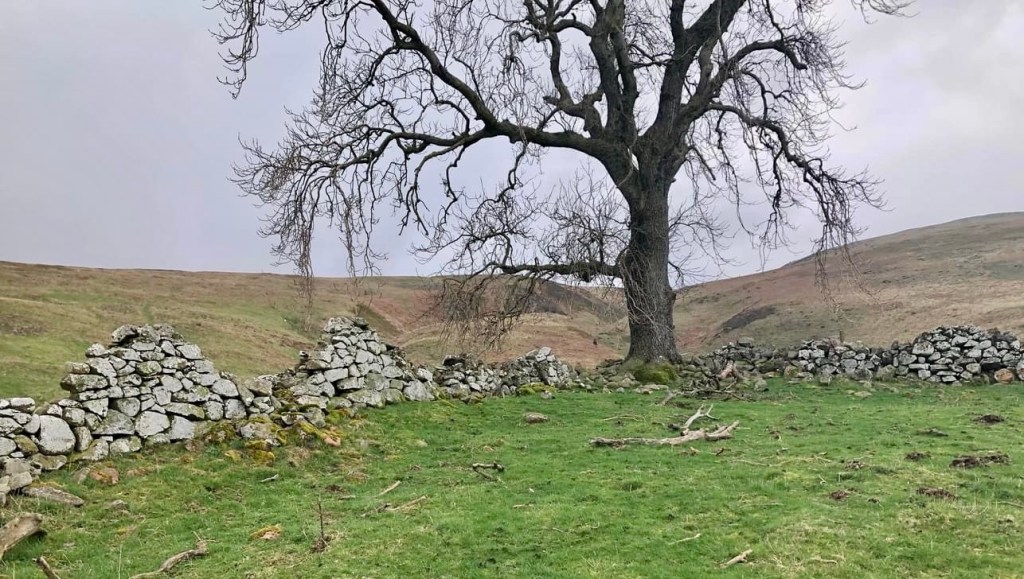
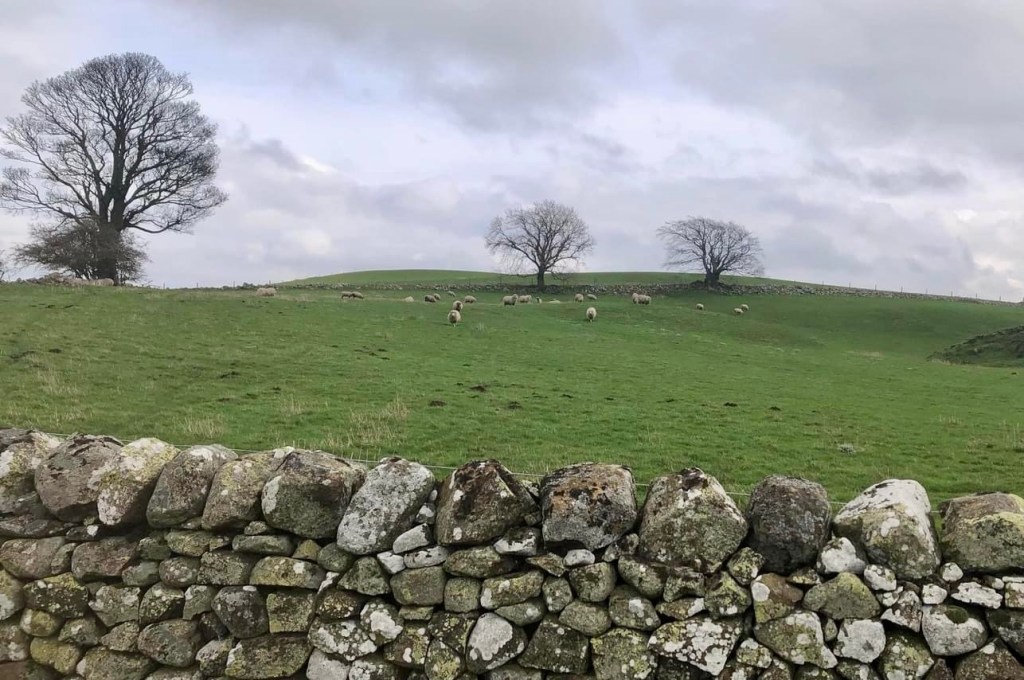

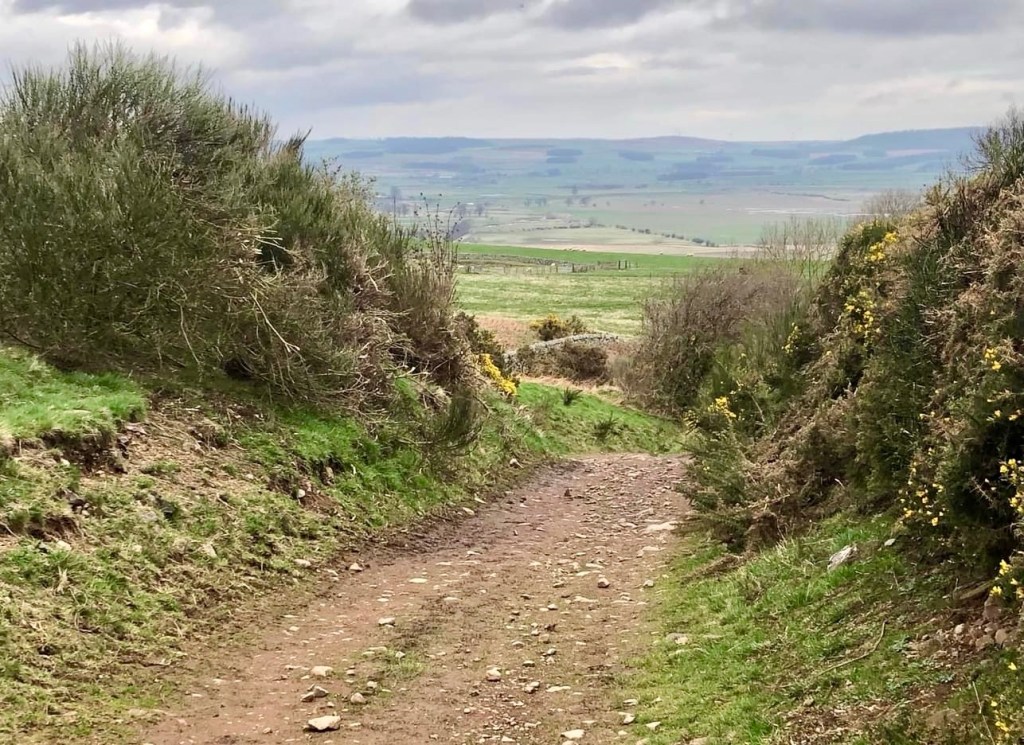
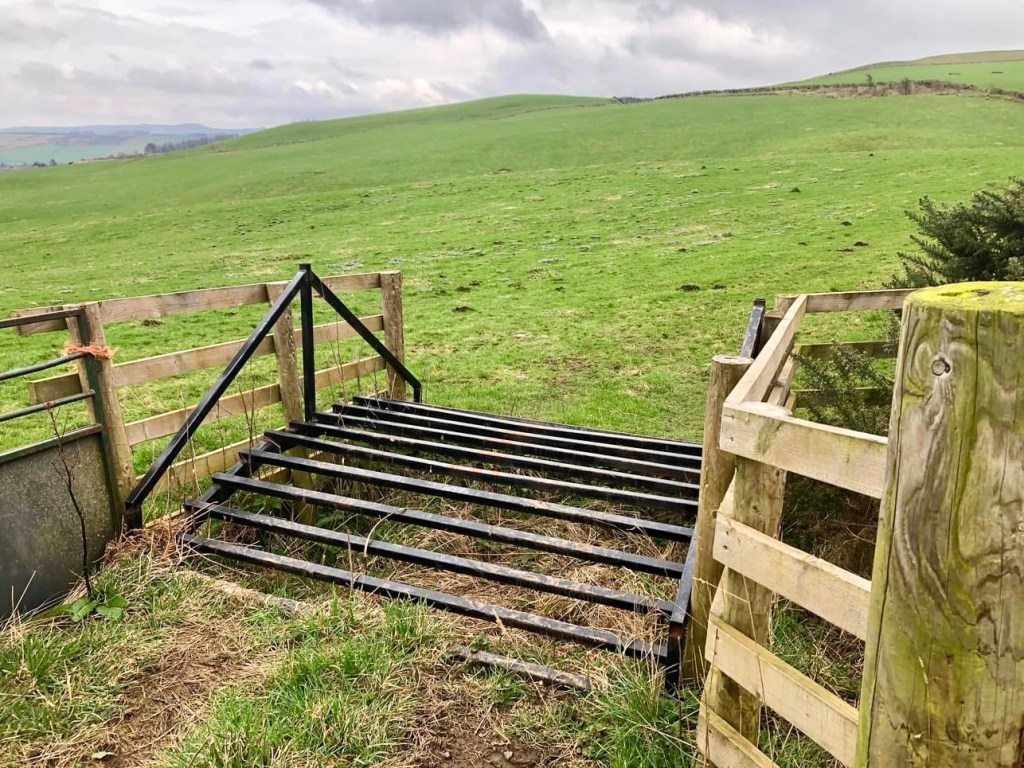
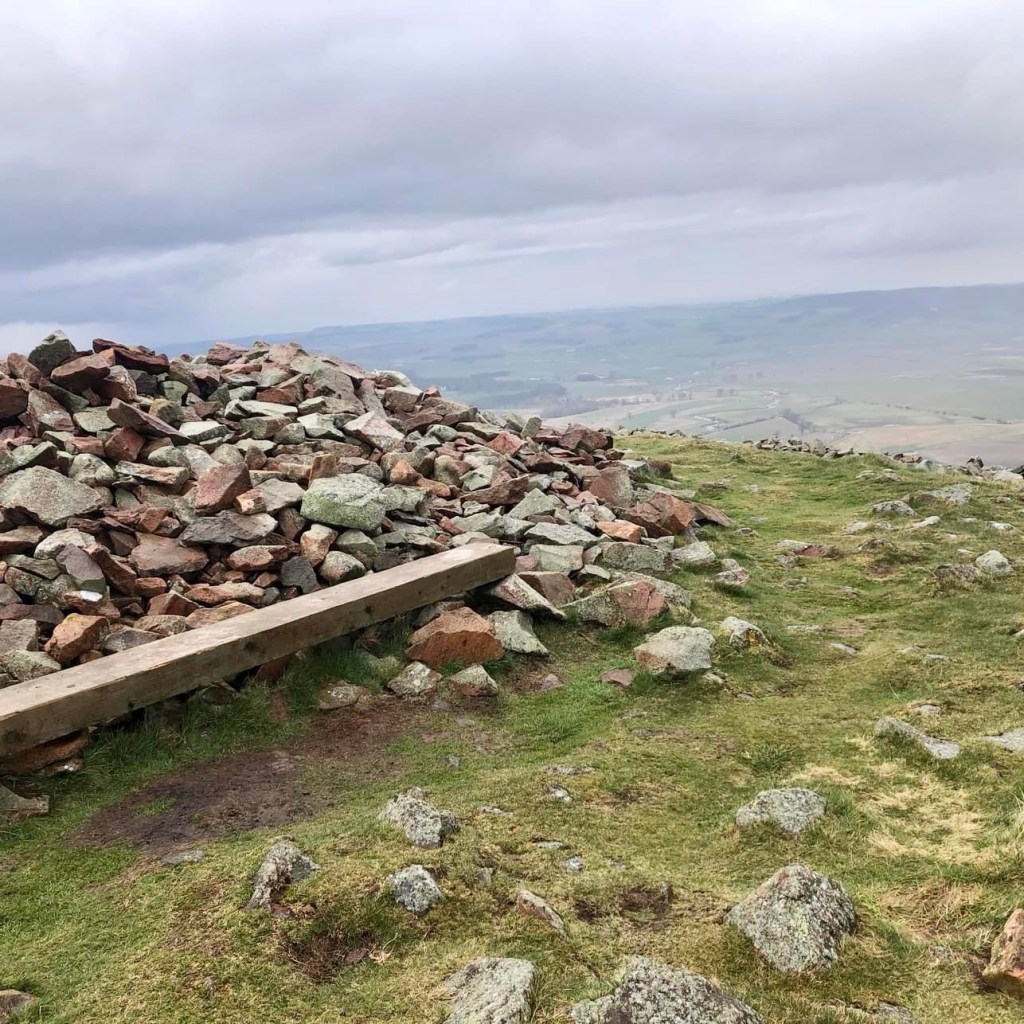
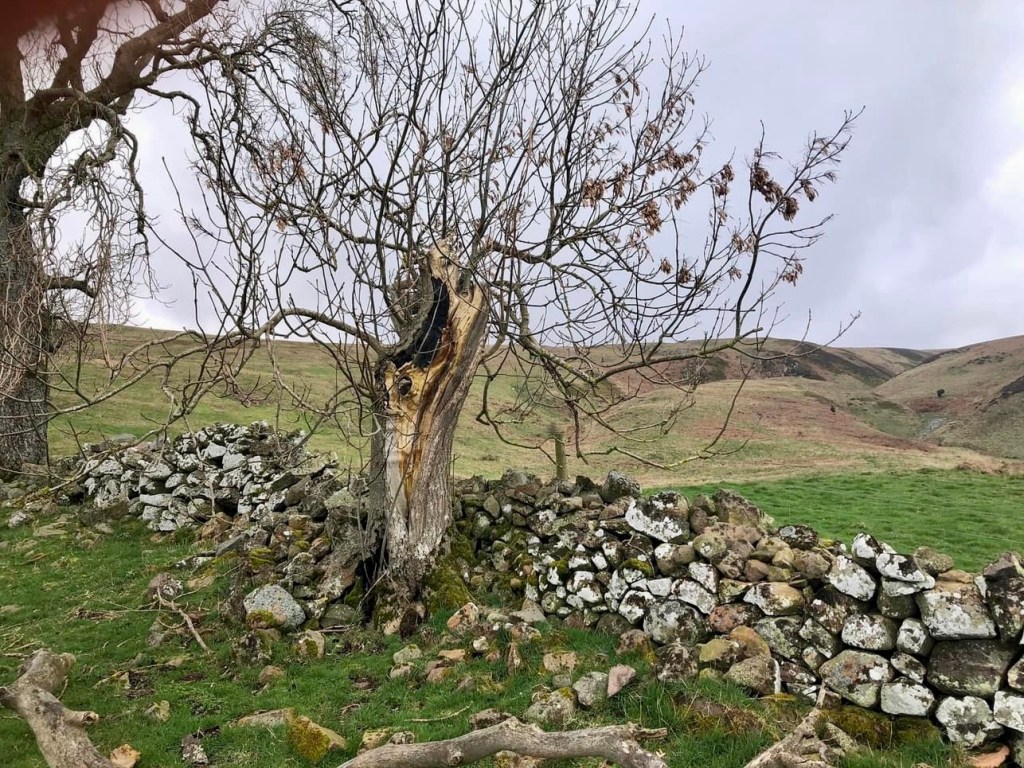
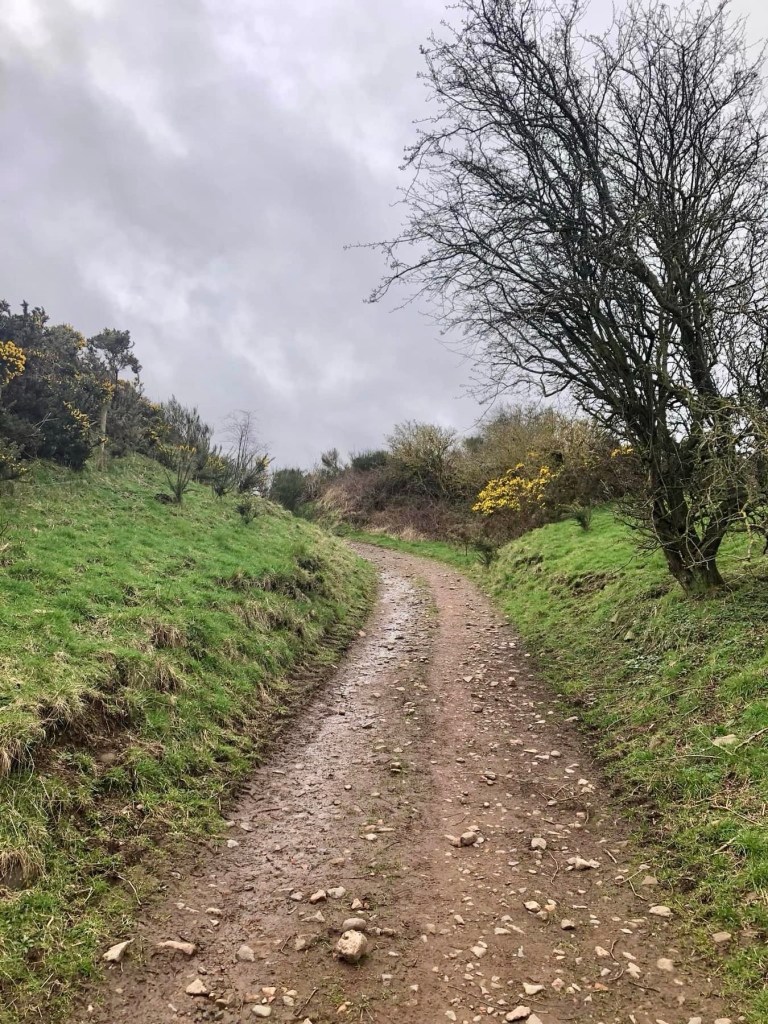
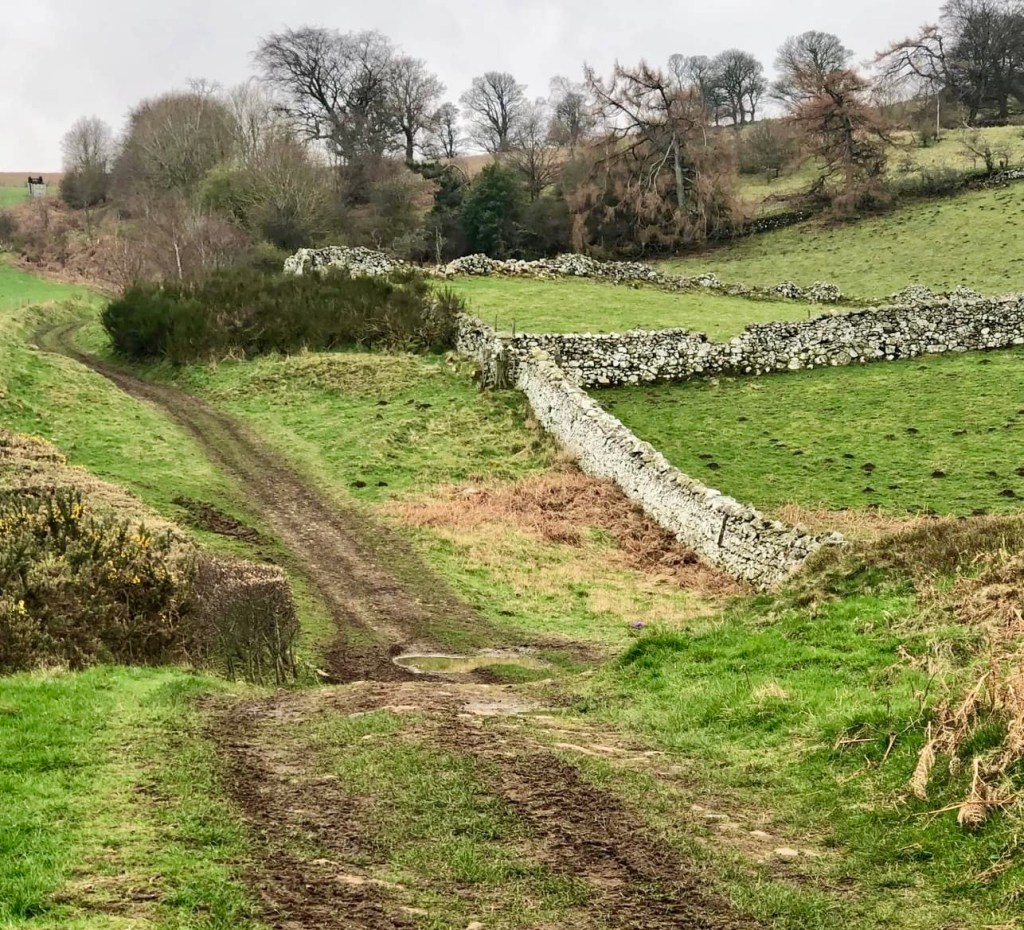
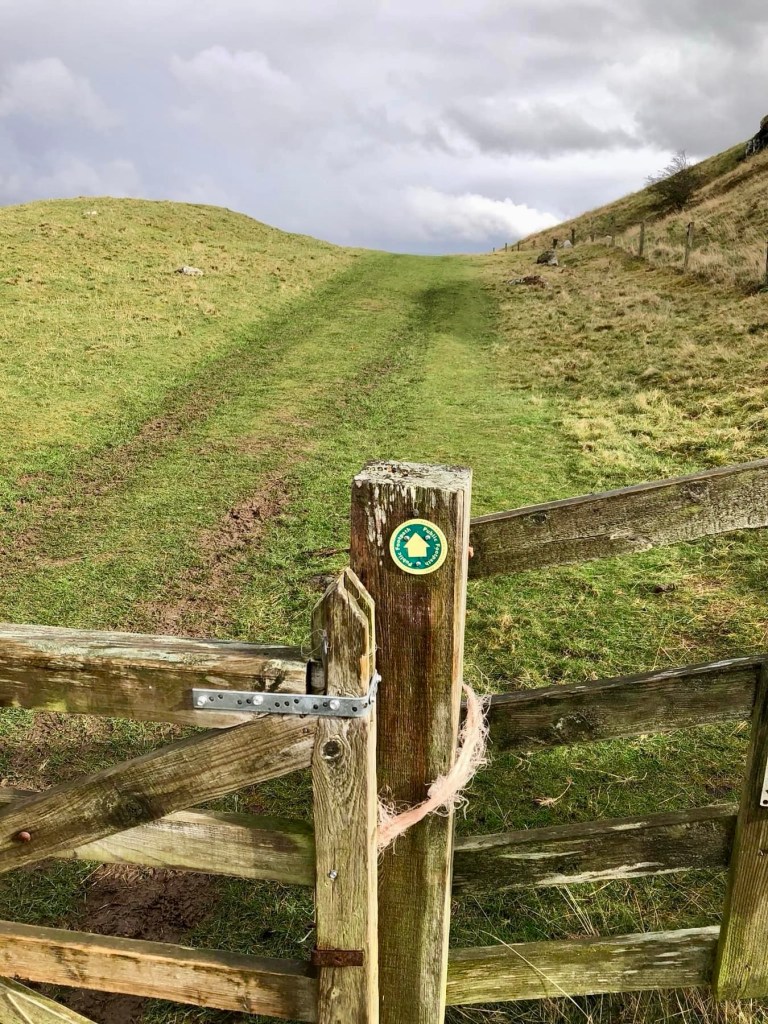
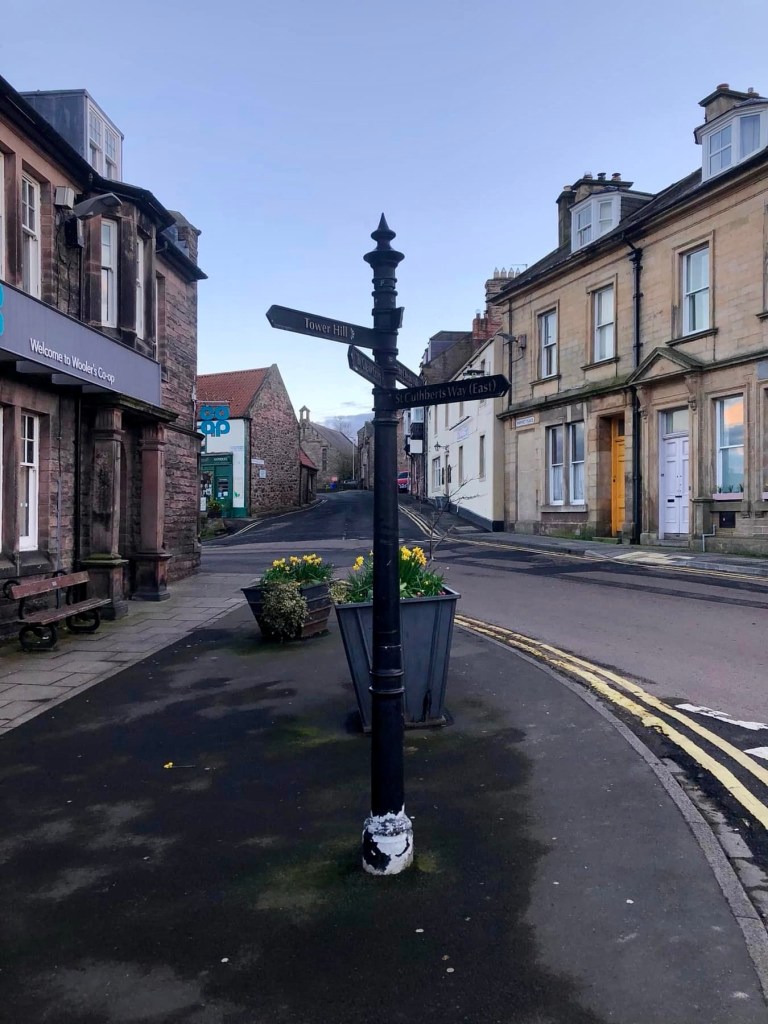
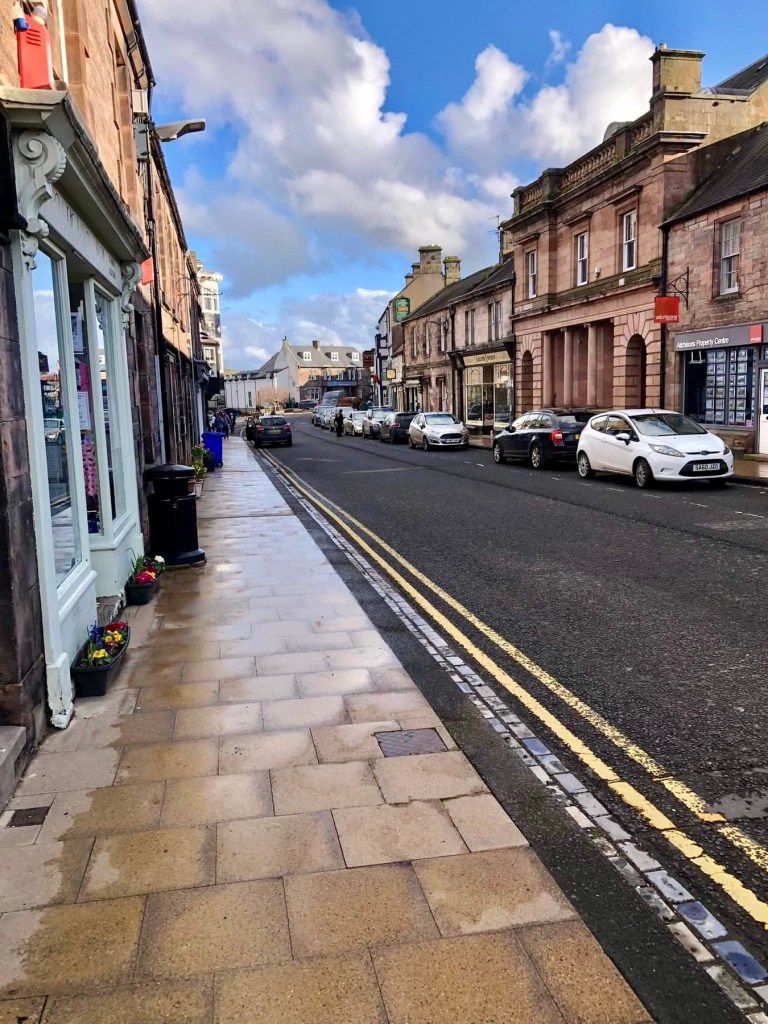
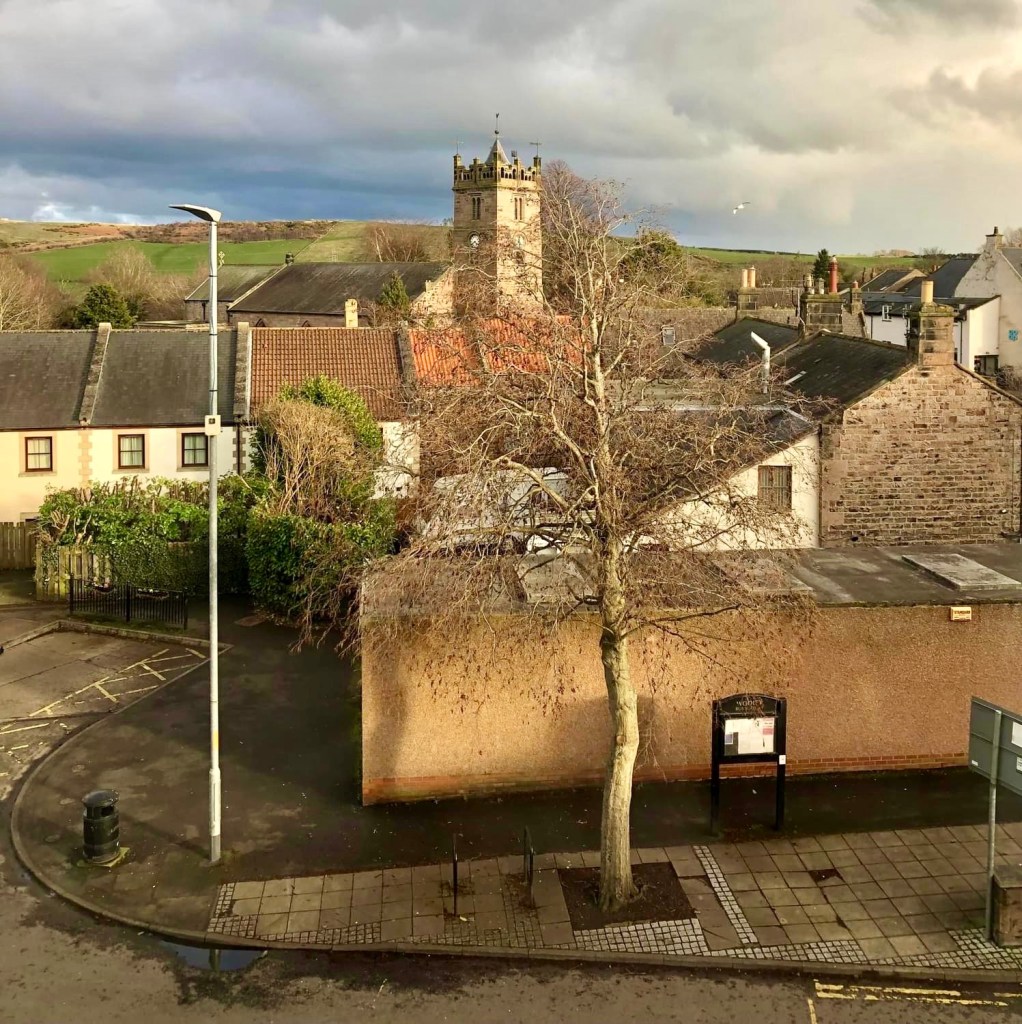
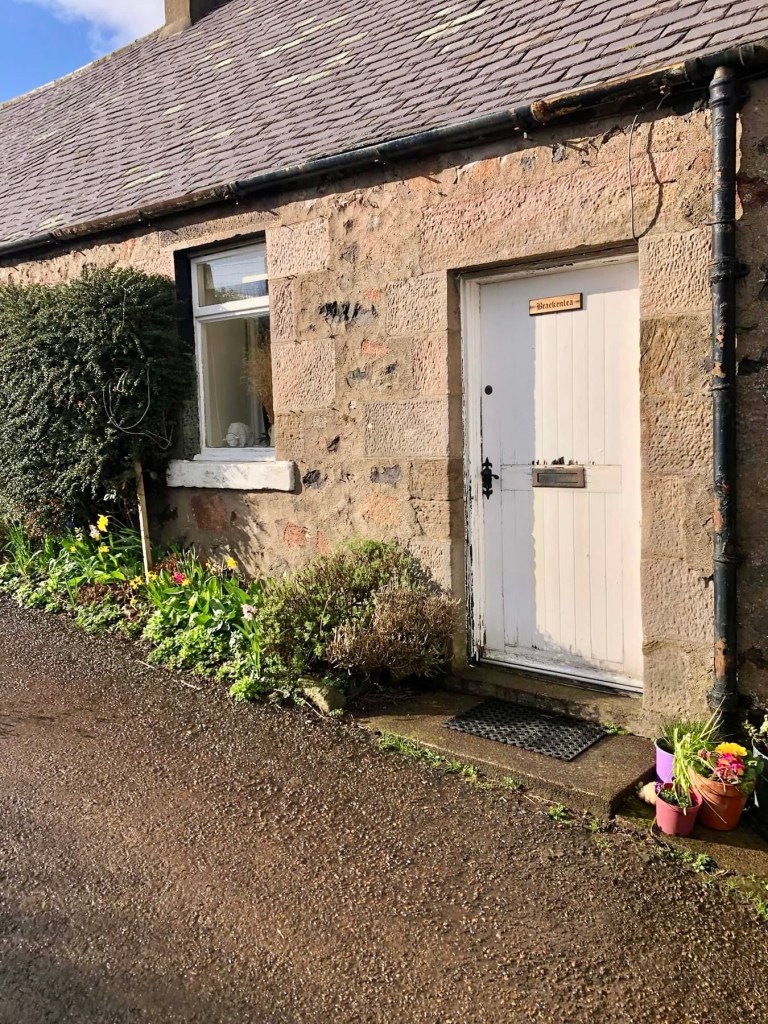
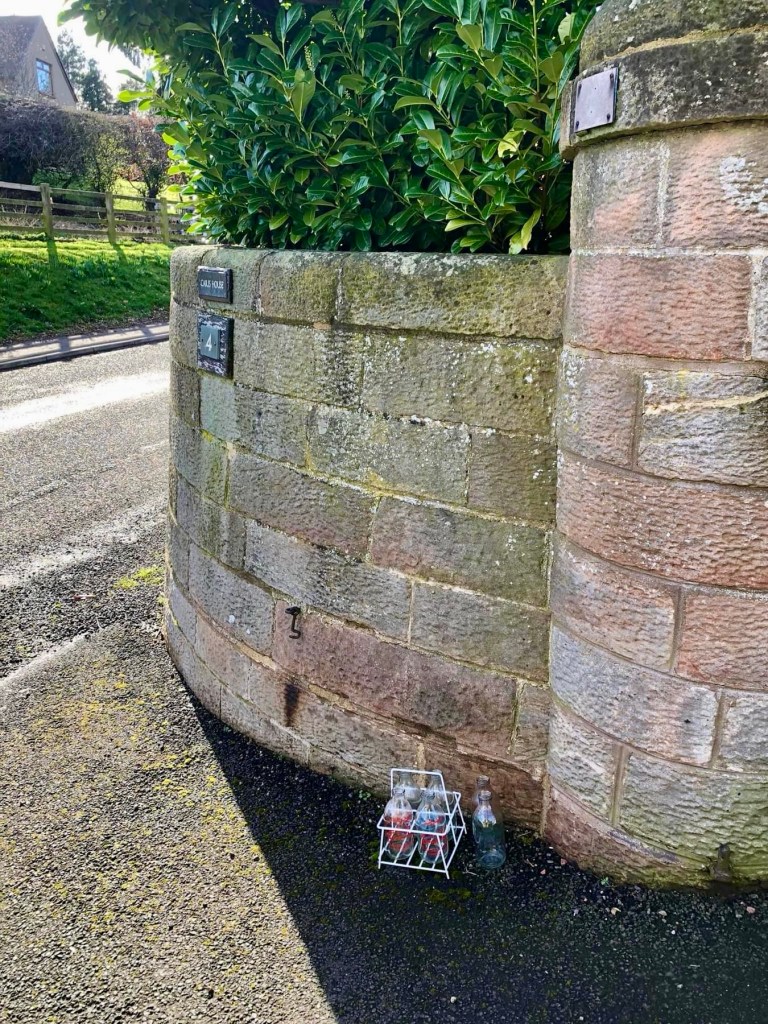
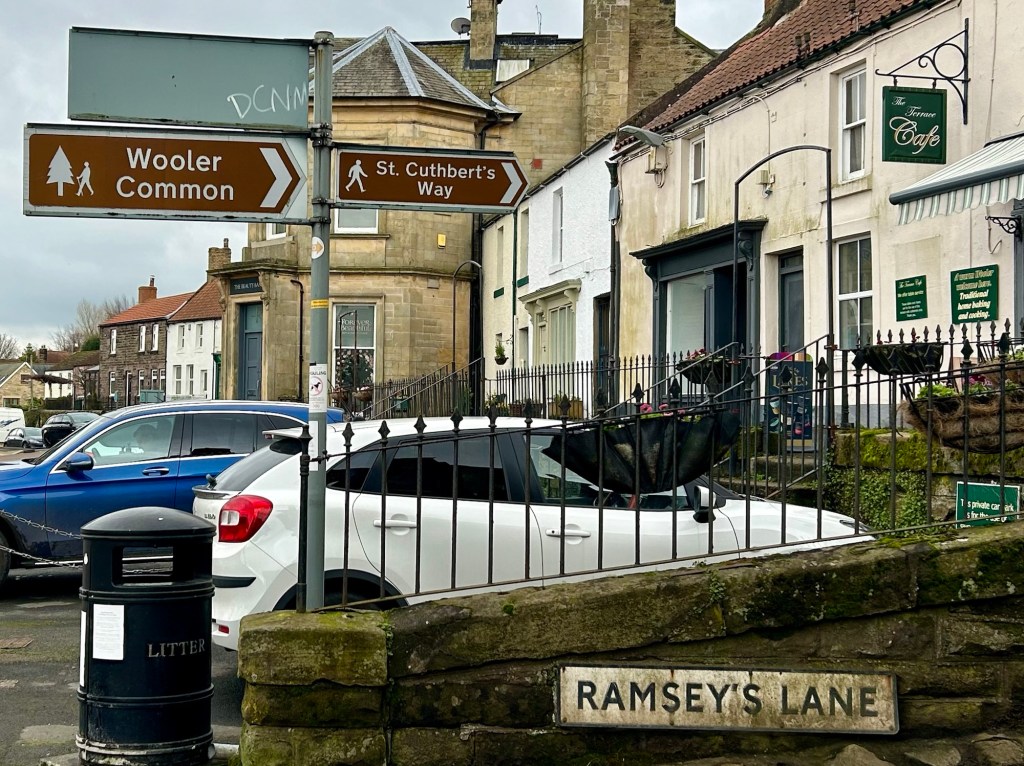
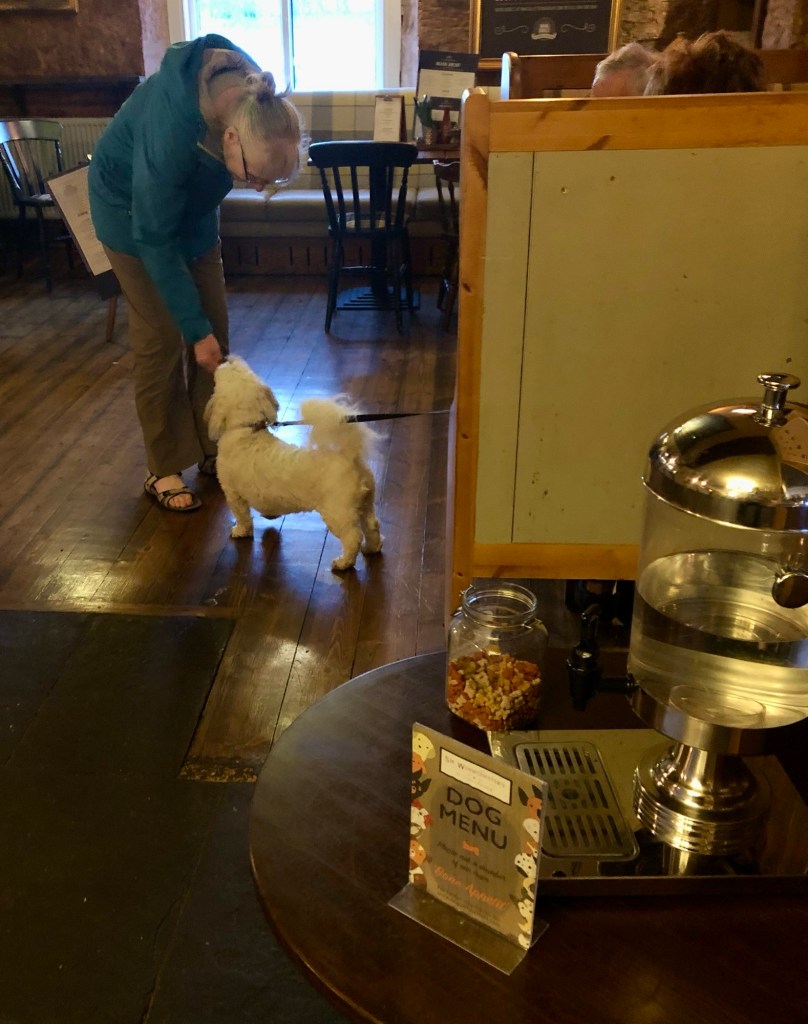

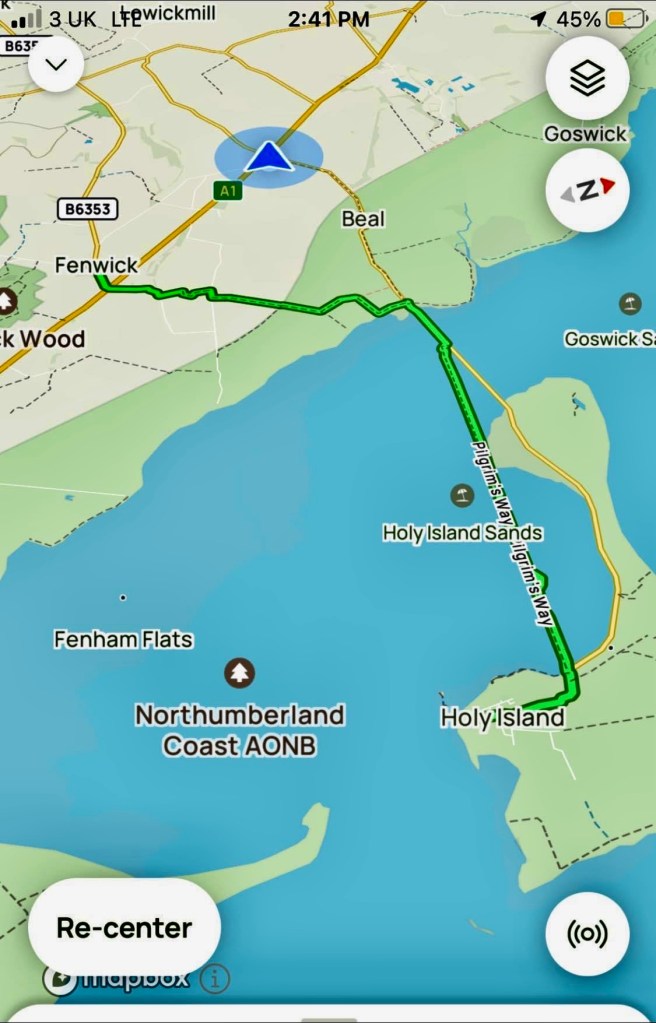


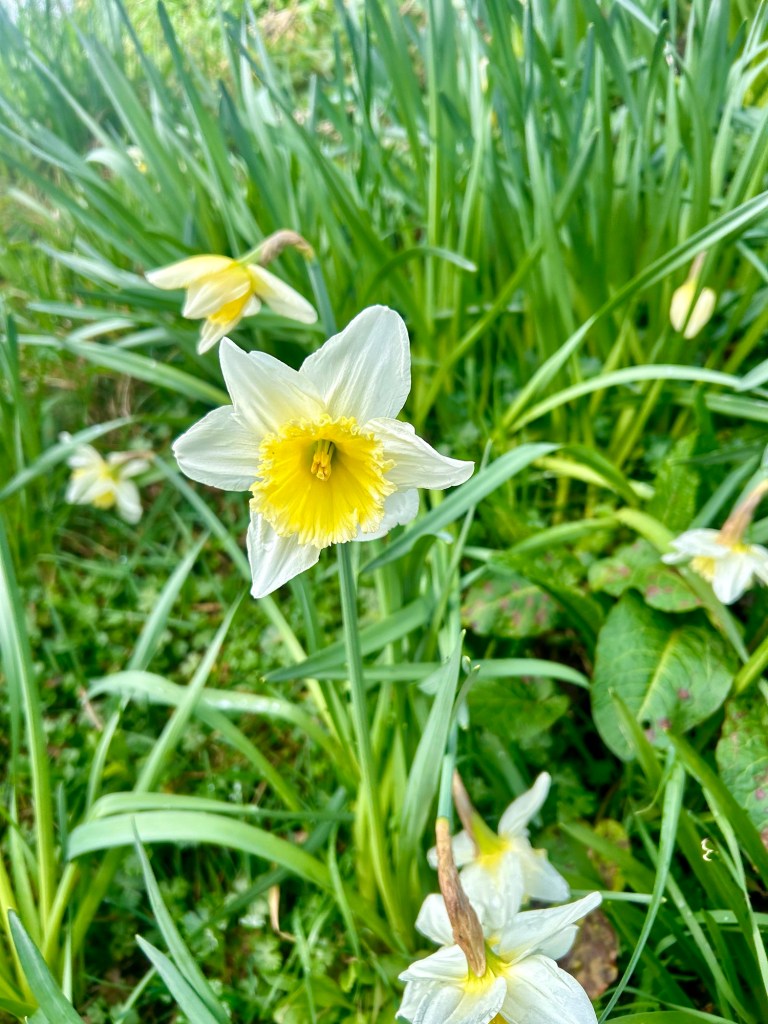
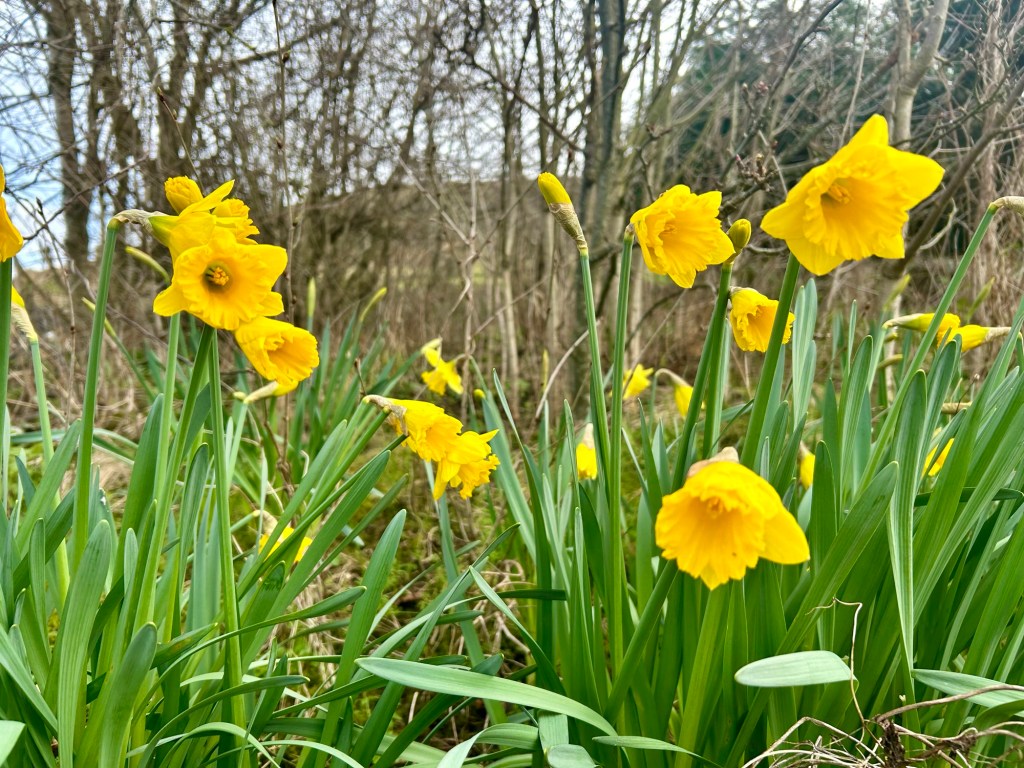
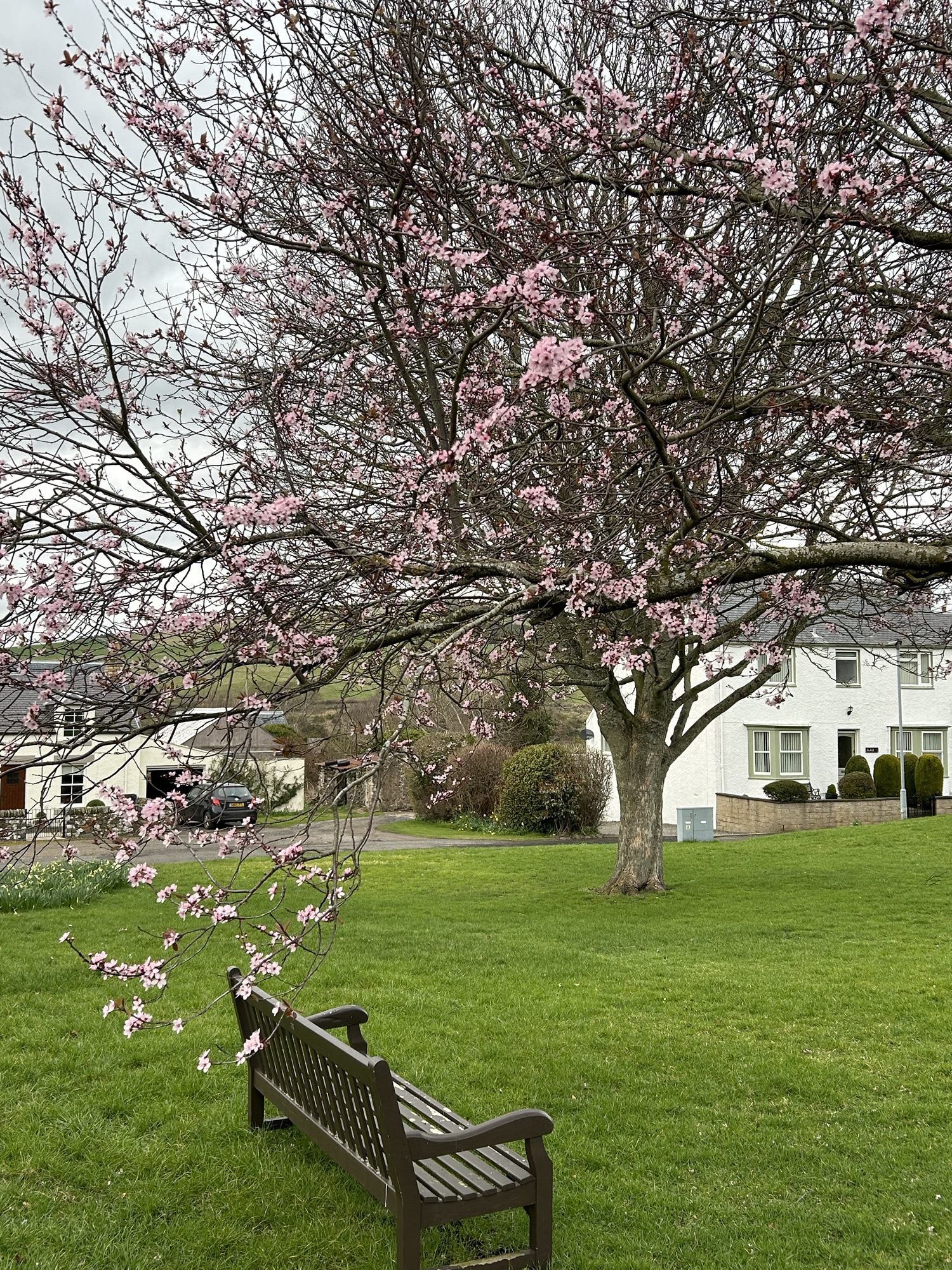
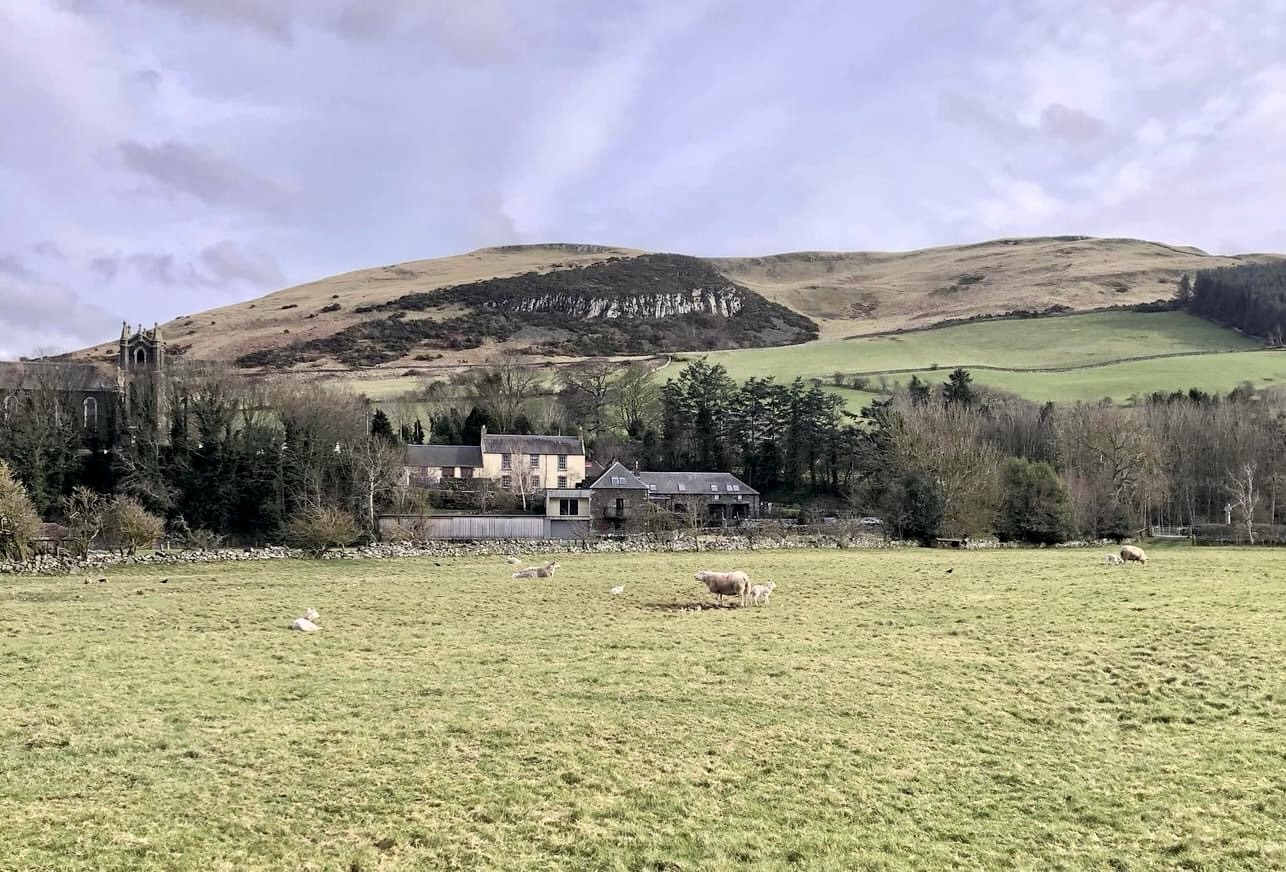
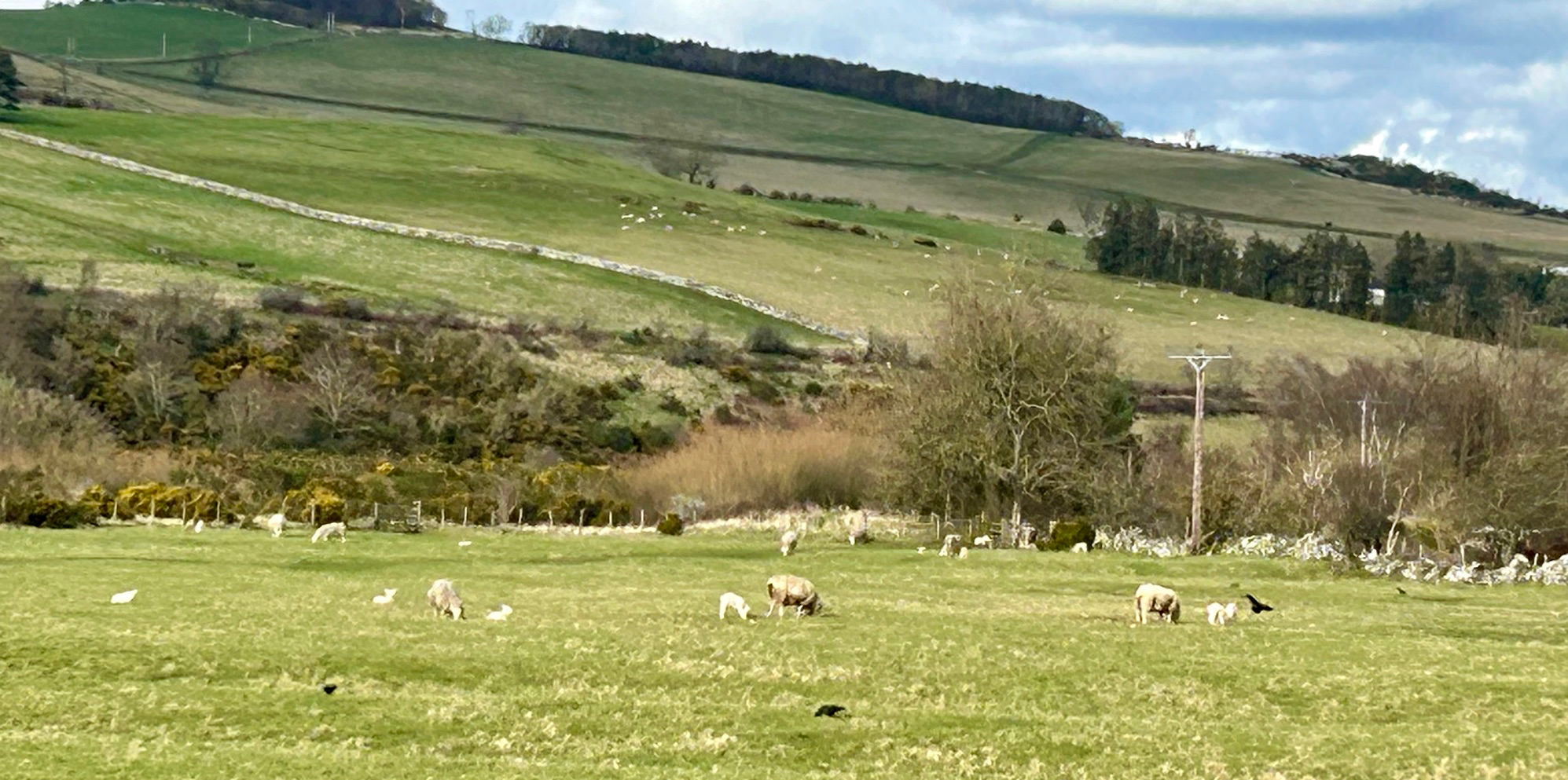
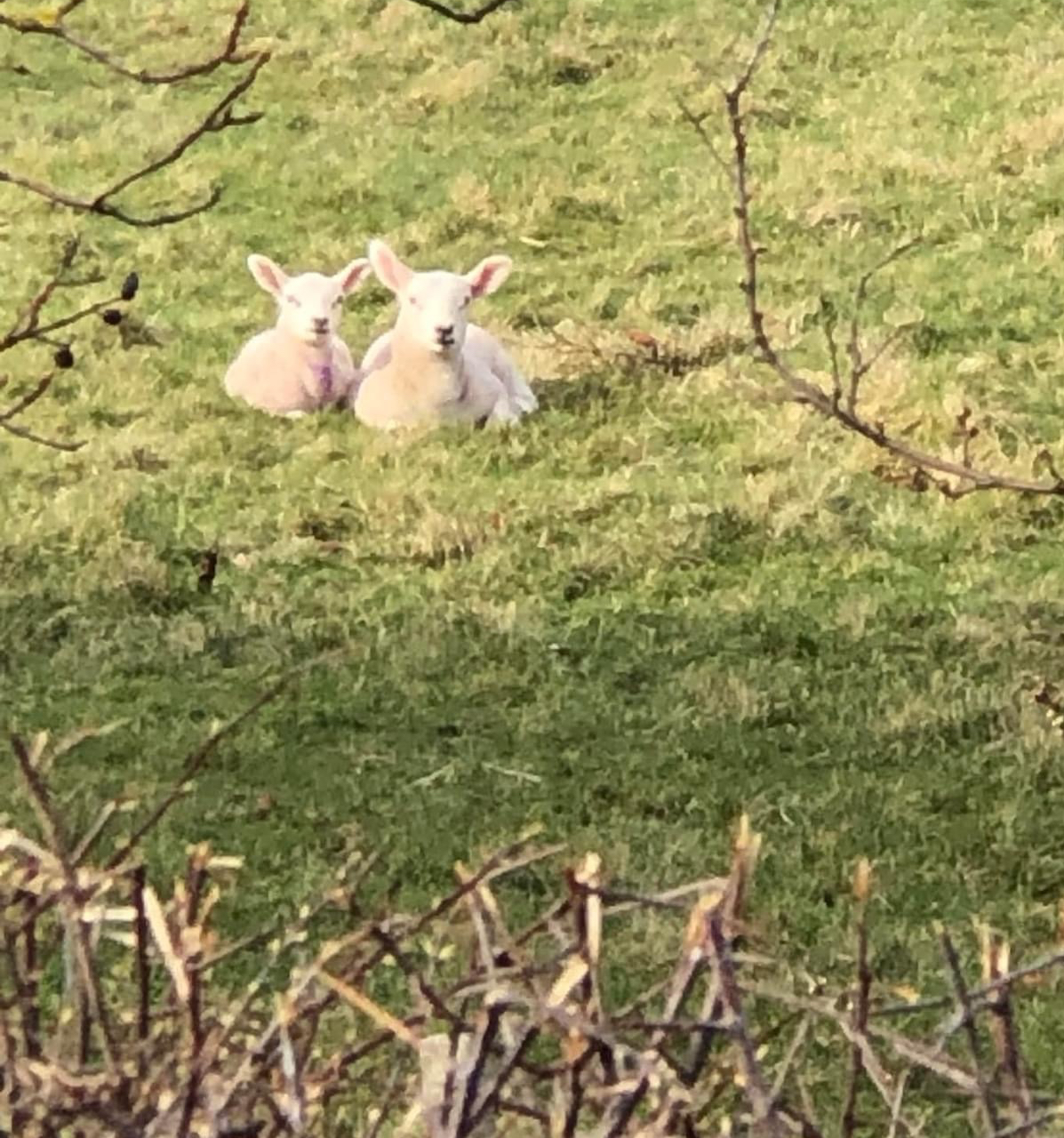
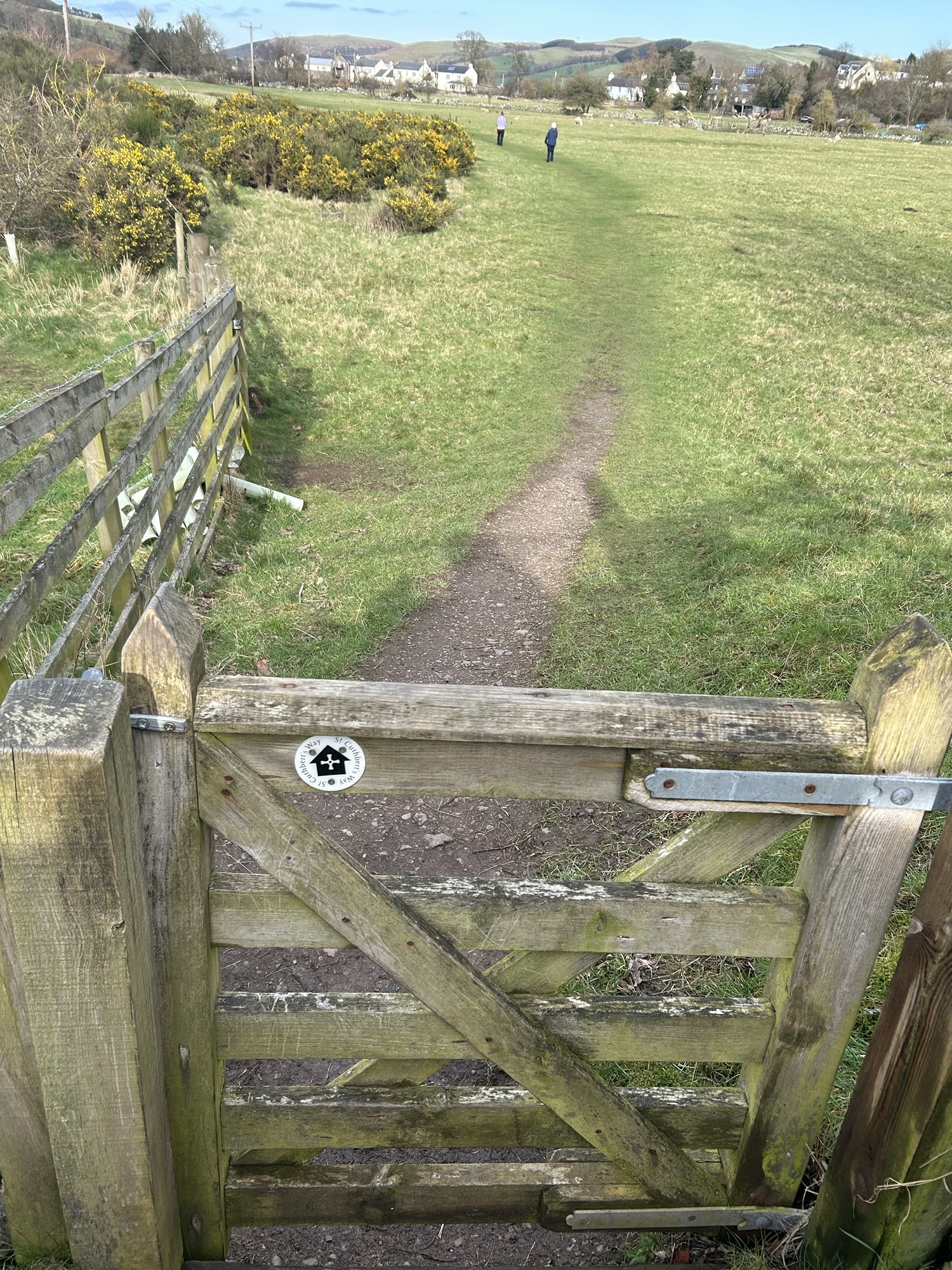
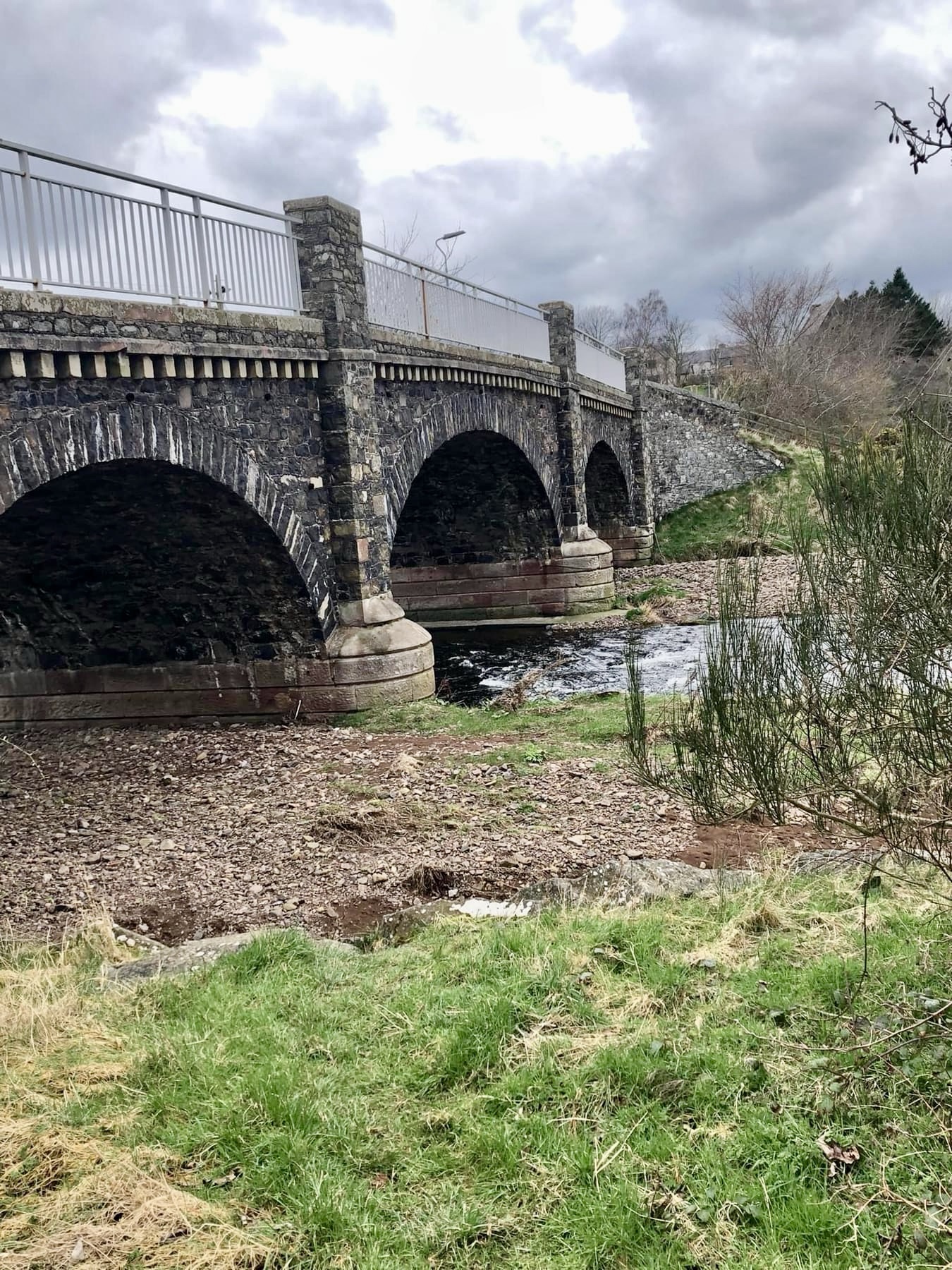
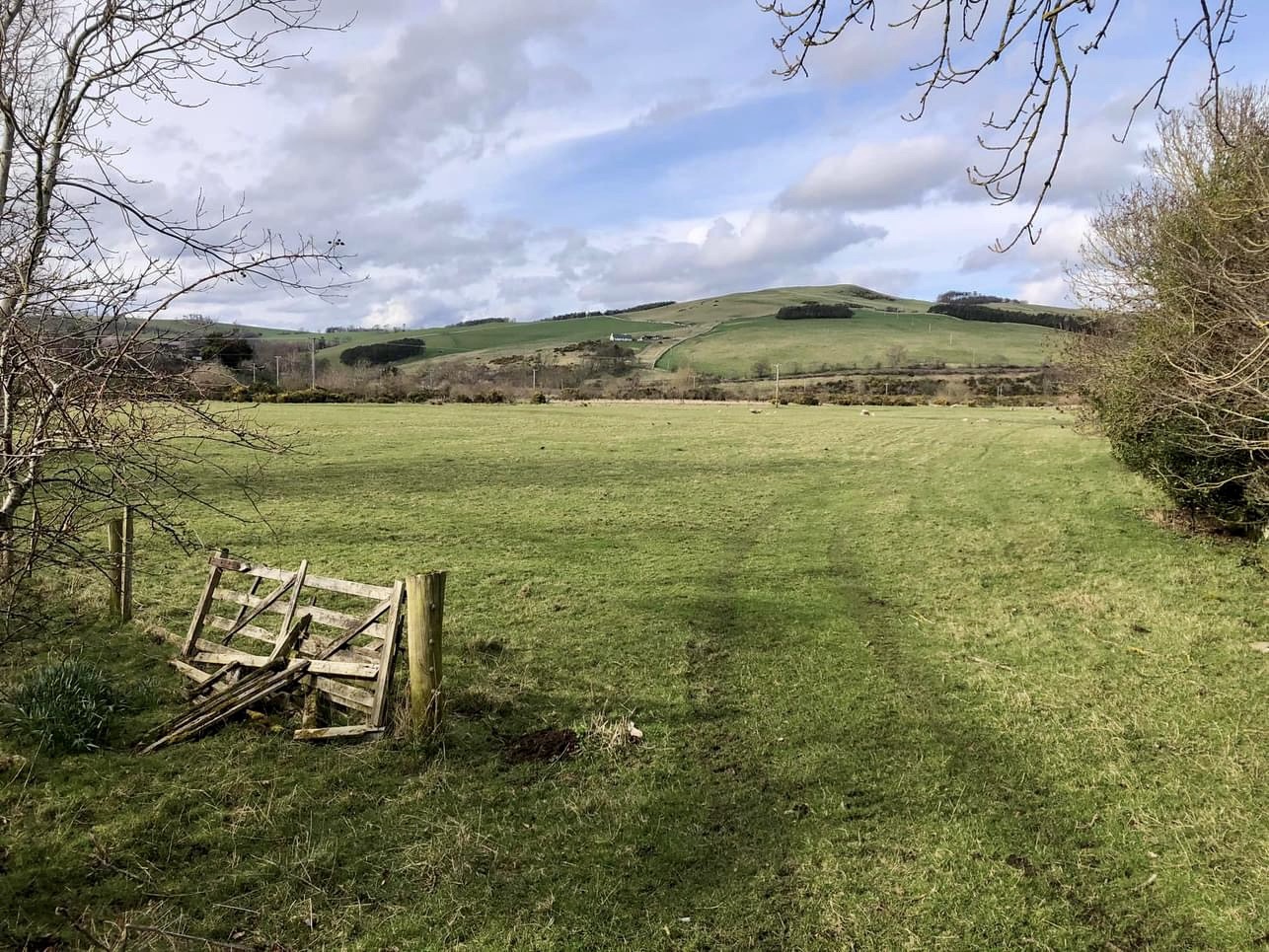
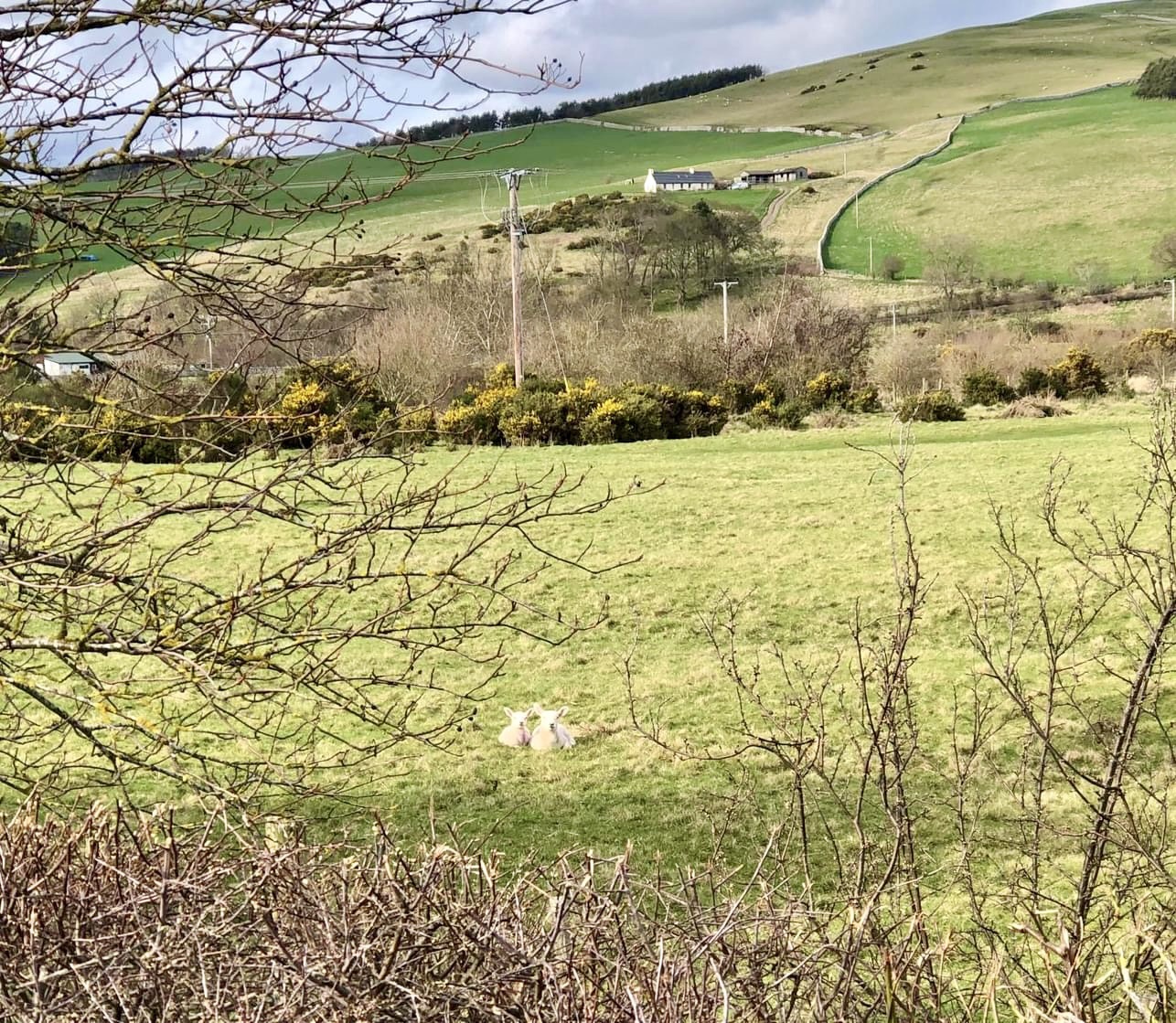
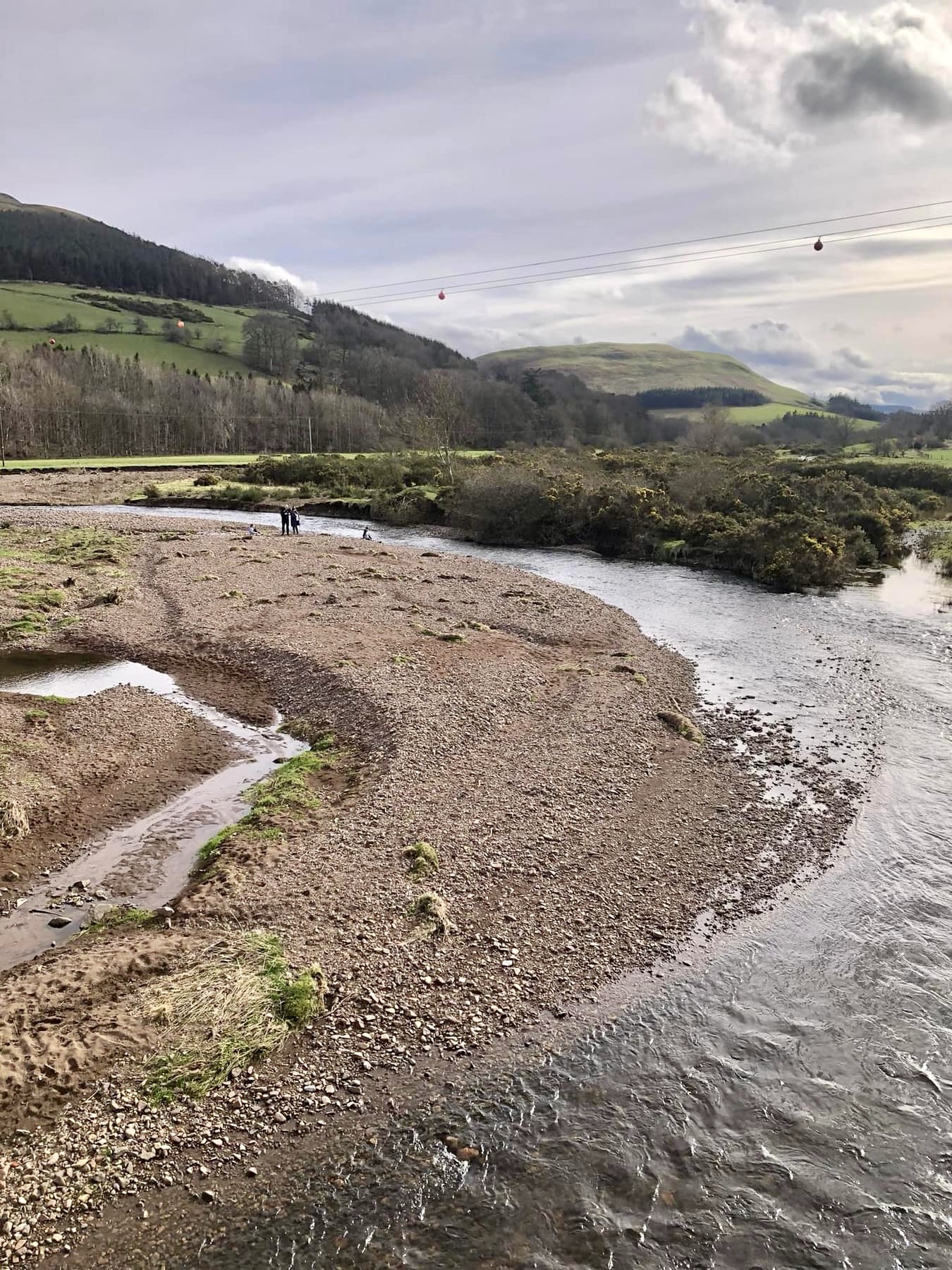
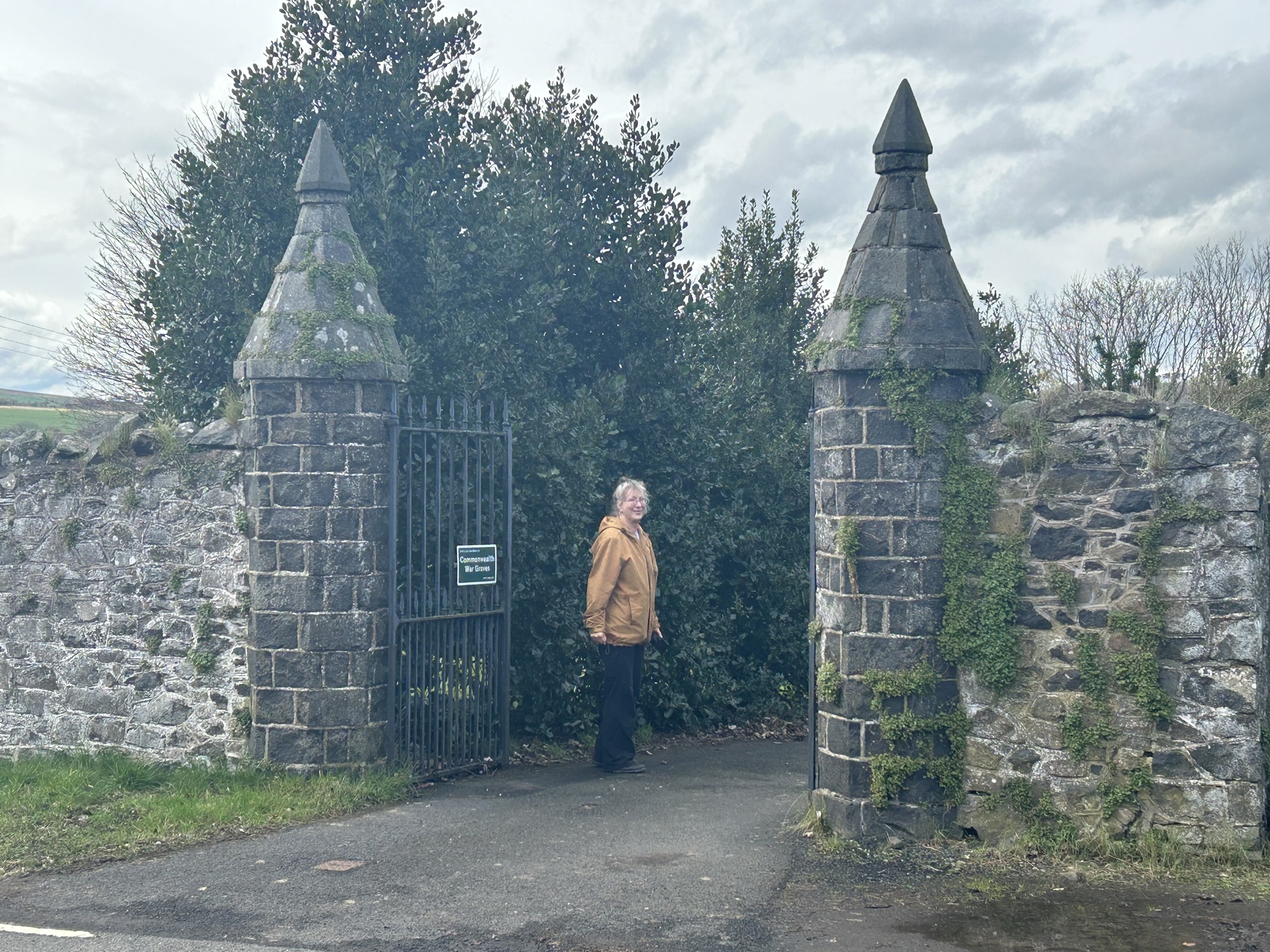
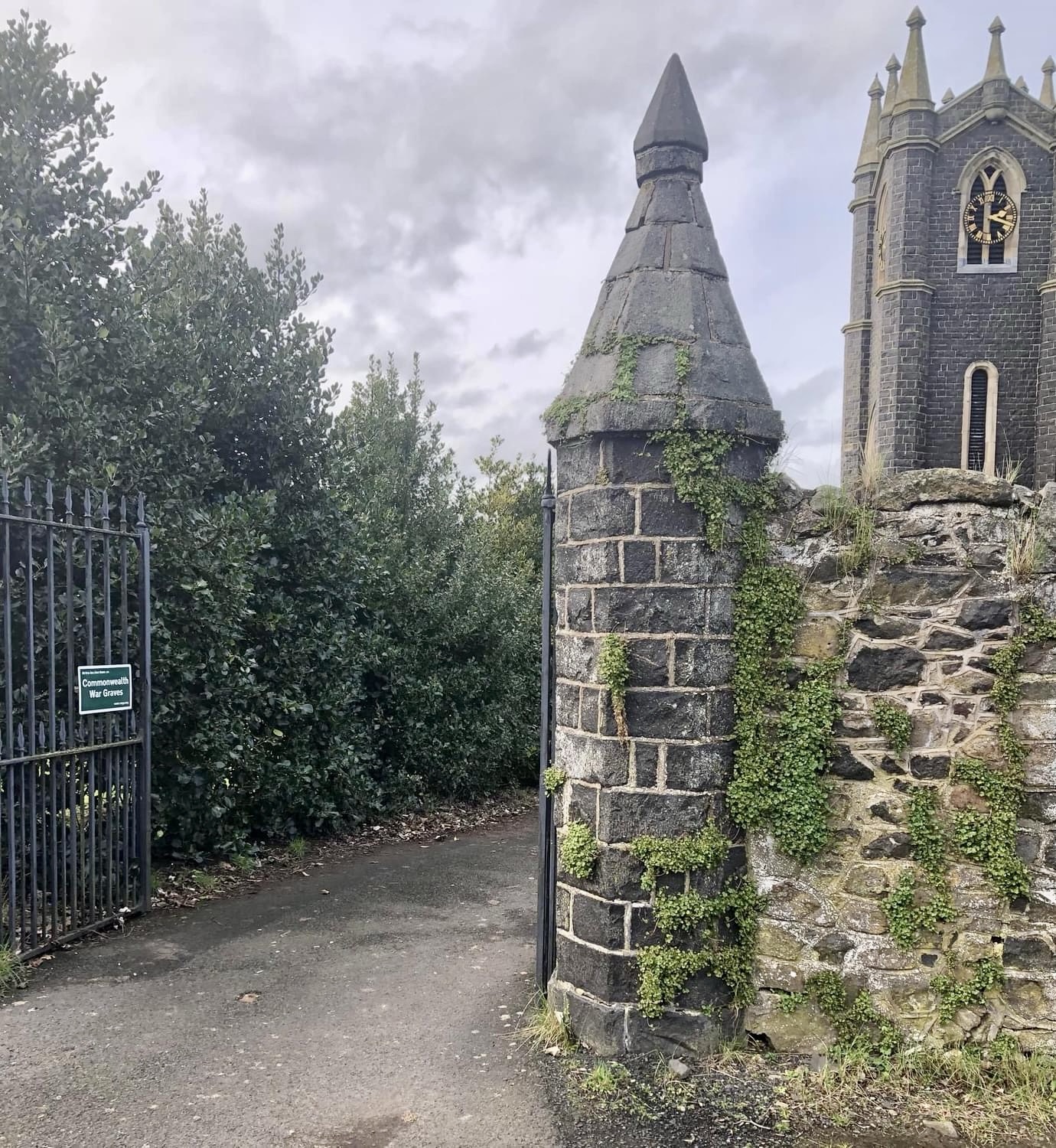
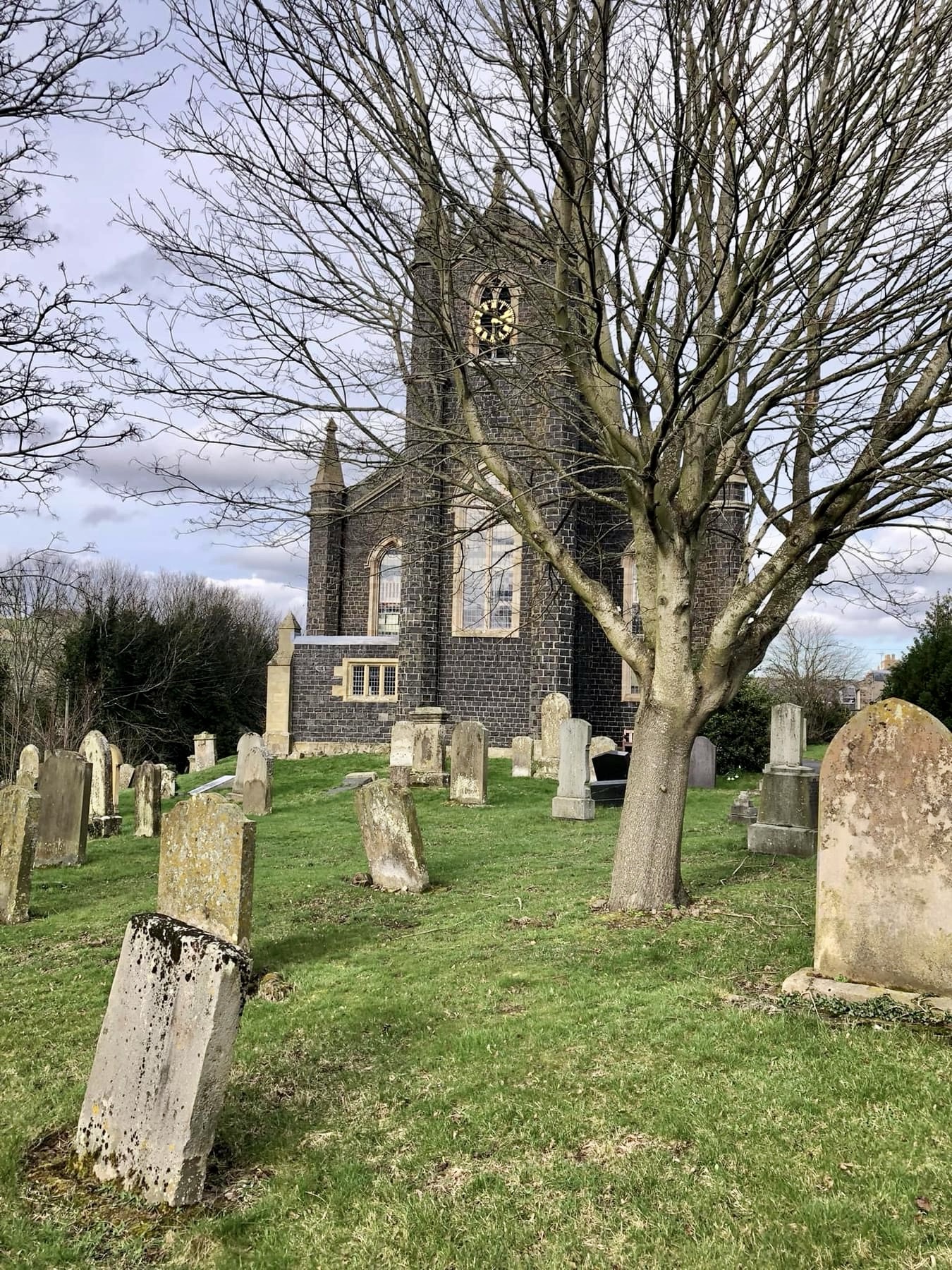
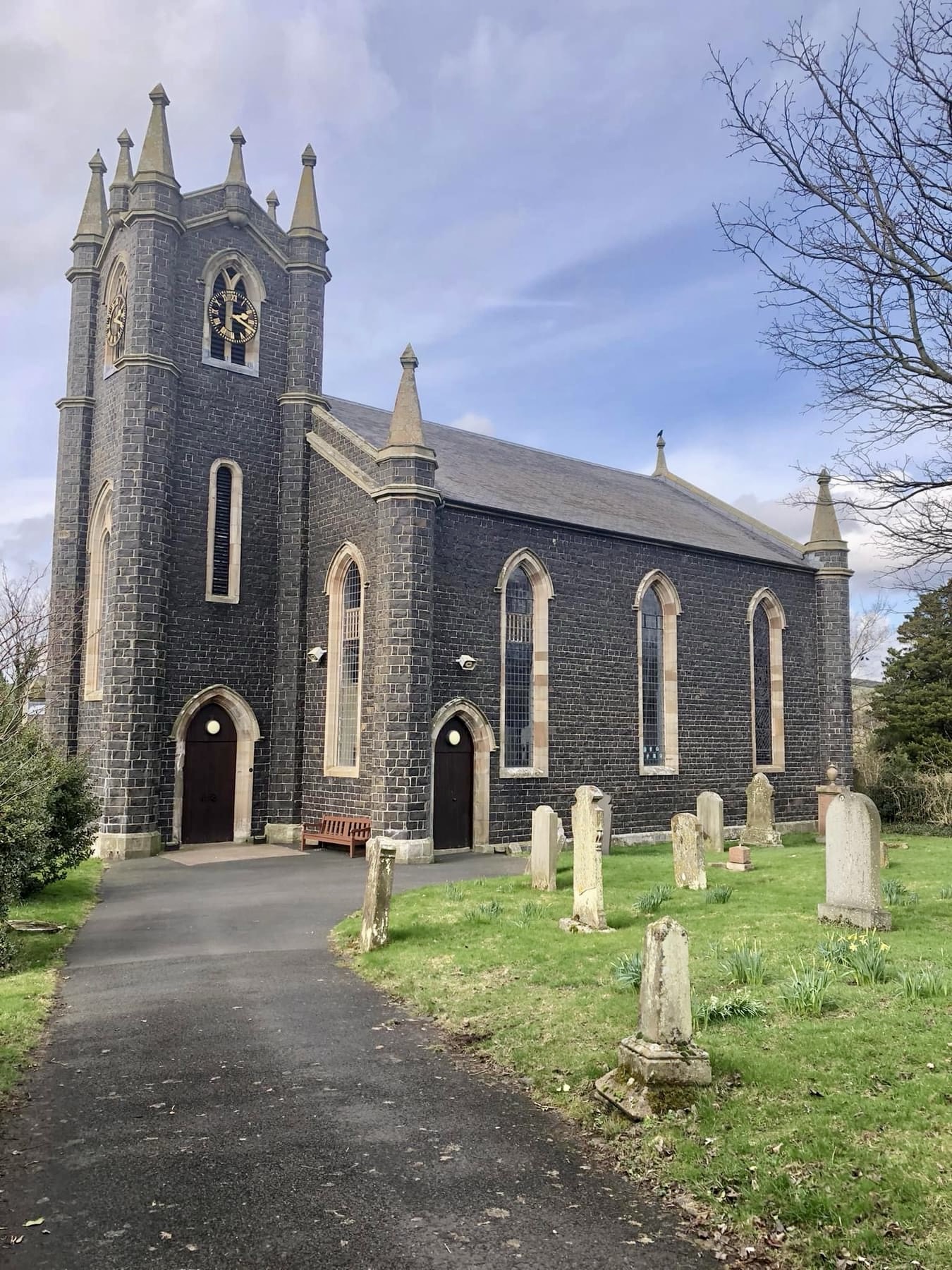
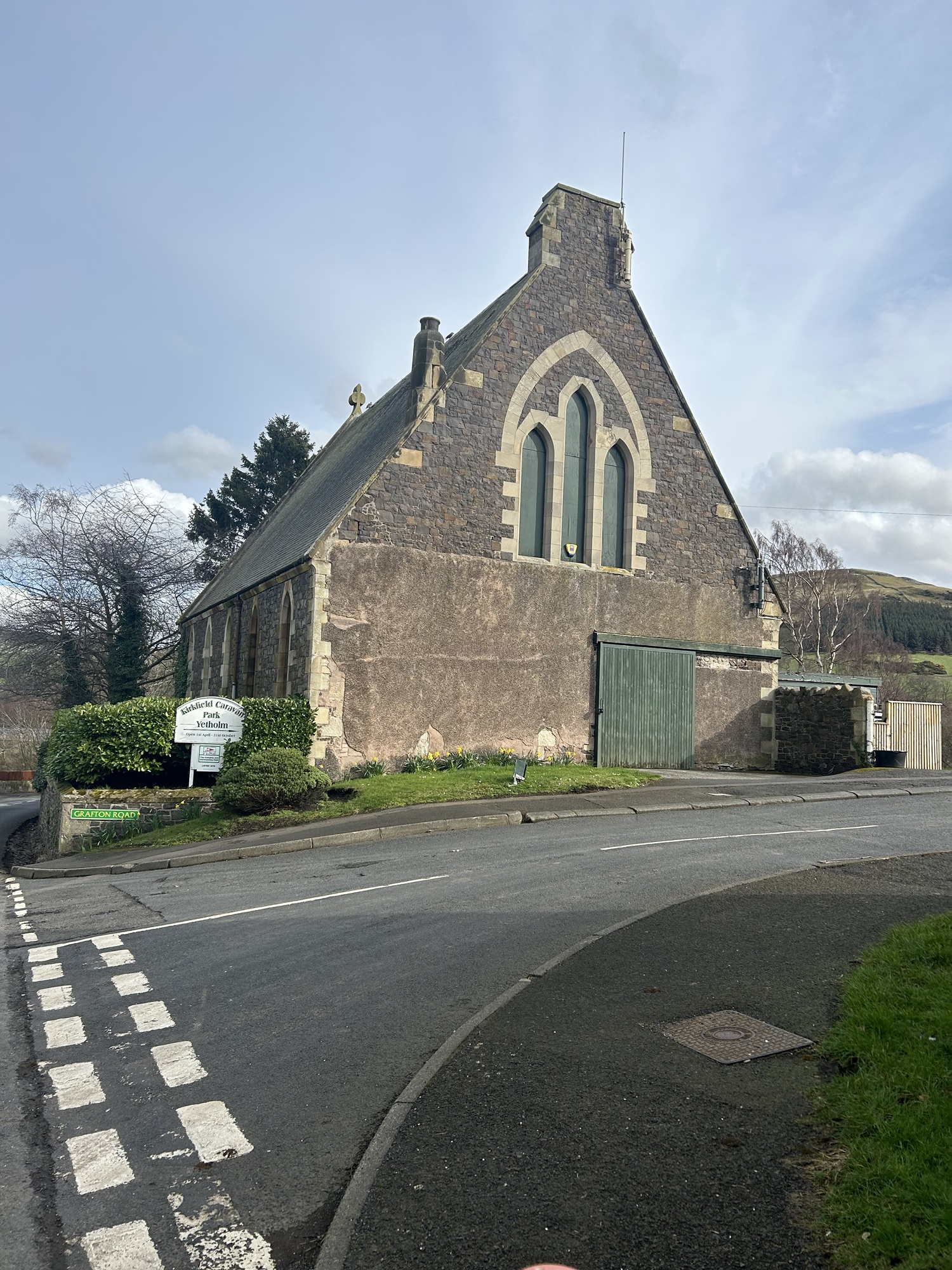
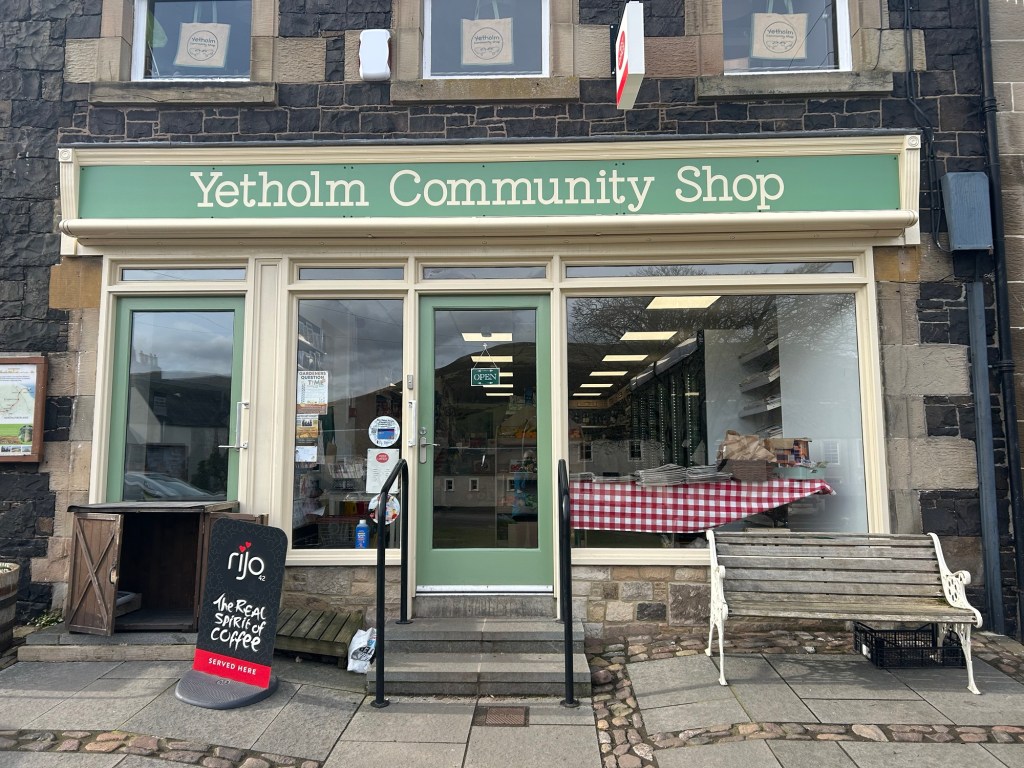
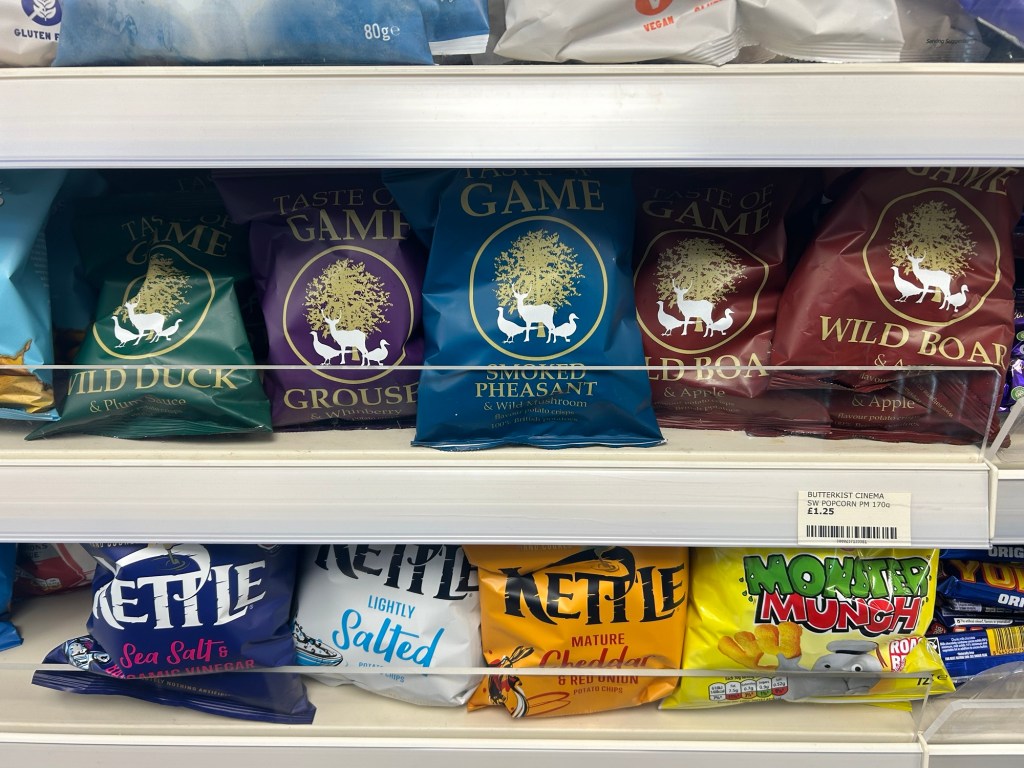
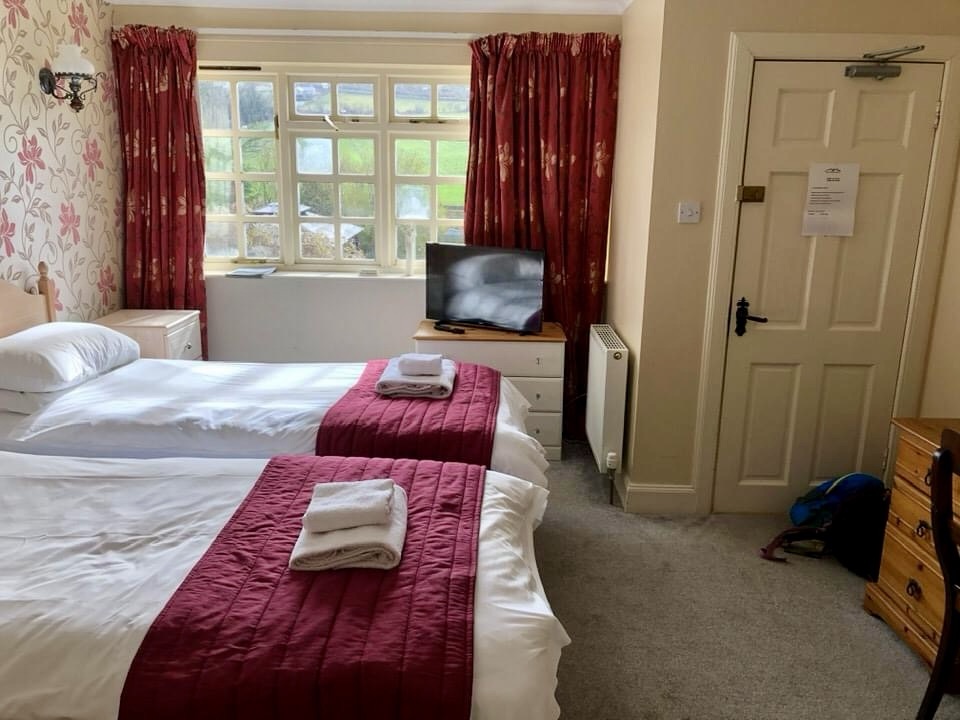
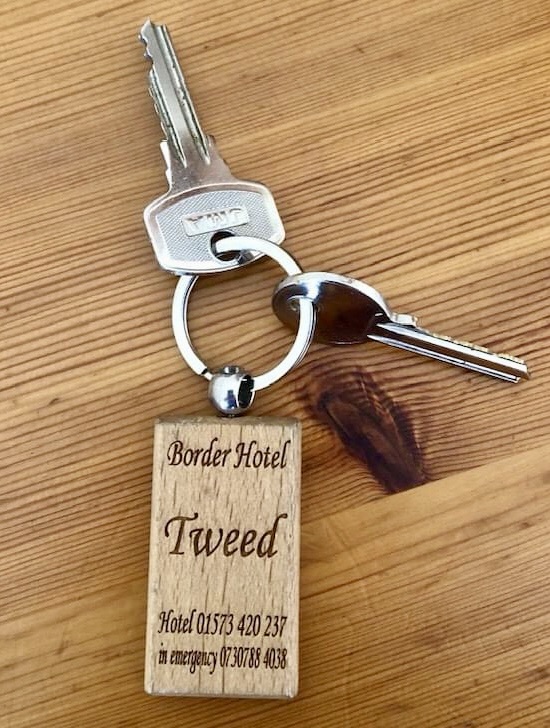
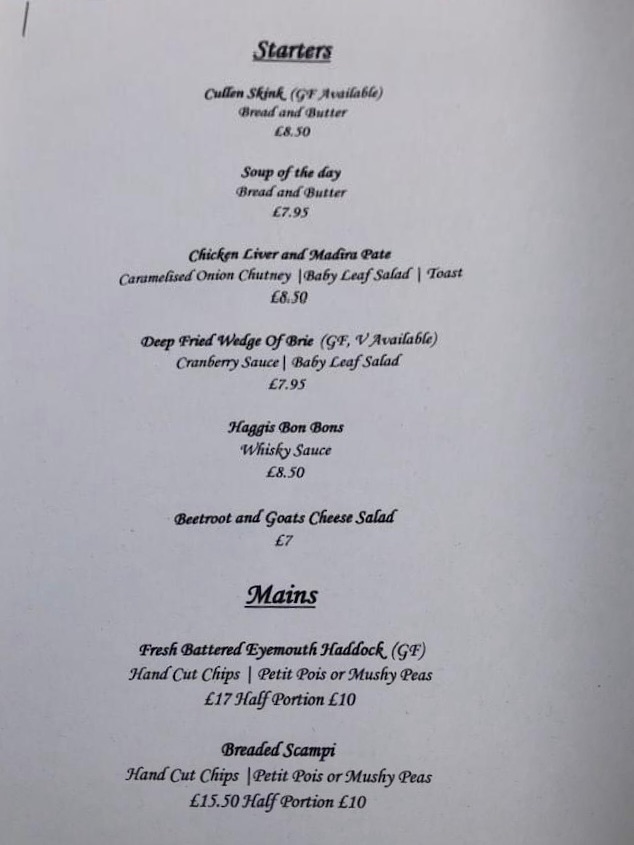

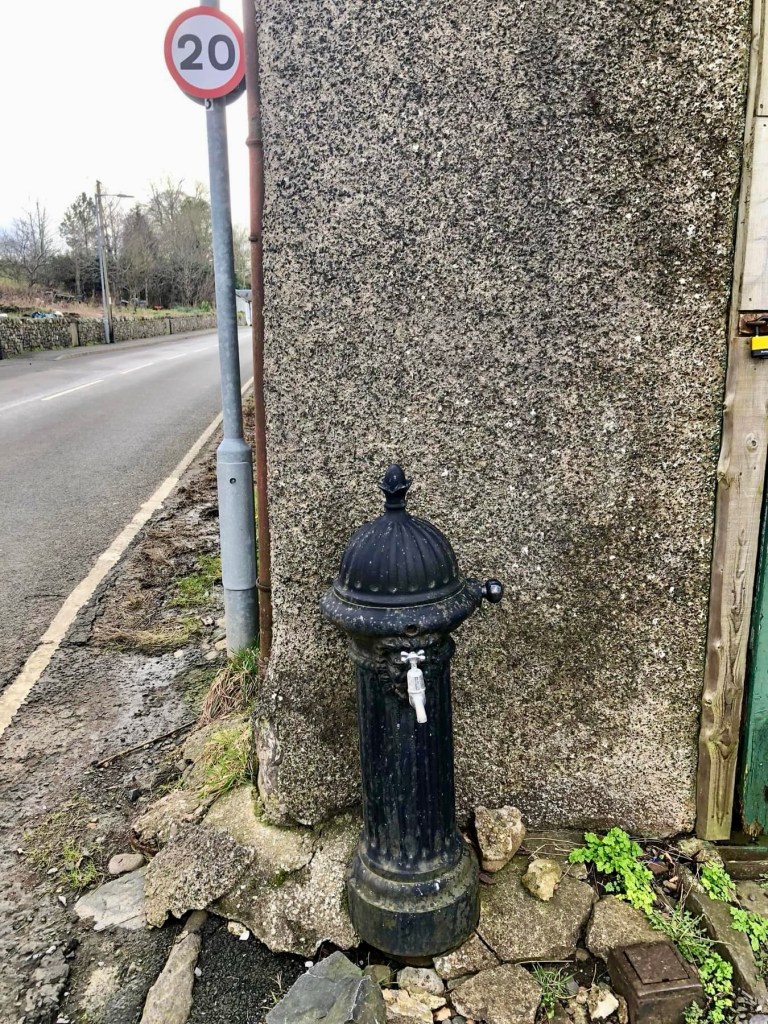
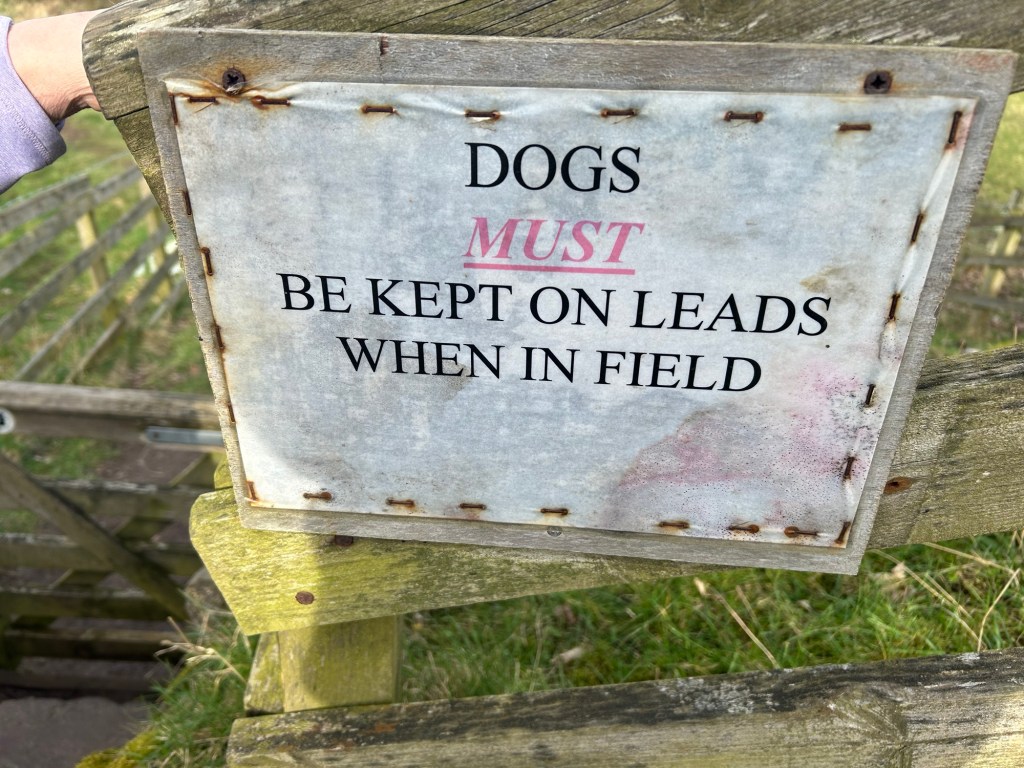
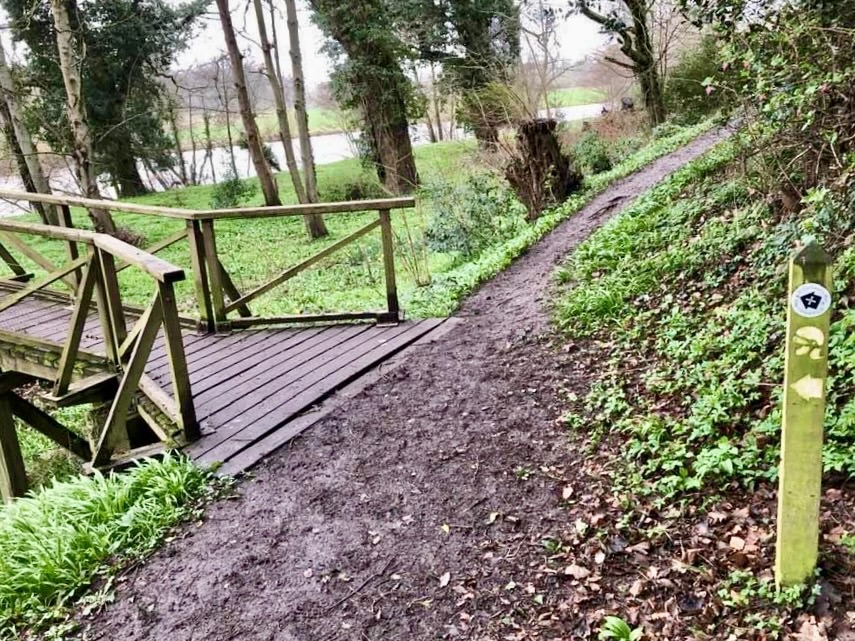
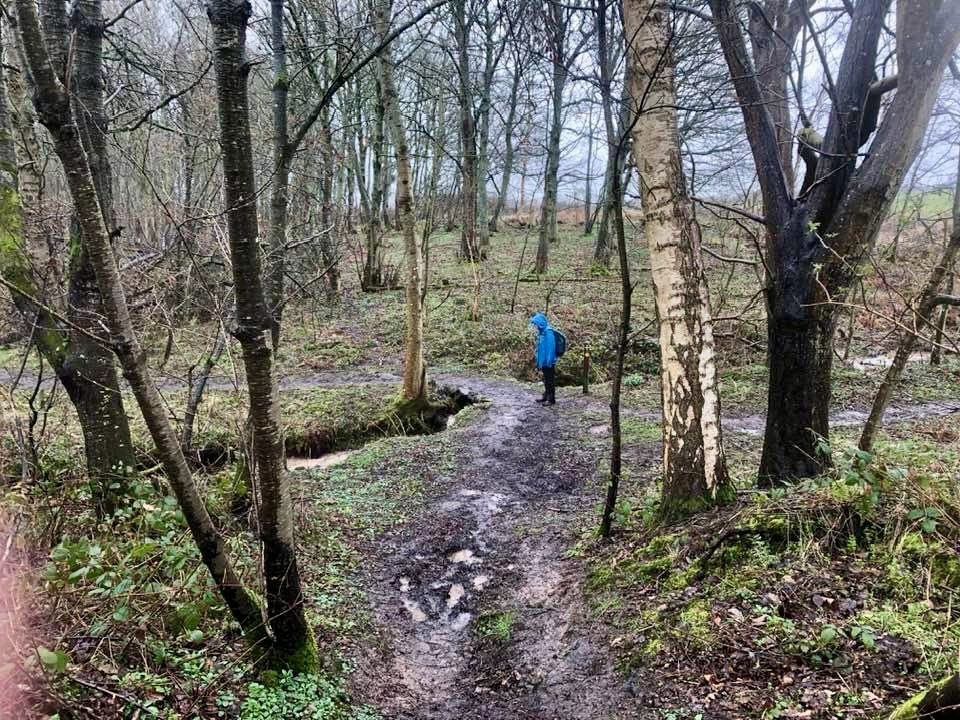
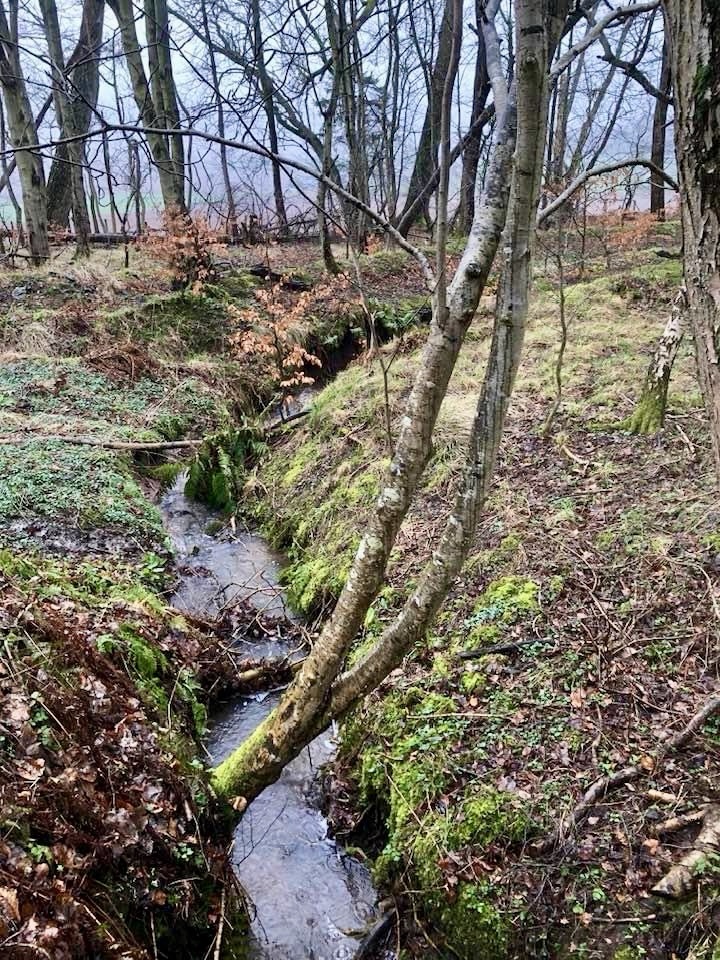
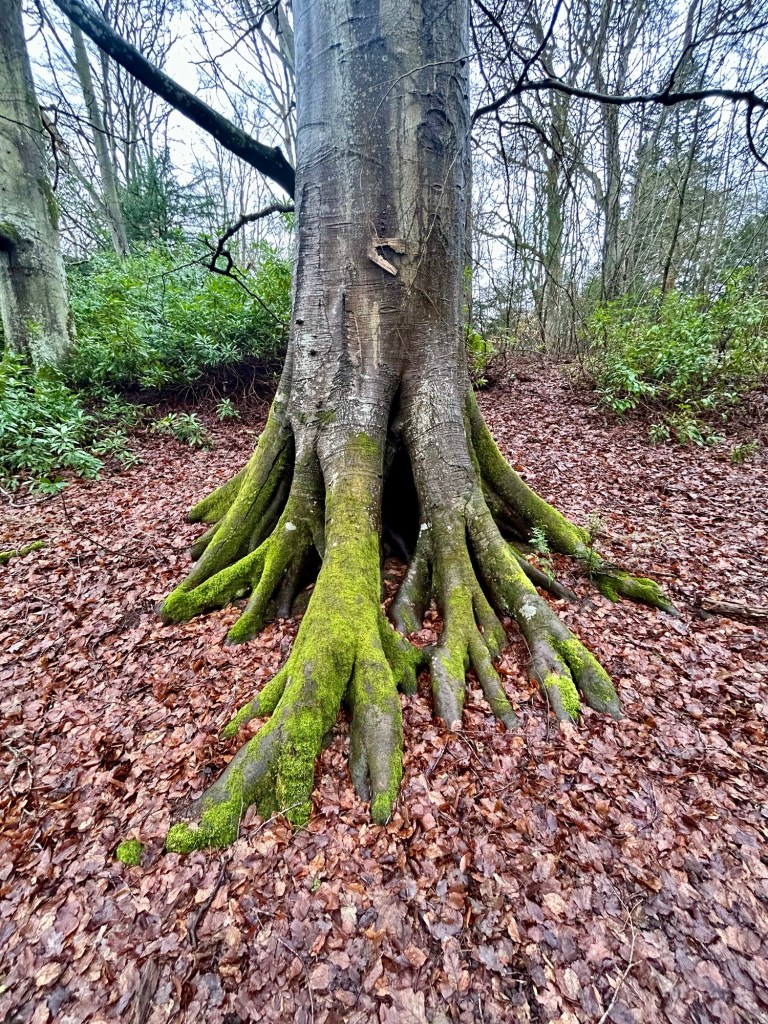
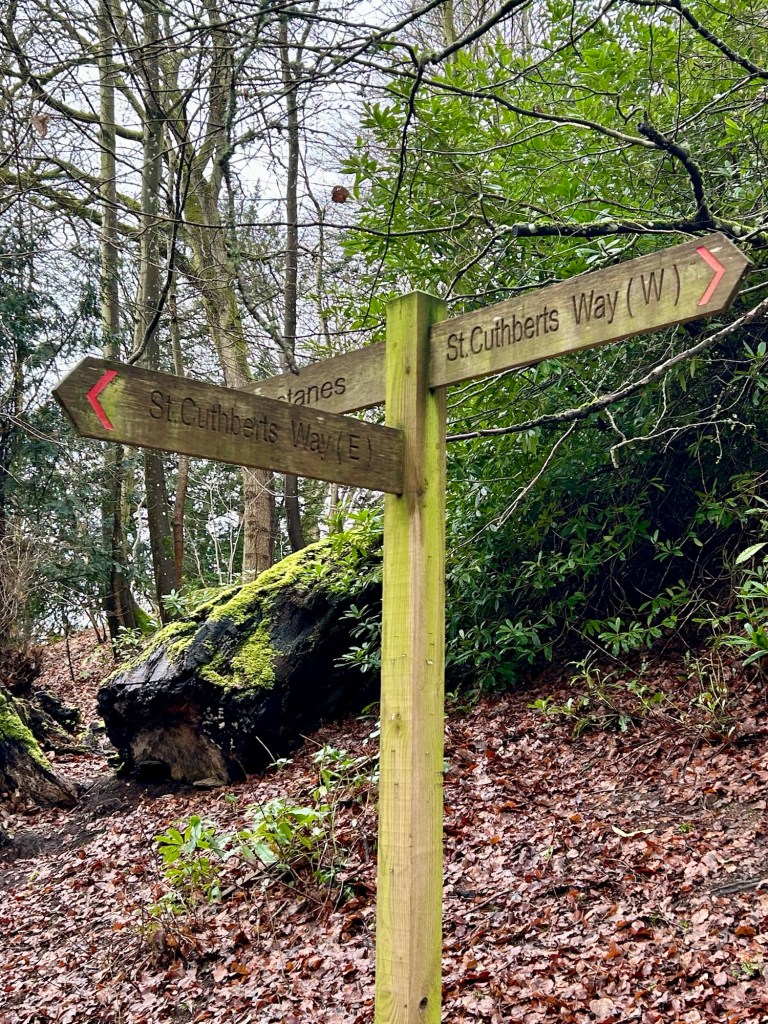

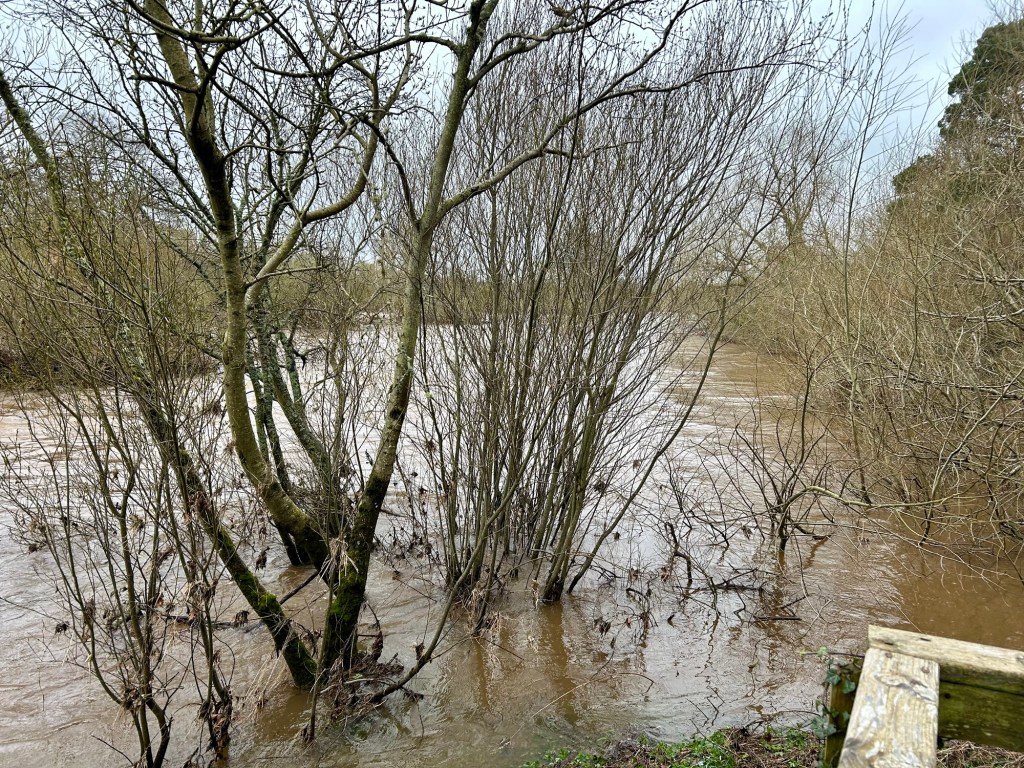
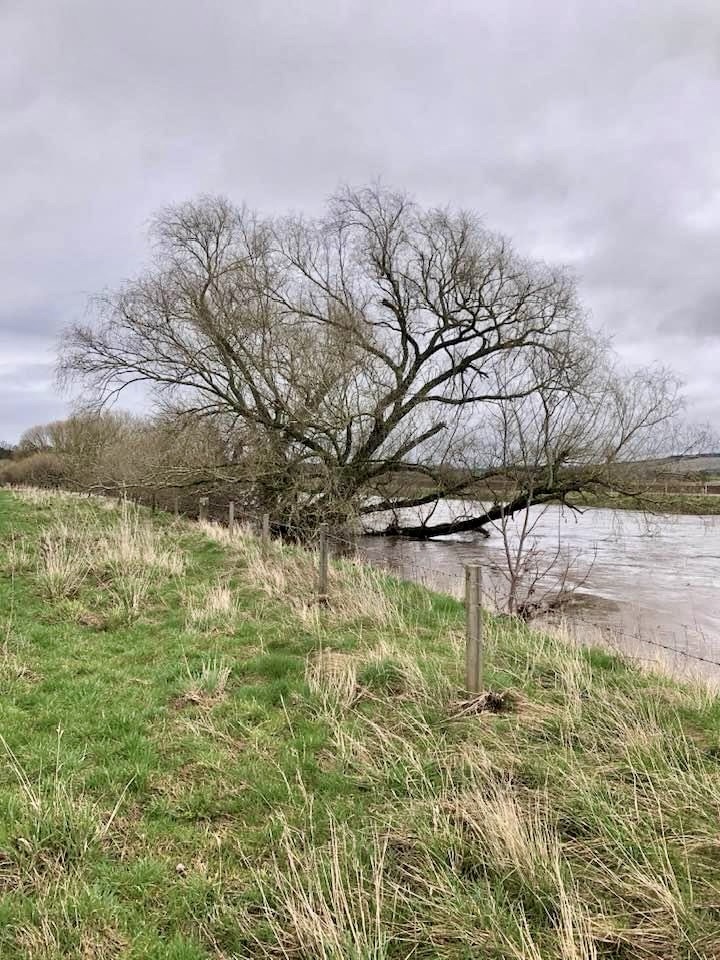
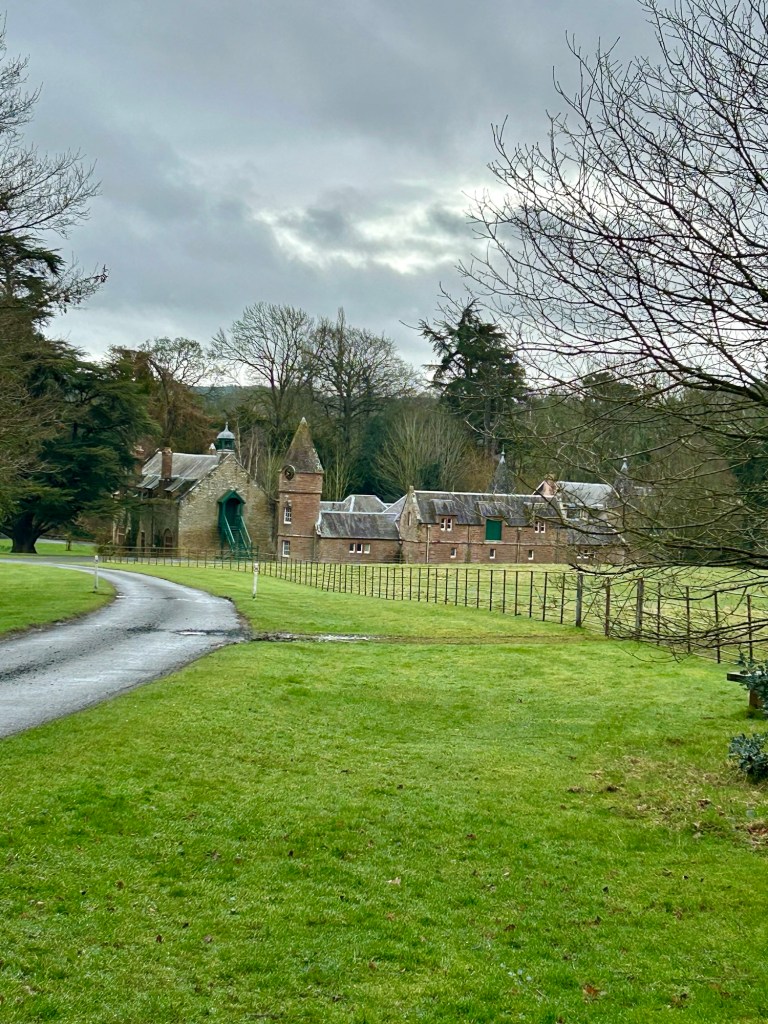
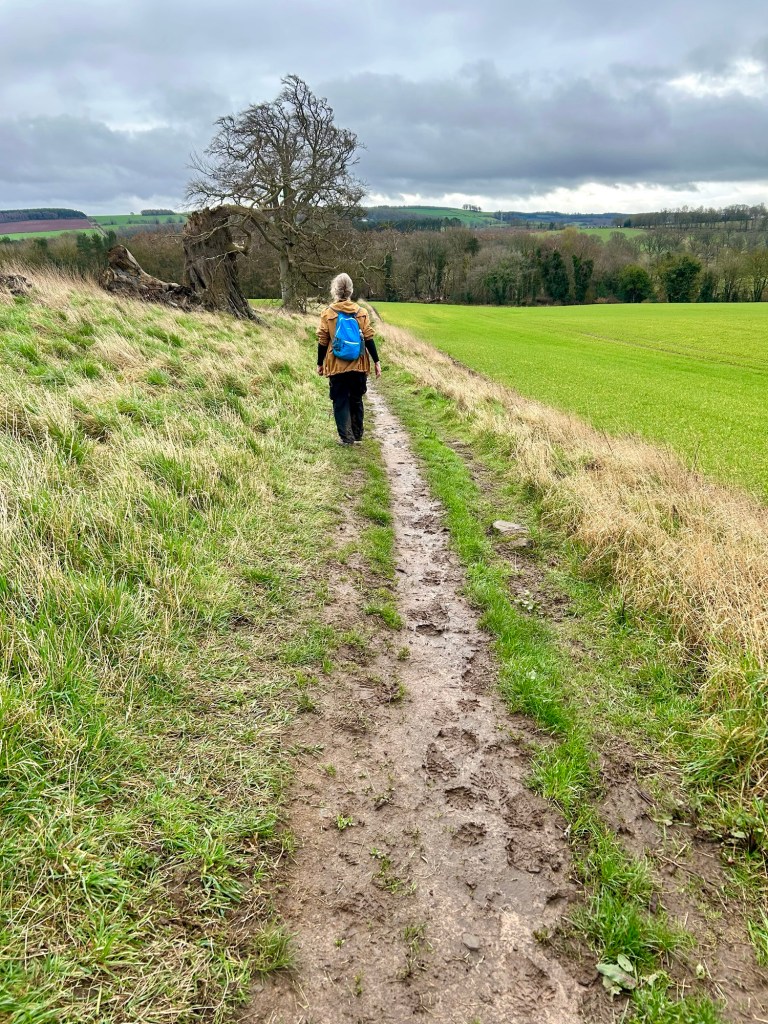
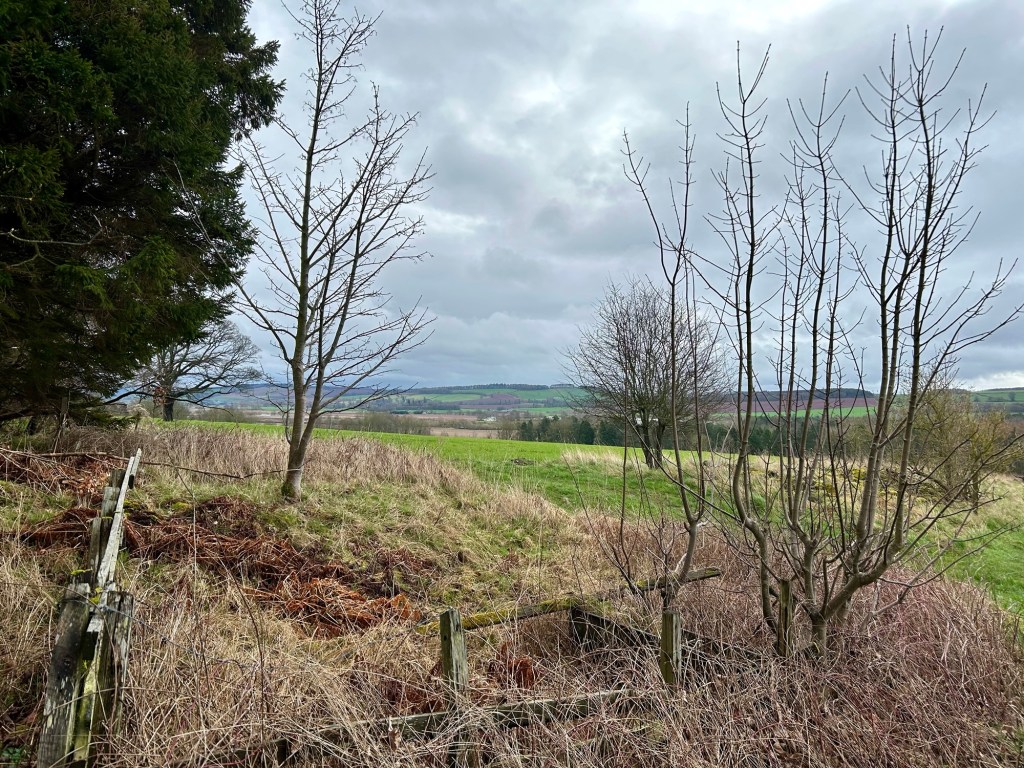
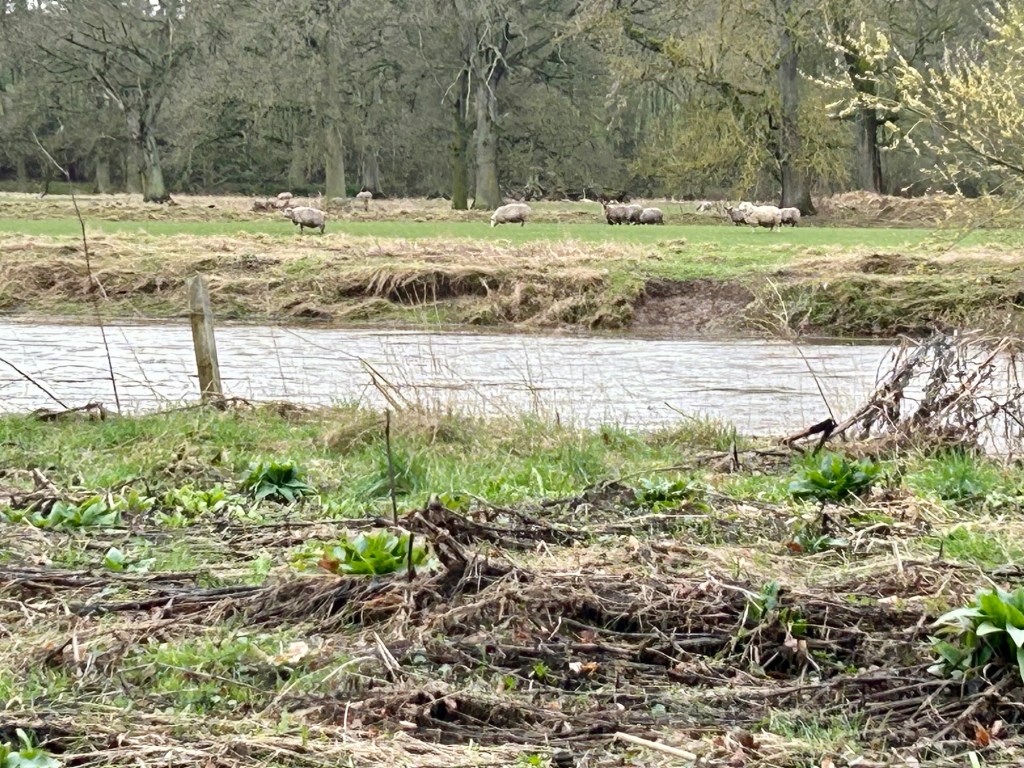

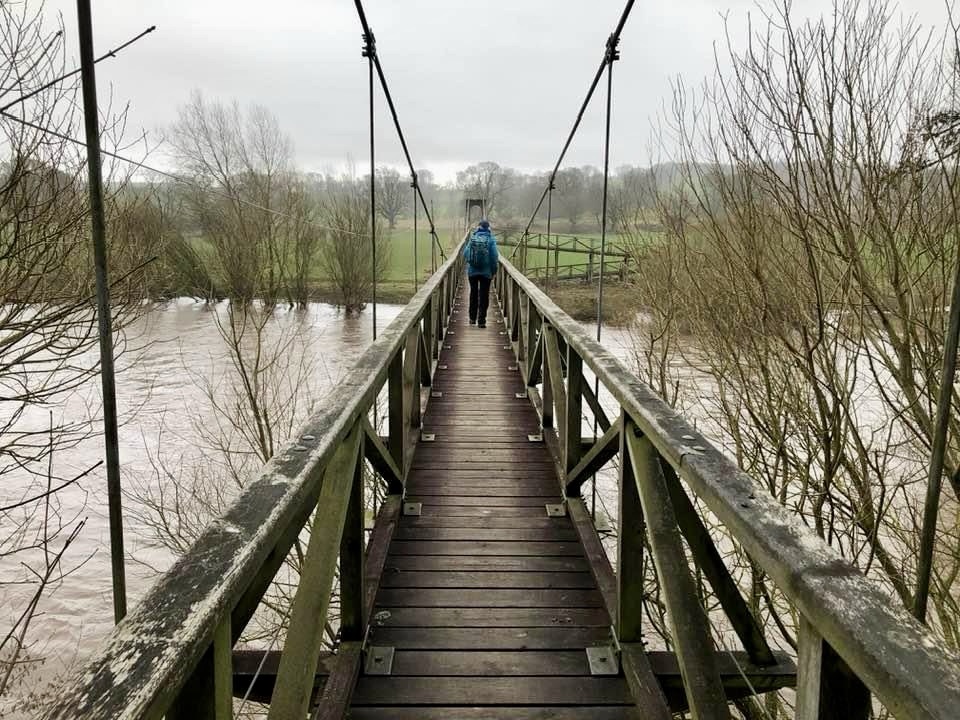
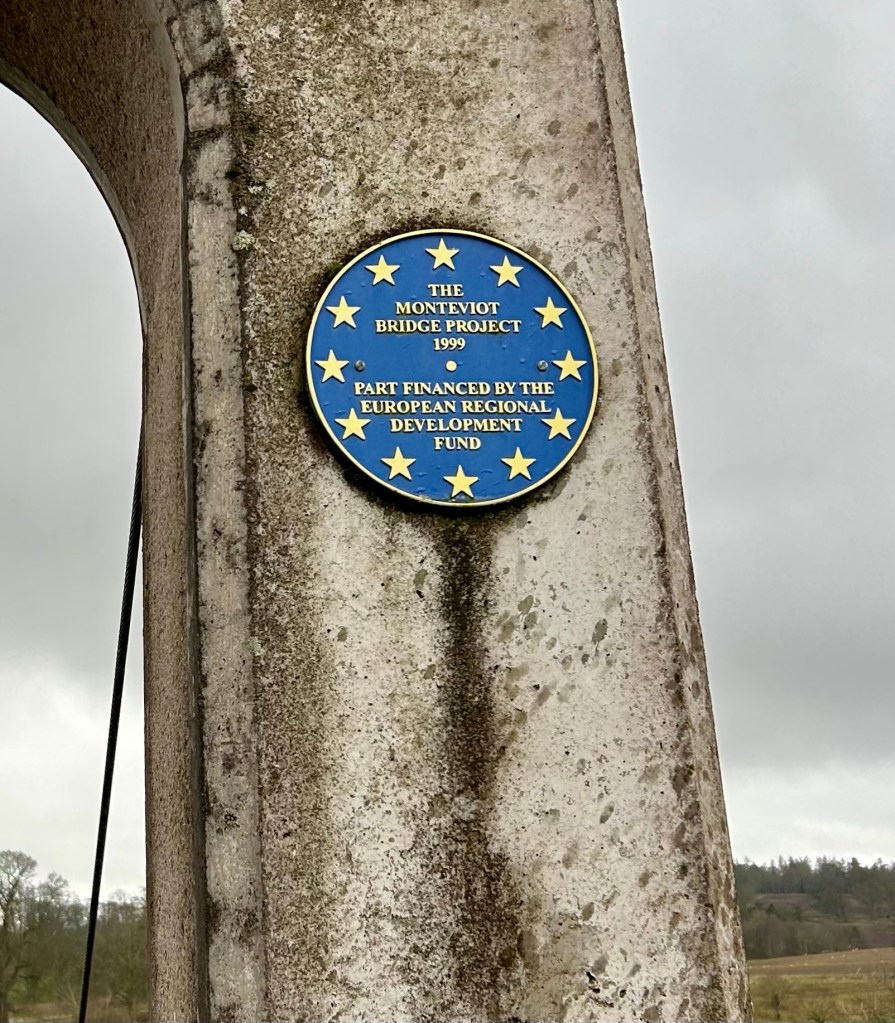
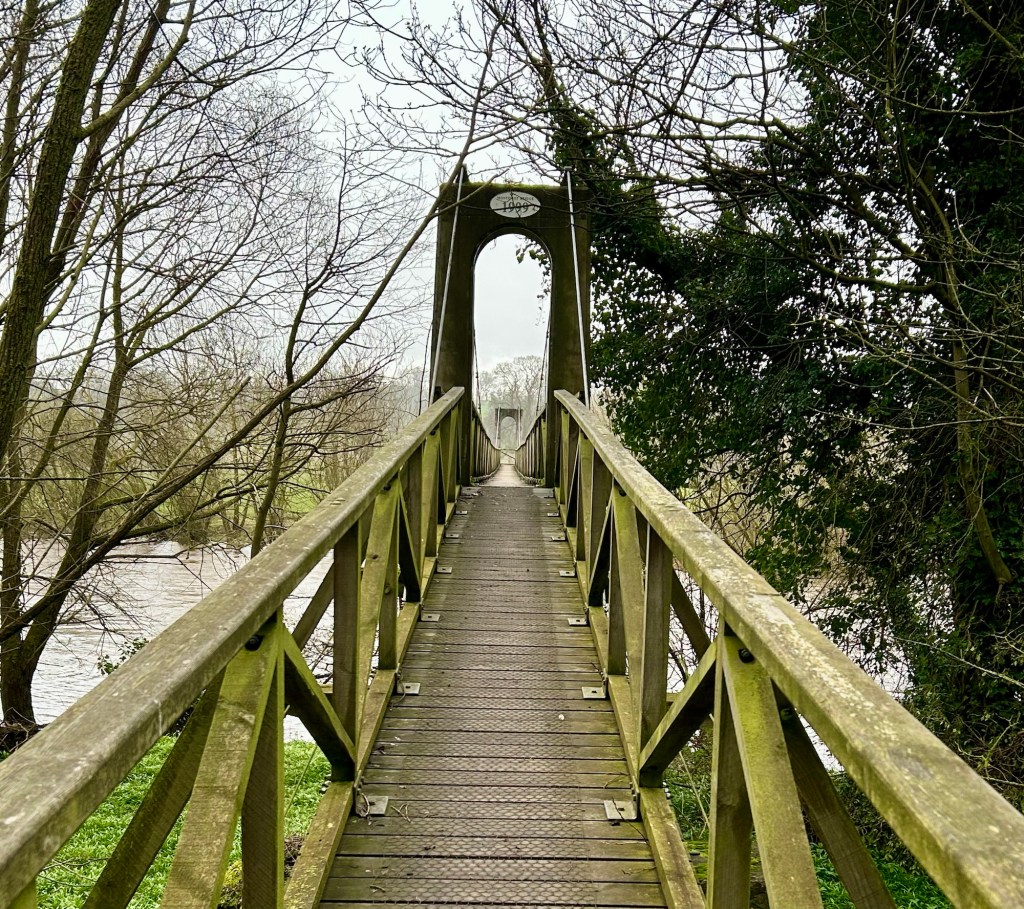
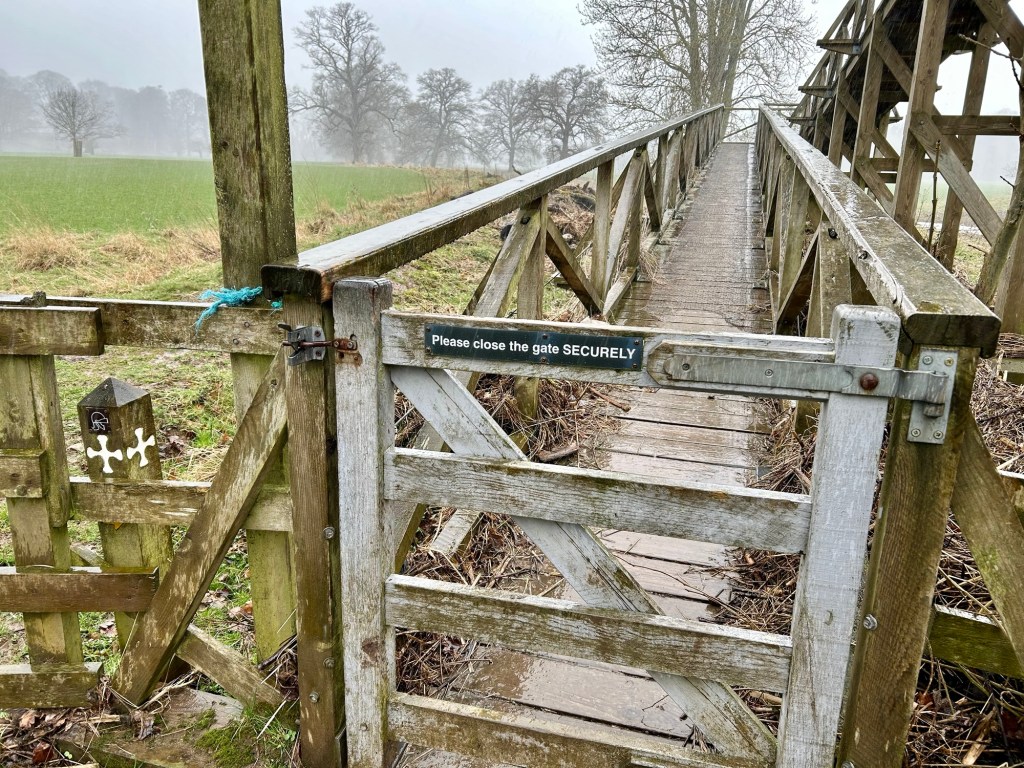


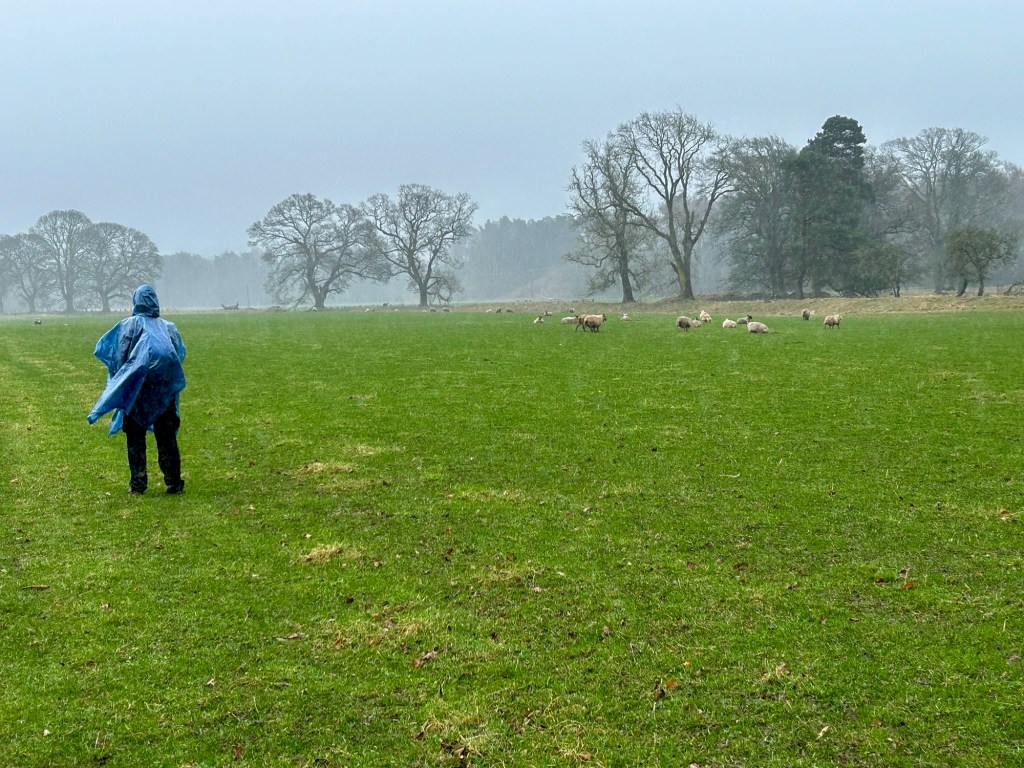

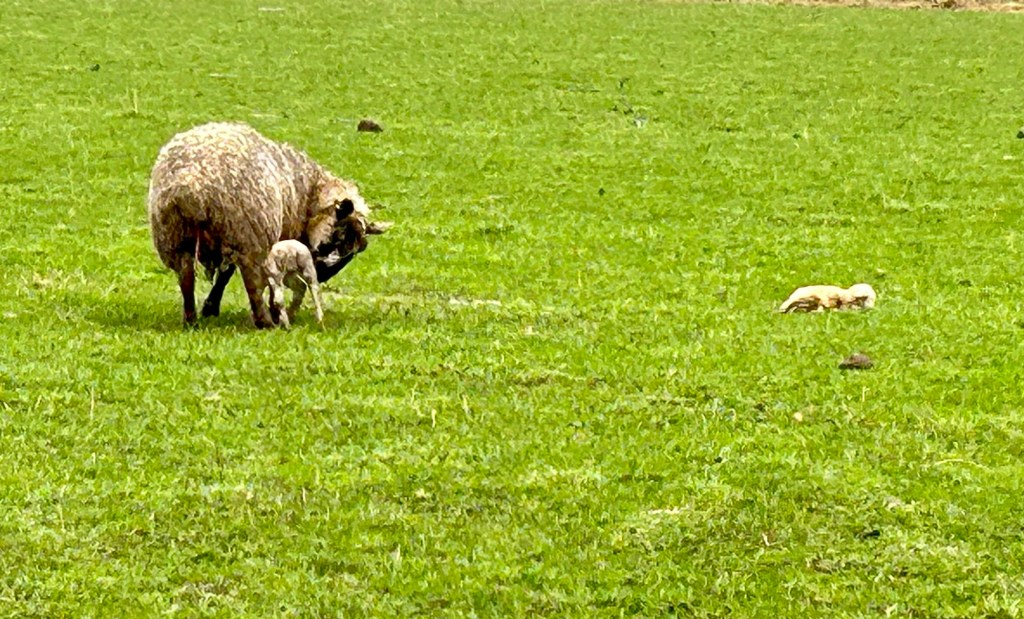
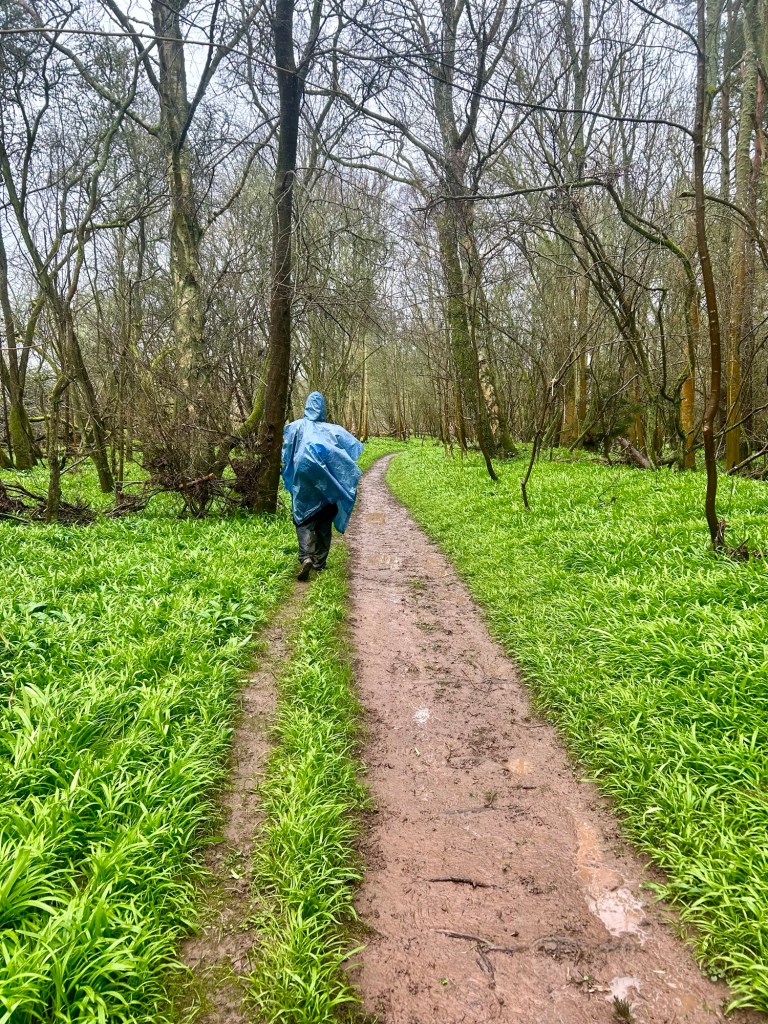
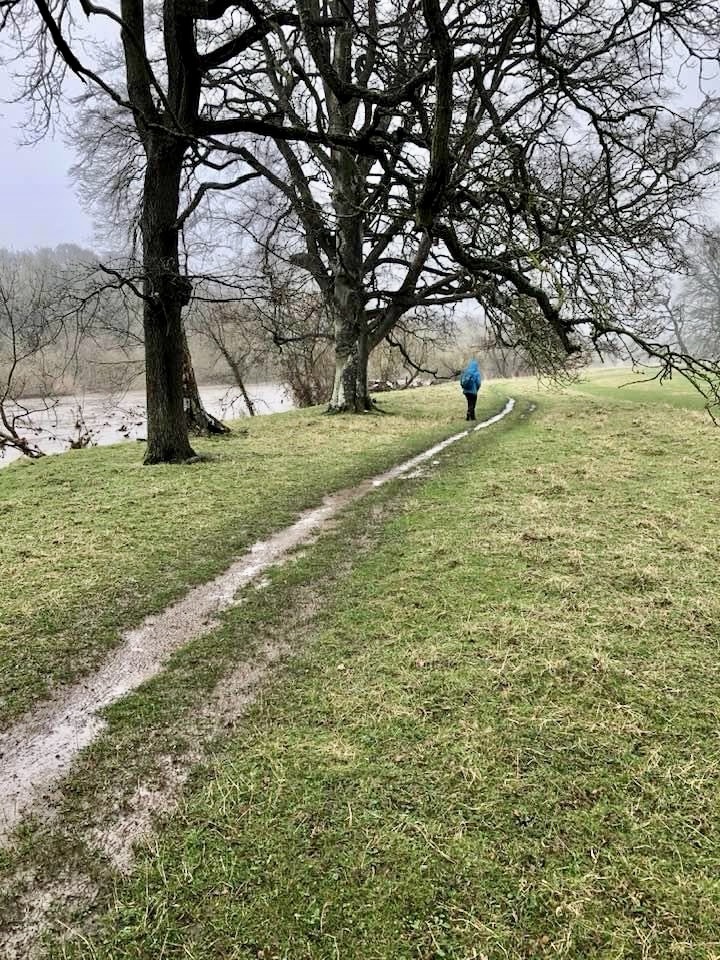
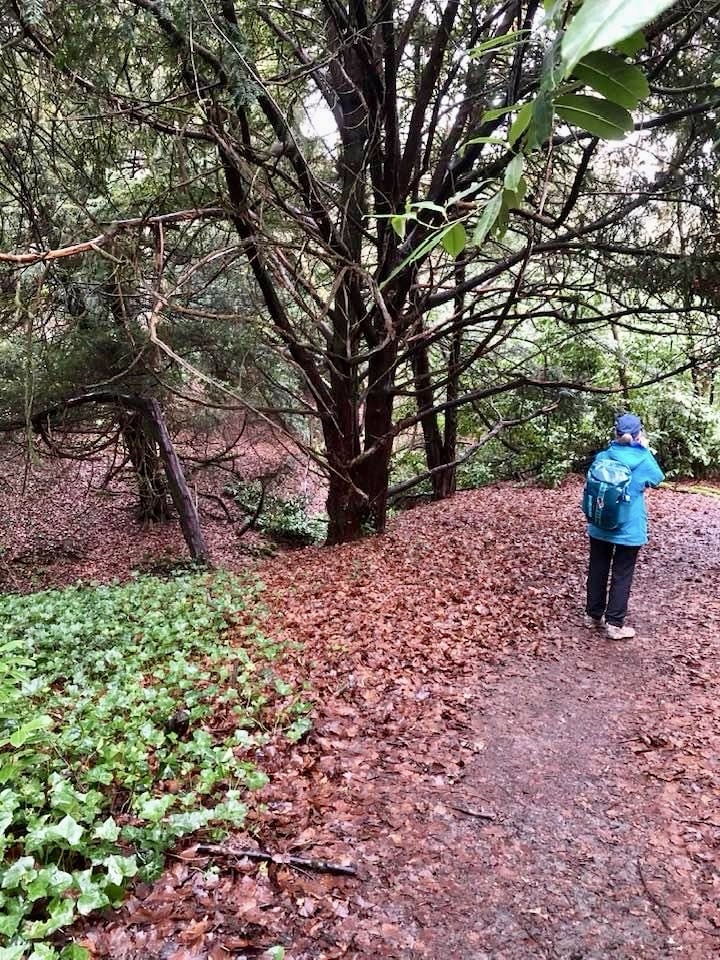
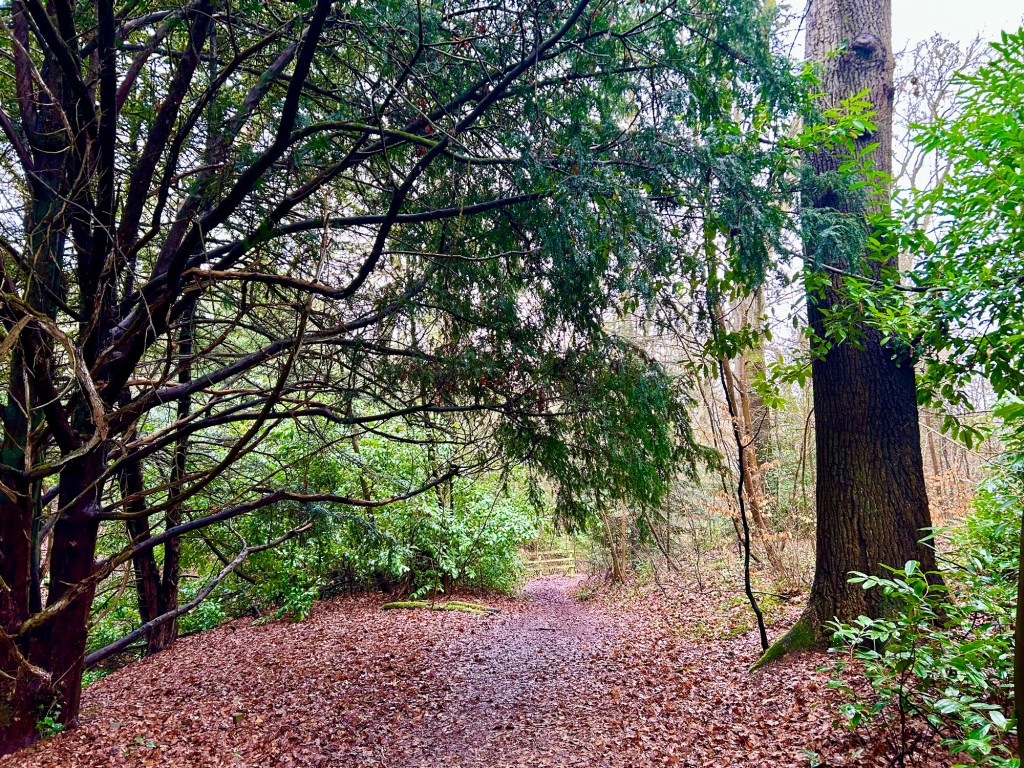
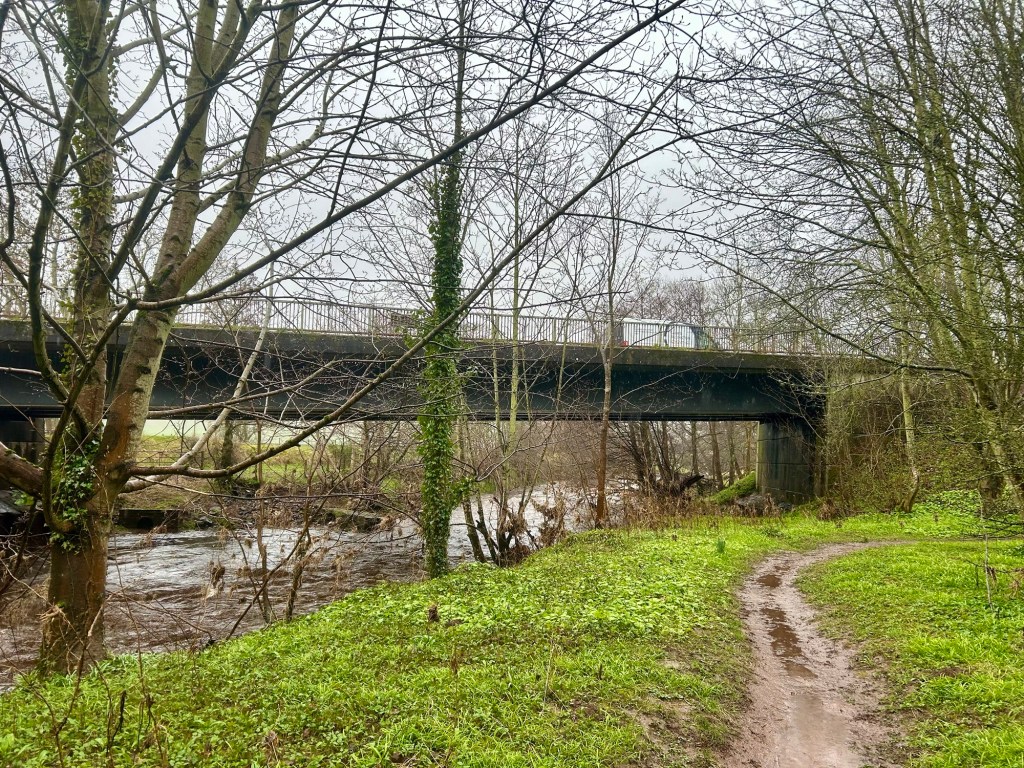
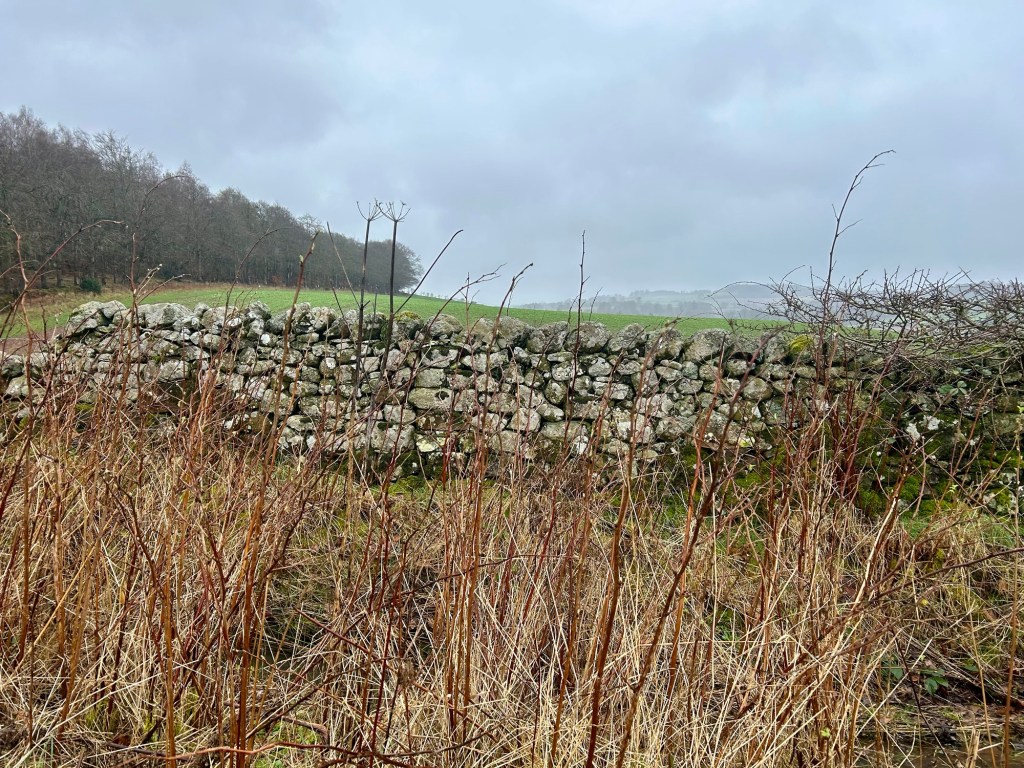
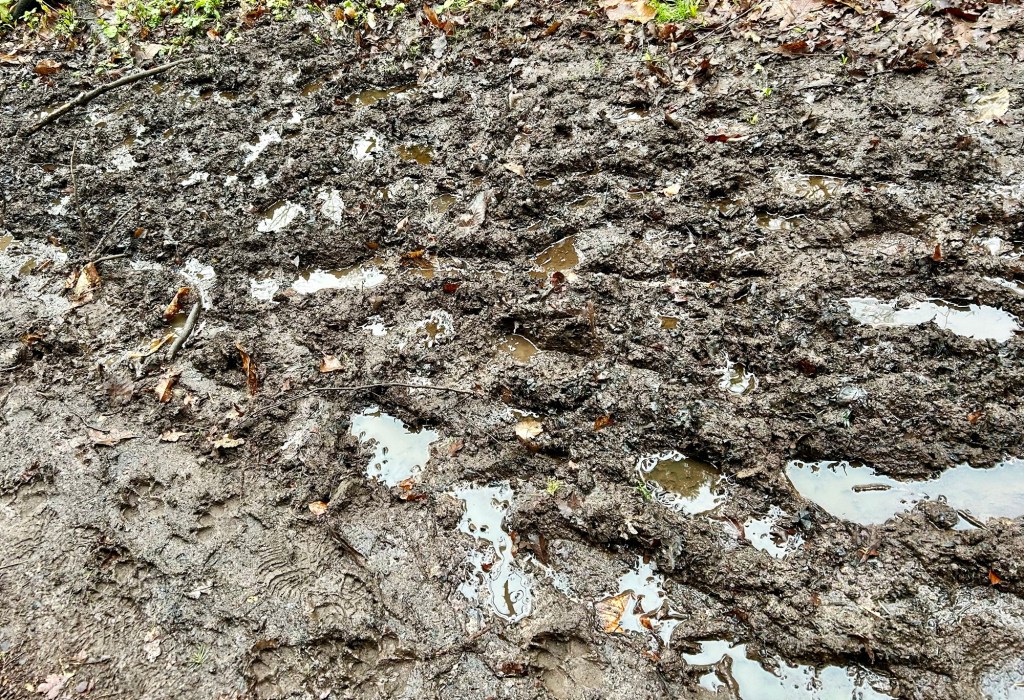
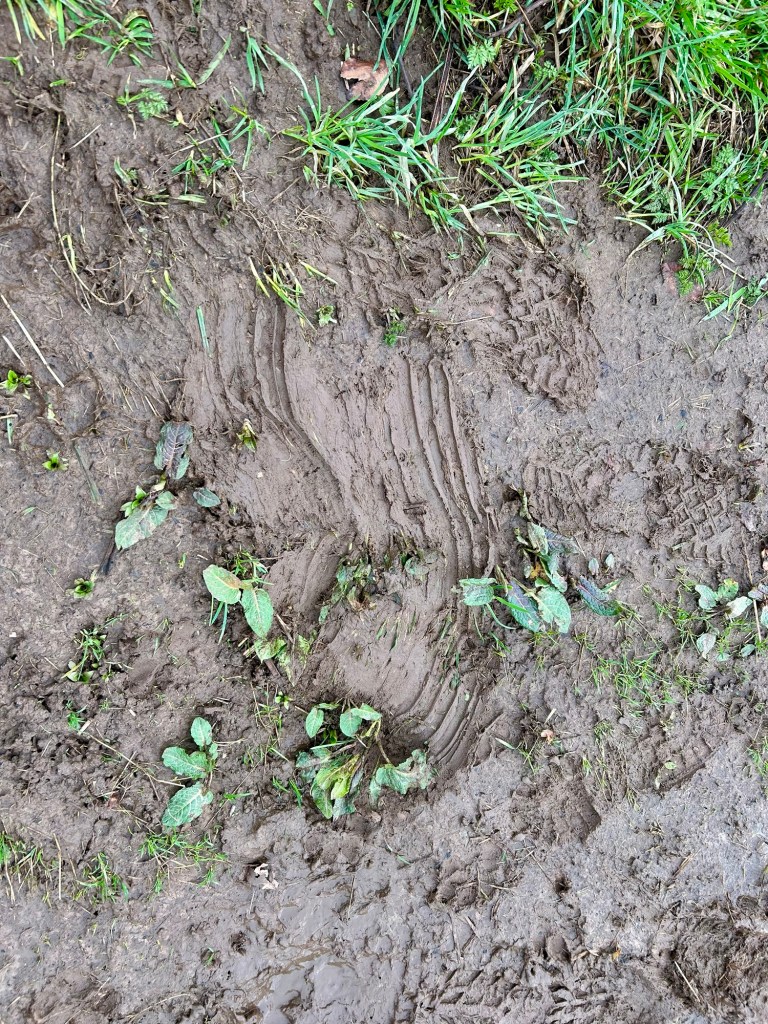
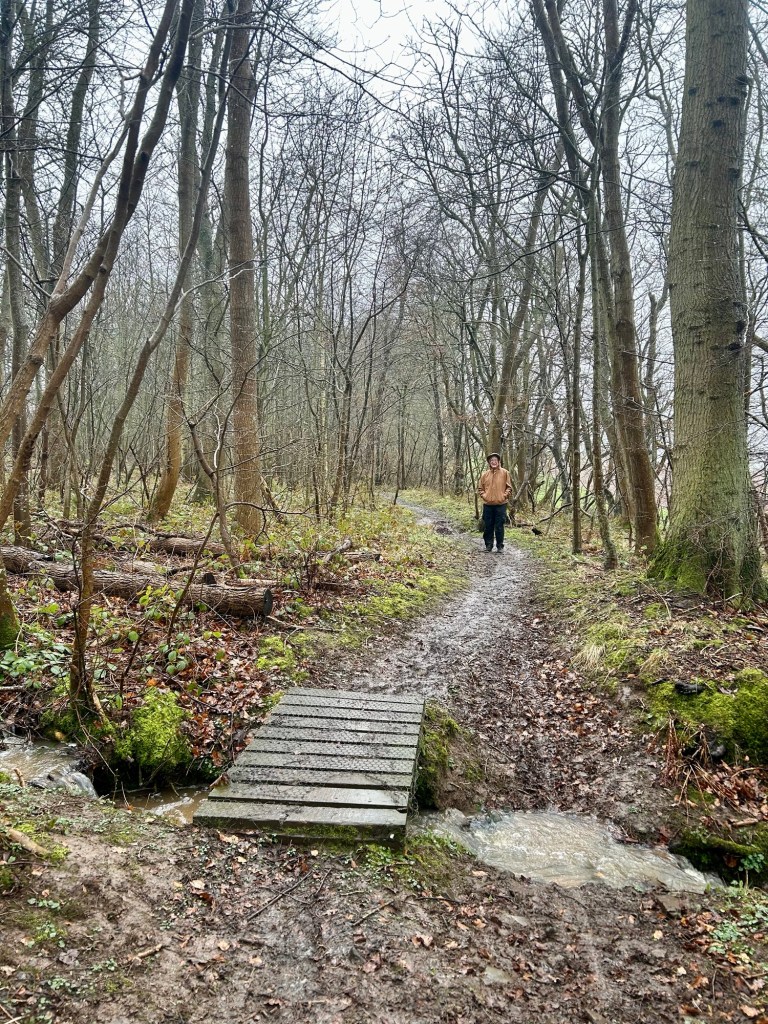
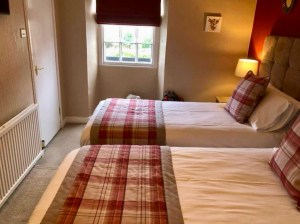
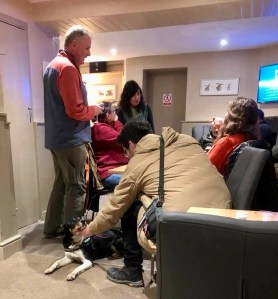
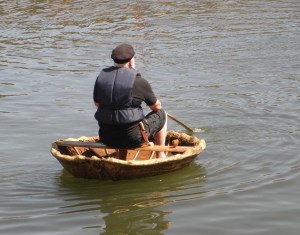
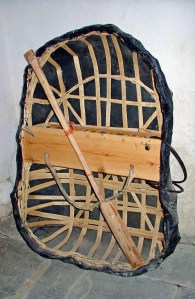

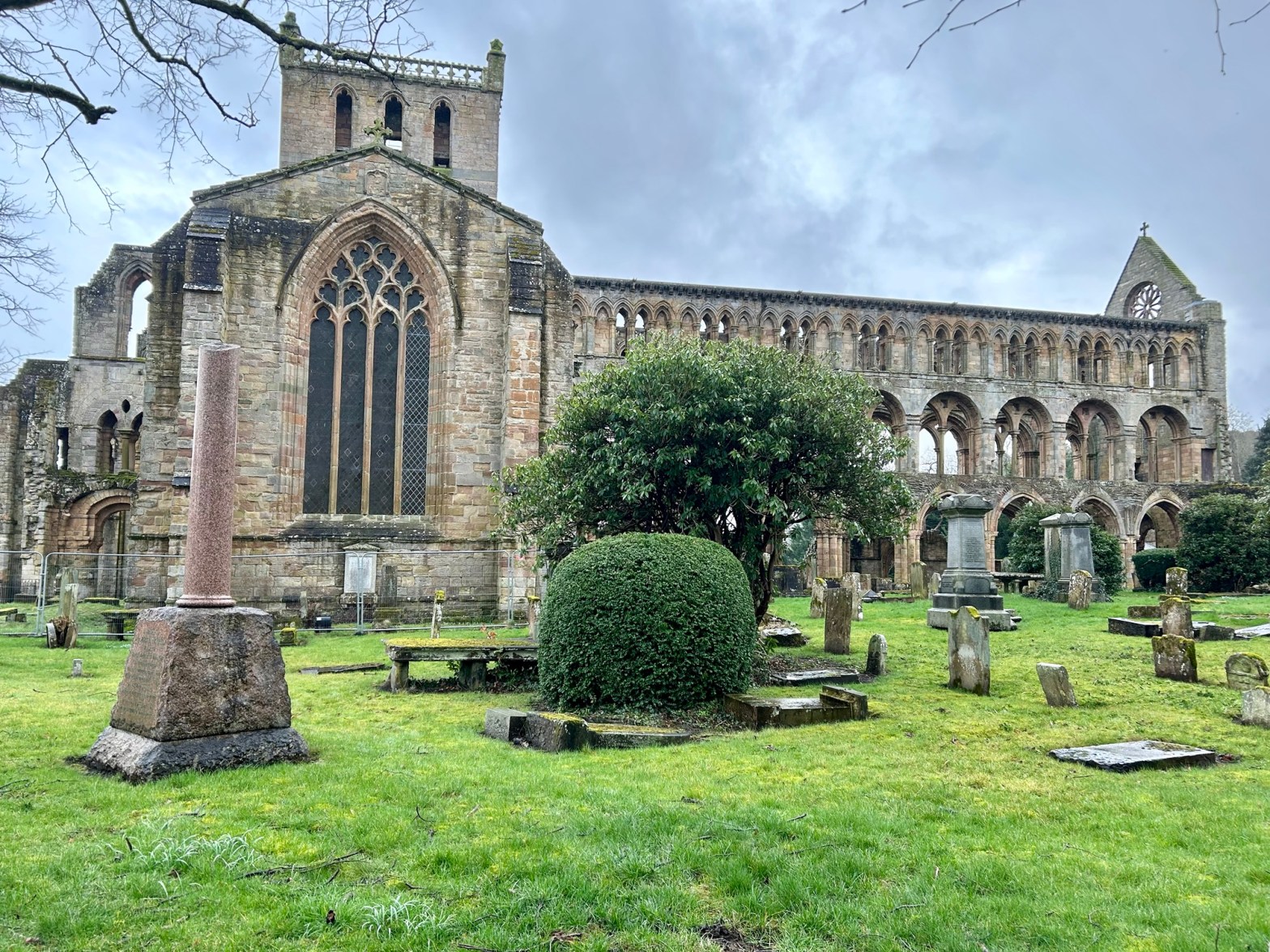
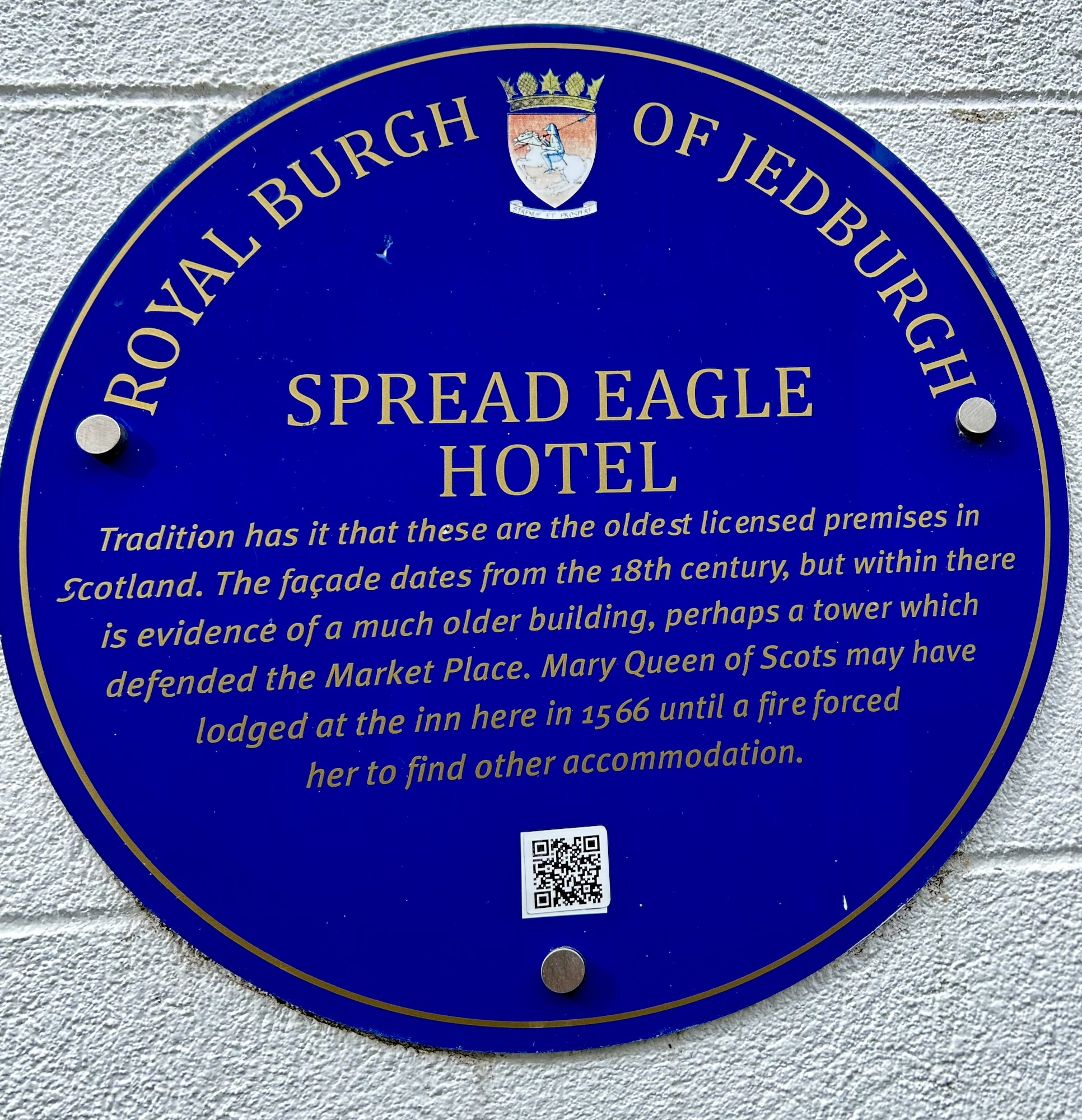
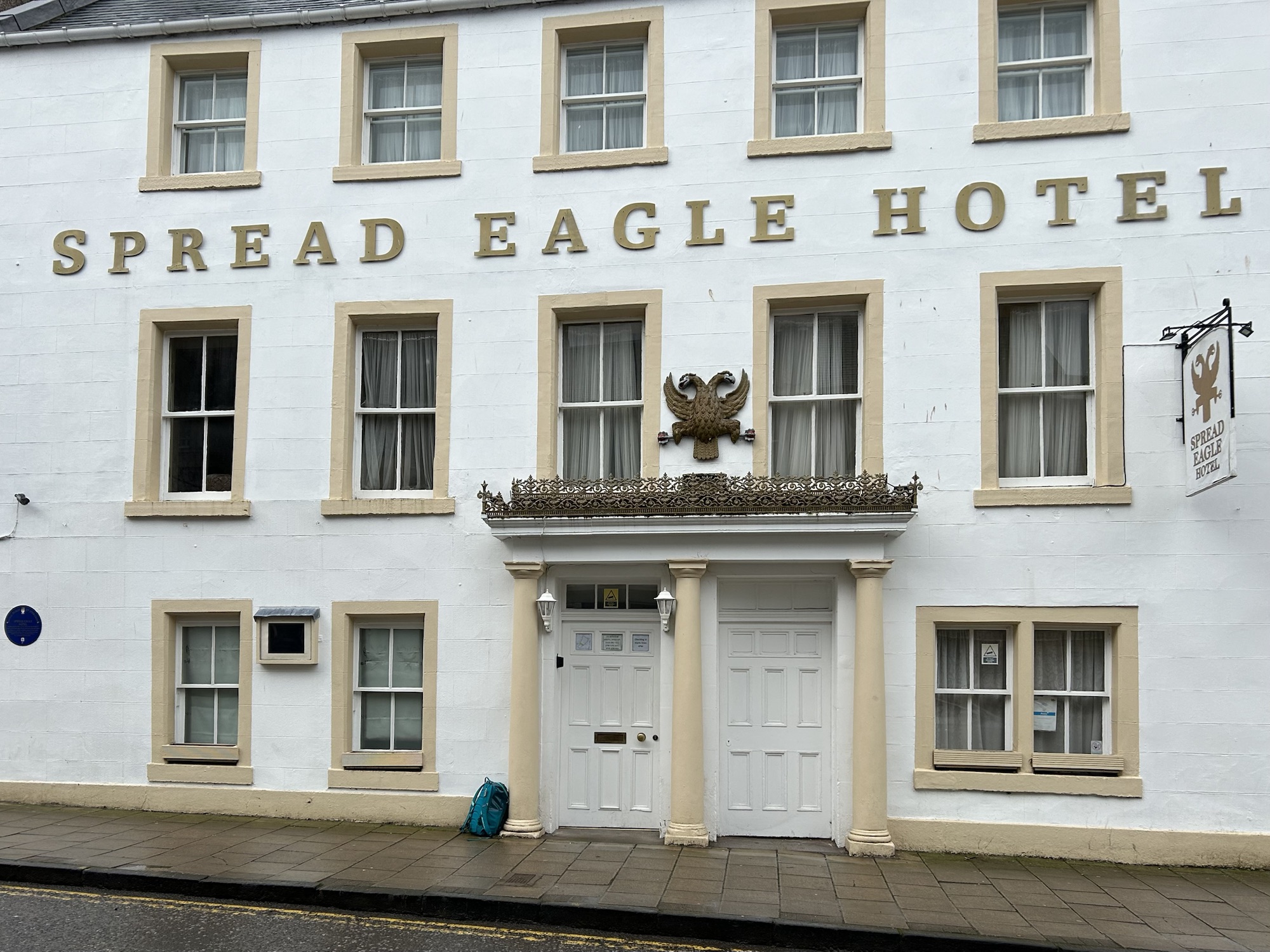
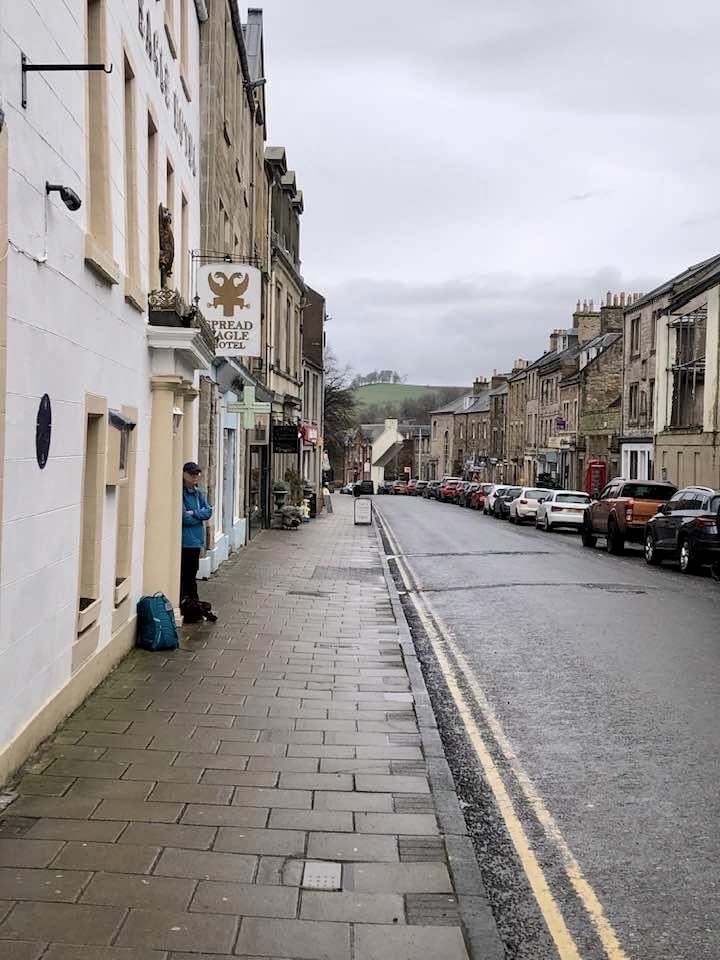
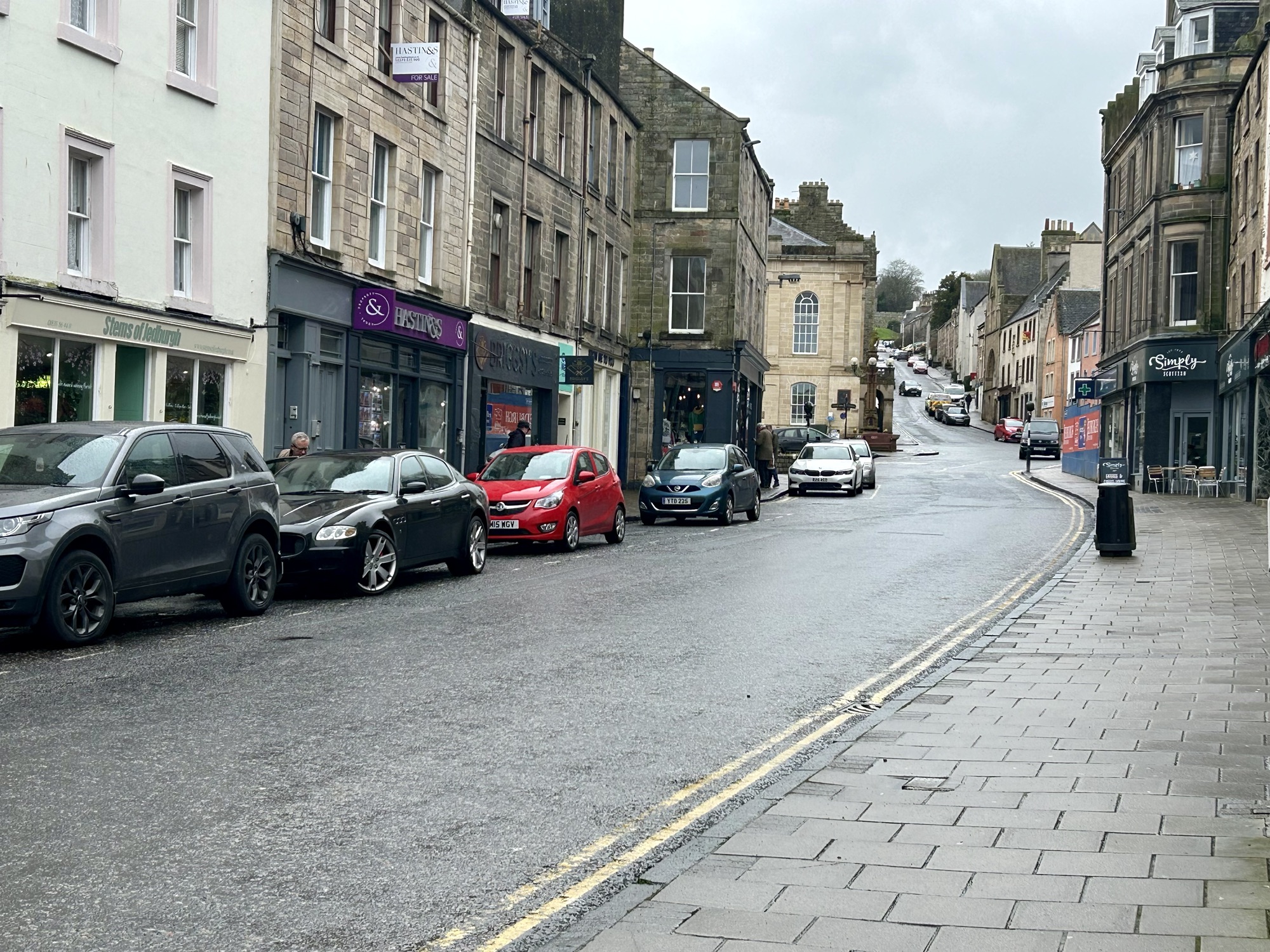
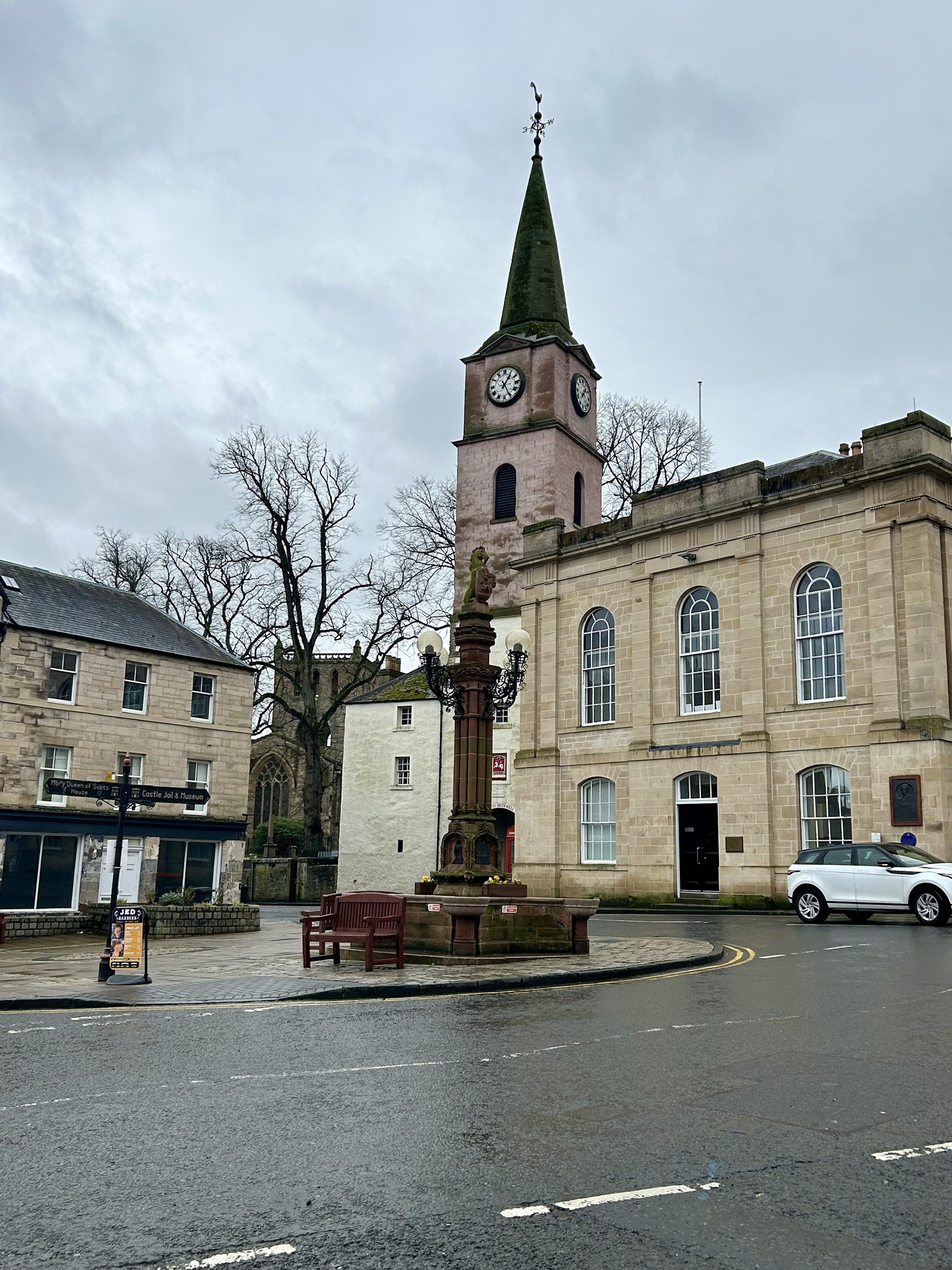
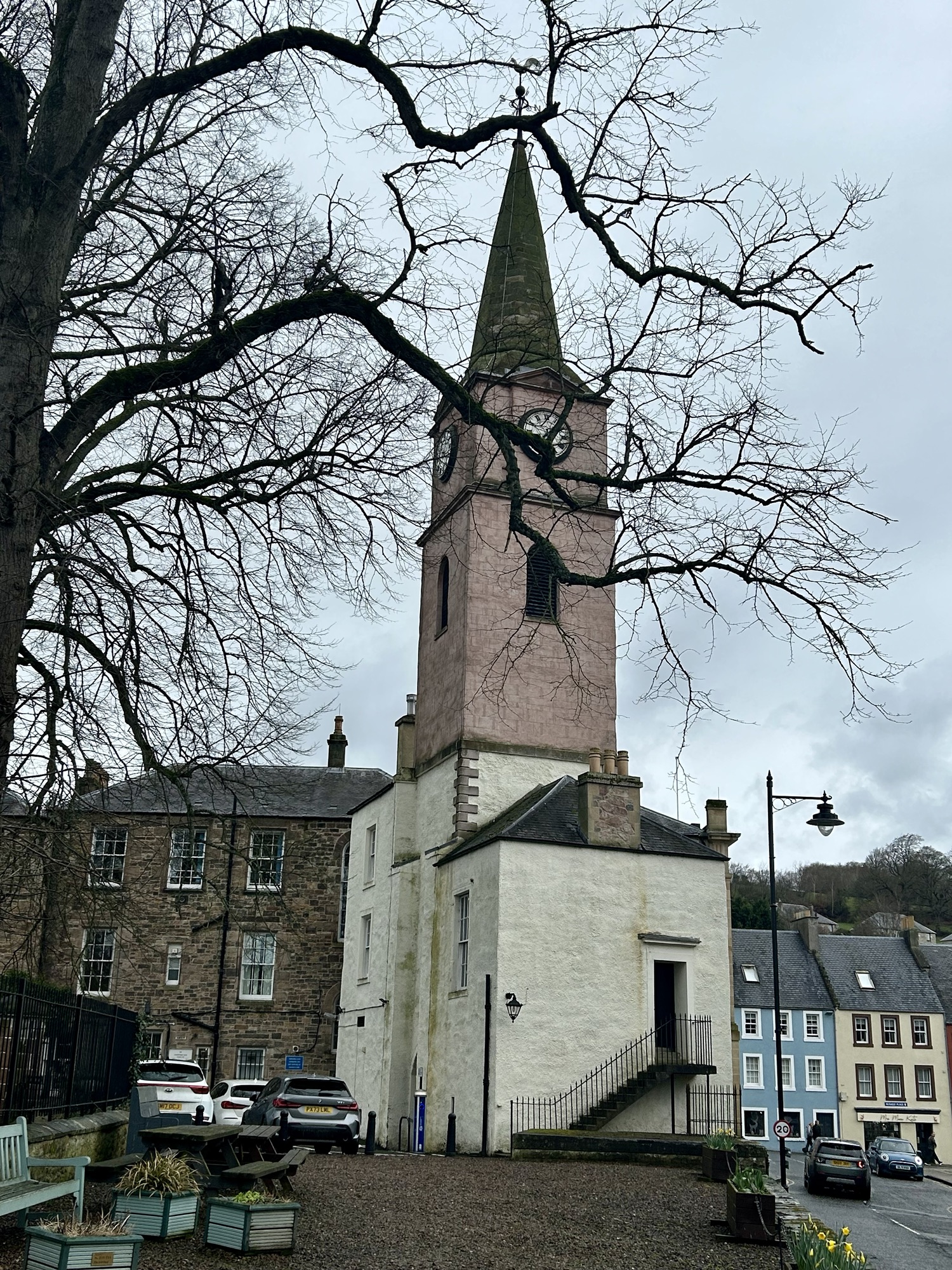
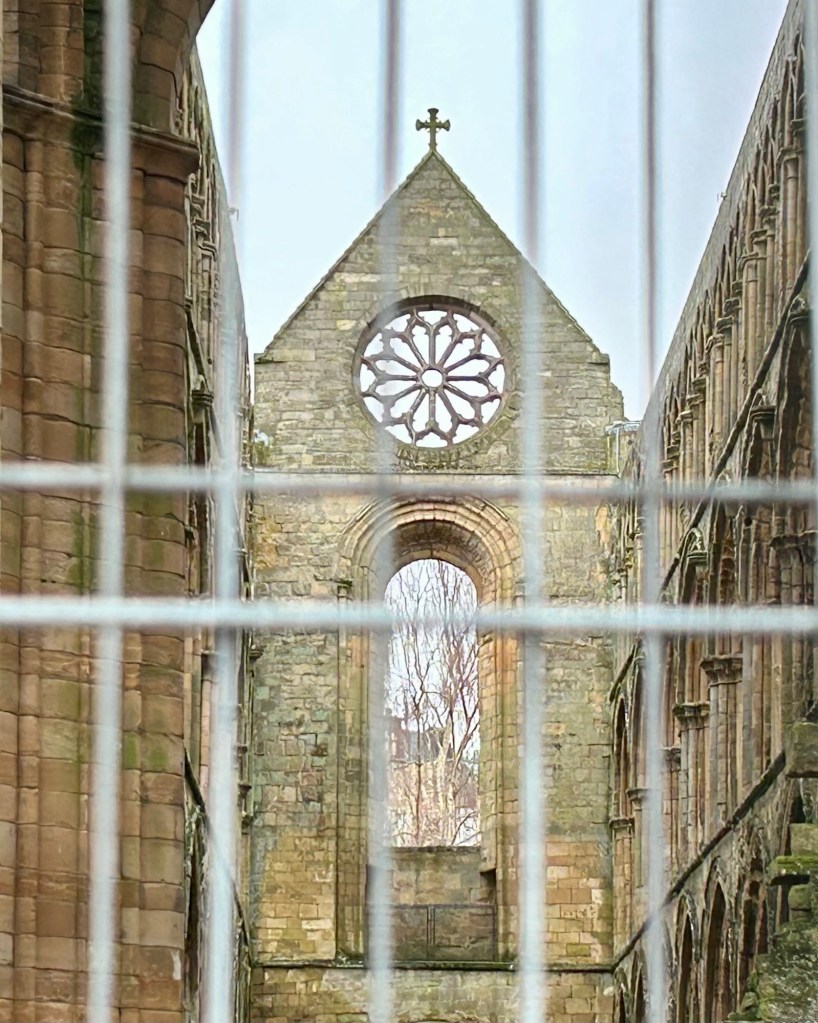
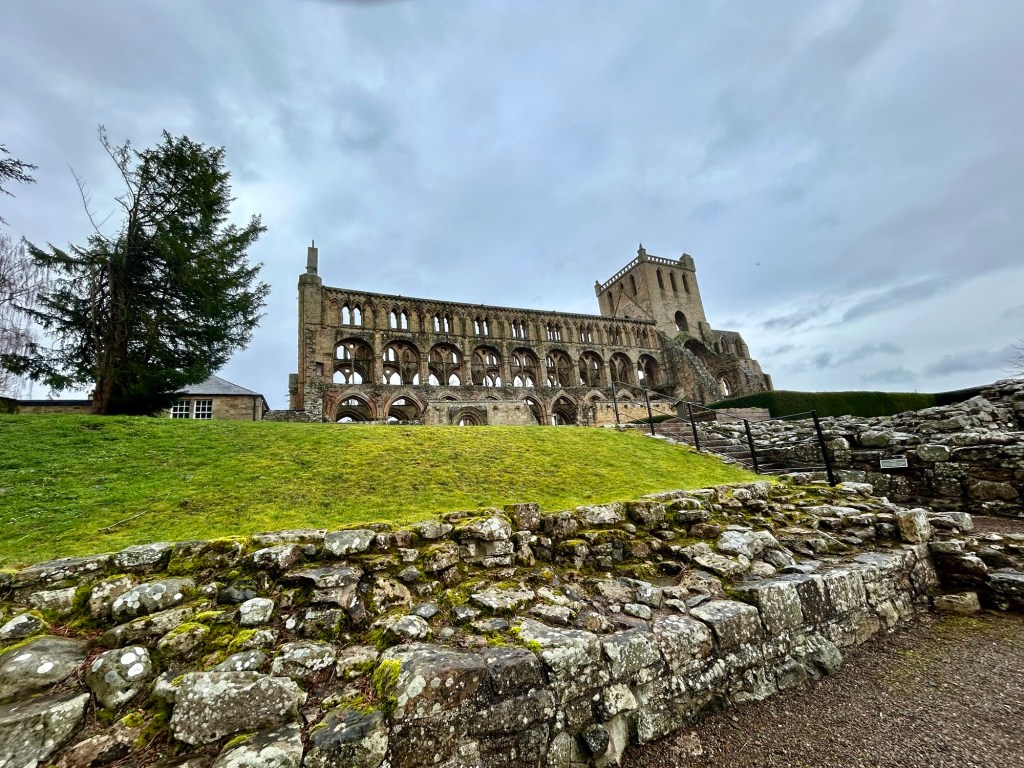
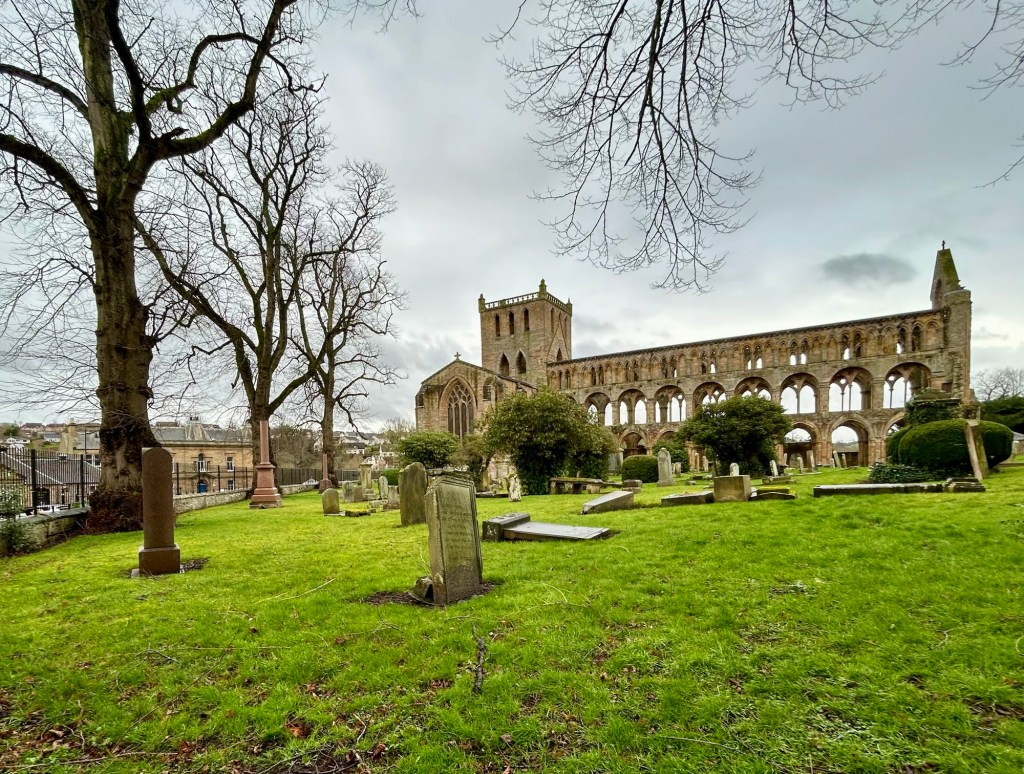
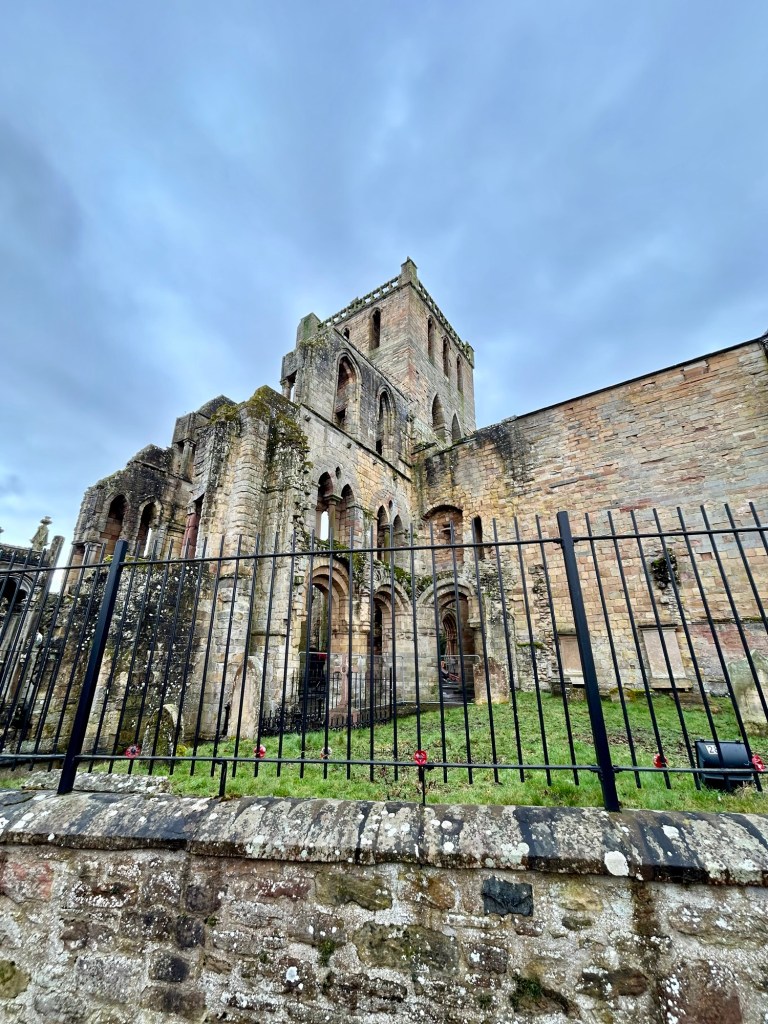
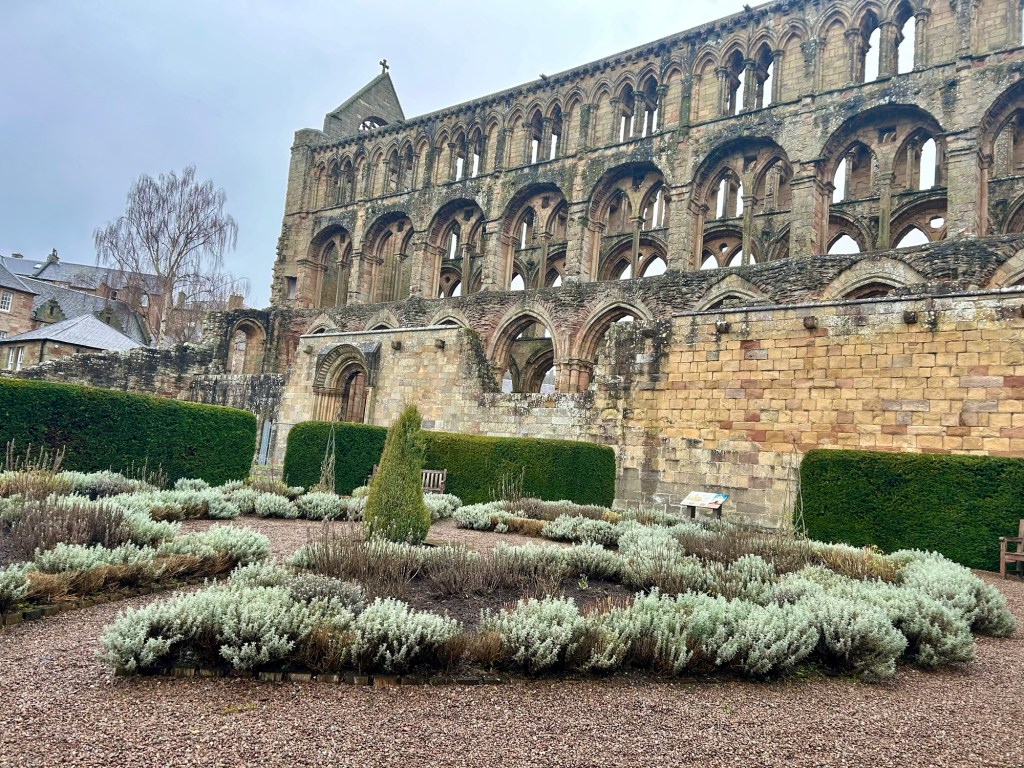
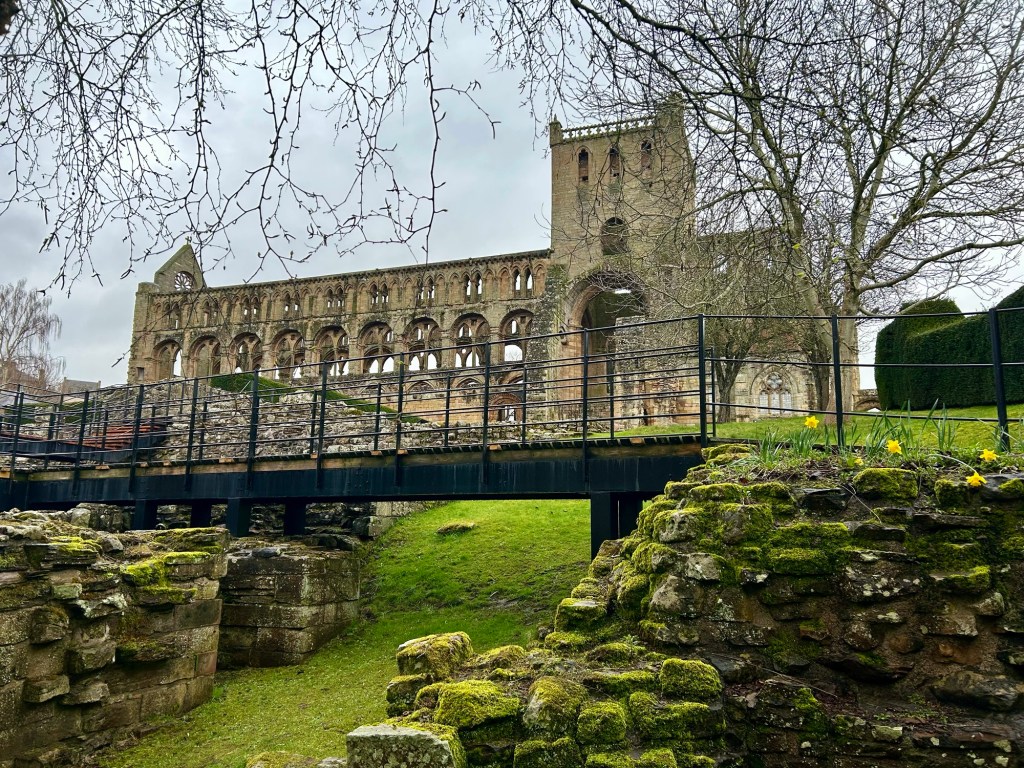
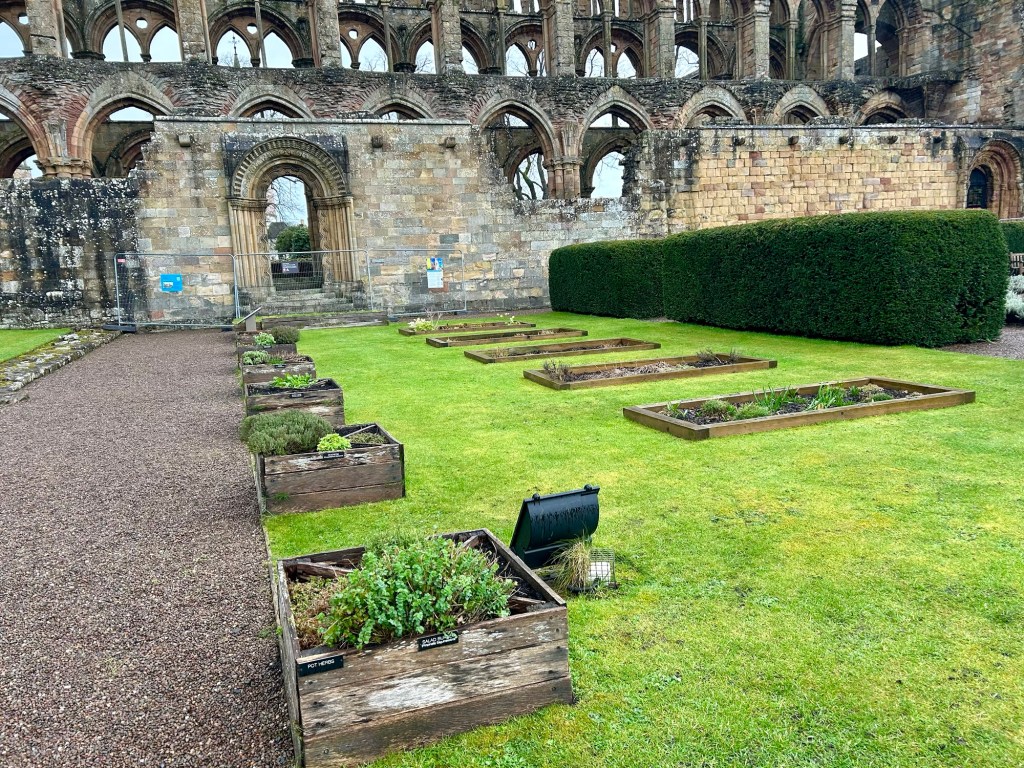
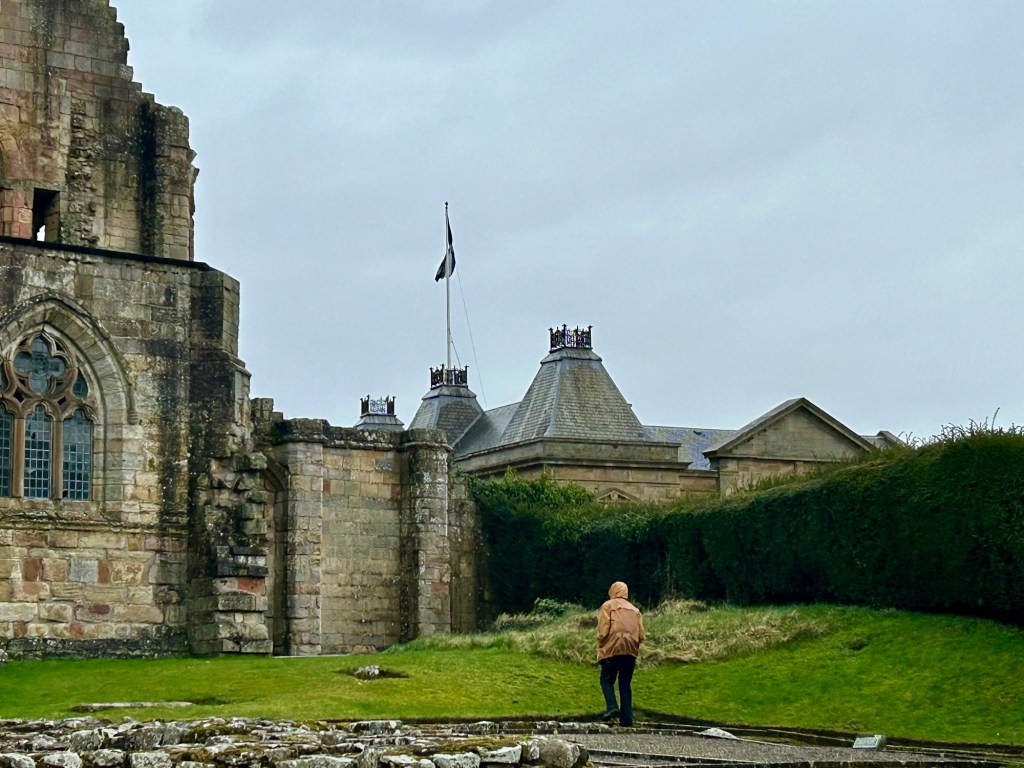
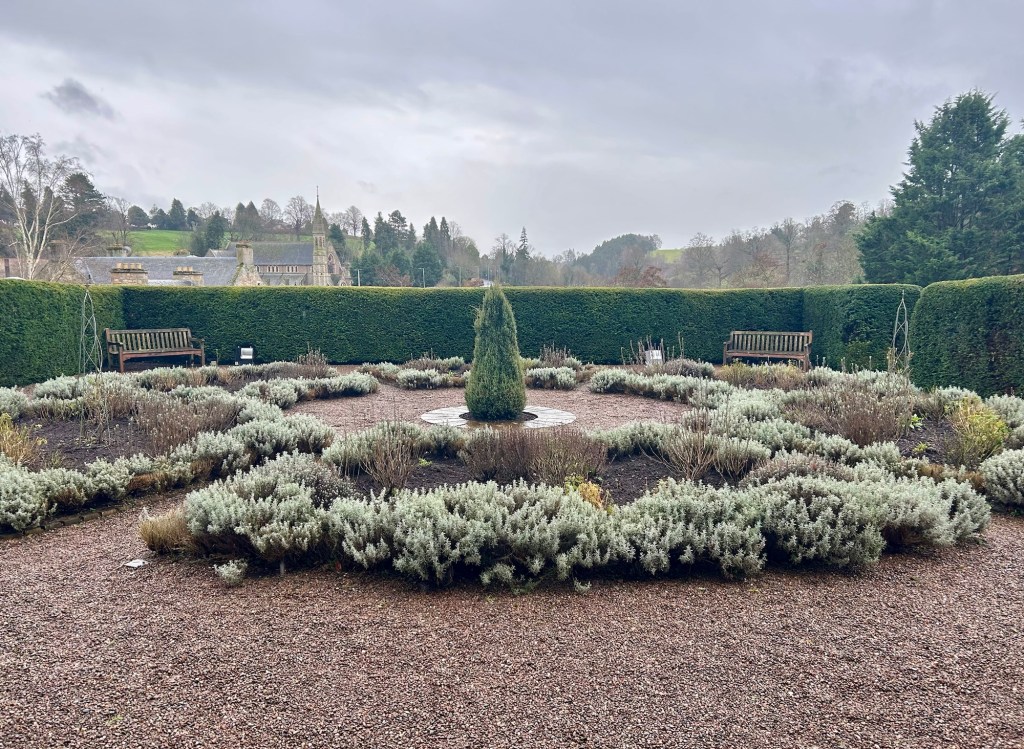
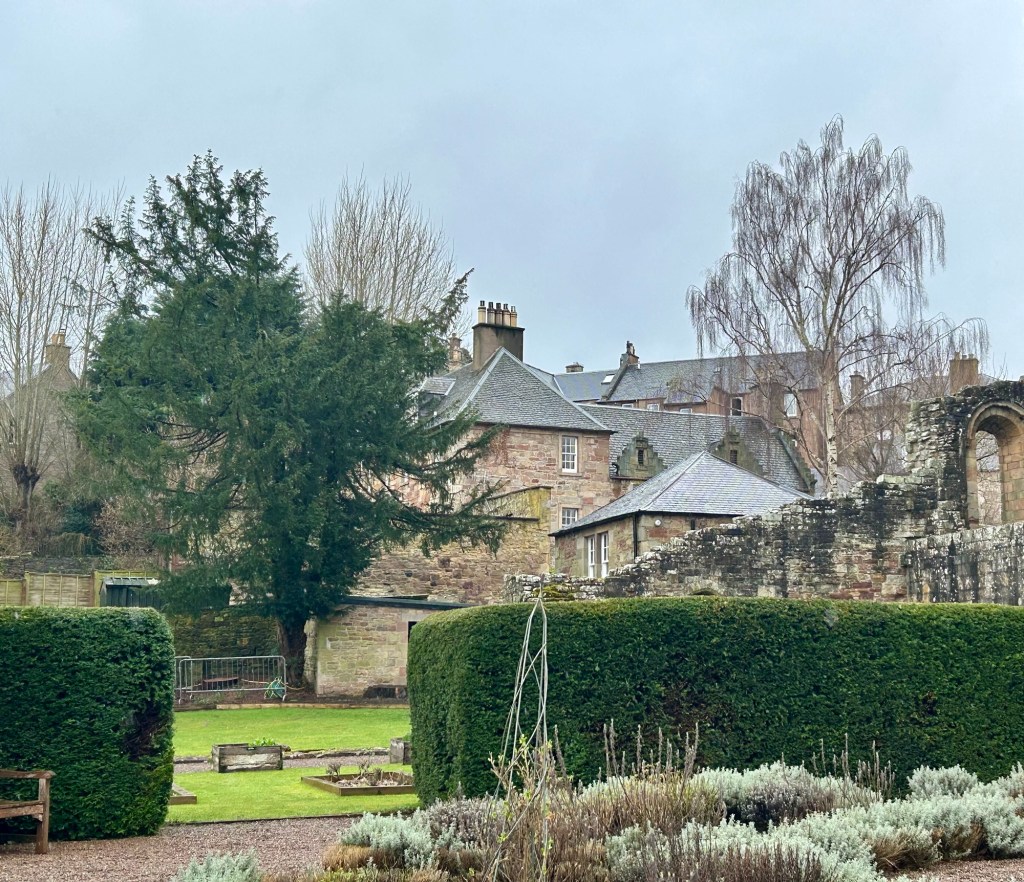

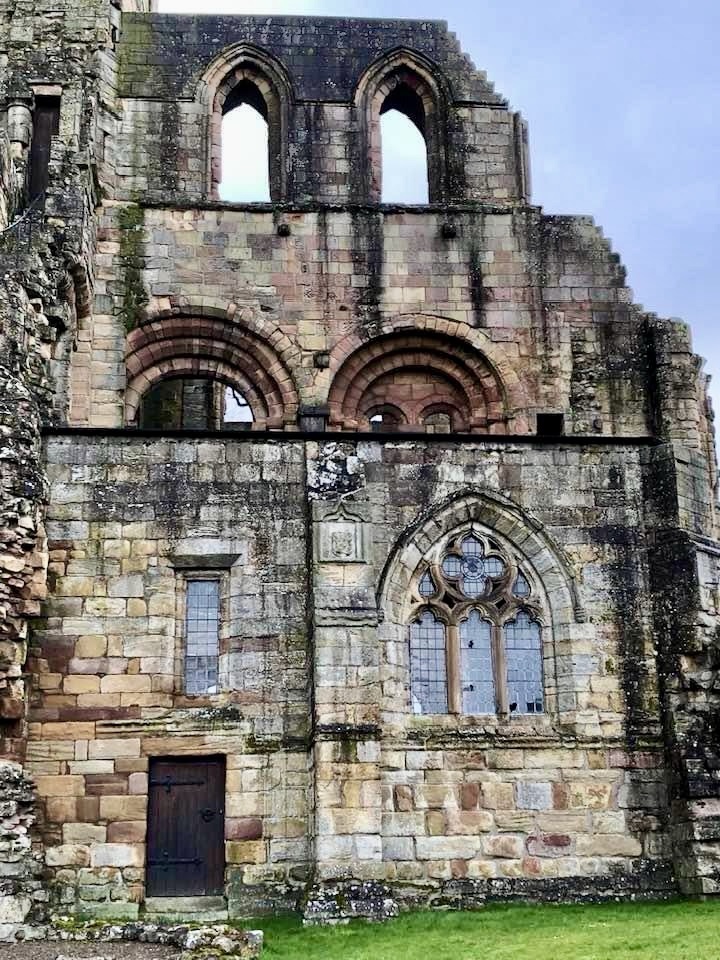
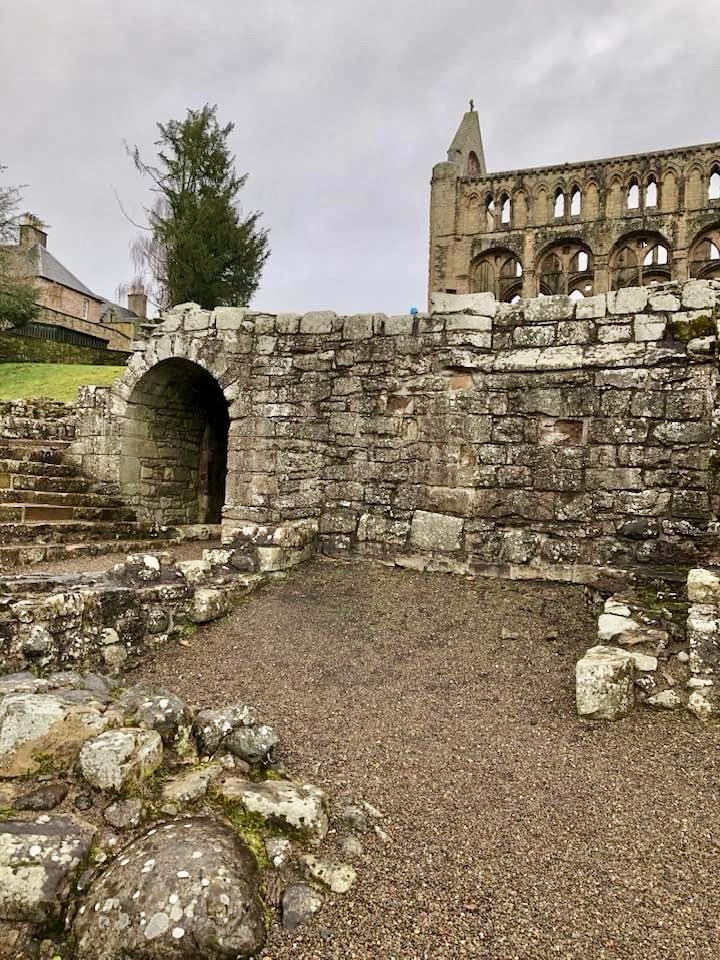


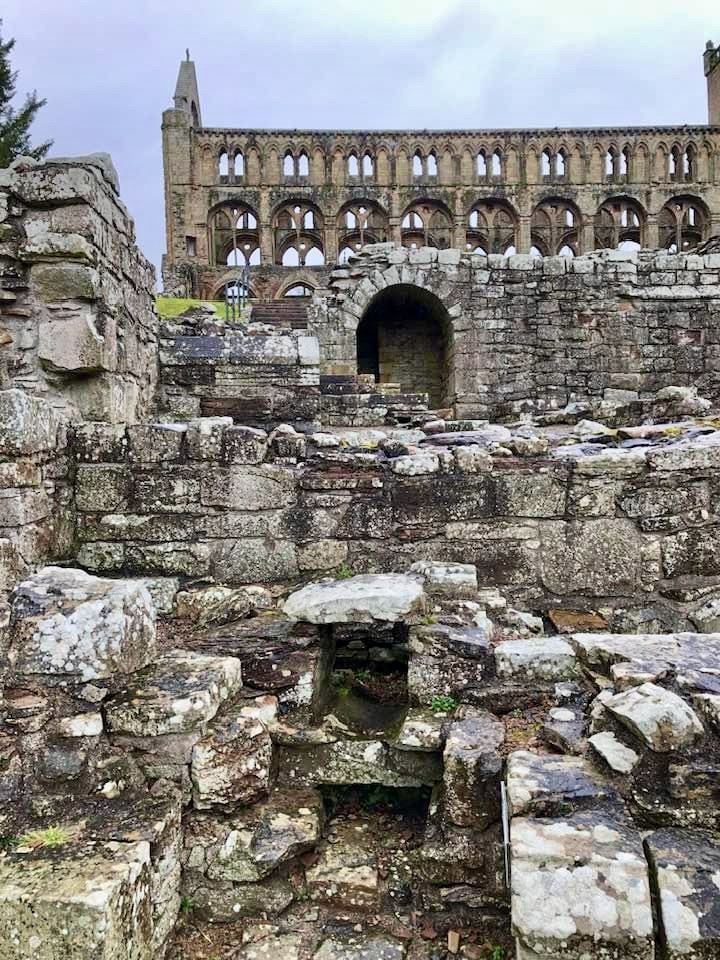
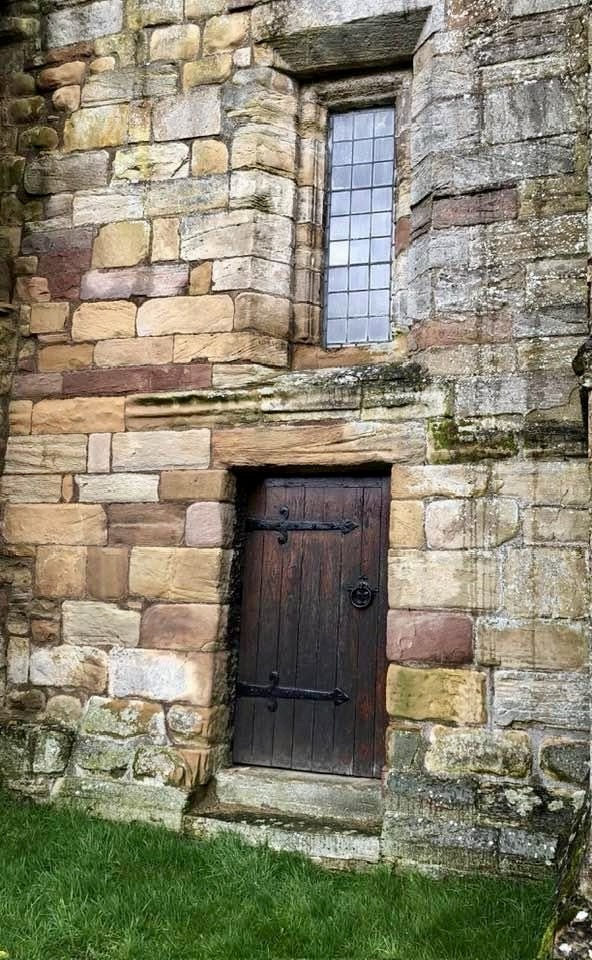
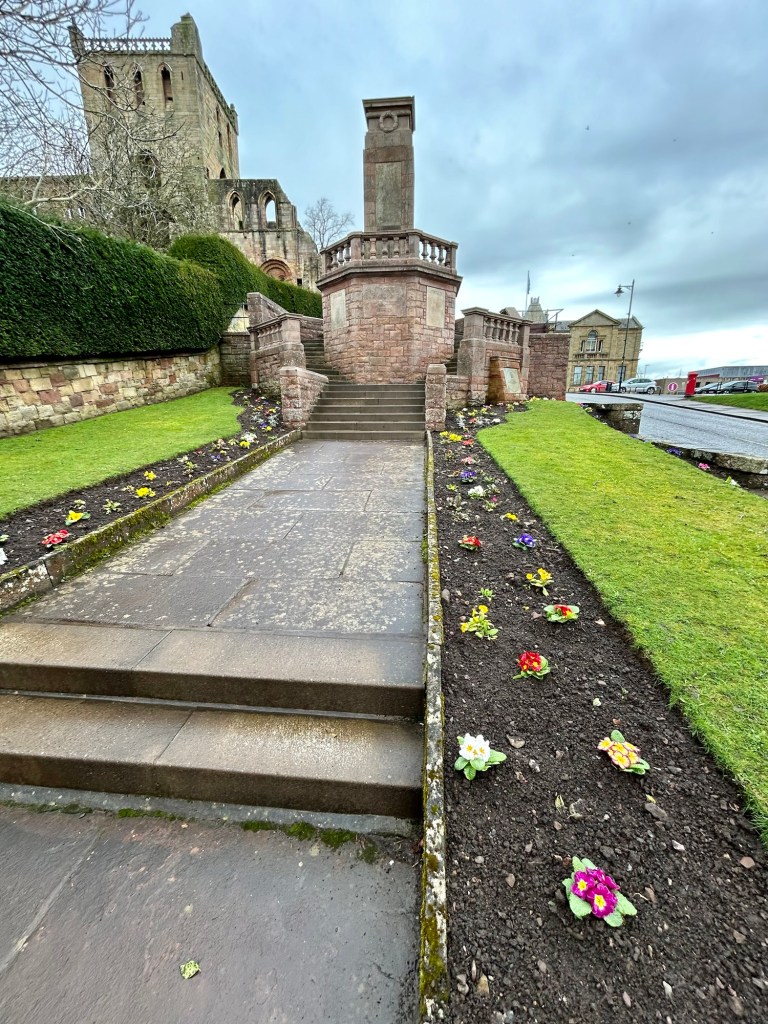
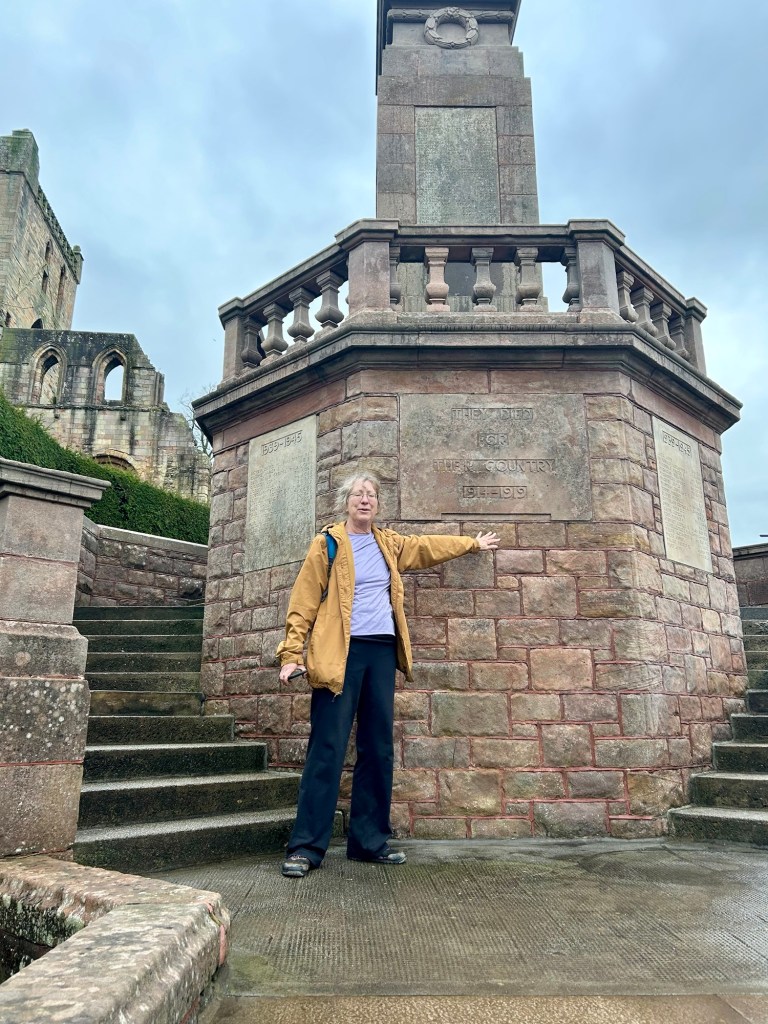
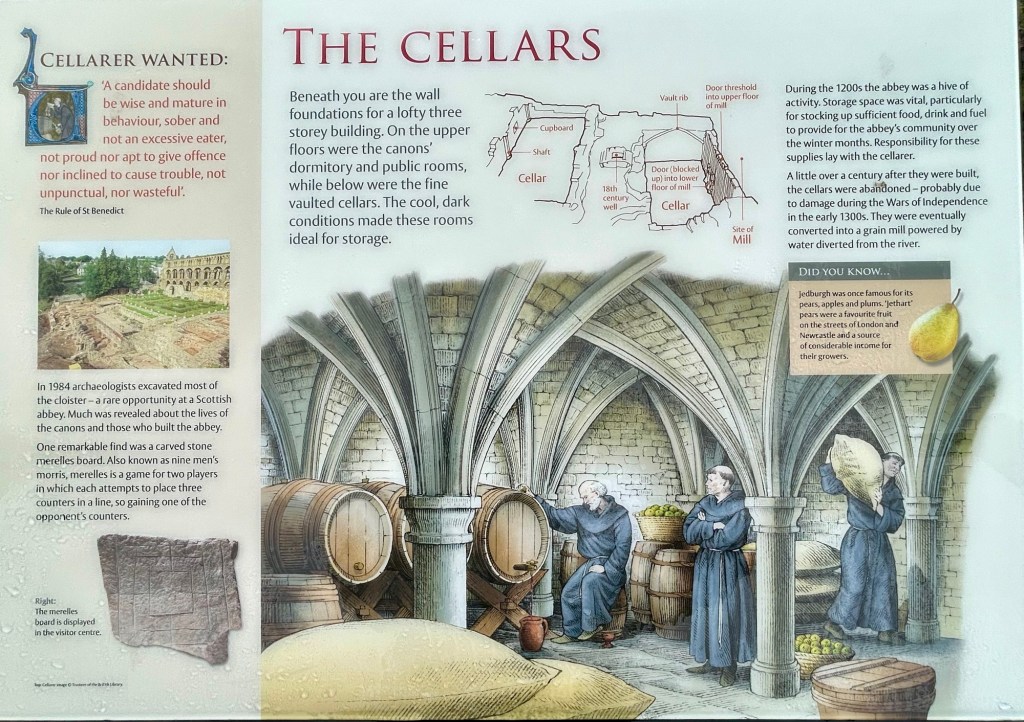


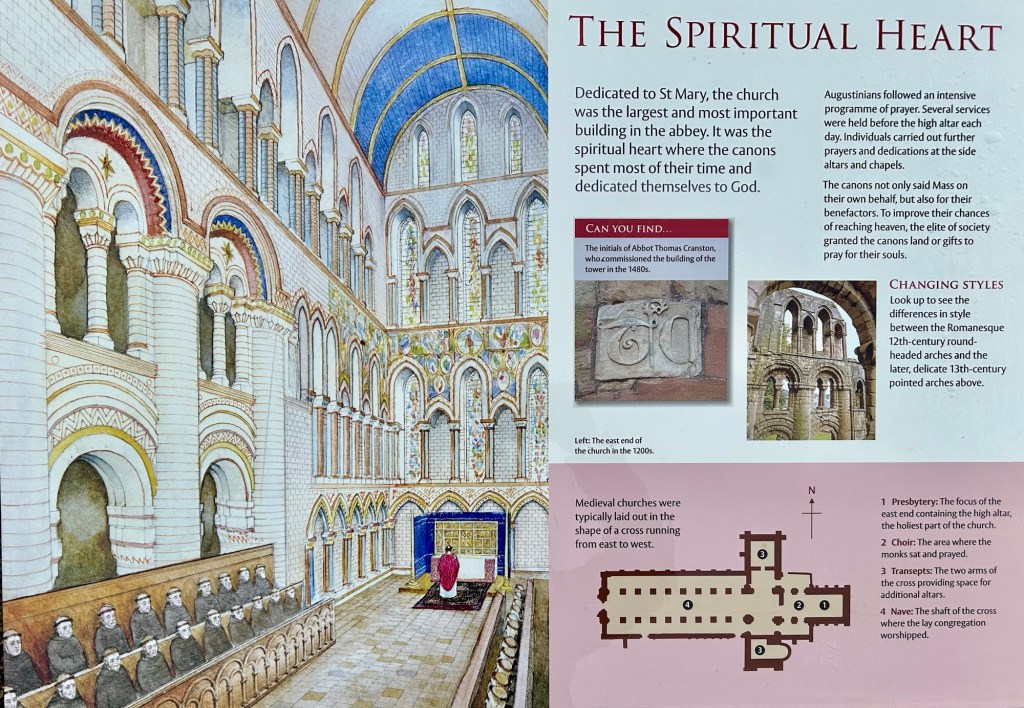

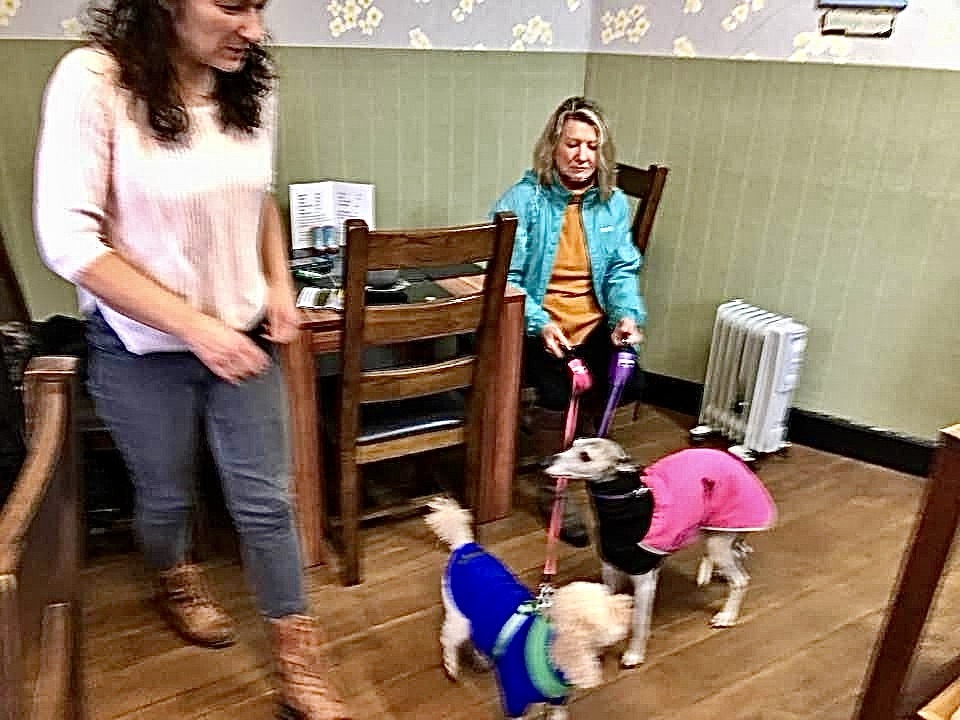
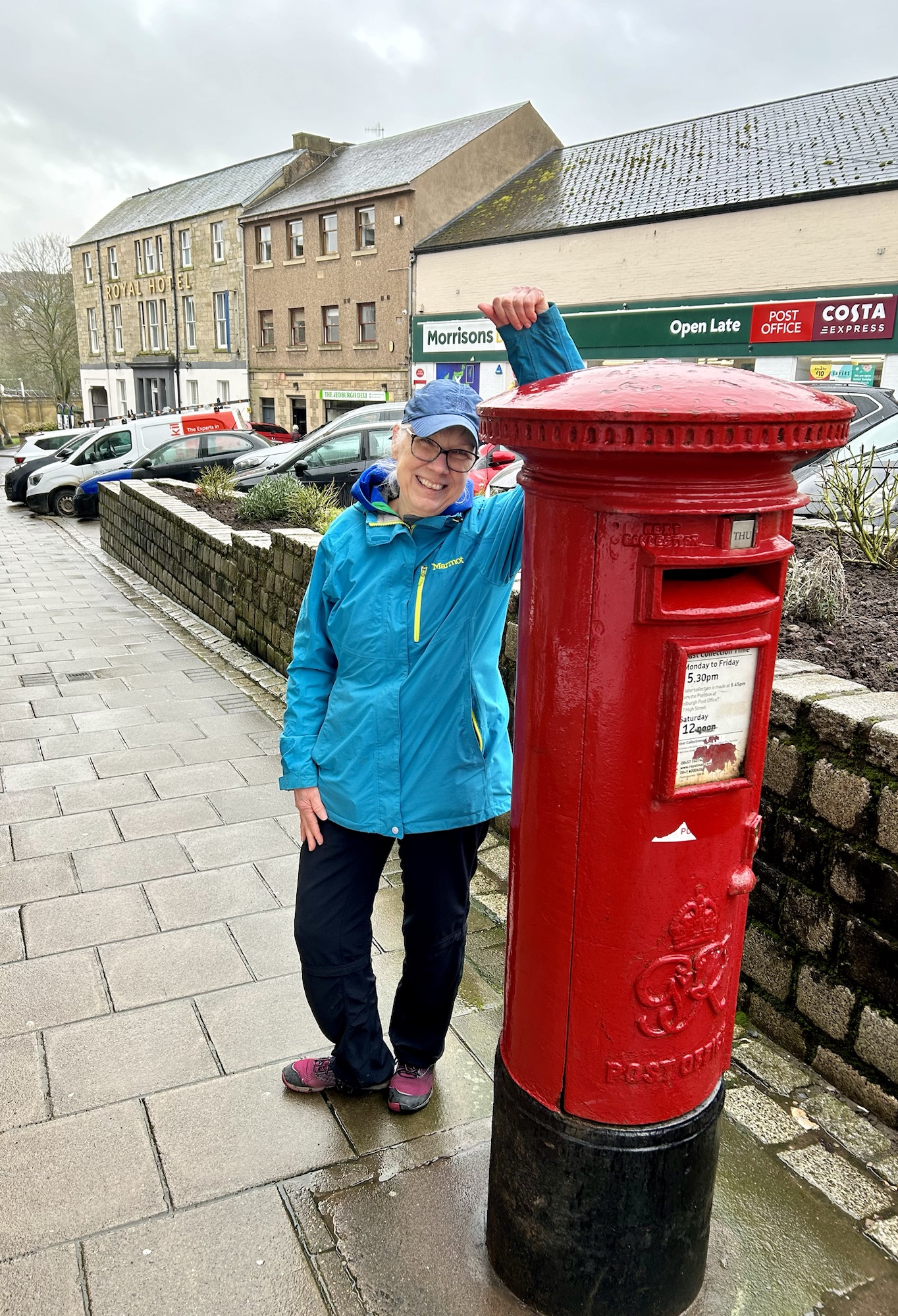
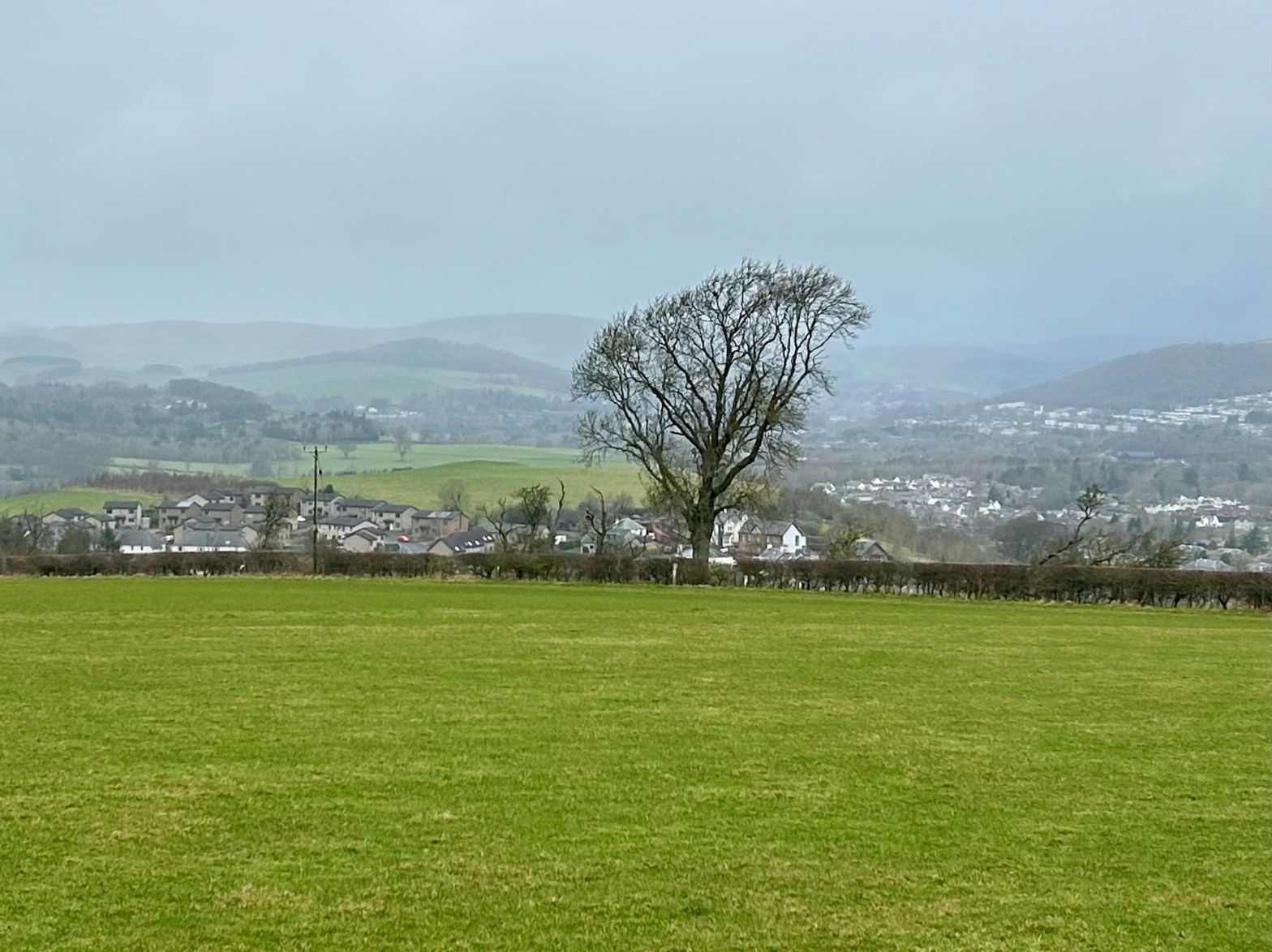
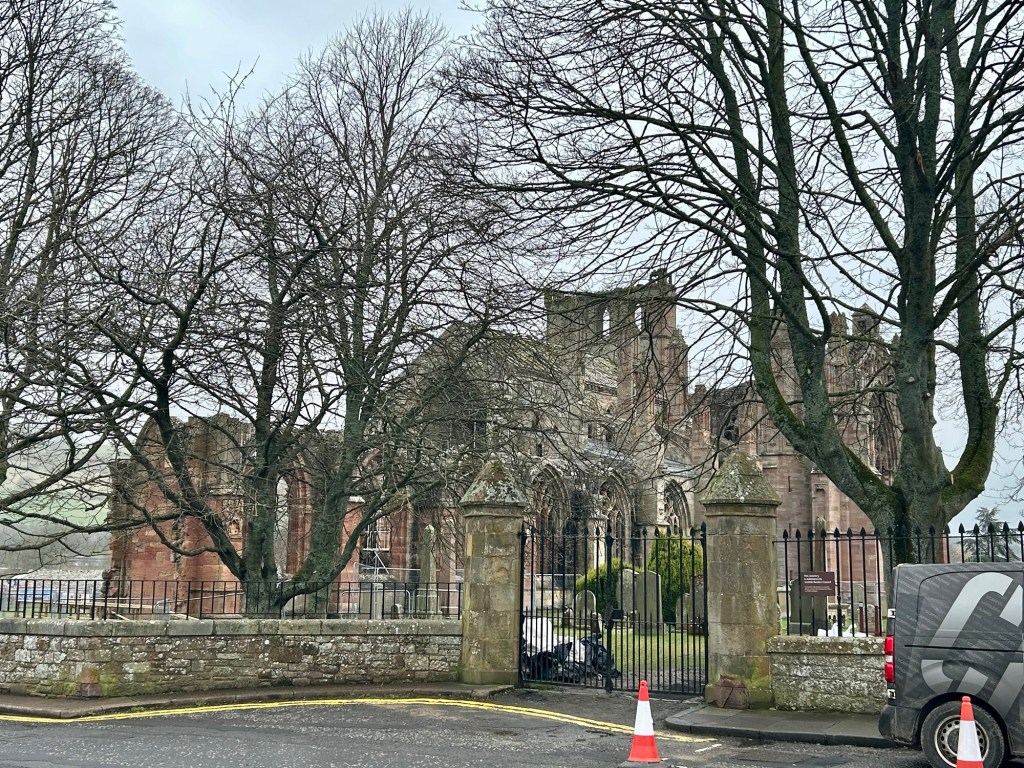
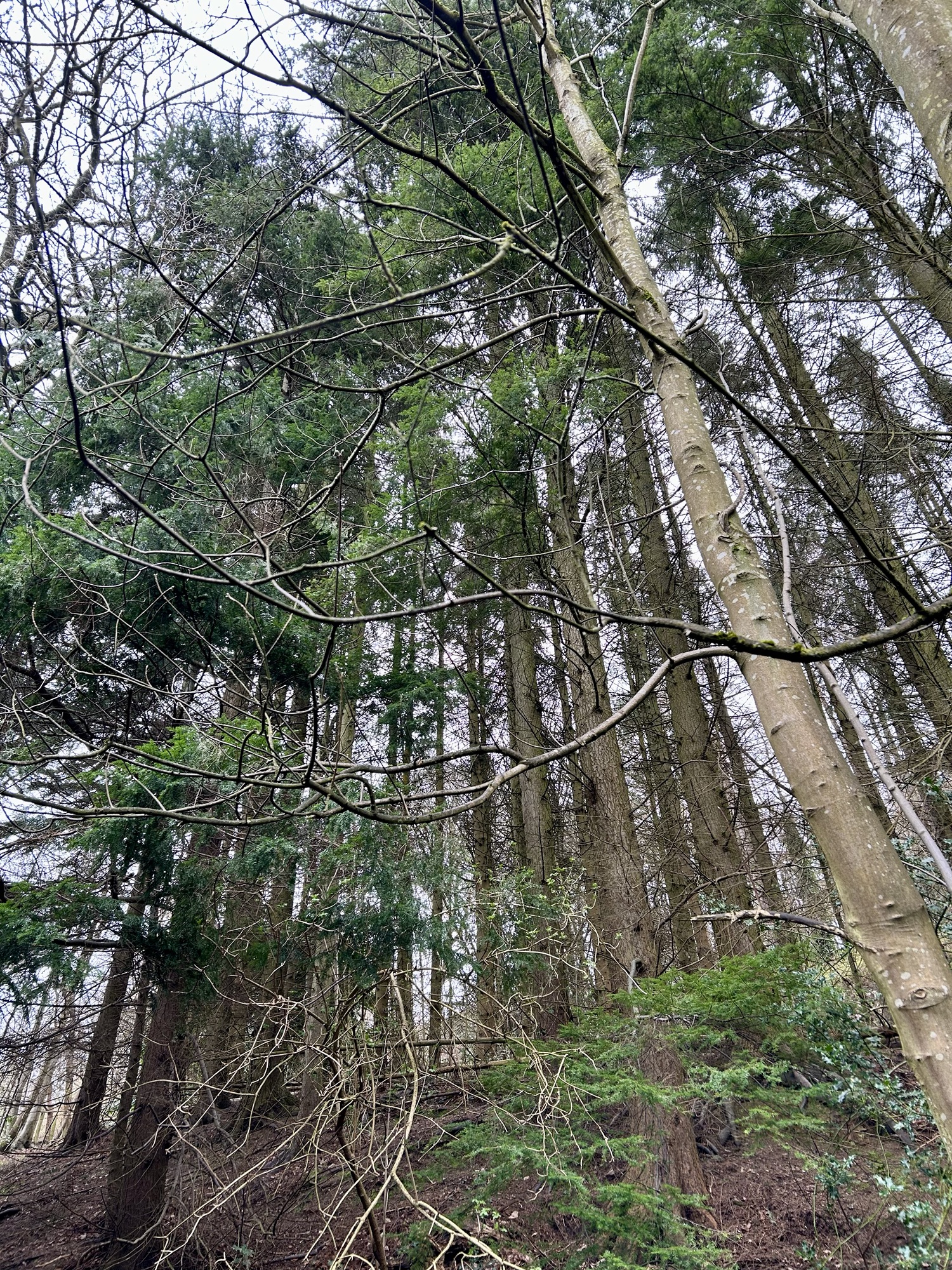
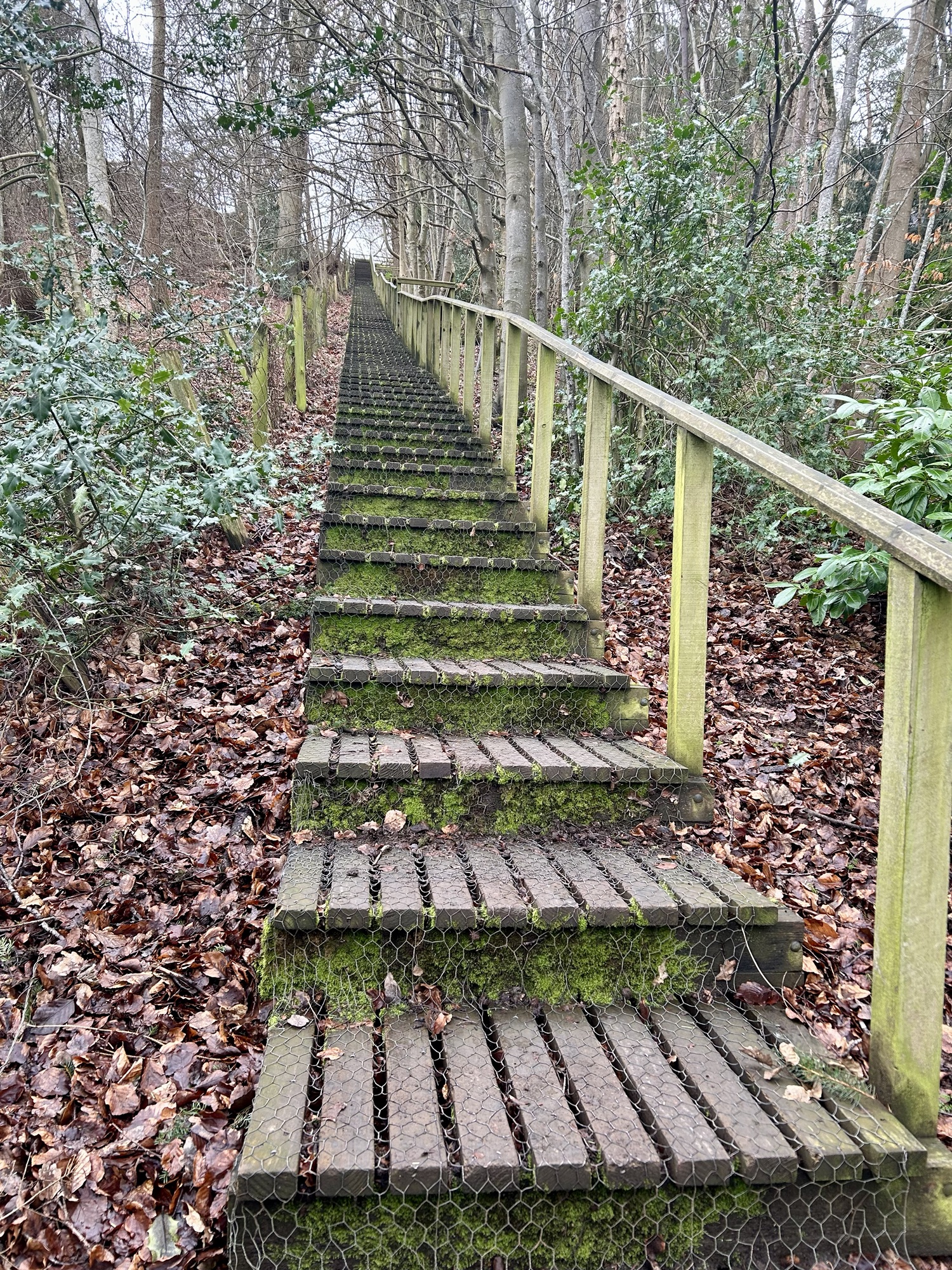
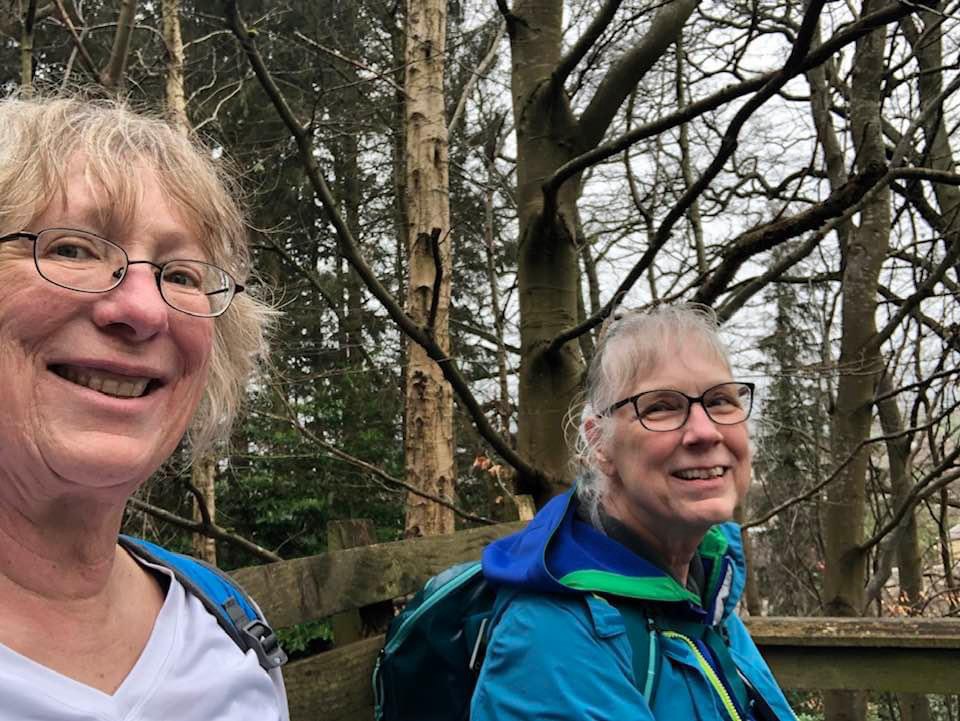
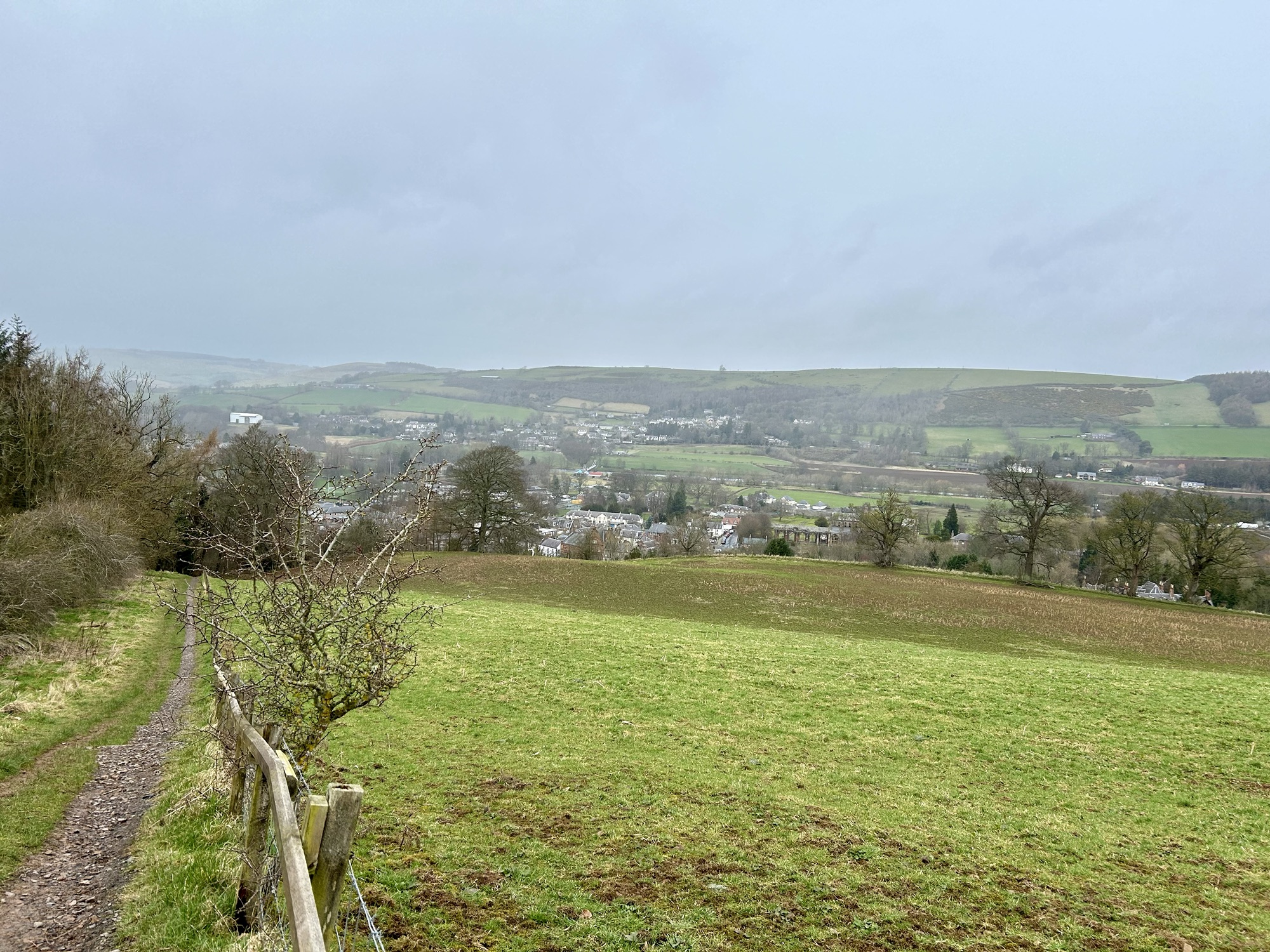
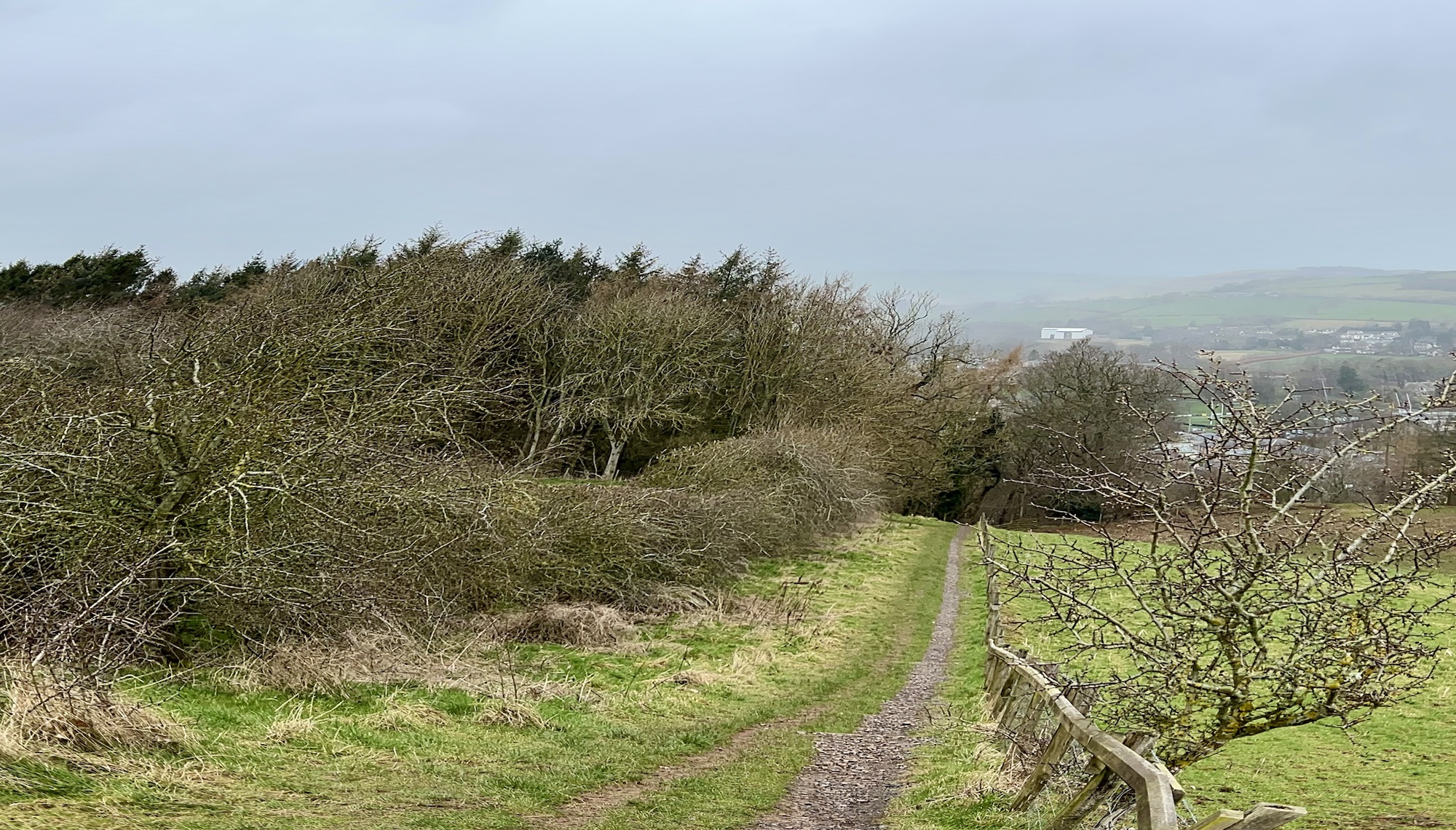
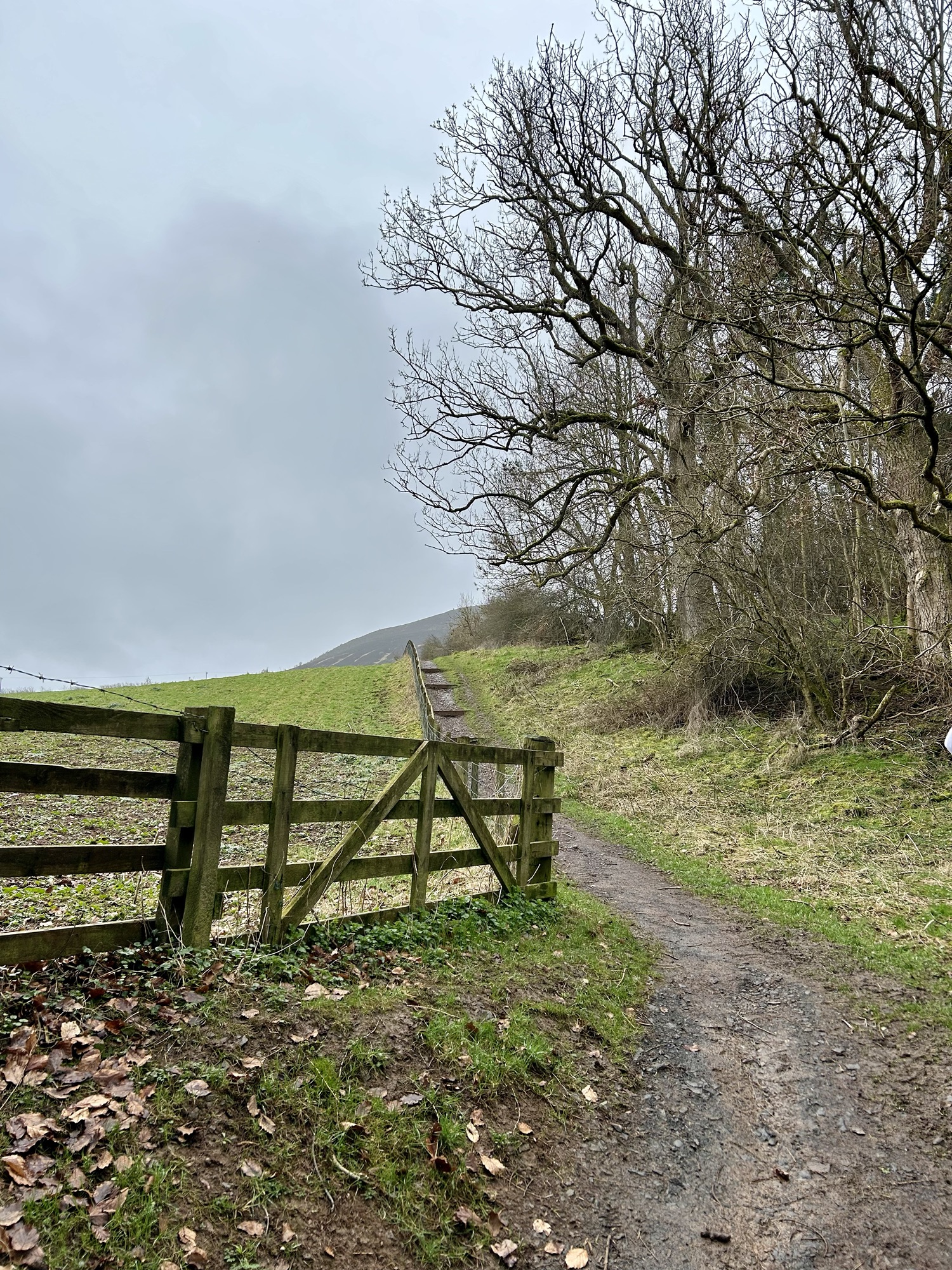
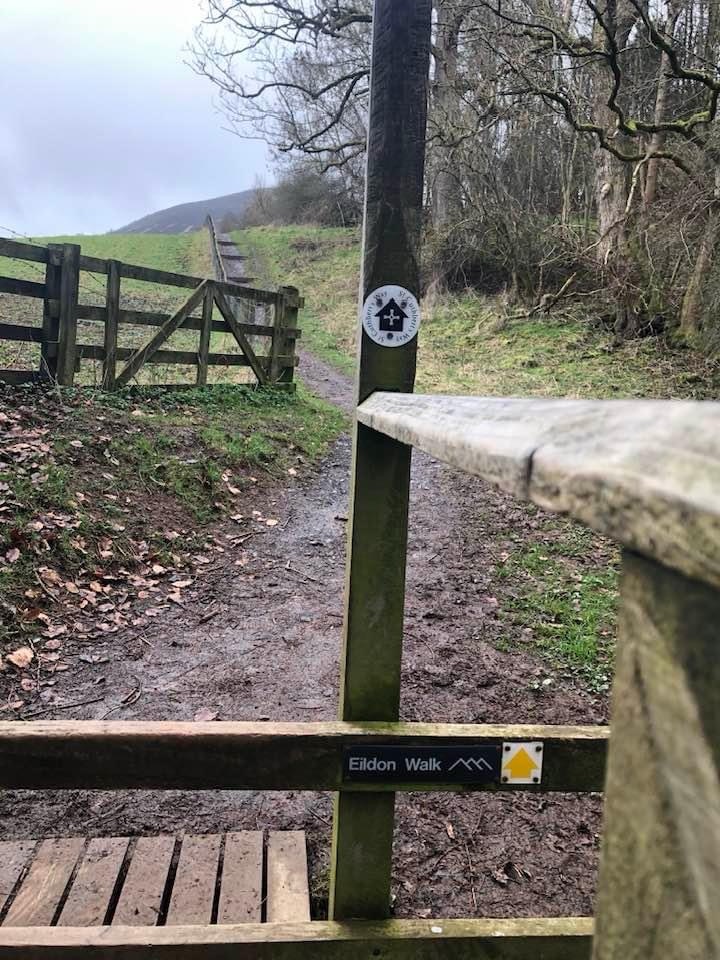
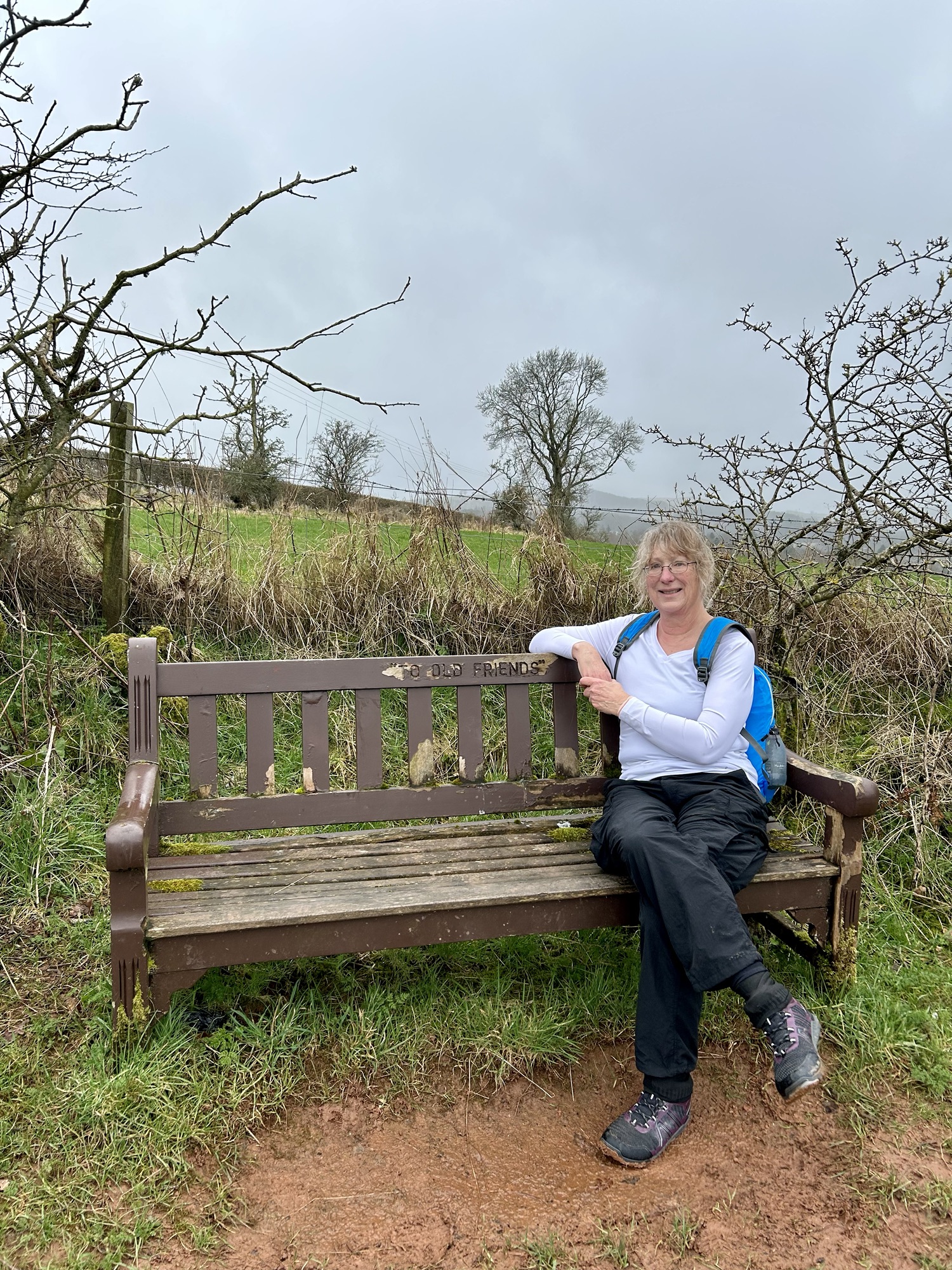
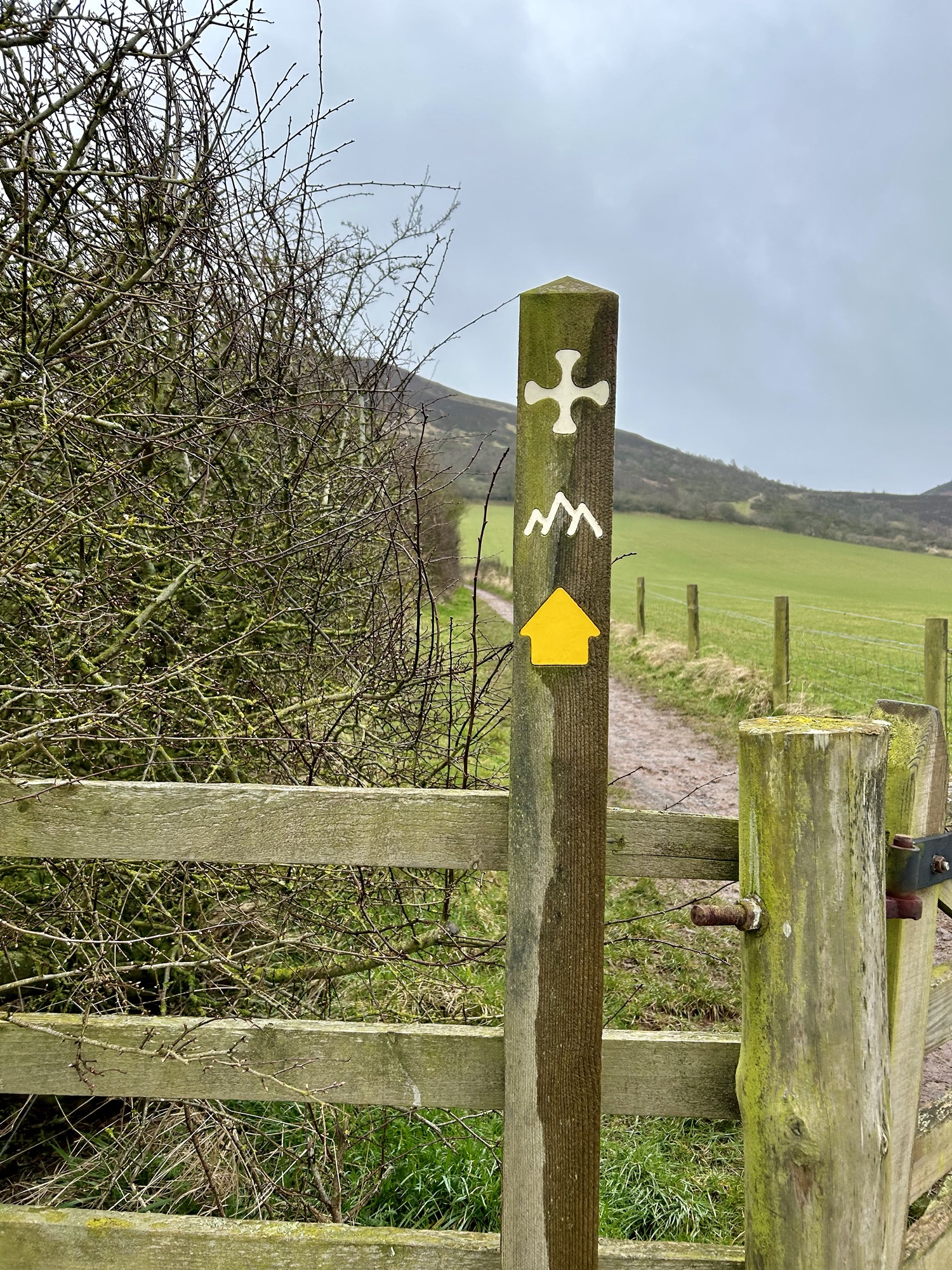
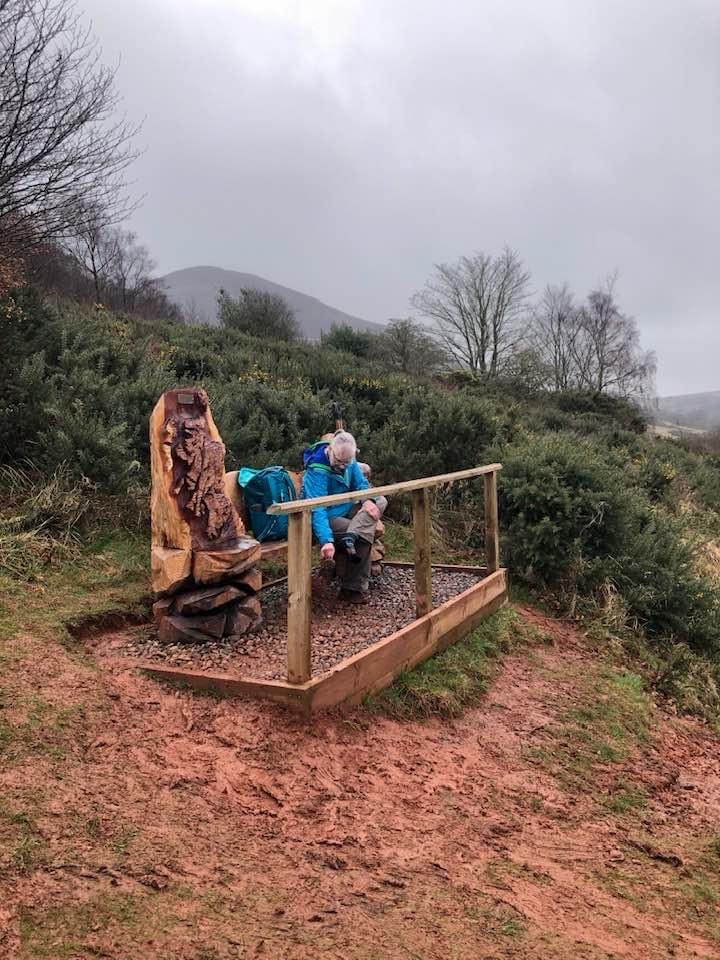
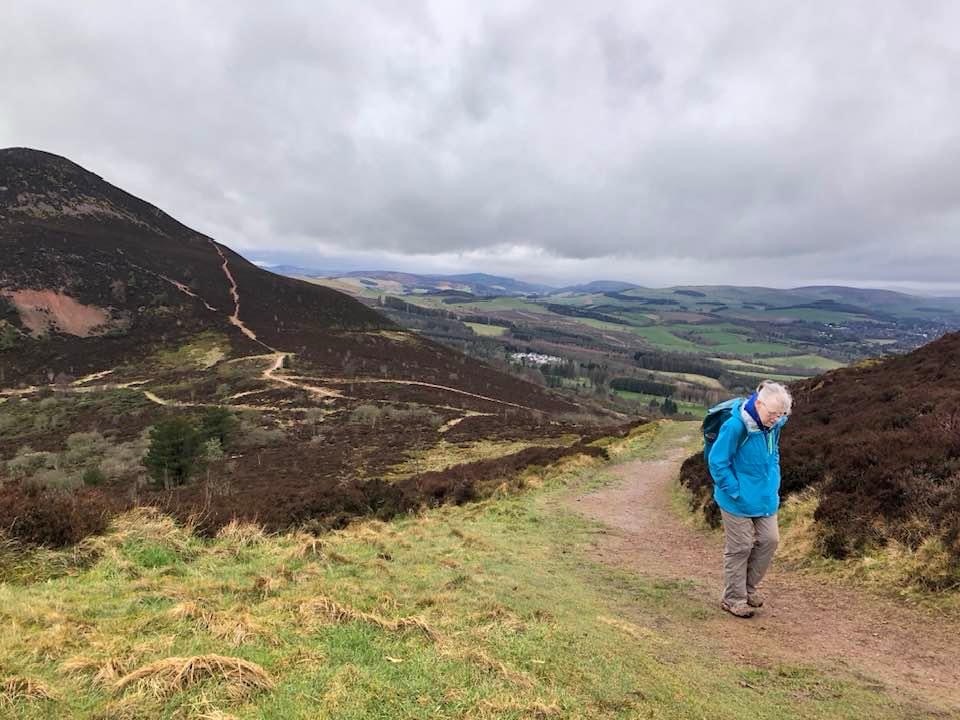
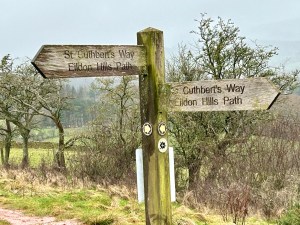
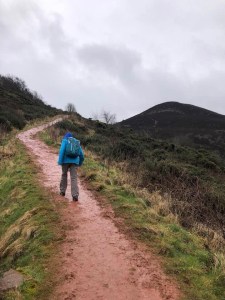
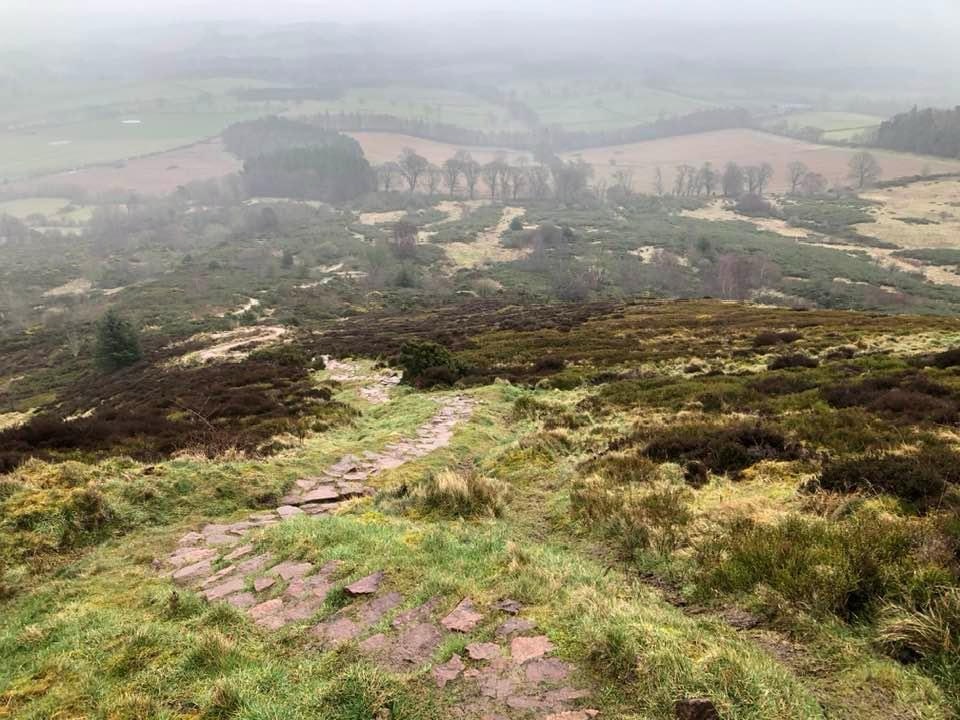
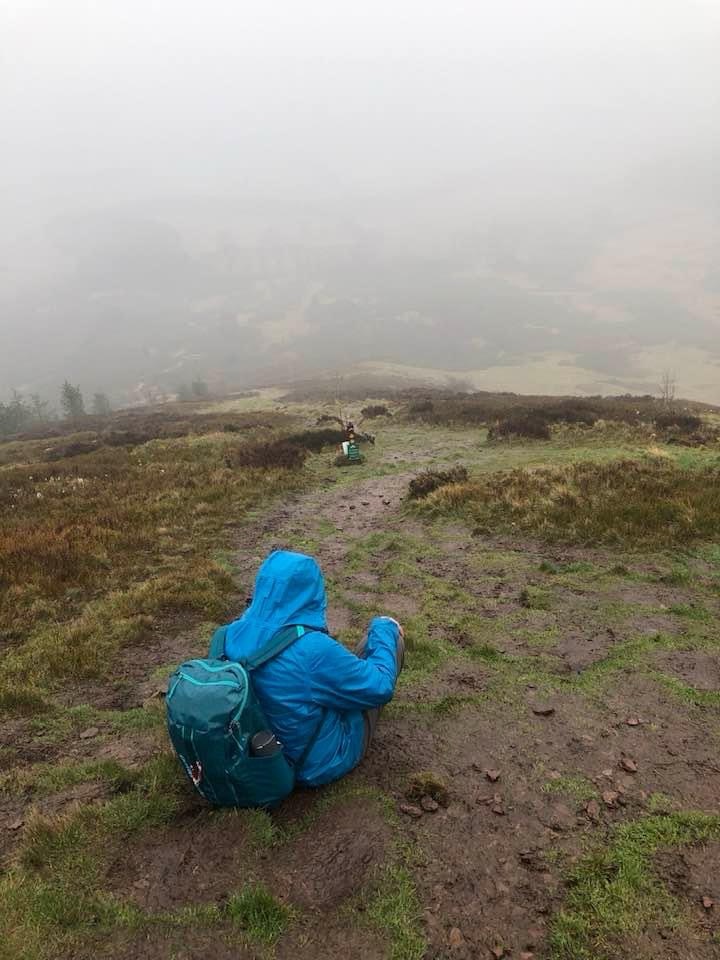
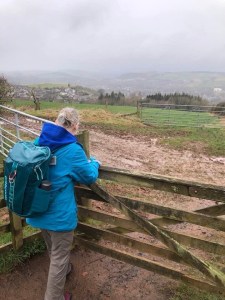
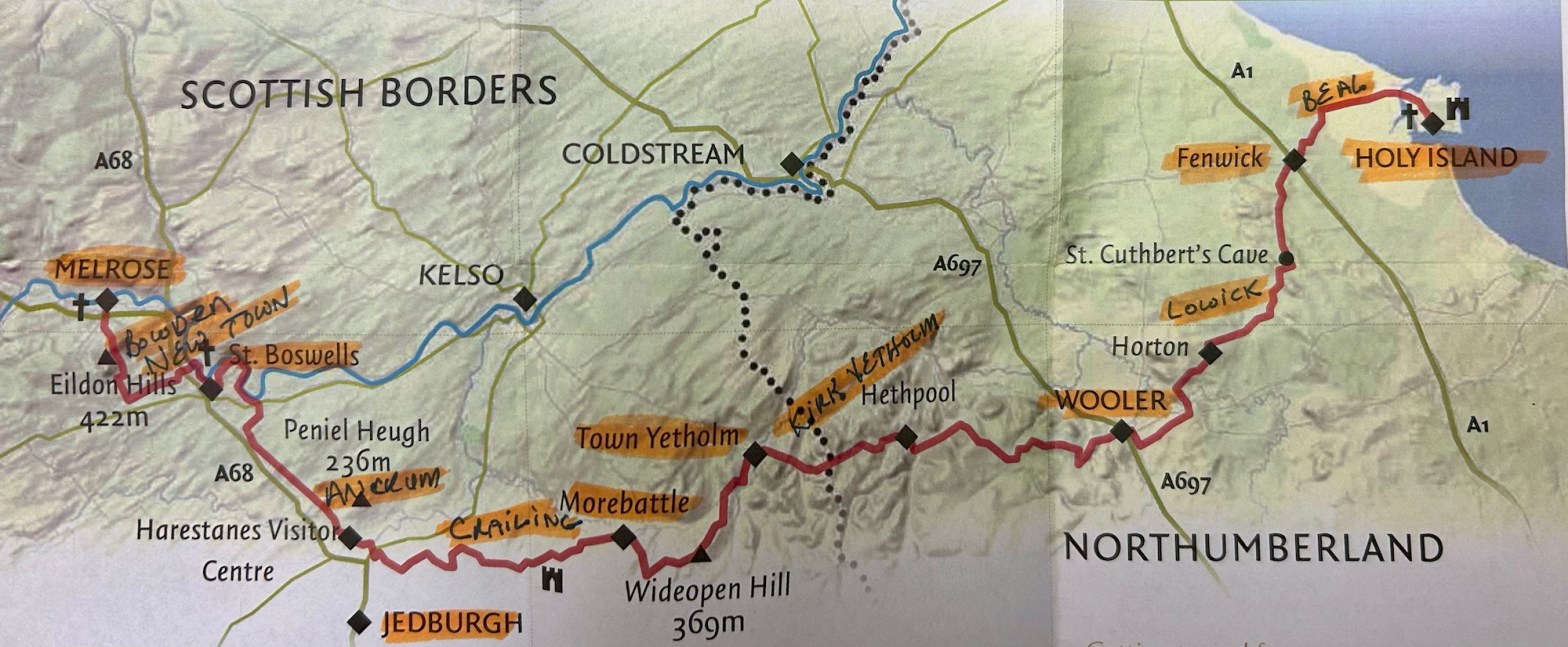
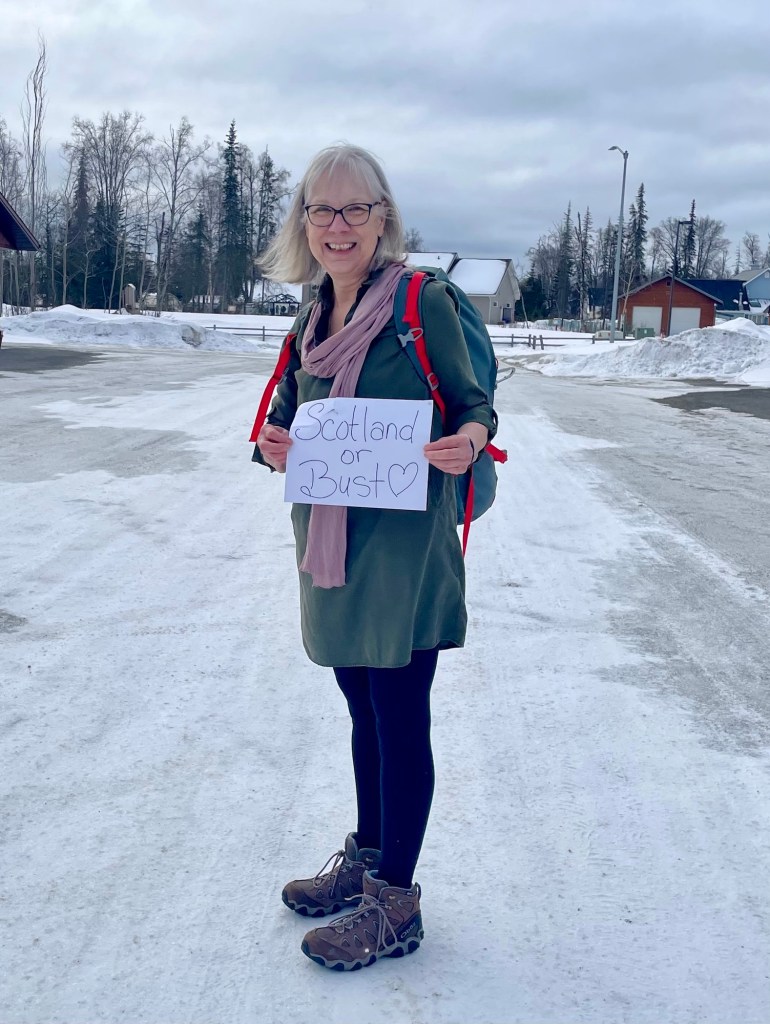
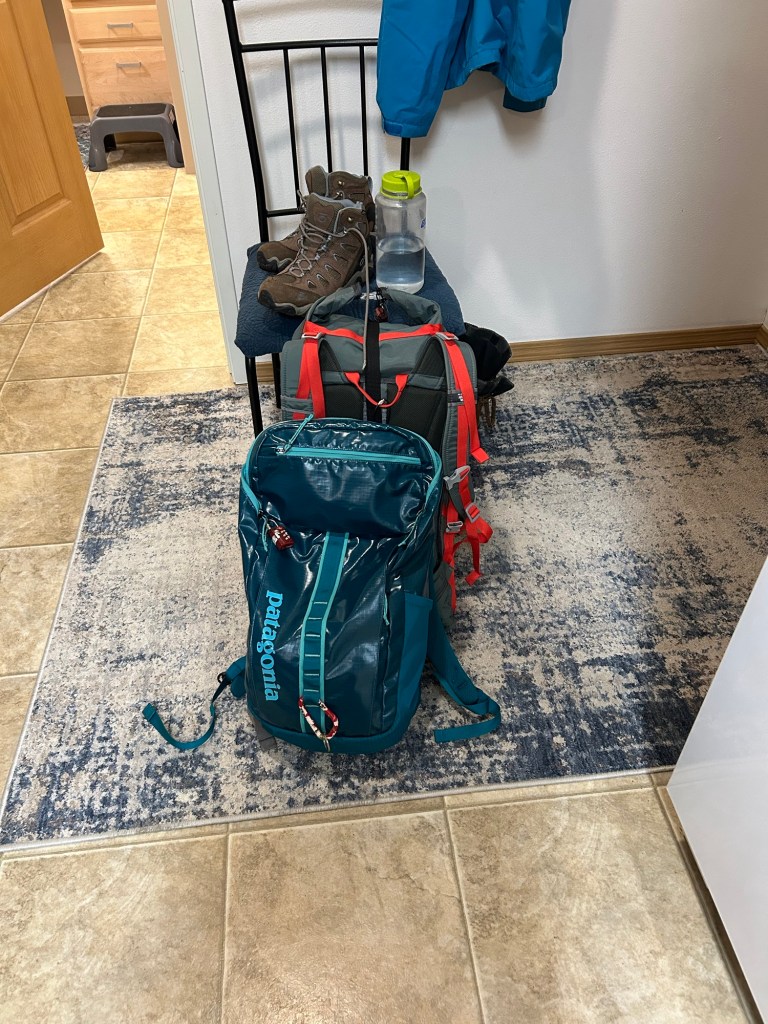

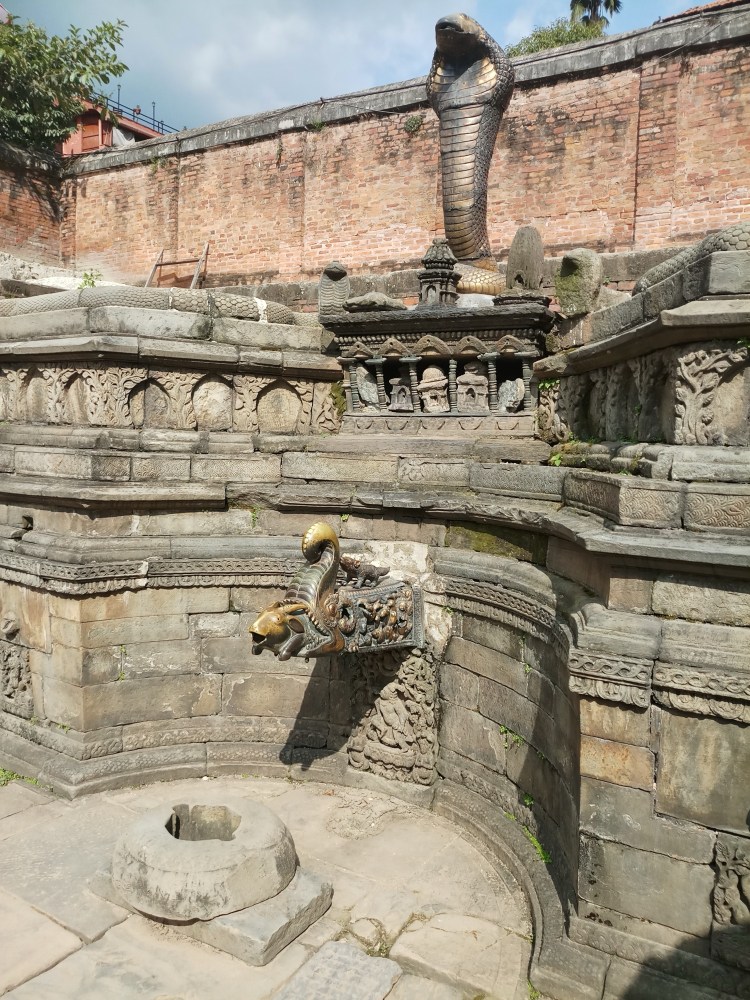
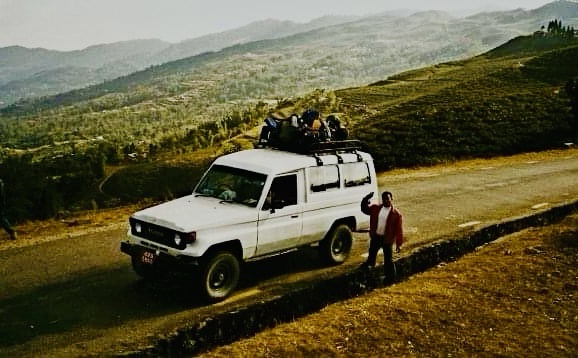
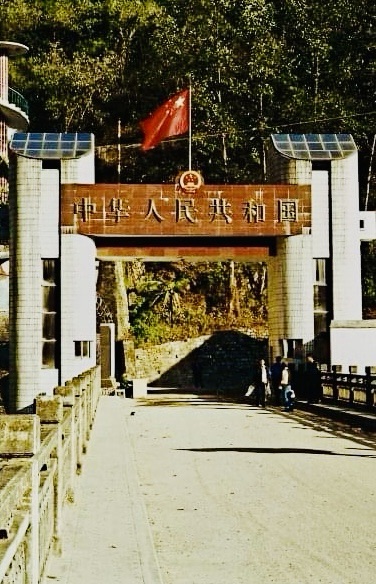
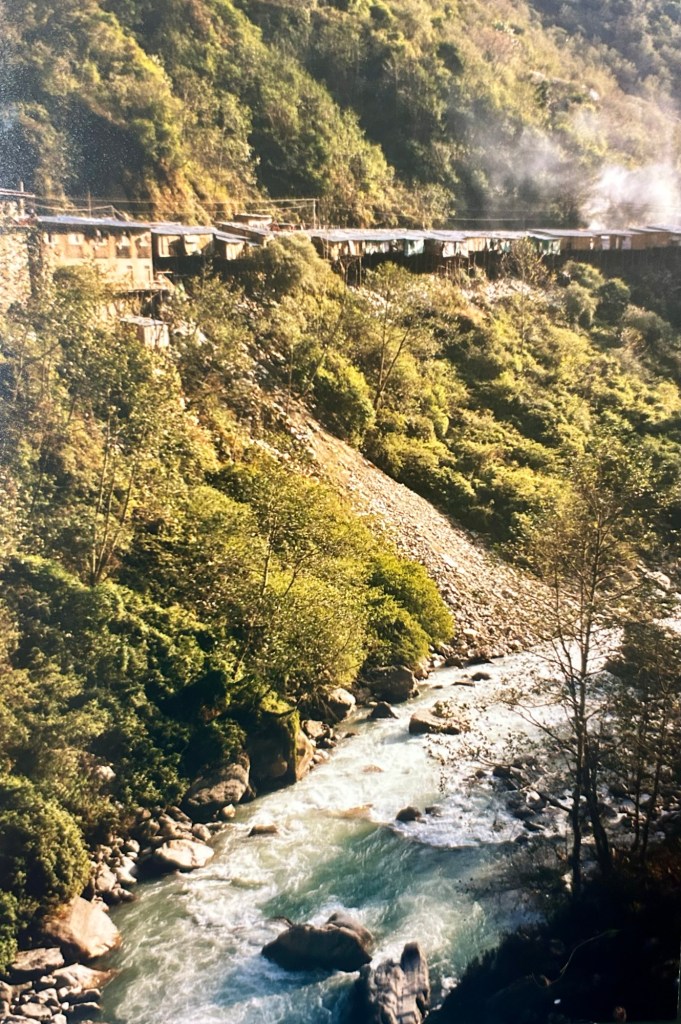
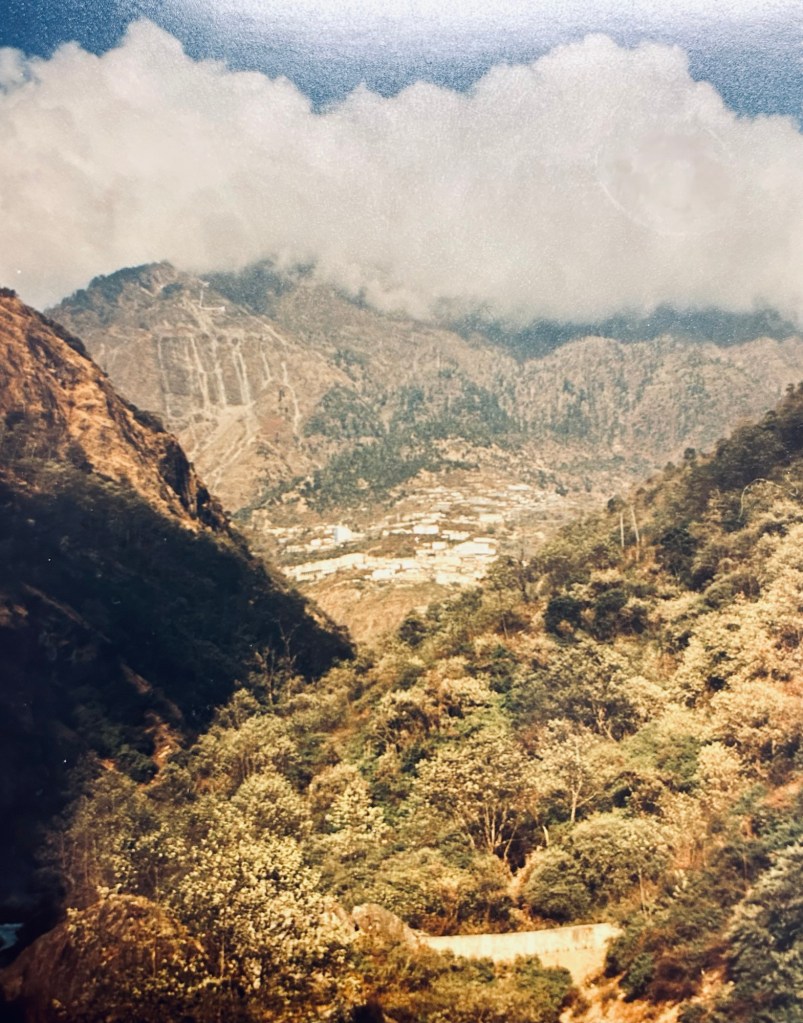
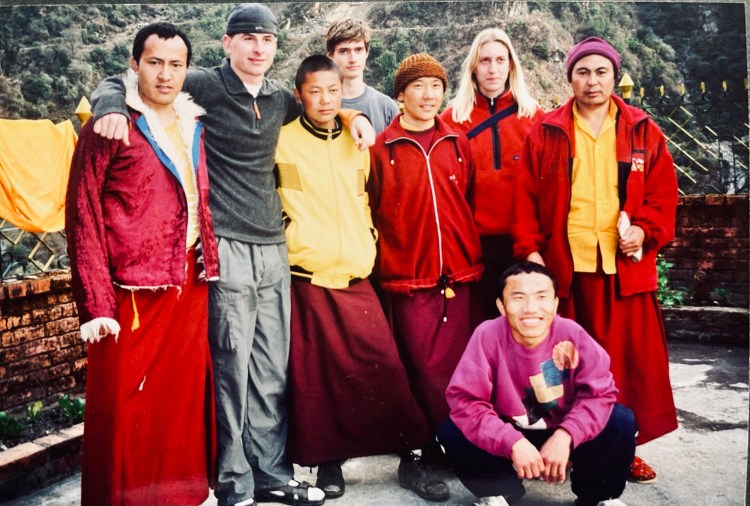


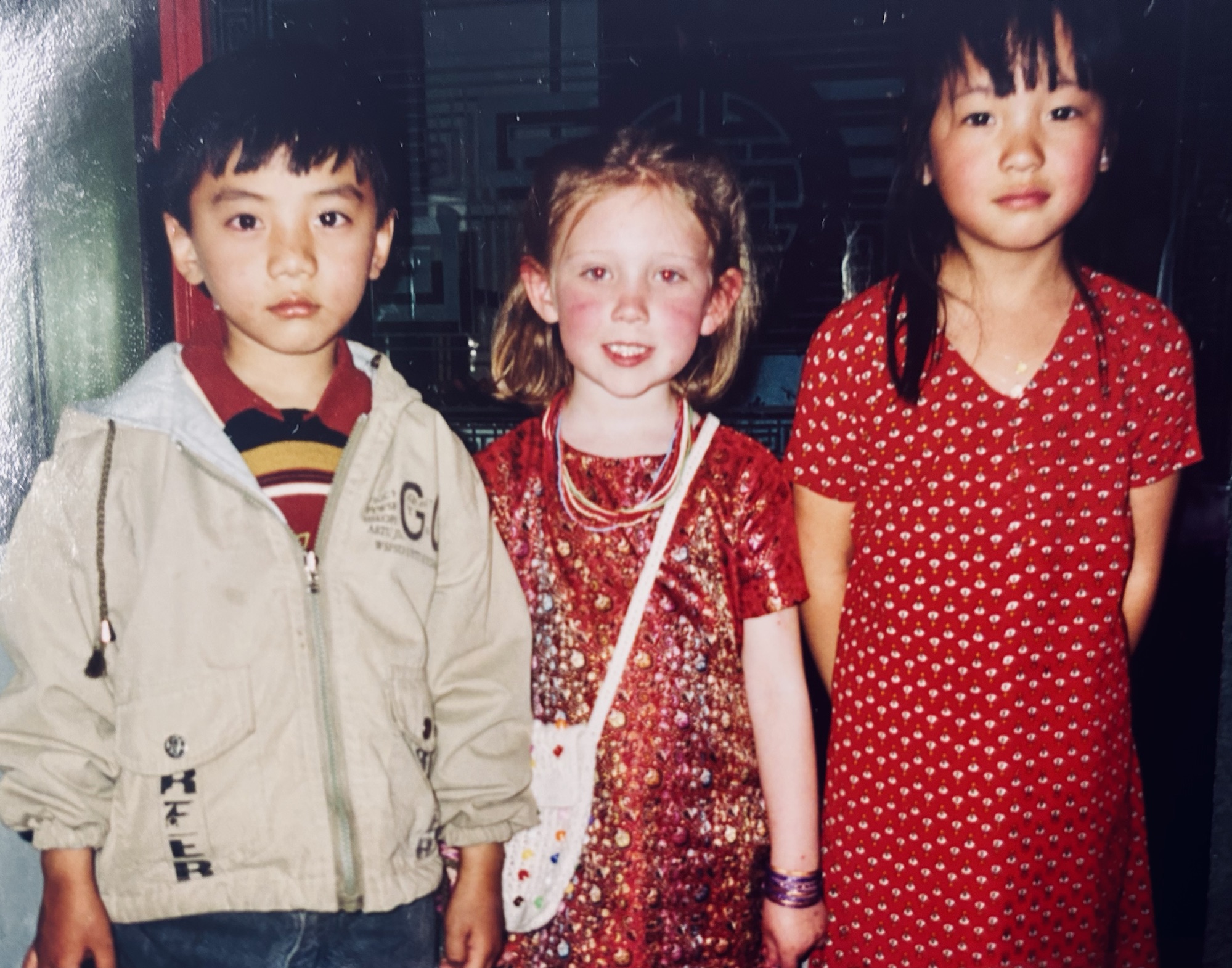
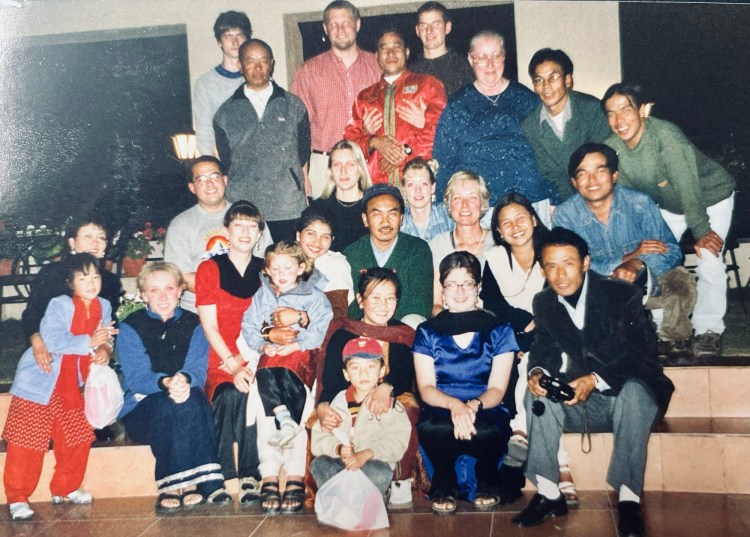
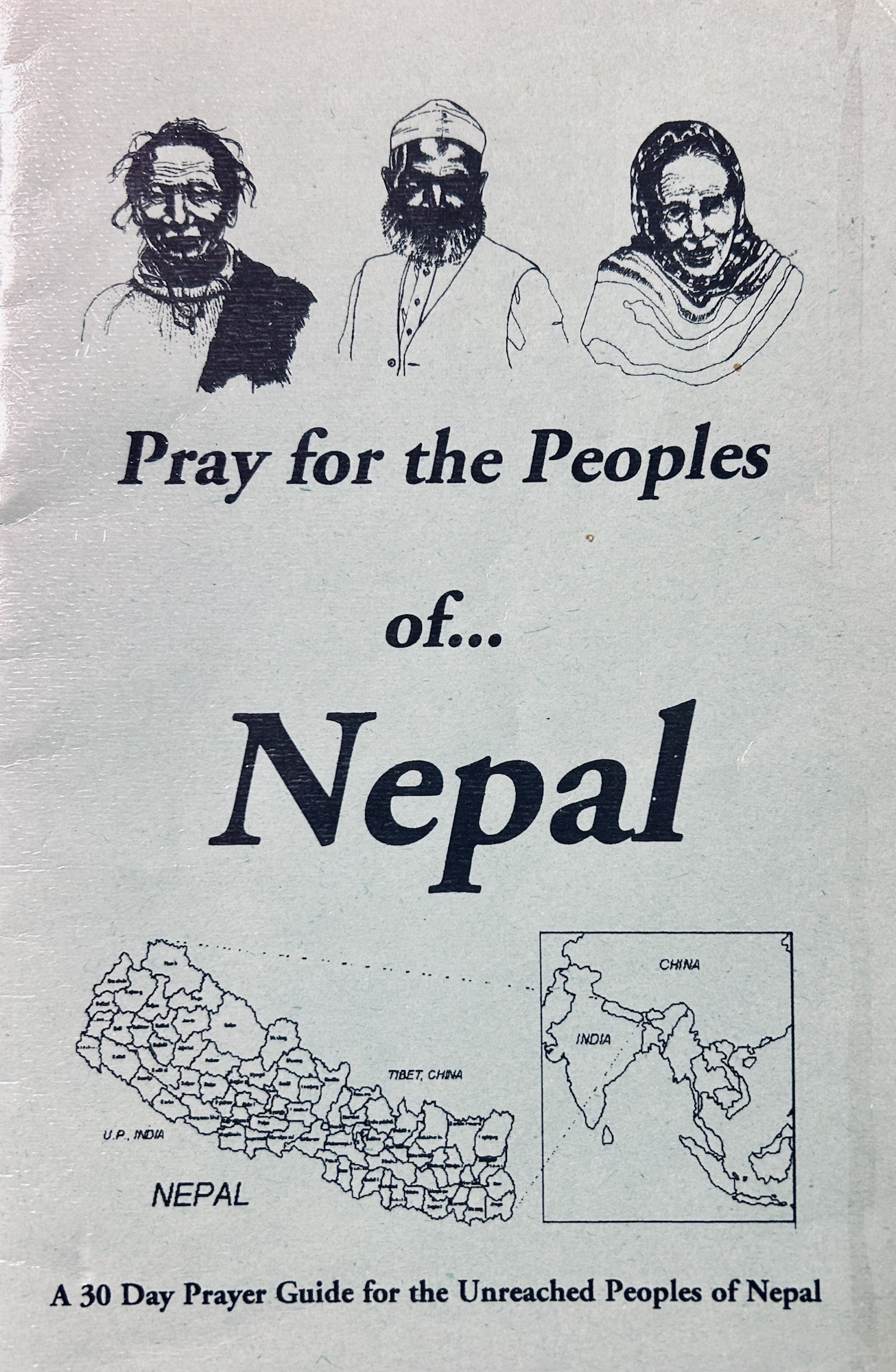

 Coffee, Tea, and Reverie