how I became a home coffee roaster
Folgers (coffee in a can) was a staple in my childhood home. My parents loved coffee (cream, no sugar) and they believed that Folgers was the best. They had coffee for breakfast, in the afternoon, and always when company came by. As I was entering teenagerhood I began to be interested in coffee myself but my mother believed that coffee was for adults only. There were sayings describing why a child should not partake such as “it’ll put hair on your chest” and “it’ll stunt your growth.” Nevertheless she finally gave in to my pleading and told me that if I would drink an entire cup of black coffee then I would be initiated into the coffee drinking world. I took her challenge. It was awful. But I persisted, perhaps because I was stubborn or perhaps because I thought that if I managed to guzzle it down and started drinking coffee that I could add cream and it would taste better, or perhaps both. I downed the last drop, plopped the mug down on the table, looked up and smiled, and she reneged. I never tasted another drop of coffee as long as I was living at home.
My coffee drinking life began when I went away to college and with the exception of a year-long coffee fast in 1977 continues to this day. During my first semester at the University of Arkansas I discovered that it now tasted delicious and so I enjoyed the coffee and doughnuts provided every morning by the art department and felt very grownup. Through the years I percolated nothing but Folgers in the classic red can, convinced that it was the best to be had, and evidently was a master of the process as I sometimes received compliments on my good coffee. Until 1984. In 1984 a hippy friend came by to chat bringing along freshly ground coffee beans and a stovetop espresso maker. And a new life had begun. From that day on as much as possible there was freshly ground coffee in my mug, although our newly acquired drip coffee maker remained a kitchen fixture as the Moka pot seemed complicated and a bit scary to me.

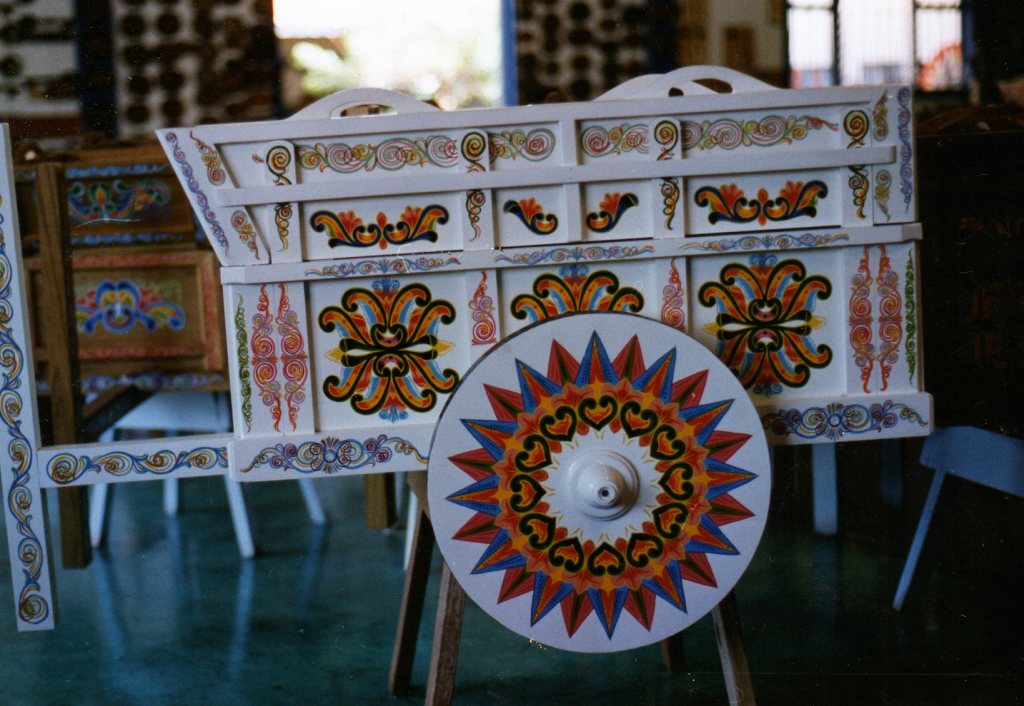
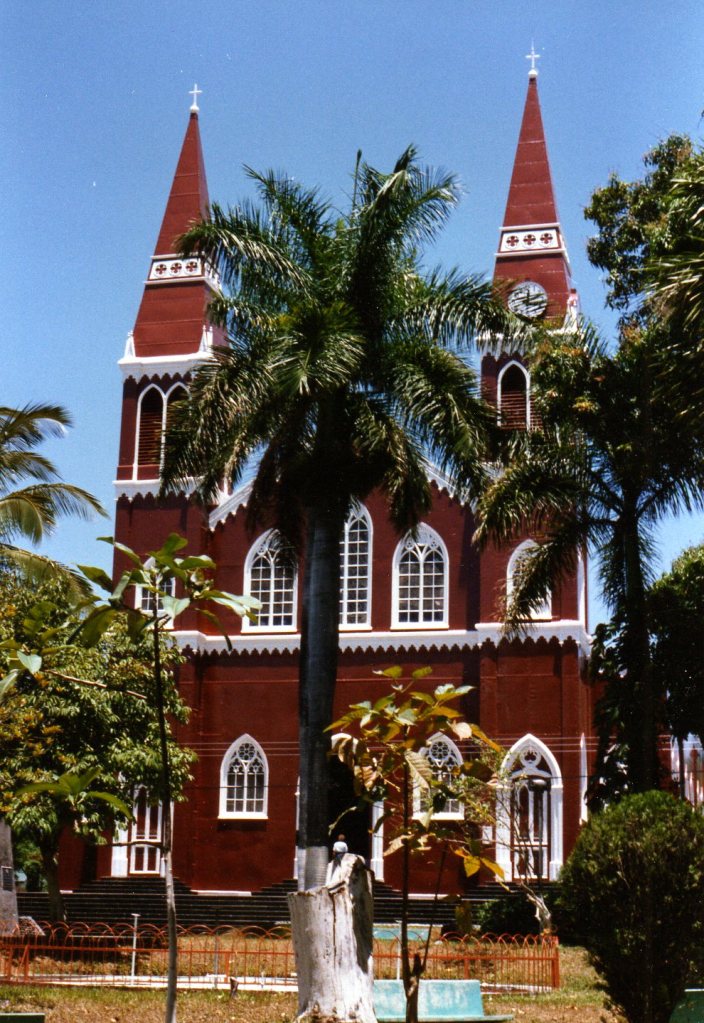
In 1988 my husband, 3 children, and I packed our bags and moved to Latin America. We lived for a year in San Jose’, Costa Rica where we studied in the Instituto de Lengua Española. Costa Rican coffee is superb, however the markets only sold it finely ground and premixed with 10% sugar. I do not drink sweet coffee. It didn’t take us long to discover a peanut and coffee roaster in the Mercado Central. And so began a habit of regular bus trips to downtown San Jose’ where we would purchase one pound of coffee beans, still warm, scooped into a brown, paper bag. Costa Ricans make drip coffee using a cloth bag (kind of like a sock) hung from a metal frame. I remained convinced that my drip coffee maker was still the best method for a perfect cup.
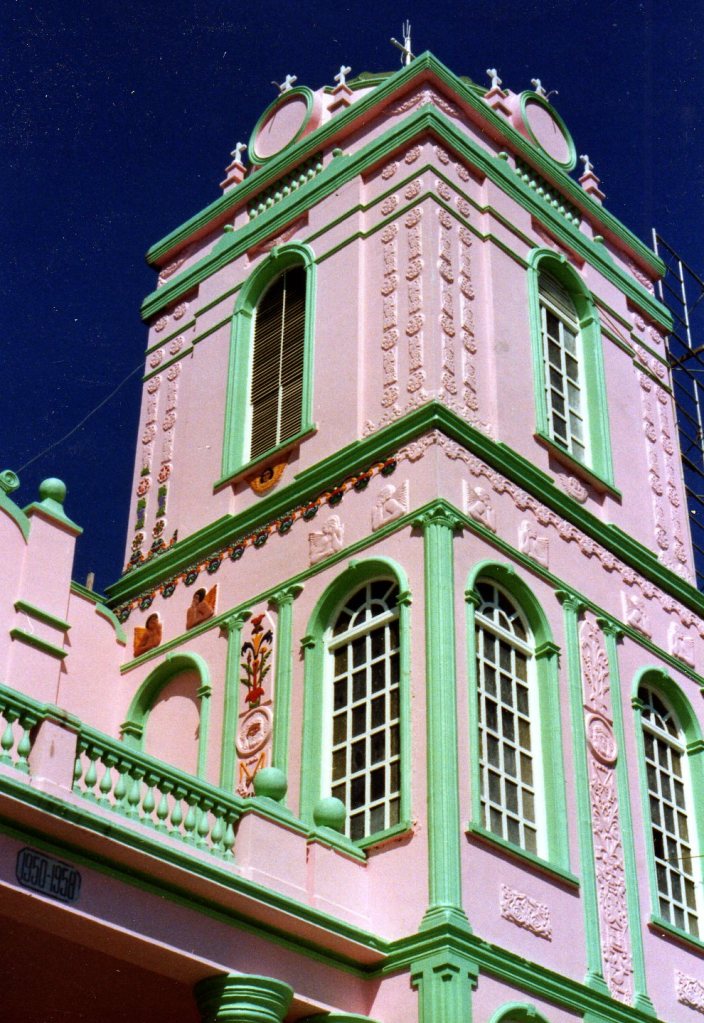
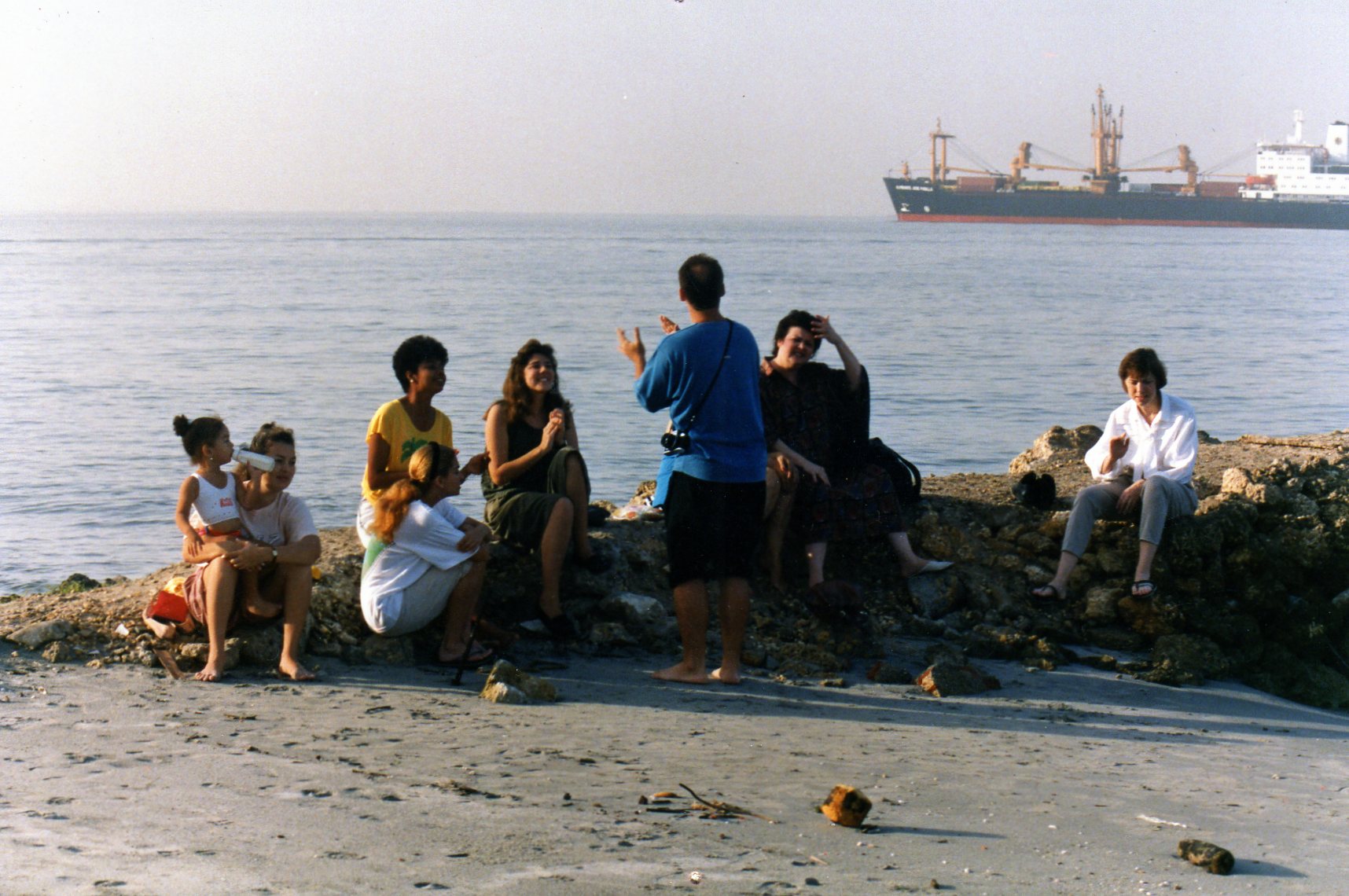
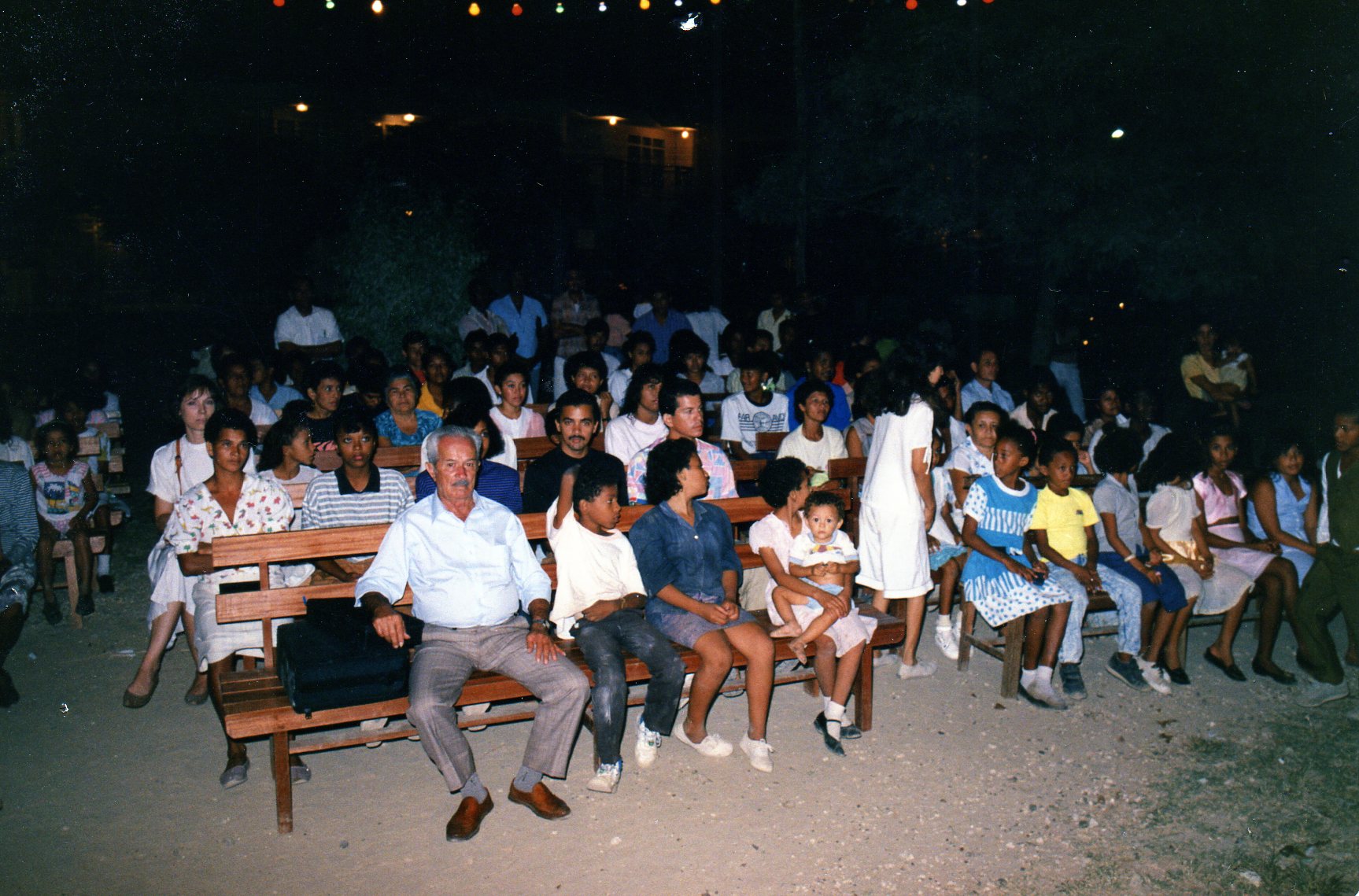
Our next adventure took us to Cartagena, Colombia, South America. Colombia is well known for four things. I will only mention two: emeralds and coffee, i.e. coffee heaven. Colombians drink tintos, tiny cups of coffee more or less equal to a couple shots of espresso. Colombians also drink very sweet coffee but if one orders un tinto amargo con leche the waiter will bring your coffee with no sugar and a pitcher of warm milk on the side. As I said, coffee heaven. Imagine my surprise when I discovered that Colombian children drink coffee for breakfast. One morning our housekeeper was trying to give my kids coffee for breakfast which they refused. I explained to her that in my country children weren’t given coffee. Giving her my mother’s explanations we both giggled as I used my hand to show her how much taller I had grown than her due to no childhood coffee. While living in Colombia I heard from a friend who had visited a coffee plantation in the state of Antioquia that the plantation owners roast coffee beans in a skillet every morning before breakfast. “Sounds like coffee heaven,” I thought. And with that I had acquired a new obsession, one day I would roast my own coffee beans.

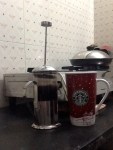
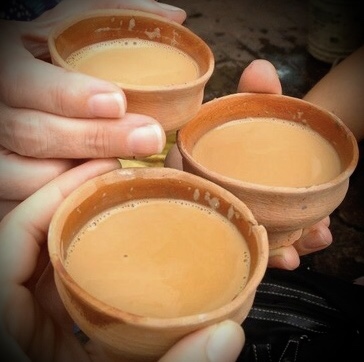
Although there were coffee plantations in India, for most of my years living as an expat there a good cup of coffee was hard to come by. Indian coffee generally consisted of powdered Nescafe’, powdered milk, and sugar mixed with boiling water. Top priority for all my care packages was a few pounds of whole bean coffee, and loving friends and family kept me fairly well supplied. While living in India I boldly experimented with various new-to-me methods of brewing the delectable nectar. Starting with French press, I then bravely tried a Moka pot and discovered that it is neither complicated nor dangerous and produces a wonderful beverage, although I have managed to ruin a couple due to morning bleariness and failure to put water in the bottom chamber. From Moka pot I ventured on to the AeroPress and scrumptious coffee while traveling became a reality. A coffee community had begun to develop and it quickly flourished. There are now amazing coffee roasters in country and plantations are growing excellent quality beans. One day a friend from Delhi introduced me to Blue Tokai Coffee Roasters. Blue Tokai, my new coffee source, roasted my choice of beans and shipped them same day directly to my guest house on the side of a Himalayan mountain for a very reasonable price. From that day on I was never in short supply of delicious coffee.
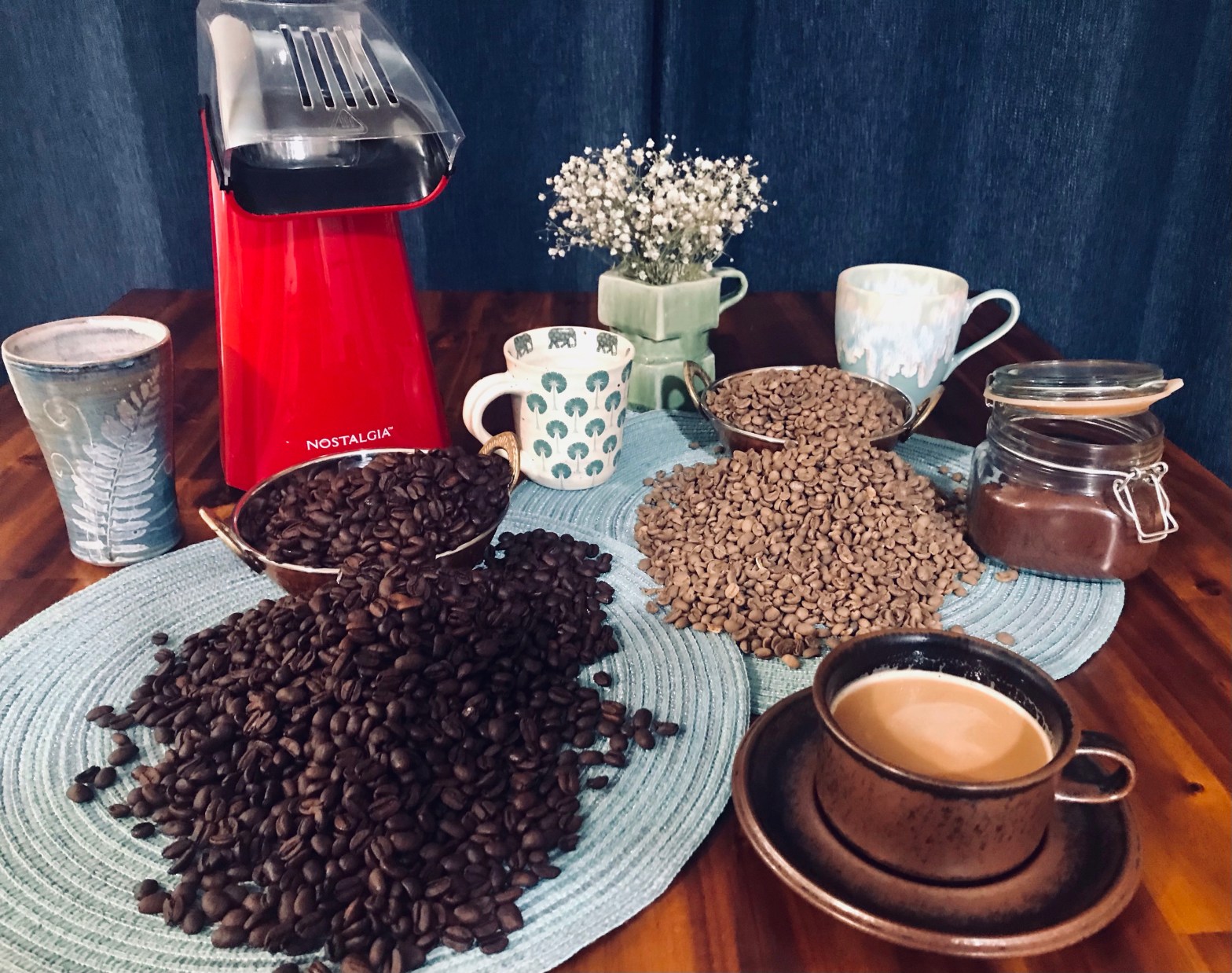
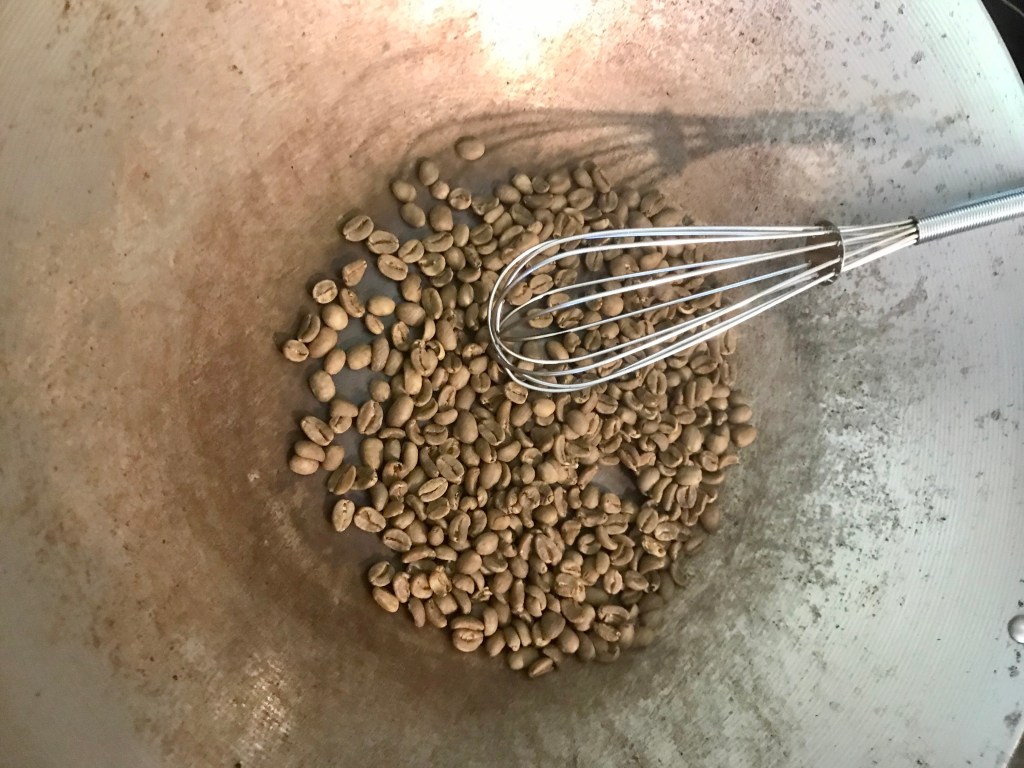
Fast forward to the present. Finding myself back in the USA in 2019 with little to do but rest, my long time dream of roasting coffee at home resurfaced. With a little help from some friends I discovered Sweet Maria’s (sweetmarias.com) where green coffee beans can be purchased along with easy to follow instructions for the perfect roast. Now restricted to decaf I was thrilled to discover that there are several organic, Swiss Water decaf coffees produced that maintain great flavor. I also discovered that green beans are much cheaper than roasted beans. And so, jumping into the coffee roasting community I ordered my first green beans and with great enthusiasm roasted my first batch of coffee. It was a heady experience to finally realize my long held aspiration! I discovered that roasting coffee is not terribly difficult, however one must follow the procedure very carefully to get the desired results. Timing is essential. My first roasting was done in a skillet just like Juan Valdez (who is not actually a person) and the Colombian coffee growers of whom I was told. I quickly decided that a wok would be much easier than a skillet. I roasted some amazing coffee in my wok. The downside is that as coffee beans approach “first crack” they release their interior moisture and fill the house with smoke. So after some time I moved on to the next level and ordered a popcorn popper. (Only a certain type, which can be found at Sweet Maria’s, rotates the beans in the necessary manner for a good roast.) I could then do my roasting outside, so no smoke in the house, and roasting time was cut in half due to the efficiency of the air popper.

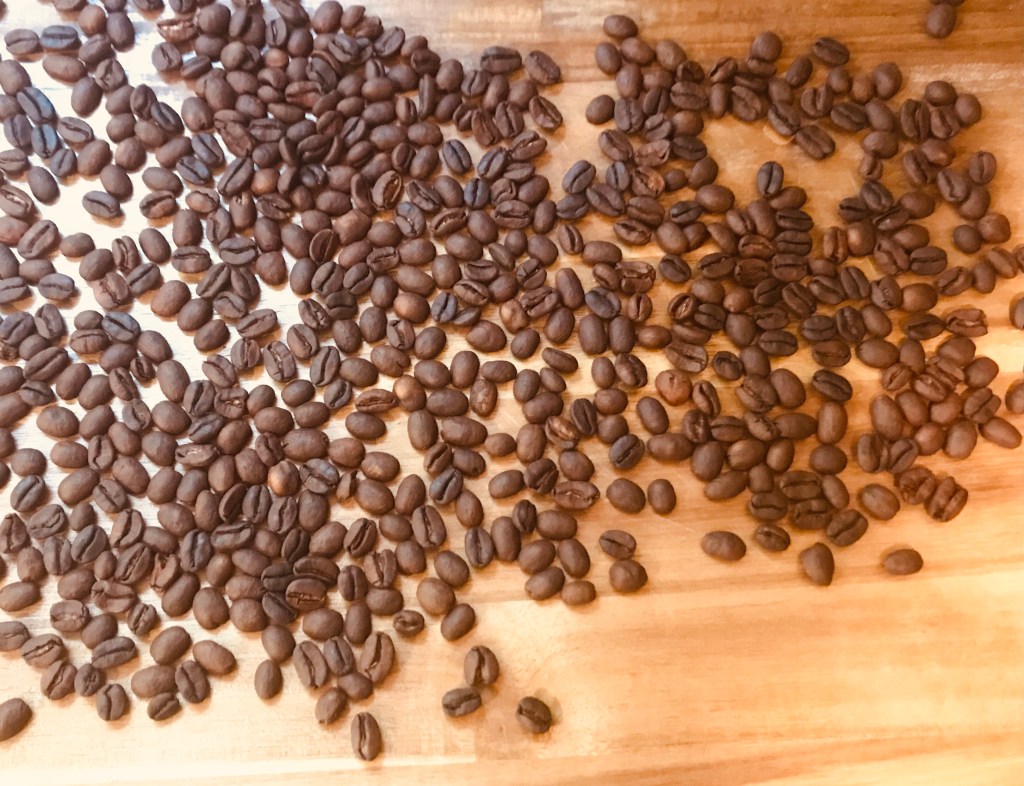
The experience of coffee roasting is satisfying but, because using these methods only a small quantity of beans can be roasted at once, it is difficult even for one hearty coffee drinker to keep an adequate supply on hand. On the Kenai Peninsula in Alaska I live in a land of local coffee roasters, coffee shops, and drive-throughs; www.http://www.kaladi.com and ravensbrewcoffee.com are a couple of my favorites. I have also discovered http://www.freshroastedcoffee.com, where I can buy green beans as well as coffee roasted on order and also a large variety of teas. Even delivered across country it is quite affordable. Nowadays I am blessed to use a home espresso maker with which I brew phenomenal (in my opinion) decaf coffee from both store roasted and home roasted beans, a blessing from God and something “ordinary” for which I give thanks.

So why do I ramble on about such a simple, ordinary thing? Because God created this world for us to enjoy. He is a God completely full of joy; he rejoices, he sings, and he dances and so should we, his creation. We should not wait for the momentous events in life to celebrate. I believe that God is honored when we enjoy the ordinary and when we revel in all of the beautiful things he has provided. So let’s give thanks today and all days for the pleasures he puts in our paths.
What ordinary things fill your life with joy? I would love to hear about them!
Their trust should be in God, who richly gives us all we need for our enjoyment.
1 Timothy 6:17b NLT (Perhaps taken a bit out of context 😉 but I believe the sentiment applies.)
A joyous God fills the universe. Joy is the ultimate word describing God and his world. Creation was an act of joy, of delight in the goodness of what was done. It is precisely because God is like this, and because we can know that he is like this, that a life of full contentment is possible.
Dallas Willard, Life without Lack: Living in the Fullness of Psalm 23, page 10
We pray for the big things and forget to give thanks for the ordinary, small (and yet really not small) gifts.
Dietrich Bonhoeffer, Life Together: The Classic Exploration of Christian Community, goodreads.com

- The Collapse
 October 7, 2018. 7 years ago today I left India, so weak I struggled to even board a plane to Bangkok while keeping my possessions together. Passport, wallet, phone, backpack, carryon, passport, wallet, phone, backpack, carryon was my mantra untilContinue reading “The Collapse”
 - Let All Creation Praise
 I was euphoric as two friends and I loaded our belongings onto the roof of a taxi that cool April morning. Dawn was breaking and it would be an incredibly gorgeous Himalayan day. I was embarking onto a new venture,Continue reading “Let All Creation Praise”
 - Winds of the Himalaya – Part 30
 That One Time We Had to Build a Bridge to Get Home Lete was the last post in my journal. I am not sure why, likely because I was, after nearly two months, exhausted. Dates and such in this postContinue reading “Winds of the Himalaya – Part 30”
 - Winds of the Himalaya – Part 29
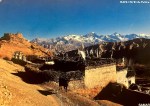 Jomsom to Lete Saturday, July 14, 2001, was a long, hard day but the view was incredible and the trek was full of joy and laughter. We set out from Jomsom at 9:00 am. The first leg of our trekContinue reading “Winds of the Himalaya – Part 29”
 - Winds of the Himalaya – Part 28
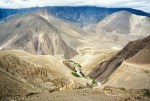 Kagbeni to Muktinath After breakfast we headed north for the four-hour trek to Muktinath. That stretch is all uphill [Kagbeni – 9200 ft, (2804 m), Muktinath – 12,343 ft (3762 m)] but not so steep as I had expected. There,Continue reading “Winds of the Himalaya – Part 28”
 - Winds of the Himalaya – Part 27
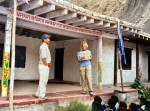 Jomsom to Kagbeni The remainder of our group arrived in Jomsom at 7:30 am. After steamy fresh bread, yak butter, wild honey, eggs, and the ever present and luscious milk tea we began the walk to Kagbeni. Since we wouldContinue reading “Winds of the Himalaya – Part 27”
 - Winds of the Himalaya – Part 26
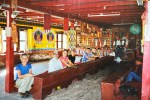 Kathmandu to Jomsom Monday, July 9, 2001, started early. The US team of sixteen representing five Alaskan churches, plus Robby and Leona and their Nepali team, and Pastor CB and his wife IB departed Kathmandu by bus at 7:00 amContinue reading “Winds of the Himalaya – Part 26”
 - Winds of the Himalaya – Part 25
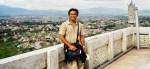 Final Days in Kathmandu Sunday morning I awoke feeling better, just weak so I took the day to rest and recuperate. Dudley’s team arrived from California and I moved downstairs to a lovely guest room that Robby and Leona hadContinue reading “Winds of the Himalaya – Part 25”
 - Winds of the Himalaya – Part 24
 Tibetan Border Trip Friday morning, June 15, Valerie, Dudley, two Nepali friends, and me, with Mr. G. in the driver’s seat headed northeast towards Kodari on the border with Tibet, the same area I had visited with an Alaskan teamContinue reading “Winds of the Himalaya – Part 24”
 - Winds of the Himalaya – Part 23
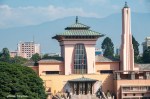 Prayer at the Palace Before breakfast on Friday, June 8, I headed to Himalayan Ezra Institute on foot since it is an easily walkable distance from Robby and Leona’s house. It was a lovely walk and I was accompanied byContinue reading “Winds of the Himalaya – Part 23”
 Coffee, Tea, and Reverie
Thanks, Jackie. Oh, I am so thankful for fresh ground coffee. I now have a coffee plantation in my extended family and it’s a bonus when they visit from El Salvador with bags of roasted coffee. We have yet to roast our own but I think you’re on to something!
LikeLiked by 1 person
Oh my goodness, how fun! A family plantation! God is good!
LikeLike
I do love a good cup of coffee. Thankfully my daughters are coffee connoisseurs because my husband is a diehard Foldgers guy. The older I get the stronger I like it. It is a small thing to be grateful for (I’m only allowed to write “coffee” in my Gratitude Journal once a week). I might have to try roasting my own… Hmmm…
LikeLiked by 1 person
I also find that the older I get the stronger I like my coffee. But then I do use quite a bit of cream.
LikeLike