
Final Days in Kathmandu
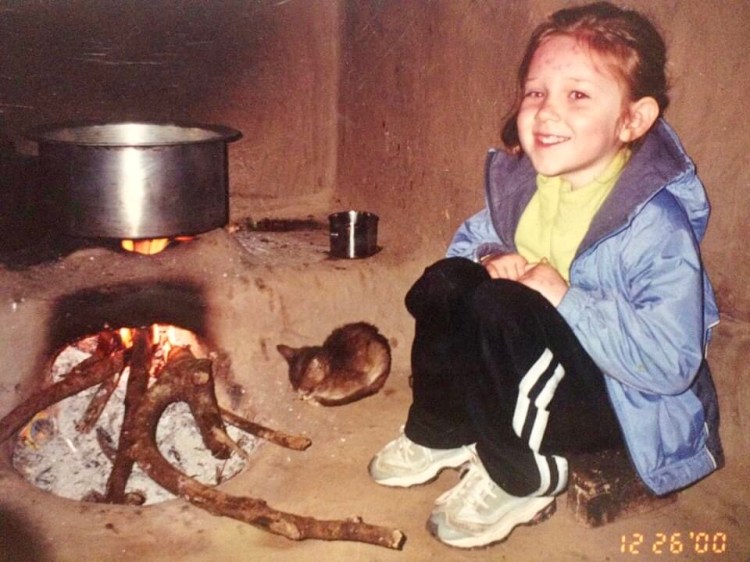
Sunday morning I awoke feeling better, just weak so I took the day to rest and recuperate. Dudley’s team arrived from California and I moved downstairs to a lovely guest room that Robby and Leona had built onto their house. Their youngest, Espes, decided she would be my new roommate. I loved it! I taught her songs, told stories, and she taught me to count to twenty in Nepali.
The next three weeks I spent in Kathmandu and followed a somewhat predictable schedule: Nepali language study, teaching at the Bible Institute, and prayer walking. So instead of recounting day by day I will share the highlights and most remarkable events.
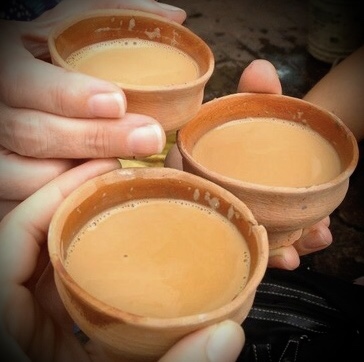
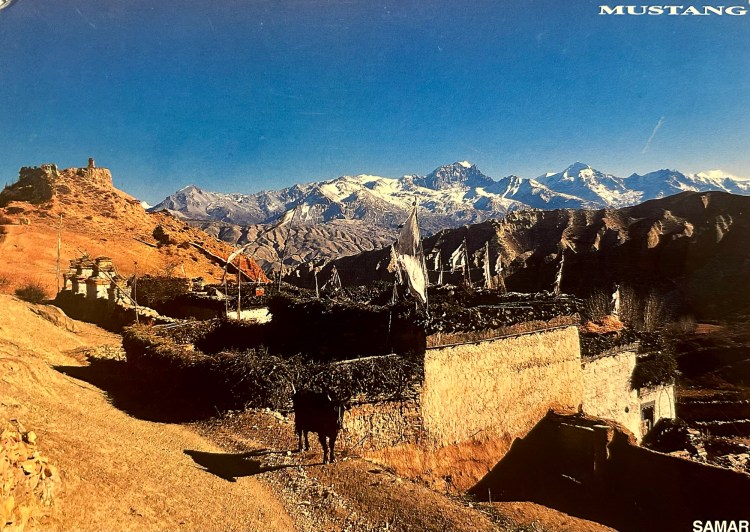
On Tuesday I went to Thamel where I found the DVD Himalaya: L’Enfance d’un Chef, filmed by a French director, Eric Valli, about the Mustang area of Nepal where I would be trekking in three weeks with the team from Alaska. Filmed in 1999 the movie was the first Nepalese film to be nominated for Best Foreign Film. Years later I found the English version which is titled Caravan. The French version would provide much nostalgia as our team watched it at our debriefing and photo sharing party back home while snacking on milk tea and biscuits (cookies) we had brought back home from Nepal. It also provided a good bit of laughter as we imaginatively inserted our own translation from French to English! After shopping in Thamel I found fajitas for lunch at Northfield Cafe and was feeling thoroughly blessed!
In the afternoon I had a great visit alone with Leona and she shared some good-to-know cultural information with me: no teasing, no touching (not even patting on the back), and no contractions (the people won’t hear the ’t sound and will misunderstand). In the evening the California team returned from several events including medical clinics (one team member was a doctor). A couple team members who were not yet believers reported that it had been the “single most meaningful experience of my life!”
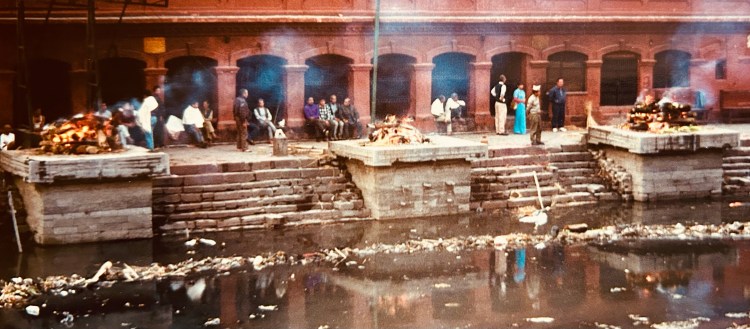
On Wednesday I prayer walked at Pashupatinath Shiva Temple. The taxi ride was quite interesting as the driver was determined to take me in the opposite direction. Finally, in my extremely limited and broken Nepali I was able to get him on course. At the temple a small boy followed me the whole time. At first I wanted him to go away, but then I was glad to have him with me because it felt weird alone as there were many groups of men in the complex. As I sat under the huge, green, “peaceful” trees of the area I sensed the deception and falseness—false hope, false security—of the false religion practiced there. As I watched a funeral pyre being prepared and lit I began thinking about the “holy” Bagmati River which would soon receive the ashes of the deceased and where many go and bathe to receive purification. Yet it is filthy, polluted with trash and disease with plastic bags and dead animals floating downstream in its waters. Yet, people are deceived into believing that they are purified by its waters when they are actually contaminated, polluted, and disease infected by it. That is just what Satan’s kingdom is all about, counterfeiting the real and deceiving the lost into believing that the false is real, that the lie is the truth.
Most every time I prayer walked on this trip I noticed double edge razor blades lying on the ground. Each time it struck me as odd. Finally I thought that perhaps they were symbolizing to me the two-edged sword mentioned in Scripture. So I prayed the words of a song taken from Psalm 149:6-9: “With the high praises of God in my mouth and a two-edged sword in my hand, I will march right up to victory, right into Canaan’s land.”
When walking around Singha Durbar another time, on the back side where all the stinky garbage was, I encountered a number of men working. They were not picking up the garbage but rather were digging up the ground. God showed me that He isn’t removing the corruption yet, but that He is digging and rooting it out as in verse 10 of my prayer template for Kathmandu and Nepal, Isaiah 62. And then on the east side men were repairing the wall! (Isaiah 58:11,12). Another day I went back wanting to walk the back side of the complex again. As I rounded the corner I saw shiny red stars and prayed against Communism and its hindrance to freedom, especially religious freedom. Then I prayed that if I was done a taxi would be waiting when I rounded the corner; there were two.
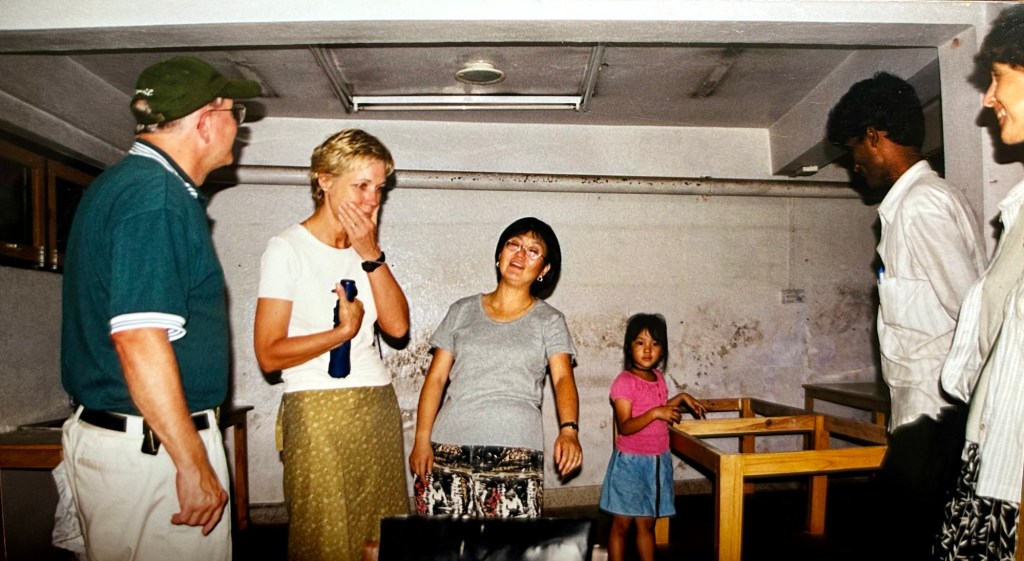
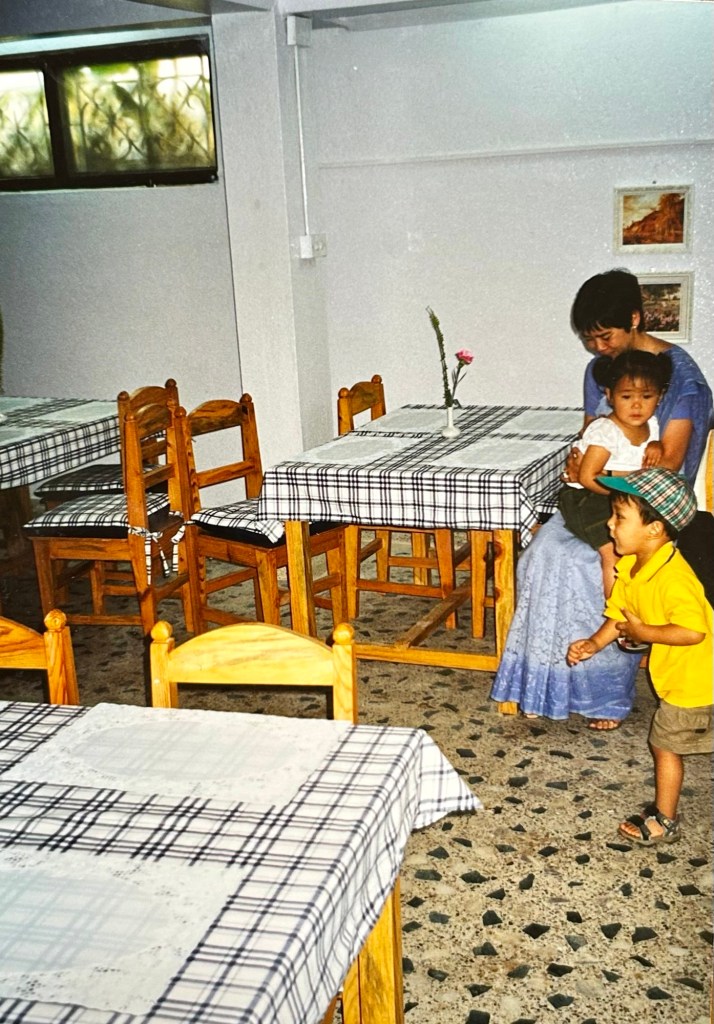
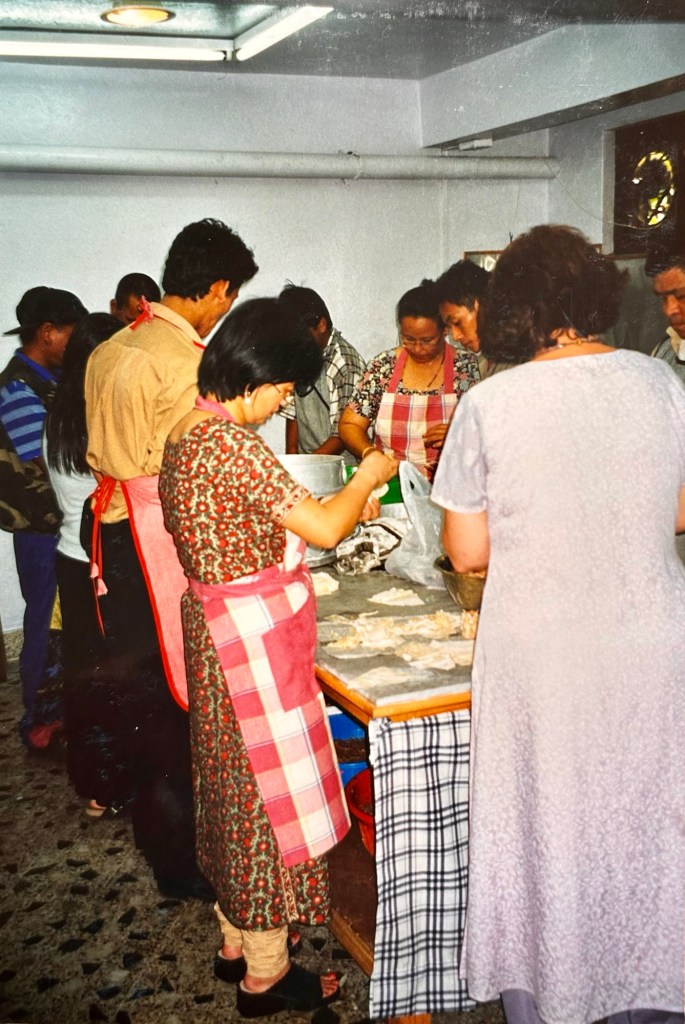
Leona had offered to help a friend open a momo restaurant. (Momo is the Tibetan/Nepali version of a steamed dumpling and they are absolutely, amazingly delicious.) I helped out with a number of chores from sweeping floors and cleaning the bathroom to arranging tables and chairs to hanging pictures on the walls, to peeling garlic, ginger, and onions. The grand opening of Melange MoMo was at 6:00 pm Sunday, June 23. Culturally the grand opening is a celebration for family and friends so it was actually a wonderfully huge party including us foreigners and, as well, church people who came early at 4:00 to pray for the business. I tasted all the varieties of momo along with a bountiful supply of freshly made sauces. They were all luscious. Then as the guests began arriving I moved to the kitchen where I rolled dough and washed dishes.
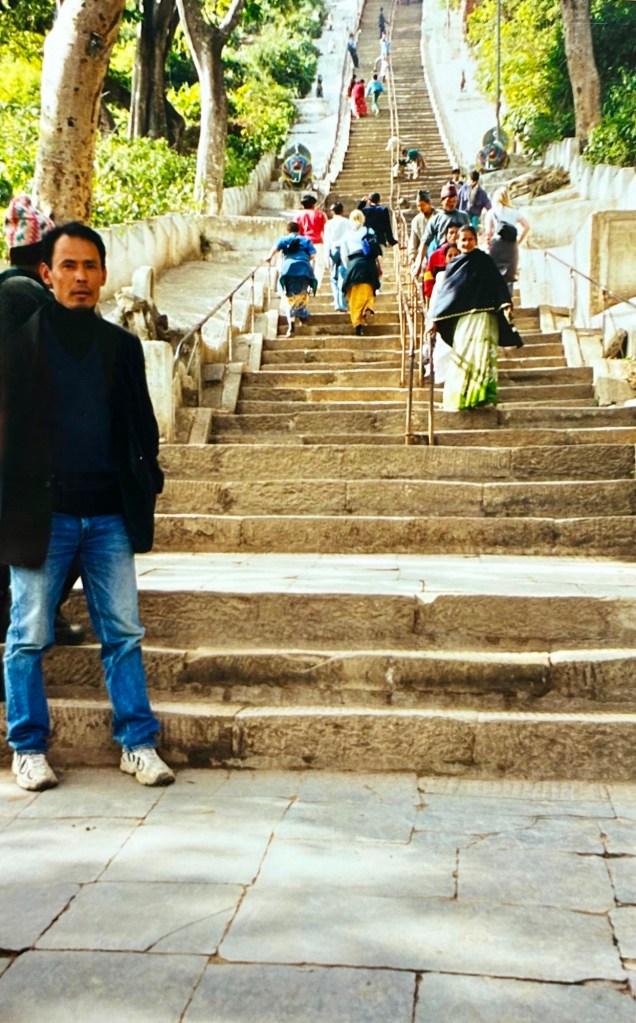
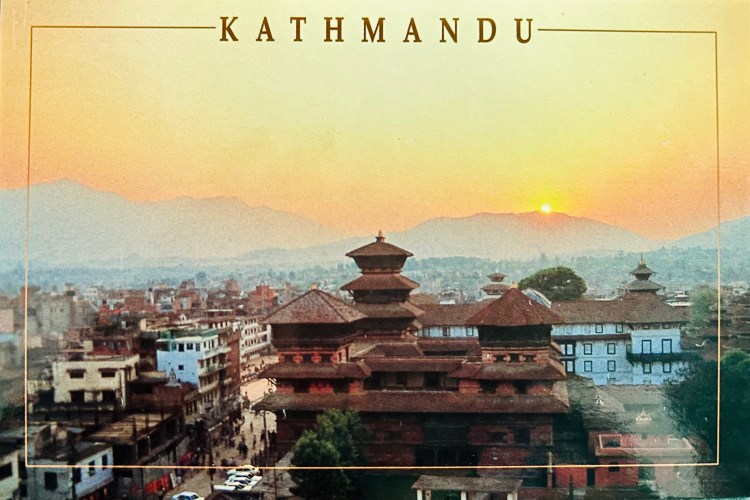
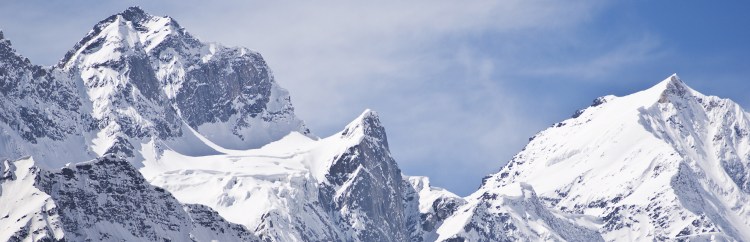
I visited Swayambhu, the Monkey Temple, a couple of times. On the first visit I spent an hour or more praying over the city and the Kathmandu Valley. I prayed that the Church would become like the foothills surrounding the valley on all sides — lush, green, productive, sheltering, containing, and guarding. And then the mountains standing tall, strong, and white behind the hills caused me to pray that the angelic hosts would be standing behind the Church garding and protecting her, strong and undefeatable and impenetrable by evil. A building containing many golden statues is on the edge of the hilltop near Swayambhu. The hillside behind and beside the building is covered with putrified garbage seeming to represent the demonic forces active behind the beautiful, golden facade of the bondage and deception of Buddhism. Unsure where to go next I walked the 365 steps down to the entrance and sat on a wall to wait on God. A lady selling bracelets started talking with me. Lila spoke good English. I thought that perhaps I should come back in a few days to try and cultivate a friendship. I returned with Bala and found Lila. On that day she was not as open and friendly with me. She told Bala that she did not know what I wanted with her. Finally, after some time, he got her to talk to him and we were able to share Truth. She said that she had heard our message before, but that she believed sawa dharma, all paths are the same. She knows people who became Believers to receive healing. We explained the difference in Christianity but she said that her family is large and there is too much social pressure. Perhaps a seed was planted.
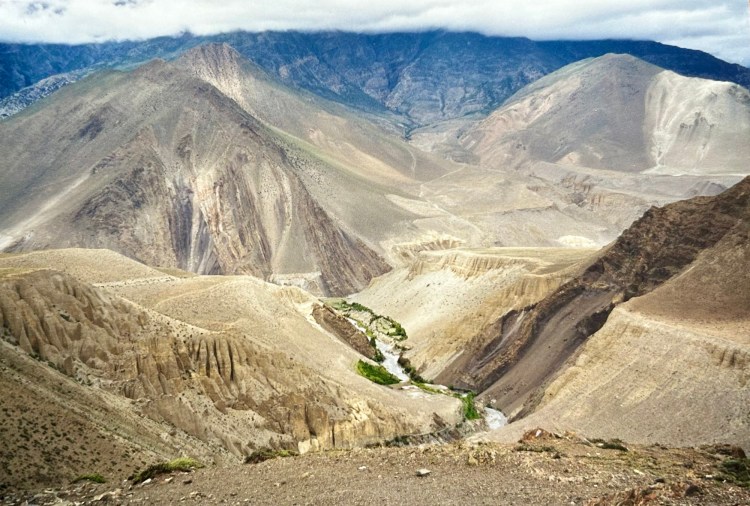
Wednesday, June 27, I spent the day planning programs for children we would encounter on the trek ahead. Late afternoon the California team returned somewhat traumatized from their trek (my Alaska team and I would follow in their footsteps in just a few days). The flight into Jhomson is always difficult but due to weather their flight was especially frightening. And then one of the pack horses fell off a cliff on the trail and into the Kali Gandaki River below and died. It was the horse carrying the bag with all the passports. The upside of the story is that tree branches on the way down into arguably the deepest gorge in the world had caught the packs the horse was carrying so the passports and gear were safe.
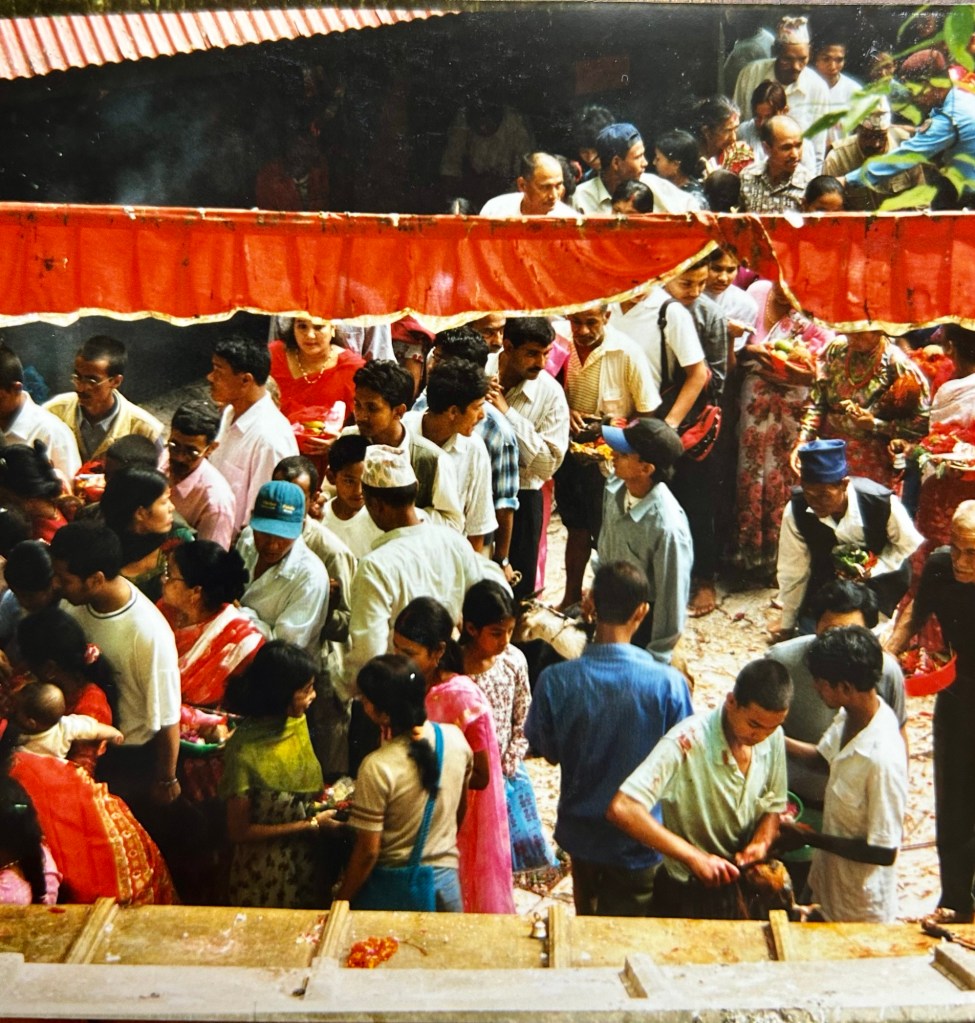
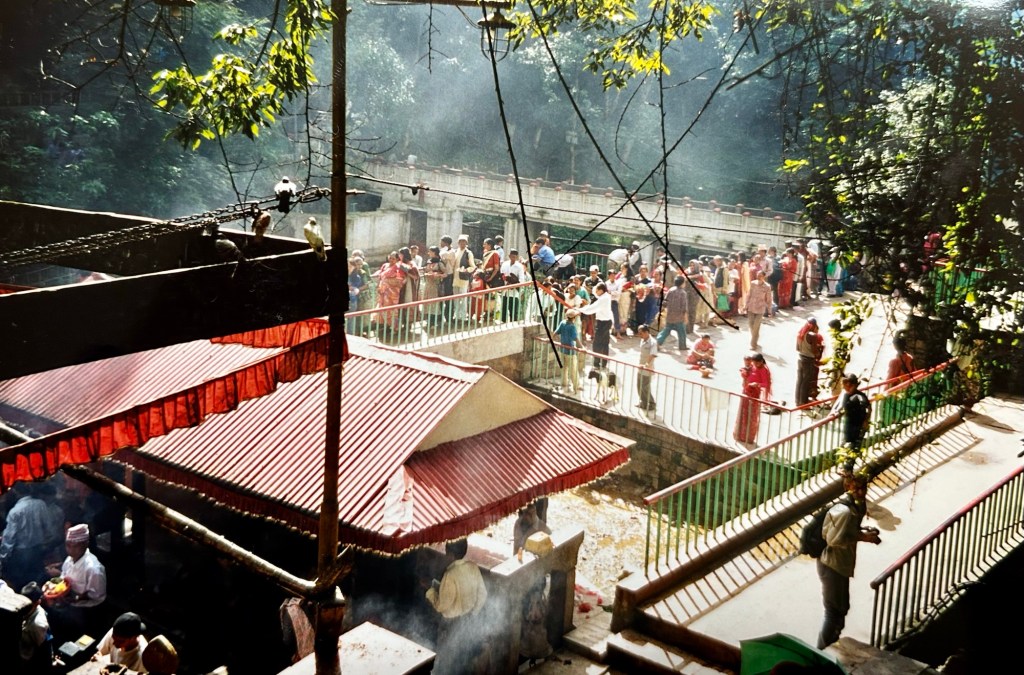
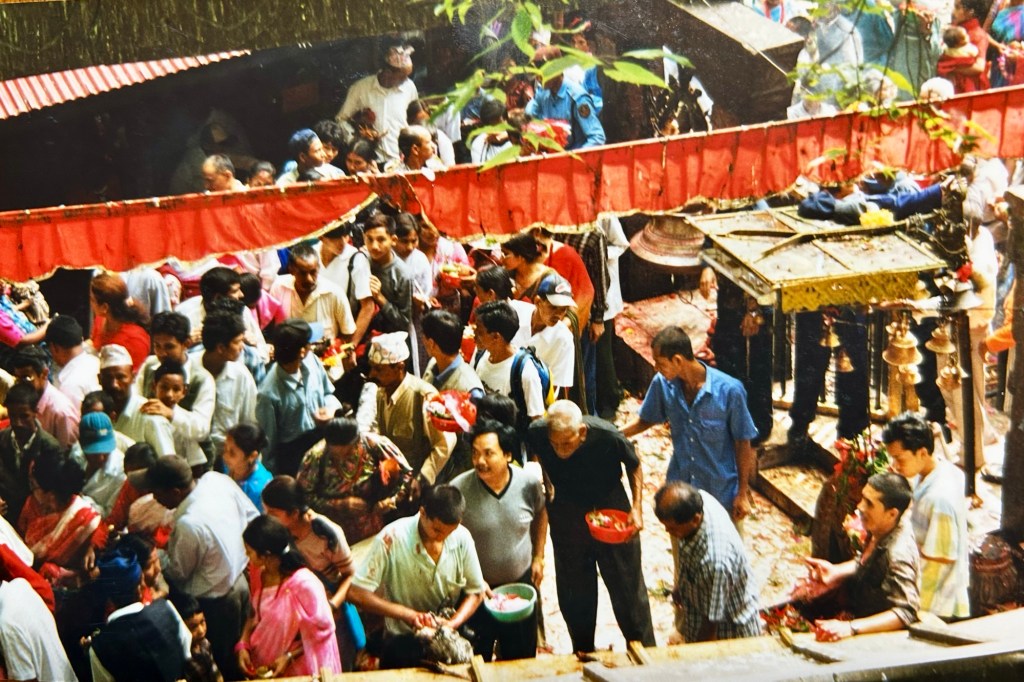
On Tuesday, July 3, D, P, and Mr. G took me to Dakshinkali where along with offerings of fruit, flowers, rice, and coconut, every Tuesday and Saturday animal sacrifices are offered to what Robby called the blood-thirsty goddess. When we arrived there was a seemingly never ending queue which had not noticeably decreased when we left an hour or more later. The smell of blood hung heavy in the air. I watched as roosters and goats, one right after the other, were slaughtered. The animal was handed to one of several priests who cut its throat and then held it so that its blood emptied onto an idol. The priest then returned the animal to the worshipper and received some rupees for his service. The meat would be cooked and eaten at home. According to Alan Brill (kavvanah blog) “..there is no blessing from devi (Kali) if she does not receive blood…This sacrifice has the power to influence energies and provide blessing for your earthly life, they have the power of fulfilling the desires of the aspirants.” A young boy said the sacrifice was given so Kali would fulfill their wishes. Apparently Hindu sacrifice bears little resemblance to ancient Hebrew sacrifice and it evidently has nothing to do with forgiveness of sin.
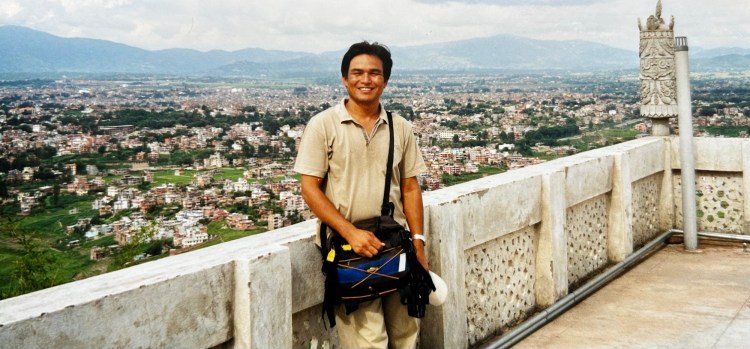
On Friday I moved to Student Guest House in preparation for the arrival of the Alaska team. Saturday evening I tried to figure out how to lighten my backpack (the never ending goal!) and felt led to begin a three-day fast. Sunday, July 8, my team arrived from Alaska! We all had dinner at Leona and Robby’s and the evening was highlighted with a birthday cake celebrating Levi ‘s 21st year of life. I fell asleep excited, full of joyful anticipation; we would travel north to strange new lands in the morning.




 Coffee, Tea, and Reverie
So interesting to hear about Napal…some things similar to India and others so different.
LikeLiked by 2 people
Yes many differences, love them both.
LikeLiked by 1 person